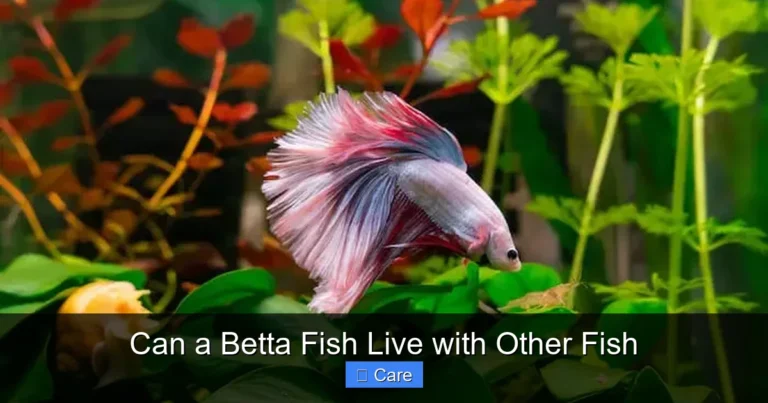
Will Betta Fish Eat Tropical Flakes and Is It Safe

Betta fish can eat tropical flakes, but it is not their ideal food. While they might nibble on them, these flakes often lack the high protein bettas need. Feeding the wrong diet can cause health issues like bloating or constipation. It is better to choose food made specifically for bettas. This guide explains why specialized nutrition matters for your colorful friend.
This is a comprehensive guide about will betta fish eat tropical flakes.
Key Takeaways
- Dietary Needs: Bettas are carnivores and need high protein, which tropical flakes often lack.
- Safety Risks: Regular tropical flakes may cause bloating or digestive issues in betta fish.
- Occasional Feeding: You can feed tropical flakes occasionally, but not as a staple diet.
- Better Alternatives: Pellets and frozen foods are much better options for long-term health.
- Ingredient Check: Always read labels to ensure high protein content and low fillers.
- Feeding Amount: Feed small amounts to prevent waste and keep water clean.
- Community Tanks: In mixed tanks, ensure your betta gets enough specific food.
[FEATURED_IMAGE_PLACEHOLDER]
Will Betta Fish Eat Tropical Flakes and Is It Safe
So you just bought a beautiful betta fish. You walk into the pet store and see rows of colorful fish food. You see tropical flakes everywhere. They look easy to use. You might wonder, will betta fish eat tropical flakes? It is a very common question for new fish owners. Many people want to know if they can use one bag of food for all their fish.
The short answer is yes, they might eat them. But just because they eat it does not mean it is good for them. Think of it like humans eating candy. We can eat candy, but we should not live on it. Your betta needs specific nutrients to stay bright and healthy. In this article, we will dig deep into this topic. We will look at why bettas need special food. We will also talk about the risks of using community flakes. By the end, you will know exactly what to feed your fish.
Understanding Betta Fish Dietary Needs
Betta fish are not like most other tropical fish. They have a very specific biology. In the wild, they live in shallow waters. They hunt for insects and larvae. This means they are primarily carnivores. Their bodies are designed to process meat-based proteins. When you look at a wild betta, their diet is rich in protein. They need this to maintain their vibrant colors. They also need it for energy and growth.
Many standard tropical flakes are made for a community tank. These tanks often have mixed species. Some fish are herbivores or omnivores. So, manufacturers make flakes that suit everyone. These flakes often have more plant matter. They might have wheat or soy fillers. For a betta, these fillers are not ideal. They do not provide the right fuel. A high protein diet is crucial for your betta. Without it, their colors may fade. They might become lethargic or sick.
Here are some key things bettas need:
- Animal Protein: This should be the main ingredient.
- Essential Fatty Acids: These help with energy and fin health.
- Vitamins: Specifically Vitamin A, D, and E for immunity.
- Low Carbohydrates: Too many carbs lead to swim bladder issues.
When you choose food, you must check the label. Look for fish meal or shrimp meal near the top. If you see corn or wheat first, it is not great for bettas. Understanding this helps you make better choices. It ensures your fish lives a long and happy life.
The Truth About Tropical Flakes
Tropical flakes are very popular. They are cheap and convenient. You sprinkle them in, and everyone eats. But are they safe for bettas? The question will betta fish eat tropical flakes has a tricky answer. Most bettas will chase the flakes down. They are opportunistic feeders. If food falls in the water, they will try to eat it. However, eating is not the same as thriving.
The main issue is the nutritional profile. Tropical flakes often have lower protein levels. They might contain around 30 to 40 percent protein. Bettas ideally need 40 percent or higher. The rest of the flake is often carbohydrates. Fish cannot digest carbs well. This can lead to waste buildup in the tank. It also leads to waste buildup in the fish. Over time, this poor diet causes health problems.
Another issue is the size of the flakes. Bettas have small mouths. Large flakes can be hard to swallow. They might break them apart. This creates mess in the tank. Uneaten food rots quickly. This spikes ammonia levels. High ammonia is toxic to fish. So, even if the food is safe to eat, the mess it creates is a risk. You must watch your tank closely if you use flakes.
Here is a quick comparison of ingredients:
- Betta Pellets: High protein, small size, sinks slowly.
- Tropical Flakes: Mixed protein, larger size, often floats.
- Frozen Food: High protein, natural, requires thawing.
While flakes are not poison, they are not optimal. Think of them as junk food for your fish. An occasional treat is fine. But making it a daily meal is risky. Your fish deserves better nutrition.
Potential Health Risks of Feeding Flakes
Feeding the wrong food can cause real problems. You might not see issues right away. Health problems often build up over time. One common issue is bloating. Bettas have sensitive digestive systems. Carbohydrate-rich flakes can cause constipation. When a betta is constipated, it cannot swim properly. It might float to the top or sink to the bottom. This is called swim bladder disease.
Another risk is poor water quality. Flakes dissolve faster than pellets. They break apart quickly. This creates tiny particles in the water. These particles cloud the water. They also feed harmful bacteria. A dirty tank stresses your fish. Stressed fish get sick easier. They become prone to fin rot or ich. Keeping the water clean is half the battle of fish care.
Nutritional deficiencies are also a concern. If your betta only eats low-quality flakes, they miss out. They might lack essential amino acids. This affects their immune system. A weak immune system means more vet visits or loss of fish. You want your betta to show off its fins. Poor nutrition makes colors dull. It makes fins look ragged. You want your fish to look its best.
Watch out for these signs of a bad diet:
- Lethargy: The fish sleeps too much or hides.
- Faded Color: The bright blues or reds turn dull.
- Clamped Fins: Fins stay close to the body.
- Bloating: The belly looks swollen or distended.
If you see these signs, check your food first. Switching to a better diet often fixes these issues. It is amazing how much food impacts health. Your betta relies on you for every meal. You are the chef and the grocery shopper. Choose quality ingredients for your pet.
Better Food Alternatives for Bettas
If tropical flakes are not ideal, what should you feed? There are many great options. The best choice is food made specifically for bettas. You can find betta specific pellets at any store. These are formulated with high protein. They are also the right size for their mouths. Pellets usually hold together better than flakes. This means less mess in your tank.
Frozen foods are another excellent choice. Bettas love variety. You can feed frozen bloodworms or brine shrimp. These mimic their natural diet. They are very high in protein. Many owners use frozen food as a treat. You can feed it once or twice a week. This keeps the fish excited about mealtime. It also boosts their nutrition significantly.
Some owners even feed live food. Live blackworms or mosquito larvae are great. This triggers their hunting instinct. It provides mental stimulation. However, live food carries a slight risk. It can introduce parasites into the tank. Frozen food is safer because it is pasteurized. Always buy from reputable sources. Do not catch bugs from your backyard unless you are sure they are safe.
Here are the top food recommendations:
- High-Protein Pellets: The staple diet for daily feeding.
- Frozen Bloodworms: A tasty and nutritious treat.
- Frozen Brine Shrimp: Great for conditioning and color.
- Betta Flakes: Some brands make flakes specifically for bettas.
You might wonder about vegetables. Can bettas eat peas? Yes, sometimes. Shelled peas can help with constipation. But this is a remedy, not a meal. Bettas do not need veggies as a staple. Stick to meat-based options for the best results. Variety is key to a healthy fish. Rotate between pellets and frozen treats.
Can You Feed Tropical Flakes in a Community Tank?
Many people keep bettas with other fish. This is called a community tank. In these tanks, feeding can be tricky. You might have tetras or guppies too. These fish love tropical flakes. Your betta might feel left out. So, will betta fish eat tropical flakes in this setup? Yes, they likely will. They do not want to miss a meal. But you need to manage this carefully.
The goal is to ensure everyone gets what they need. If you only feed flakes, the betta suffers. If you only feed betta pellets, the tetras might miss out. You need a strategy. One method is to feed different foods at opposite ends of the tank. Put the flakes on one side. Put the betta pellets on the other. Watch your betta closely. Make sure it gets its specific food.
You can also train your betta. Bettas are smart. They can learn to come to the surface. You can hand feed them pellets. This ensures they get their high-protein meal. It also builds a bond between you and the fish. Meanwhile, the other fish eat the flakes in the middle of the tank. This separation helps balance the diet.
Consider the aggression level too. Bettas can be territorial. If food is scarce, they might fight. Ensure there is enough food for everyone. Overfeeding is also a risk in community tanks. More fish means more waste. Test your water regularly. Ammonia spikes happen faster with more fish. Keep the tank clean to avoid health issues.
Tips for community feeding:
- Separate Feeding Zones: Use tank layout to separate food.
- Monitor Eating: Watch to see who eats what.
- Variety: Offer different foods to suit all species.
- Water Testing: Check parameters often with multiple fish.
With careful planning, you can keep a community tank. Just remember your betta has unique needs. Do not let the betta eat only what the tetras eat. Prioritize their specific health requirements.
How to Transition to a Better Diet
If you are currently feeding tropical flakes, do not panic. You can switch your fish to better food. But you must do it slowly. Fish can get stressed by sudden changes. Their stomachs are sensitive. A sudden switch might cause them to stop eating. Or it could cause digestive upset. Start by mixing the new food with the old.
Begin with a small amount of new pellets. Mix them with the flakes. Over a week, increase the ratio. Slowly reduce the flakes. By the end of the week, they should be eating mostly pellets. Watch their behavior during this time. If they seem healthy, continue. If they look stressed, slow down the transition. Patience is key when changing diets.
You should also adjust the portion sizes. Pellets are often more nutrient-dense. You might need to feed fewer pellets than flakes. Overfeeding leads to dirty water. A good rule is to feed what they can eat in two minutes. Remove any uneaten food after that time. This keeps the tank clean and safe.
Here is a simple transition plan:
- Days 1-2: 75% old food, 25% new food.
- Days 3-4: 50% old food, 50% new food.
- Days 5-6: 25% old food, 75% new food.
- Day 7: 100% new food.
After the switch, monitor their waste. Healthy fish produce solid waste. If the waste looks stringy or white, they might have issues. Adjust the diet if needed. You might need to add a little frozen food to help digestion. Every fish is different. Find the balance that works for your pet.
Expert Insights on Betta Nutrition
Experts agree that protein is king for bettas. Aquatic veterinarians often stress this point. They say that many health issues stem from poor diet. A common myth is that bettas eat anything. This is false. They are specialized predators. Another myth is that flakes are sufficient. While convenient, they are not the gold standard. Pellets offer more control over nutrition.
Experts also recommend fasting. You should not feed your betta every single day. Skipping one day a week is healthy. It gives their digestive system a rest. This prevents constipation. It also mimics natural feeding cycles. In the wild, food is not always available. Fasting helps keep them lean and active. It is a simple trick that helps longevity.
Water temperature also affects digestion. Bettas are tropical fish. They need warm water to digest food properly. If the water is too cold, food sits in the stomach. This causes rot or bloating. Keep your tank between 78 and 80 degrees Fahrenheit. A heater is essential for betta care. Proper temperature ensures they can process their high-protein meals.
Key expert recommendations include:
- Prioritize Protein: Make sure it is animal-based.
- Avoid Fillers: Watch out for wheat and soy.
- Fasting: Skip feeding one day per week.
- Temperature Control: Keep water warm for digestion.
Following these insights will help your fish thrive. It is not just about keeping them alive. It is about helping them flourish. A well-fed betta is a beautiful betta. They will display their fins proudly. They will swim actively around the tank. Your effort in choosing food pays off in their health.
Common Mistakes to Avoid
Even experienced owners make mistakes. Knowing what to avoid helps you succeed. One big mistake is overfeeding. It is easy to think more food means more love. But it actually harms the fish. Excess food rots in the tank. It spikes toxins. It also makes the fish fat and unhealthy. Stick to small portions.
Another mistake is ignoring ingredient labels. Do not just buy the cheapest bag. Read what is inside. If the first ingredient is corn, put it back. Look for whole fish or shrimp meal. Quality matters more than quantity. Cheap food often lacks essential nutrients. You might save money now but pay later in vet bills or lost fish.
Ignoring water quality is also a major error. Food waste affects water chemistry. Uneaten flakes decay quickly. This creates ammonia spikes. Ammonia burns fish gills. It stresses their immune system. Always remove uneaten food. Perform regular water changes. A clean tank is a healthy tank. Your fish breathes the water you provide.
Avoid these common pitfalls:
- Overfeeding: Feed small amounts only.
- Ignoring Labels: Check for high protein content.
- Poor Water Maintenance: Clean uneaten food promptly.
- Wrong Temperature: Keep water warm enough for digestion.
By avoiding these mistakes, you set your betta up for success. It is about consistency and attention. Small details make a big difference. Your fish will thank you with vibrant colors and active behavior.
Final Thoughts on Feeding Your Betta
So, will betta fish eat tropical flakes? They can, but you should think twice. While they might nibble on them, tropical flakes do not meet their specific needs. Bettas require a high-protein diet to stay healthy and colorful. Using community flakes as a staple food can lead to long-term health issues. Bloating, dull colors, and weak immunity are real risks.
The best approach is to feed betta-specific pellets. You can also add frozen treats for variety. This ensures they get the right nutrition. If you have a community tank, manage feeding carefully. Make sure your betta gets its share of high-quality food. Your fish depends on you for its survival and happiness. Choosing the right food is one of the most important care tasks.
Take the time to read labels. Invest in quality food. Your betta will show you the difference. A well-fed fish is active, bright, and full of life. Give them the best diet possible. They deserve it.
Key Takeaways
- Dietary Needs: Bettas are carnivores and need high protein, which tropical flakes often lack.
- Safety Risks: Regular tropical flakes may cause bloating or digestive issues in betta fish.
- Occasional Feeding: You can feed tropical flakes occasionally, but not as a staple diet.
- Better Alternatives: Pellets and frozen foods are much better options for long-term health.
- Ingredient Check: Always read labels to ensure high protein content and low fillers.
- Feeding Amount: Feed small amounts to prevent waste and keep water clean.
- Community Tanks: In mixed tanks, ensure your betta gets enough specific food.
Can I feed my betta fish human food?
No, you should not feed human food to bettas. Most human food contains spices, salt, or oils that are harmful to fish. Stick to food made specifically for aquatic pets to ensure safety.
How often should I feed my betta fish?
You should feed your betta fish once or twice a day. Only give them an amount they can eat in two minutes. Skipping one day a week helps their digestion rest.
What happens if my betta eats too many flakes?
If your betta eats too many flakes, it may suffer from bloating or constipation. Uneaten flakes will also decay and pollute the water. This can lead to poor water quality and stress.
Are pellets better than flakes for bettas?
Yes, pellets are generally better for bettas than flakes. They usually contain higher protein and create less mess in the tank. Pellets are also easier to control portion sizes with.
Can bettas eat frozen bloodworms?
Yes, bettas love frozen bloodworms and they are very nutritious. You should thaw them before feeding to prevent shock from cold temperatures. Use them as a treat rather than a daily staple.
Do bettas need vegetables in their diet?
Bettas do not need vegetables as a main part of their diet. They are carnivores and thrive on meat-based proteins. Peas can be used occasionally to help with constipation issues.
Frequently Asked Questions
What is will betta fish eat tropical flakes?
will betta fish eat tropical flakes is an important topic with many practical applications.