How Do You Know If A Betta Fish Is Dead Signs
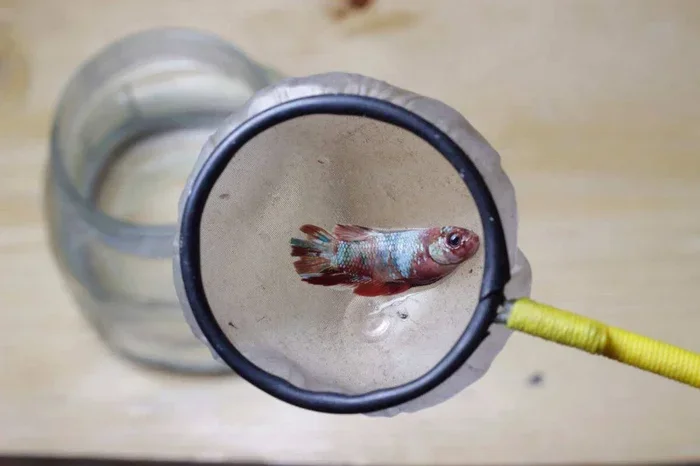
Noticing sudden stillness in your aquarium can be stressful, but knowing what to look for helps you act fast. This guide explains exactly how do you know if a betta fish is dead by checking for gill movement, body position, color changes, and response to gentle stimuli. We also cover common mistakes, quick recovery steps, and when to seek help. Read on to protect your fish and keep your tank healthy.
Key Takeaways
- Check for gill movement first: Even slow or faint breathing means your betta may still be alive.
- Observe body position: Healthy bettas rest on leaves or the bottom, while dead fish often float or lie rigidly.
- Look for color and texture changes: Pale, dull, or fuzzy patches can signal illness or decay.
- Test responsiveness gently: A light tap on the glass or food drop can reveal awareness without stress.
- Rule out sleep and shock: Bettas rest often, and sudden changes can make them appear lifeless temporarily.
- Act quickly if signs point to death: Remove the fish, check water quality, and monitor tank mates.
- Prevent future losses: Stable temperature, clean water, and proper tank size reduce stress and illness.
📑 Table of Contents
How Do You Know If A Betta Fish Is Dead Signs To Watch For
Finding your betta still and unresponsive can feel alarming. You may wonder if it is sleeping, resting, or truly gone. The good news is that a few simple checks can help you tell the difference. This article explains how do you know if a betta fish is dead by looking at breathing, posture, color, movement, and behavior. We will also share quick steps to confirm your observation and protect the rest of your tank.
Bettas are resilient, but they can hide illness until it becomes serious. That is why careful observation matters. A fish that looks lifeless may simply be resting on a leaf or taking a long nap. On the other hand, a fish that has stopped breathing and shows no reaction may have passed away. Learning the signs helps you respond calmly and correctly.
We will walk through each sign step by step. You will see what normal rest looks like, what danger signs appear, and how to avoid common mistakes. By the end, you will feel confident checking your fish and making the right choice for its care.
Breathing And Gill Movement
The fastest way to check life is to watch the gills. Even when a betta rests, its gills should move slowly. You may see a gentle rise and fall near the head. If the gills are completely still for several minutes, that is a strong warning sign.
Look closely from the side. Sometimes breathing is very faint, especially in cooler water or during deep rest. Give your fish a minute or two of quiet observation. If you still see no movement, gently check again. Patience matters here, because rushing can lead to a wrong conclusion.
Water quality affects breathing too. Poor conditions can make a betta breathe faster or slower than normal. If your fish has been struggling, you may notice gasping at the surface or slow, labored gill motion. These signs can mean stress or illness, not necessarily death. That is why you should combine this check with other observations.
Body Position And Floating
Healthy bettas often rest on plant leaves, caves, or the substrate. They may also hover quietly in one spot. A dead betta usually looks different. It may float belly up, lie stiffly on the bottom, or drift without control.
Floating alone does not always mean death. Some sick fish lose balance and tilt. Some resting fish sink slowly and settle. The key is to compare posture with movement. If the body stays rigid and the fins hang limp for a long time, that is more concerning.
Water temperature plays a role here as well. Cool water can slow a fish down and change how it rests. If your tank has been cold, your betta may look unusually still. Warming the water slowly and watching for movement can help you decide whether the fish is simply sluggish or truly gone.
Color, Scales, And Texture
A living betta usually shows clear color and smooth fins. A fish that has passed may fade, turn dull, or develop a pale look. Sometimes the body appears slightly stiff, and the fins may spread oddly or clump together.
Color change can also happen with illness. A stressed betta may lose vibrancy before other signs appear. That is why color alone is not enough to confirm death. Use it as one clue among several. If the color is fading and the gills are not moving, the situation is more serious.
Watch for unusual textures too. A fuzzy or patchy look can point to fungus or decay. Those issues need quick attention, whether the fish is alive or not. If you see decay, it is best to remove the fish carefully and clean the area to protect the rest of the tank.
Response To Gentle Stimuli
A simple response test can help you confirm what you are seeing. Drop a small piece of food near the fish. A living betta may turn, sniff, or move toward it. You can also lightly tap the glass once or twice, not to startle the fish, but to see if it reacts.
Keep the test gentle and brief. Bettas can be sensitive, and too much stimulation adds stress. If there is no response after a short wait, check the gills again. A fish that does not breathe and does not react is unlikely to be alive.
Remember that some fish ignore food when they are unwell. A lack of interest does not always mean death. Combine this test with breathing, posture, and color checks before you decide. That approach gives you a clearer picture and reduces mistakes.
Sleep, Rest, And Common Confusion
Bettas do rest, and they can look very still while doing it. They may settle on a leaf, tuck their fins, and barely move. This can fool new keepers into thinking the fish is gone. The difference is subtle but important. A resting betta usually shows slow gill movement and may wake when light changes or food appears.
Light and routine matter too. Bettas often become less active in dim light or at night. If you check the tank during a quiet period, you may see little motion. Wait a few minutes, adjust the light gently, and observe again. That simple pause can prevent a false conclusion.
Stress can also cause stillness. A betta that was startled, moved, or placed in a new tank may freeze for a while. If the fish resumes normal breathing and posture after a short time, it was likely resting or recovering from shock. Watching patterns over time helps you understand what is normal for your fish.
Quick Checklist To Confirm What You See
Use this short checklist before making a final decision. It keeps the process calm and clear.
- Watch the gills for one to two minutes. Look for any rise and fall.
- Check body position. Note whether the fish is floating, lying stiffly, or resting naturally.
- Look at color and fins. Notice fading, dullness, or unusual texture.
- Try a gentle food drop or light tap. See if the fish responds.
- Review recent behavior. Think about appetite, activity, and water conditions.
If most signs point to no breathing and no response, the fish has likely passed. If you are unsure, wait a few minutes and check again. A calm second look is better than acting too fast.
Common Mistakes When Checking For Death
Many keepers jump to conclusions too quickly. That is understandable, but it can lead to errors. One common mistake is assuming a still fish is dead without checking the gills. Another is mistaking sleep for death and disturbing the fish too much. Both can cause unnecessary stress.
Water conditions are another blind spot. A tank that is too cold, too dirty, or too acidic can make a betta act unusually. If you only look at the fish and ignore the environment, you may miss the real problem. Always check temperature, clarity, and recent changes in the tank.
Some people also handle a lifeless fish without care. If the fish is still alive, rough handling can harm it. If it has passed, moving it gently and cleaning the area helps the remaining fish. A careful approach protects everyone in the tank.
Quick Tips For Accurate Observation
- Use soft lighting so you can see gill movement without stressing the fish.
- Watch for at least a minute before deciding.
- Compare today’s behavior with your fish’s normal routine.
- Check the filter, heater, and water quality if the fish seems off.
- Keep a simple log of activity, appetite, and rest periods.
What To Do Next If Your Betta Has Passed
If you confirm that your betta is gone, handle the situation calmly. Remove the fish gently with a net or clean container. Place it in a safe spot for final care or disposal according to your preference. Then check the tank for any signs of stress or decay.
Next, test the water. Look at temperature, ammonia, nitrite, and nitrate levels if you can. A sudden loss can sometimes connect to poor water conditions, illness, or age. Understanding the cause helps you prevent another loss.
After that, watch the remaining tank mates. Some fish may nip at the area or show stress. Keep the environment stable, and consider a partial water change if the tank needs it. A clean, steady tank gives your other fish the best chance to stay healthy.
Preventing Future Losses
Good routine care reduces risk. Stable warmth, clean water, and enough space all support a betta’s health. A tank with gentle filtration, regular water changes, and places to rest can make a big difference. If you are unsure about setup needs, you may want to read more about whether bettas need space and how to choose a suitable home.
Feeding matters too. Overfeeding can cloud the water and stress the fish. Underfeeding can weaken it over time. Offer small portions, remove leftovers, and watch appetite changes. A steady feeding routine helps you notice problems early.
Observation is your best tool. Spend a few minutes each day watching your betta. Note activity, color, breathing, and rest spots. When you know what is normal, you will spot unusual signs faster and respond sooner.
Expert Insights And Key Takeaways
Experienced keepers often say the same thing: look at the whole picture. One sign alone rarely tells the full story. Breathing, posture, color, response, and environment together give you a clear answer. That is the safest way to judge whether a betta is alive or has passed.
It also helps to stay calm. Panic can lead to quick decisions that do not help. A steady check, a second look, and a simple checklist are usually enough. If you are ever unsure, wait and observe again before acting.
Finally, remember that care quality matters every day, not just during a crisis. A well-maintained tank, gentle handling, and regular observation give your betta the best chance to live a healthy life. Those habits also make difficult moments easier to understand and manage.
Key Takeaways
- Start with the gills. Slow breathing often means the fish is still alive.
- Check posture and floating. Rigid, uncontrolled positions are more concerning than natural rest.
- Use color and texture as clues. Fading or fuzzy patches can signal trouble.
- Test gently. A small food drop or light tap can reveal response without stress.
- Rule out sleep and shock. Stillness is not always death.
- Act carefully if death is likely. Remove the fish, check water, and monitor the tank.
- Build good habits. Stable water, proper space, and daily observation prevent many problems.
Conclusion
When you wonder how do you know if a betta fish is dead, the answer comes from careful observation, not guesswork. Watch the gills, check the body position, notice color and texture, and test response gently. Compare what you see with your fish’s normal behavior and the tank environment. That simple process helps you tell the difference between rest, illness, and loss.
If your betta has passed, handle the situation with care and then focus on the tank. Check water quality, stabilize conditions, and watch the remaining fish. If your betta is simply resting or stressed, you will have caught it early and given it a better chance to recover. Either way, calm observation is your strongest tool.
Keep building your daily care routine. A warm, clean, and spacious tank supports a healthier betta. Regular checks help you notice small changes before they become big problems. With patience and attention, you can give your fish the best possible care and feel more confident whenever concerns arise.
Frequently Asked Questions
How can I tell if my betta fish is sleeping or dead?
A sleeping betta usually shows slow gill movement and may wake when the light changes or food appears. A dead fish will not breathe and will stay completely still for an extended time. Watch closely for a minute or two before deciding.
Why is my betta fish floating upside down?
Floating upside down can happen with swim bladder issues, illness, or after death. If the fish is still breathing and responsive, it may be sick rather than gone. If there is no gill movement and no reaction, the fish may have passed.
Should I tap the tank to check if my betta is alive?
A very light tap on the glass can help you see a reaction, but keep it gentle and brief. Too much noise or vibration can stress the fish. Combine this with gill checks and a small food drop for a clearer answer.
What if my betta is still and pale but breathing slowly?
Slow breathing with pale color can mean stress, illness, or poor water conditions. The fish may still be alive, so keep observing and check the tank environment. Improve stability and water quality if needed, and watch for changes.
How long should I wait before concluding my betta is dead?
Wait long enough to see steady gill movement or a clear response, usually a few quiet minutes. If there is still no breathing or reaction after a careful second check, the fish is likely gone. Avoid rushing, but do not ignore strong warning signs.
What should I do if I am still unsure after checking?
Step back, lower stress, and observe again in a few minutes. Check the water temperature and clarity, and compare the fish’s behavior with its normal routine. If you remain uncertain, keep monitoring before making any final decision.