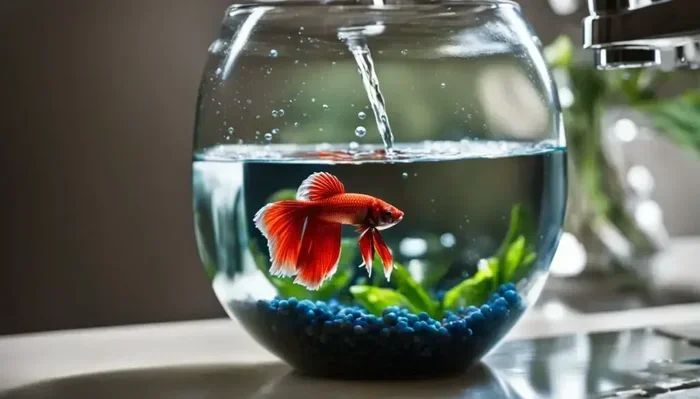
Can Freshwater Snail Live with a Betta Fish

Yes, a freshwater snail can live with a betta fish in the same tank, and it often works out beautifully. Snails are peaceful, low-maintenance tank mates that help clean algae and add life to your aquarium. However, success depends on choosing the right snail species, providing a properly sized tank, and monitoring your betta’s temperament.
Key Takeaways
- Compatibility is high: Most freshwater snails make excellent tank mates for betta fish because they are peaceful, slow-moving, and mind their own business.
- Choose the right species: Nerite snails, mystery snails, and Malaysian trumpet snails are among the best choices for a betta tank.
- Tank size matters: A minimum of 5 gallons is recommended when keeping a betta fish with a freshwater snail to ensure both have enough space.
- Betta temperament varies: Some bettas are calm and ignore snails completely, while others may nip at tentacles or shells, so careful observation is key.
- Snails provide real benefits: Freshwater snails eat algae, leftover food, and debris, helping keep the tank cleaner between water changes.
- Water parameters must align: Both bettas and freshwater snails thrive in similar warm, clean water conditions with a pH between 6.5 and 7.8.
- Watch for overpopulation: Some snail species reproduce rapidly, so managing their numbers is important to avoid overloading your tank’s bioload.
📑 Table of Contents
- Can a Freshwater Snail Live with a Betta Fish?
- Why Freshwater Snails Make Great Betta Tank Mates
- Best Freshwater Snail Species for a Betta Tank
- How to Set Up a Tank for a Betta and a Freshwater Snail
- Feeding Your Betta and Snail Together
- Potential Problems and How to Handle Them
- Signs That Your Betta and Snail Are Getting Along
- When to Consider a Different Tank Mate
- Conclusion
Can a Freshwater Snail Live with a Betta Fish?
If you have ever stared at your betta fish tank and thought it needed a little something extra, you are not alone. Many betta owners wonder whether a freshwater snail can live with a betta fish and make a good addition to their setup. The short answer is yes, in most cases, a freshwater snail and a betta fish can share a tank peacefully and even benefit each other.
Bettas are known for their bold personalities and striking colors. They are solitary fish that can be territorial, especially males. Snails, on the other hand, are slow, quiet, and spend most of their time gliding along surfaces and munching on algae. These two creatures occupy completely different niches in the tank, which is exactly why they tend to get along so well. But like any tank pairing, there are important things you need to know before dropping a snail into your betta’s home.
In this article, we will cover everything you need to understand about keeping a freshwater snail with a betta fish. From the best snail species to choose, to tank setup, feeding, potential problems, and frequently asked questions, you will have all the information you need to make the right decision for your aquarium.
Why Freshwater Snails Make Great Betta Tank Mates
They Occupy Different Spaces in the Tank
One of the biggest reasons a freshwater snail can live with a betta fish successfully is that they use different parts of the tank. Bettas are surface and mid-water dwellers. They love to swim near the top, explore plants, and claim their territory in the middle of the water column. Snails, however, stick to the glass, decorations, substrate, and plant leaves. They rarely cross paths in a way that would trigger aggression from your betta.
They Are Peaceful and Non-Threatening
Snails do not have fins that flare, they do not swim fast, and they certainly do not challenge a betta’s territory. This makes them one of the safest invertebrate companions you can choose. A betta is far less likely to see a snail as a threat compared to another fish with bright colors or flowing fins.
They Help Keep the Tank Clean
Here is a bonus that many new betta owners do not realize. Freshwater snails are natural cleaners. They graze on algae that builds up on glass, decorations, and plant leaves. They also eat leftover food that sinks to the bottom, which helps prevent ammonia spikes. While a snail should never replace regular water changes and tank maintenance, they certainly make your job easier. If you want to learn more about compatible cleanup crew members, check out our guide on whether a betta fish can live with an algae eater.
Best Freshwater Snail Species for a Betta Tank
Not all snails are created equal when it comes to living with a betta. Some species are hardier, more attractive, and better suited to the warm water conditions that bettas require. Here are the top choices that betta owners swear by.

Visual guide about Can Freshwater Snail Live with a Betta Fish
Image source: contents.pep.ph
Nerite Snails
Nerite snails are arguably the most popular freshwater snail for betta tanks. They are small, usually about half an inch to one inch in diameter, and they come in beautiful patterns like zebra stripes, tiger spots, and olive drab. They are incredible algae eaters and they do not reproduce in freshwater, which means you will never have a population explosion in your tank. Their hard shells also make them difficult for a betta to bother, even if your fish is a bit feisty.
Mystery Snails
Mystery snails are another fantastic option. They are larger than nerites, growing up to two inches, and they come in a variety of colors including gold, blue, purple, and ivory. They are active and fun to watch as they glide around the tank and occasionally shoot to the surface to breathe. Their larger size makes them less vulnerable to nippy bettas. Just keep in mind that mystery snails can lay eggs above the waterline, so you may need to manage their breeding if you do not want baby snails.
Malaysian Trumpet Snails
If you have a planted tank with a sand or gravel substrate, Malaysian trumpet snails are worth considering. They are small, cone-shaped snails that burrow into the substrate during the day and come out at night. This burrowing behavior helps aerate the substrate and prevents dangerous gas pockets from forming. They are very hardy and can tolerate a range of water conditions. The downside is that they reproduce quickly, so you may end up with more than you bargained for if you overfeed your tank.
Ramshorn Snails
Ramshorn snails are small, flat-coiled snails that come in red, brown, and spotted varieties. They are excellent algae eaters and scavengers. However, like Malaysian trumpet snails, they can reproduce rapidly in a well-fed tank. If you are okay with managing their population, they can be a useful and attractive addition to a betta setup.
How to Set Up a Tank for a Betta and a Freshwater Snail
Choose the Right Tank Size
The first step in making sure a freshwater snail can live with a betta fish comfortably is choosing an adequate tank size. While bettas can survive in smaller setups, adding a snail means you need a bit more space. A minimum of 5 gallons is recommended, though 10 gallons is even better. A larger tank gives your betta room to establish territory without feeling crowded, and it gives the snail plenty of surface area to graze on. For more ideas on what works well in a community setup, take a look at our article on which fish can live with betta fish in a tank.
Maintain Proper Water Conditions
Both bettas and freshwater snails prefer similar water parameters, which makes this pairing even more convenient. Here are the ideal conditions for a betta and snail shared tank:
- Temperature: 76 to 82 degrees Fahrenheit (24 to 28 degrees Celsius)
- pH level: 6.5 to 7.8
- Water hardness: Soft to moderately hard water is best, especially for snails that need calcium for shell health
- Ammonia and nitrite: Always at 0 ppm
- Nitrate: Below 20 ppm
Snails are sensitive to copper, which is sometimes found in fish medications. If you ever need to treat your betta for illness, make sure the treatment is snail-safe. Copper can be deadly to invertebrates even in small amounts.
Add Hiding Spots and Enrichment
Even though snails are not as shy as some fish, they still appreciate having places to retreat. Adding live plants, driftwood, rocks, and caves creates a more natural environment for both your betta and your snail. Live plants like java fern, anubias, and hornwort are excellent choices because they are easy to care for, provide cover, and give snails additional surfaces to graze on. If you are interested in learning more about maintaining a planted betta tank, check out our guide on how to clean a betta fish tank with live plants.
Use a Gentle Filter
Bettas prefer calm water with minimal current, and snails do not need strong filtration either. A sponge filter or a low-flow hang-on-back filter works perfectly. Strong currents can stress your betta and make it difficult for your snail to move around the tank comfortably.
Feeding Your Betta and Snail Together
What to Feed Your Betta
Bettas are carnivores and need a protein-rich diet. High-quality betta pellets should be the staple, supplemented with frozen or live foods like bloodworms, brine shrimp, and daphnia a few times a week. Feed your betta only what it can eat in about two minutes, once or twice a day. Overfeeding is one of the most common mistakes betta owners make, and it leads to poor water quality that affects both your fish and your snail.
What to Feed Your Snail
Most of the time, your snail will find plenty of food on its own. It will graze on algae, biofilm, and leftover food particles. However, in a very clean tank, there might not be enough natural food to sustain your snail. In that case, you can supplement with blanched vegetables like zucchini, cucumber, and spinach, or offer algae wafers. Place the food near the snail in the evening, as many snails are more active at night.
Avoid Overfeeding
This is crucial. Excess food that neither the betta nor the snail eats will decompose and pollute the water. This leads to ammonia spikes, algae blooms, and an overall unhealthy environment. Feed sparingly and remove any uneaten food after a few hours.
Potential Problems and How to Handle Them
Betta Aggression Toward the Snail
While most bettas will completely ignore a freshwater snail, some bettas have a more aggressive or curious personality. A betta might nip at a snail’s tentacles, flip it over, or repeatedly pester it. This behavior is more common with mystery snails because their longer eye stalks can look like worms or food to a curious betta. If you notice your betta harassing the snail, monitor the situation closely. In most cases, the betta loses interest after a few days. If the aggression continues, you may need to separate them or rehome the snail.
Snail Overpopulation
Some snail species, like Malaysian trumpet snails and ramshorn snails, can reproduce quickly in a well-maintained tank. If you start seeing tiny snails appearing everywhere, it is a sign that you are overfeeding or there is an abundance of algae and detritus. To control the population, reduce feeding, manually remove excess snails, and consider adding a species that does not reproduce in freshwater, like nerite snails.
Shell Health Issues
A snail’s shell is its protection, and poor water quality or a lack of calcium can cause the shell to erode, crack, or develop holes. If you notice your snail’s shell looking rough or pitted, test your water parameters and consider adding a calcium supplement, cuttlebone, or mineral blocks to the tank. Healthy water with adequate hardness goes a long way in keeping your snail’s shell strong.
Snail Escapes
Some snails, especially mystery snails, are known for climbing out of the tank. They can push up the lid and end up on your floor, which is dangerous for them. Always make sure your tank has a secure lid with no large gaps. If you find your snail out of the water, gently place it back in the tank as soon as possible. Snails can survive out of water for a short time, but they should not be left dry for long.
Signs That Your Betta and Snail Are Getting Along
So how do you know if the pairing is working? Here are some positive signs to look for:
- Your betta ignores the snail: This is the most common and ideal outcome. Your betta swims past the snail without flaring, chasing, or nipping.
- The snail is active: A healthy snail will move around the tank regularly, grazing on surfaces. If it stays closed up in its shell all the time, something may be wrong with the water or the betta may be stressing it.
- Both are eating well: If your betta is eating normally and the snail is finding food and moving around, the tank environment is working for both of them.
- No visible damage: Check your snail’s shell and body regularly. There should be no cracks, missing tentacles, or signs of physical harm from betta attacks.
- Clean tank surfaces: If you notice less algae buildup on the glass and decorations, your snail is doing its job as a natural cleaner.
When to Consider a Different Tank Mate
While a freshwater snail can live with a betta fish in most cases, there are situations where it might not work out. If your betta is extremely aggressive and constantly attacks the snail despite giving it time to adjust, it may be kinder to find the snail a different home. Similarly, if your tank is too small (under 5 gallons), adding a snail increases the bioload and can compromise water quality. In that case, upgrading your tank size should be your first priority before adding any tank mates.
If you are looking for other options beyond snails, you might want to explore whether betta fish can live with shrimp, as cherry shrimp and amano shrimp are another popular invertebrate choice for betta tanks.
Conclusion
So, can a freshwater snail live with a betta fish? Absolutely. In fact, it is one of the easiest and most rewarding tank mate combinations you can try. Snails are peaceful, helpful, and fascinating to watch. They complement a betta’s lifestyle without competing for space or triggering territorial behavior. By choosing the right snail species, maintaining a properly sized tank, keeping the water clean, and monitoring the relationship in the first few weeks, you can create a thriving little ecosystem that both your betta and your snail will enjoy.
Every betta has its own personality, so there are no guarantees. But the vast majority of betta owners who add a freshwater snail to their tank report a positive experience. If you have been on the fence about it, start with a nerite snail or a mystery snail and see how it goes. You might just find that a freshwater snail is the perfect companion for your betta fish.
Frequently Asked Questions
Can a freshwater snail live with a betta fish in a 5-gallon tank?
Yes, a 5-gallon tank is the minimum recommended size for keeping a betta fish with a freshwater snail. Make sure you perform regular water changes to keep the water quality high, as smaller tanks can accumulate waste more quickly.
Will my betta fish eat the snail?
Most bettas will not eat a freshwater snail, especially larger species with hard shells like mystery snails and nerite snails. However, some bettas may nip at a snail’s tentacles out of curiosity. This behavior usually stops once the betta realizes the snail is not food.
What is the best snail to keep with a betta fish?
Nerite snails are widely considered the best choice for betta tanks. They are excellent algae eaters, they do not reproduce in freshwater, and their hard shells protect them from curious bettas. Mystery snails are also a popular and colorful option.
Do snails make the tank dirtier for betta fish?
Snails do produce waste, but they also consume algae, leftover food, and debris, which helps keep the tank cleaner overall. As long as you are not overfeeding and you perform regular water changes, adding a snail should not negatively affect your tank’s cleanliness.
How many snails can I keep with one betta fish?
In a 5-gallon tank, one or two small snails like nerites is ideal. In a 10-gallon or larger tank, you can keep three to five snails depending on the species. Avoid overcrowding, as too many snails can increase the bioload and affect water quality.
Can baby snails survive in a betta fish tank?
It depends on the species. Nerite snails do not reproduce in freshwater, so you will not get baby nerites. Mystery snails and ramshorn snails can reproduce, but bettas may eat the tiny baby snails. If you want to avoid unexpected population growth, stick with nerite snails.