Can a Betta Fish Live with a Rainbow Shark
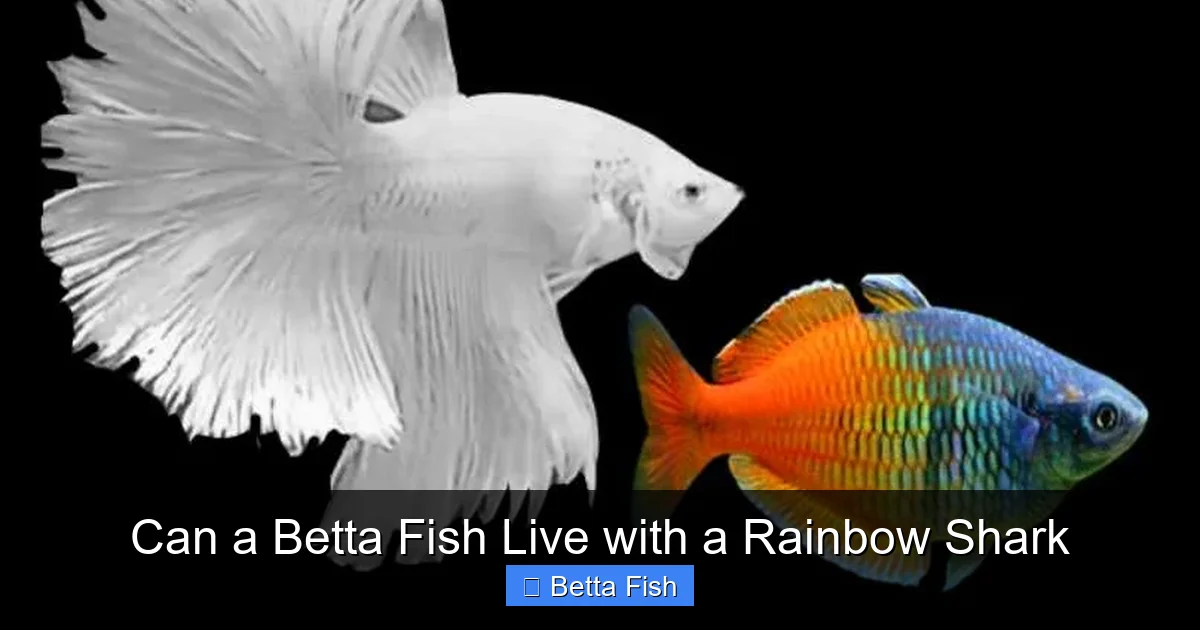
Betta fish and rainbow sharks can share a tank, but only under very specific conditions. Proper tank size, careful monitoring, and the right temperament are key to preventing stress and aggression.
Key Takeaways
- Tank size matters: A minimum of 30 gallons is recommended for a betta‑rainbow shark community.
- Temperament is critical: Choose a calm, adult betta and a young, non‑aggressive rainbow shark.
- Water parameters must match: Keep temperature between 76‑80°F and pH 6.5‑7.5.
- Provide plenty of hiding spots: Plants, caves, and driftwood reduce territorial fights.
- Monitor daily: Watch for fin nipping, stress signs, and adjust the setup quickly.
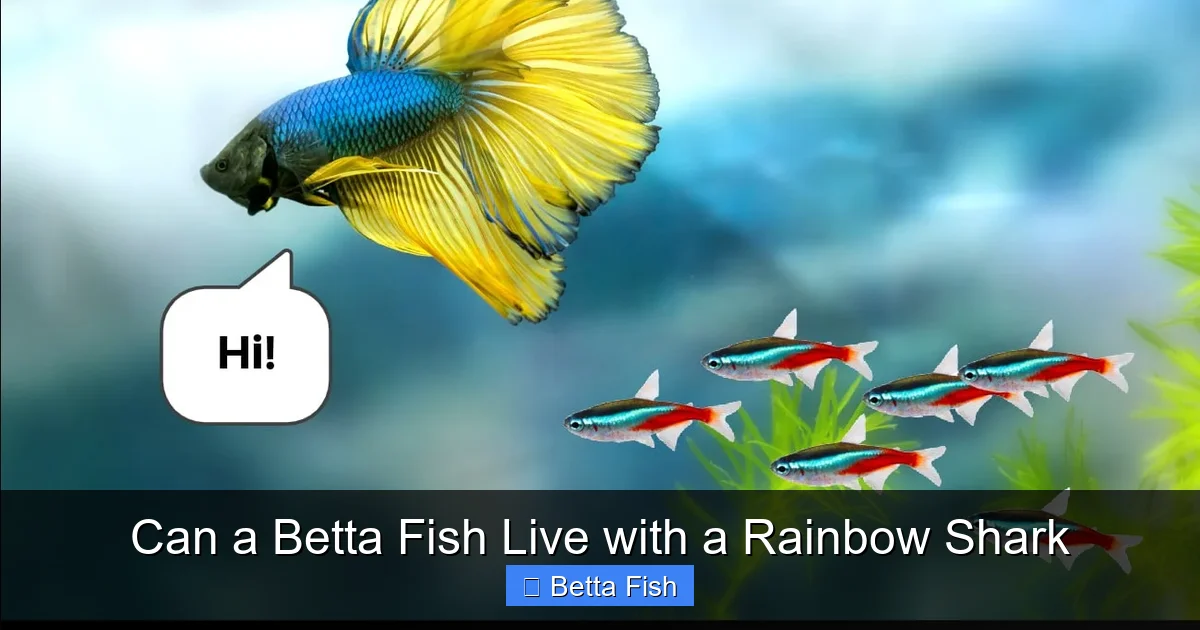
- Alternative companions: If compatibility is doubtful, consider peaceful community fish like neon tetras or rasboras.
- Start slow: Quarantine new fish and introduce them gradually to avoid shock.
📑 Table of Contents
- Introduction: Why the Question Pops Up
- Understanding the Two Species
- Do Their Water Requirements Match?
- Tank Size and Layout: Space Is the Real Peacekeeper
- Temperament Testing: The Crucial Compatibility Check
- Feeding Together: Who Gets the Food?
- Health Monitoring and Problem Solving
- Alternative Community Options
- Step‑by‑Step Guide to Introducing a Betta and a Rainbow Shark
- Conclusion: Is It Worth the Effort?
Introduction: Why the Question Pops Up
If you’ve ever watched a colorful betta flaring its fins next to the sleek, shark‑like silhouette of a rainbow shark, you might wonder if they could become tank mates. Both species are popular for their striking looks, but they come from very different worlds. Bettas (Betta splendens) are native to slow‑moving, warm waters of Thailand, while rainbow sharks (Epalzeorhynchos frenatum) hail from fast‑flowing streams in Southeast Asia.
That contrast makes the idea of housing them together both exciting and risky. In this article we’ll break down everything you need to know—water conditions, tank size, temperament, and practical steps—to answer the big question: Can a betta fish live with a rainbow shark? By the end, you’ll have a clear roadmap for a harmonious community or a confident decision to keep them apart.
Understanding the Two Species
Betta Fish: The Fighter with Flair
Bettas are famous for their vivid colors and elaborate finnage. Males are especially territorial and will defend a small area fiercely, especially against other males or fish with similar bright colors. They thrive in warm water (76‑82°F) with soft, slightly acidic to neutral pH (6.0‑7.5). Because they evolved in shallow, still habitats, they appreciate calm water and plenty of surface space.
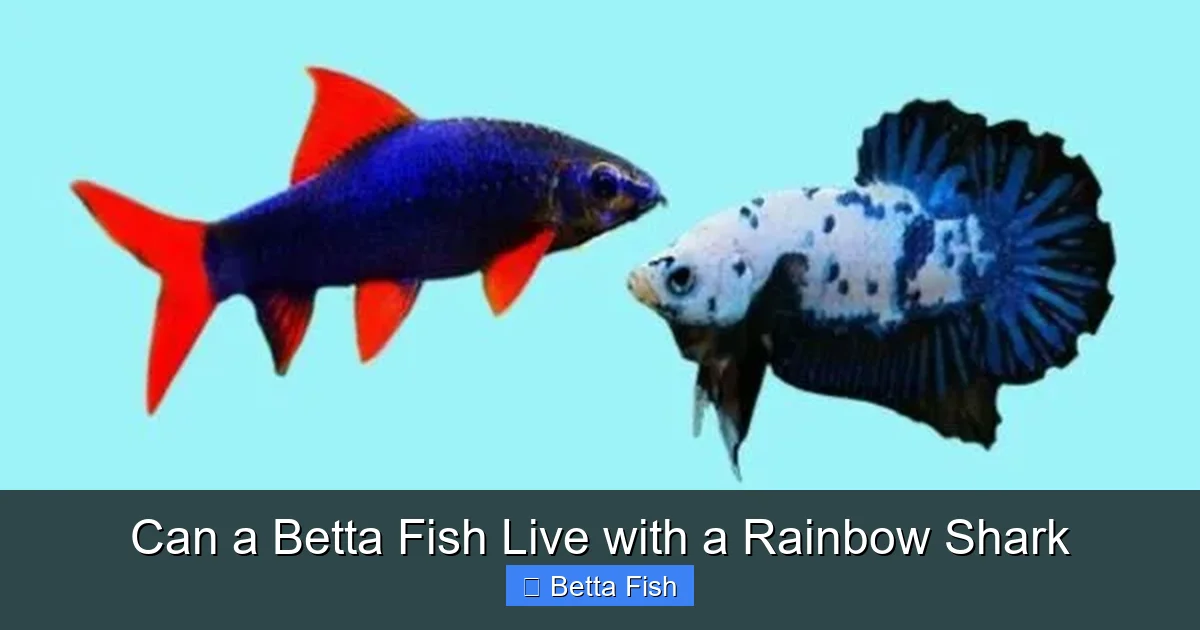
Visual guide about Can a Betta Fish Live with a Rainbow Shark
Image source: tinyfishtank.com
Rainbow Shark: The Bottom‑Dwelling Speedster
Rainbow sharks are active, bottom‑dwelling fish that love to graze on algae and leftover food. They need a larger space to swim—ideally a tank of 20 gallons or more for a single shark. Their preferred temperature overlaps with bettas (76‑80°F) but they prefer a slightly harder water (pH 7.0‑7.8). They are semi‑aggressive, especially toward other bottom dwellers, and will defend their territory if they feel cramped.
Do Their Water Requirements Match?
One of the first hurdles is water chemistry. Fortunately, both species enjoy a similar temperature range: 76‑80°F is a sweet spot for both. The pH overlap (6.5‑7.5) also works, though rainbow sharks can tolerate a bit harder water. The key is to keep the water stable:
Visual guide about Can a Betta Fish Live with a Rainbow Shark
Image source: aniimad.com
- Temperature: Use a reliable heater and a thermometer; keep fluctuations under 2°F.
- Filtration: A gentle, high‑flow filter is good for the shark’s swimming needs but should not create strong currents that stress the betta.
- Water changes: Perform 25‑30% weekly changes to maintain pristine conditions.
By targeting the middle of each range, you create a comfortable environment for both fish.
Tank Size and Layout: Space Is the Real Peacekeeper
Why Size Matters
A cramped tank is a recipe for aggression. Bettas need room to flare without feeling trapped, while rainbow sharks need open floor space to patrol. The consensus among hobbyists is a minimum of 30 gallons for a betta‑rainbow shark pairing. This provides roughly 15 gallons of swimming area per fish, plus extra room for decorations and plants.
Visual guide about Can a Betta Fish Live with a Rainbow Shark
Image source: buildyouraquarium.com
Designing a Stress‑Free Layout
Here are practical layout tips:
- Vertical separation: Use tall plants or driftwood to create a “middle zone” where the betta can claim surface territory while the shark stays near the bottom.
- Hiding spots: Add caves, PVC pipes, or dense leaf‑style plants (e.g., Java fern, Anubias) to give the betta places to retreat if the shark gets too close.
- Open substrate: A fine sand or smooth gravel layer lets the shark sift for food without disturbing the betta’s delicate fins.
- Flow control: Position the filter output on the side opposite the betta’s preferred resting spot to avoid constant currents.
Temperament Testing: The Crucial Compatibility Check
Even with perfect water and space, personality can make or break the pairing. Here’s how to assess:
- Choose a calm betta: Older, well‑socialized males that are not overly aggressive are better candidates. Female bettas are generally less territorial, but they can be shy.
- Select a young shark: Juvenile rainbow sharks are less likely to display dominant behavior than fully grown adults.
- Observe pre‑introduction behavior: Place the betta in a separate, but adjacent, tank with a clear divider. Watch for signs of stress—pale colors, clamped fins, or frantic swimming.
- Gradual introduction: After a week of visual contact, perform a “neutral zone” introduction in a bare‑bottom tank with no decorations. Keep a close eye for any nipping or chasing.
If aggression appears within the first 24‑48 hours, it’s safest to separate them permanently.
Feeding Together: Who Gets the Food?
Both fish are opportunistic eaters, but they have different preferences. Bettas love high‑protein pellets, frozen bloodworms, and brine shrimp. Rainbow sharks graze on algae wafers, sinking pellets, and vegetable matter.
To avoid competition:
- Feed betta pellets at the surface in the morning.
- Drop sinking algae wafers on the opposite side of the tank for the shark.
- Consider a second feeding later in the day to ensure both get enough nutrition.
This split feeding routine reduces the chance of the shark stealing the betta’s food and vice versa.
Health Monitoring and Problem Solving
Signs of Stress
Watch for these red flags:
- Betta: clamped fins, faded colors, loss of appetite.
- Rainbow shark: rapid breathing, hiding constantly, loss of the characteristic “shark” fin.
If either fish shows signs, increase water changes, add more hiding spots, and consider temporary separation.
Common Issues and Fixes
- Fin nipping: If the shark nips the betta’s fins, raise the temperature slightly (to 80°F) to reduce aggression and add more vertical barriers.
- Territorial chases: Rearrange décor to break line‑of‑sight, giving each fish its own “zone.”
- Illness spread: Quarantine any new fish for at least two weeks before introduction.
Alternative Community Options
If the betta‑rainbow shark combo feels too risky, consider other peaceful tank mates that share similar water parameters:
- Neon tetras (small, schooling, mid‑water).
- Harlequin rasboras (active, non‑aggressive).
- Otocinclus catfish (excellent algae eaters that stay low).
These species add movement and color without competing for the same space as either the betta or the shark.
Step‑by‑Step Guide to Introducing a Betta and a Rainbow Shark
- Prepare the tank: Set up a 30‑gallon aquarium with proper filtration, heater, and décor as described above.
- Cycle the water: Ensure ammonia and nitrite are zero; nitrate should be under 20 ppm.
- Quarantine both fish: Keep each in a separate hospital tank for 2‑3 weeks.
- Observe temperament: Look for calm behavior during quarantine.
- Side‑by‑side visual introduction: Use a clear divider for 5‑7 days.
- Neutral zone meeting: Place both in a bare tank for a short 15‑minute trial.
- Full tank integration: Gently release the shark first, then the betta, monitoring for 24 hours.
- Adjust feeding and décor: Follow the feeding plan and add any needed hiding spots.
- Regular checks: Daily observation for the first two weeks, then weekly health assessments.
Conclusion: Is It Worth the Effort?
In short, yes, a betta fish can live with a rainbow shark—but only when you meet the strict requirements of tank size, water stability, and careful temperament testing. The partnership works best for experienced hobbyists who can devote time to monitoring and tweaking the environment. If you’re new to fishkeeping or prefer a low‑maintenance setup, it may be wiser to choose more universally compatible tank mates.
Remember, the health and happiness of your fish come first. When in doubt, keep them apart and enjoy each species in its ideal setting.
Frequently Asked Questions
Can a betta fish and rainbow shark share the same tank?
Yes, but only in a spacious tank (30 gallons or larger) with plenty of hiding spots and careful monitoring of behavior.
What temperature should I keep for both fish?
Maintain a stable temperature between 76‑80°F, which satisfies the needs of both bettas and rainbow sharks.
Do I need a special filter for this combination?
Use a gentle, high‑flow filter that circulates water without creating strong currents that could stress the betta.
How long should I quarantine new fish before introducing them?
Quarantine each new fish for at least two weeks to prevent disease transmission and to observe temperament.
What are the signs of aggression I should watch for?
Look for fin nipping, chasing, faded colors, clamped fins, or a fish hiding constantly—these indicate stress or aggression.
Can I keep other community fish with a betta and rainbow shark?
Yes, peaceful mid‑water fish like neon tetras or rasboras can coexist if the tank remains large enough and provides sufficient cover.