While a healthy betta fish can technically survive 1-2 weeks without food, this is a severe stressor that causes rapid health decline. Their unique labyrinth organ allows for longer periods than many fish, but intentional fasting leads to a weakened immune system, organ damage, and a drastically shortened lifespan. Consistent, proper feeding is non-negotiable for their vibrant health and longevity.
You’re packing for a weekend trip, a sudden emergency calls you away, or you’re simply wondering about the limits of your aquatic companion. The question floats to the surface: how long does a betta fish live without food? It’s a common concern for every betta owner at some point. The answer isn’t as simple as a single number, and understanding the “why” behind the answer is crucial for being a responsible, caring pet parent. This guide will dive deep into betta biology, the brutal reality of starvation, and provide you with a fail-safe plan for feeding your Siamese fighting fish, ensuring they not just survive, but thrive with vibrant colors and active personalities for years.
First, let’s establish the baseline. The often-cited figure is that a healthy adult betta fish can survive without food for approximately 10 to 14 days. However, this number should set off alarm bells, not provide comfort. This is an extreme upper limit under perfect, low-stress conditions with a pristine tank. It represents a state of severe metabolic shutdown, not healthy living. The goal is never to test this limit. Your focus should be on understanding the damage that occurs during any period without food and establishing a feeding routine that promotes optimal health and a lifespan of 3-5 years, or even longer.
Key Takeaways
- Survival vs. Thriving: A betta may live 10-14 days without food, but this is pure survival; they are actively deteriorating during this time.
- Metabolic Reality: Bettas have a slow metabolism and a labyrinth organ for breathing air, which grants them more resilience than purely aquatic fish, but not invincibility.
- Severe Health Risks: Starvation causes muscle wasting, organ failure (especially fatty liver disease), and a compromised immune system, making them susceptible to disease.
- Proper Care is Key: A consistent schedule of 1-2 high-quality pellets daily, with occasional fasting days for digestion, is the gold standard for health.
- Vacations Require Planning: Never leave a betta unattended for more than 3 days without an automated feeder or trusted caretaker; “vacation feeders” are often unreliable.
- Myth Busting: The idea that bettas can “live off plant roots” is dangerously false; they are carnivores requiring animal protein.
- Emergency Protocol: If you find a betta that has been without food, reintroduce tiny, easily digestible meals (like daphnia) slowly over several days.
📑 Table of Contents
- Understanding the Betta Fish Metabolism: Built for Intermittency
- The Survival Timeline: What Happens Day by Day Without Food
- The Devastating Health Consequences of Starvation
- Proper Betta Feeding: The Golden Rules for Longevity
- Debunking Common Myths About Betta Survival
- Emergency Preparedness: Planning for the Unexpected
- Conclusion: The Commitment of a Betta
Understanding the Betta Fish Metabolism: Built for Intermittency
To grasp how a betta can go without food, we need to look at their unique biology. Bettas are anabantoids, meaning they possess a specialized respiratory organ called the labyrinth organ. This fleshy structure allows them to gulp air from the surface and extract oxygen, a trait evolved from their native shallow, stagnant, and often oxygen-poor waters in Southeast Asia. This adaptation gives them a significant edge over purely gill-breathing fish when it comes to enduring periods where dissolved oxygen in the water is low or when they are weak.
A Slow and Efficient Engine
Beyond their ability to breathe air, bettas have a relatively slow metabolism compared to many active, schooling fish. In the wild, their meals are sporadic—a mosquito larva here, a small crustacean there. They are built to process a meal efficiently and then enter a period of digestion and conservation. This efficient metabolism is why they can go a day or two without food without immediate crisis. Their bodies are adept at conserving energy. However, this same efficiency becomes a liability during prolonged starvation; their body begins to catabolize its own muscle and vital tissues for energy.
The Critical Role of Temperature
Metabolism is directly tied to water temperature. A betta in water at 78°F (25.5°C) will burn energy much faster than one in 72°F (22°C). This means the “how long” question has a critical variable: temperature. In a warmer tank, a starving betta’s reserves will deplete faster, organ stress will accelerate, and the 10-14 day window could shrink to 7-10 days with more severe damage. In a cooler tank (within their safe range of 76-80°F), their metabolic rate slows, potentially stretching the survival time, but at the cost of further suppressing an already weakened immune system. Temperature control is a cornerstone of betta care for this exact reason.
The Survival Timeline: What Happens Day by Day Without Food
Let’s walk through the physiological timeline of a betta deprived of food. This isn’t a recommendation but a medical breakdown of a distressing process.
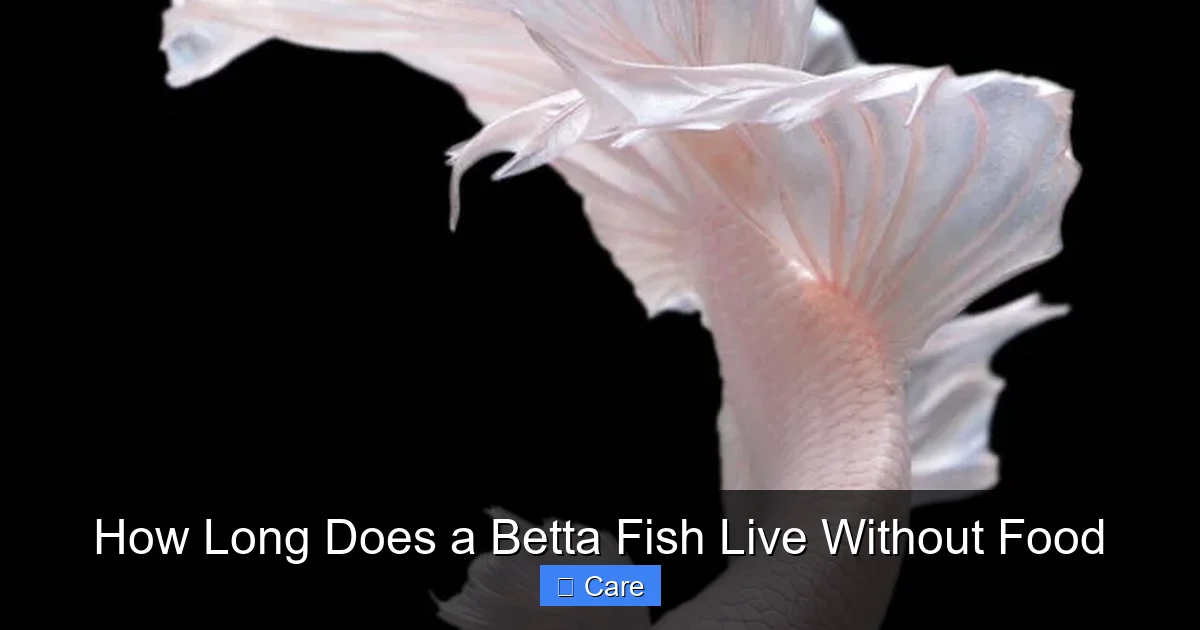
Visual guide about How Long Does a Betta Fish Live Without Food
Image source: afewgoodpets.com
Days 1-3: The Initial Phase
During the first 24-72 hours without food, a healthy betta will likely show no obvious signs of distress. It will swim normally, perhaps with slightly less enthusiasm. Its body is utilizing the last of its readily available glycogen stores from its most recent meal. The fish is not yet hungry in a way that impacts function; it’s simply in a normal post-digestive state. This is the period where an owner might not even notice a missed feeding. The fish’s vibrant colors may remain, but its energy for displays (flaring, exploring) might begin to wane subtly.
Days 4-7: Onset of Critical Stress
This is where the situation turns from manageable to dangerous. Glycogen stores are exhausted. The fish’s body now turns to fat reserves and begins breaking down protein (muscle tissue) for energy through a process called gluconeogenesis. You may observe:
- Lethargy: The betta will spend most of its time resting at the bottom, often propped on a plant leaf or the substrate, only moving for essential air gulps.
- Loss of Appetite: Paradoxically, a starving fish may refuse food when offered because its digestive system has essentially shut down. Force-feeding is risky and should only be done with expert guidance.
- Clamped Fins: Fins may be held tightly against the body, a classic sign of stress and poor health.
- Faded Colors: The brilliant reds, blues, and greens will begin to dull as carotenoids and other pigments are not replenished and are diverted for more critical bodily functions.
Days 8-14: Organ Failure and Imminent Death
This stage is a medical emergency. The catabolism of muscle mass is severe. The fish is emaciated, with a visibly concave belly and a skeletal appearance. The most critical organ under attack is the liver. The liver, overwhelmed by processing fats from broken-down tissue, begins to fail—a condition known as hepatic lipidosis or fatty liver disease. The immune system is virtually nonexistent. Any dormant parasite (like internal worms) or opportunistic bacteria (like Aeromonas or Pseudomonas) will now proliferate unchecked, leading to septicemia (internal infection). Death at this point is from a combination of systemic organ failure, starvation, and overwhelming infection. The “survival” to day 14 is a slow, painful death spiral.
The Devastating Health Consequences of Starvation
Even if a betta is rescued before day 10, the damage from even a week without food can be long-lasting and irreversible. It’s not just about getting thin.
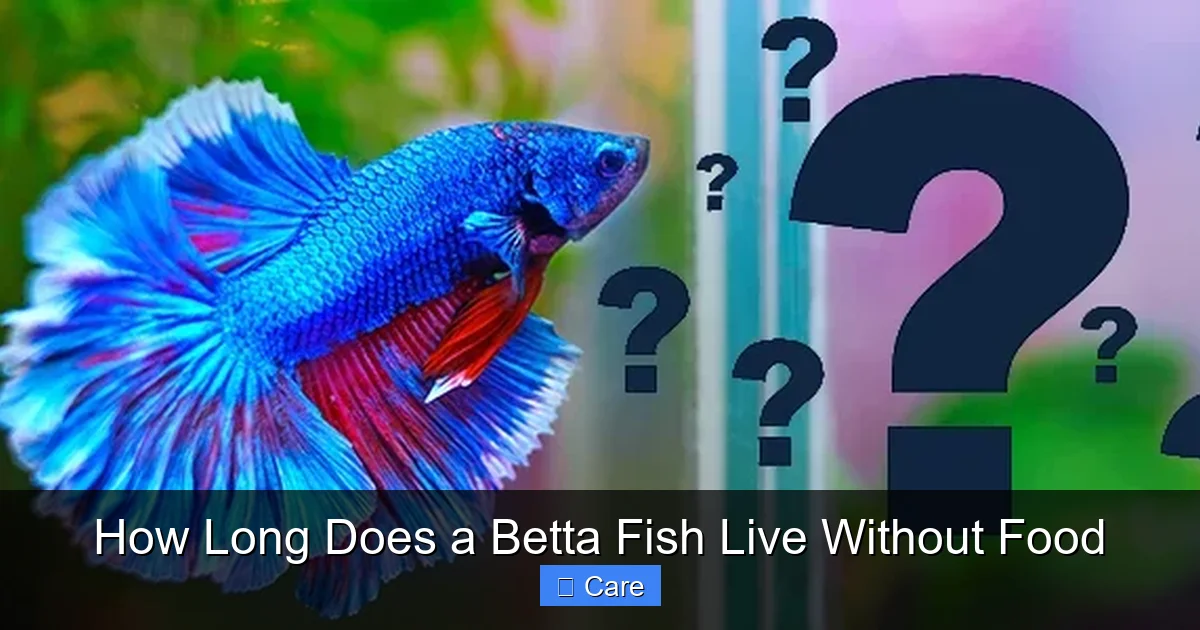
Visual guide about How Long Does a Betta Fish Live Without Food
Image source: fishtanksetups.com
Fatty Liver Disease (Hepatic Lipidosis)
This is the primary killer in prolonged starvation. When the body breaks down fat for energy, these fats flood the liver. The liver cells become engorged with fat, losing their ability to function. This impairs detoxification, protein synthesis, and metabolism. Once the liver reaches a certain level of damage, recovery is unlikely, even with refeeding. Symptoms include a swollen, pale abdomen and extreme lethargy.
Compromised Immune System
Nutrition is the foundation of the immune system. Without vitamins (especially C and E), minerals (like zinc), and protein for antibody production, the betta’s defenses collapse. It becomes a sitting duck for common diseases:
- Fin Rot: Bacterial infection causing frayed, rotting fin edges.
- Columnaris: A bacterial infection causing cotton-like growths, ulcers, and lethargy.
- Velvet (Oodinium): A parasitic infection that looks like gold dust on the body.
- Internal Parasites: Such as Hexamita or Capillaria, which cause wasting and digestive issues.
A betta recovering from starvation will require not just food, but potentially a full course of antibiotic or antiparasitic treatment due to these secondary infections.
Muscle Atrophy and Physical Weakness
The fish’s body will consume its own muscle tissue for fuel. This leads to profound weakness. The betta can no longer swim strongly, maintain its balance, or flare properly. Its fins become ragged and torn from inability to keep them taut. This muscle loss is difficult to reverse fully, and the fish may never regain its former vigor or flowing finnage.
Proper Betta Feeding: The Golden Rules for Longevity
So, if going without food is so terrible, what is the correct way to feed a betta? The answer is consistency, quality, and moderation.
Quantity and Frequency: Less is More
The most common mistake new betta owners make is overfeeding. A betta’s stomach is roughly the size of its eye. The rule of thumb is to feed an amount equal to the size of its eye, once or twice a day. For high-quality pellets, this is typically 2-4 pellets per feeding. Overfeeding leads to constipation, swim bladder disorder, and pollutes the water with uneaten food, which decays into toxic ammonia and nitrite. It is better to slightly underfeed than overfeed. A good practice is to implement a 24-hour fast once a week. This gives the digestive system a complete rest and can actually improve health and regularity, mimicking their natural sporadic feeding pattern.
Quality of Food: Carnivore First
Bettas are obligate carnivores. Their long, downward-facing mouths are designed for picking meaty foods off the water’s surface. A diet of cheap, plant-based fillers (like some generic tropical fish flakes) is inadequate and will lead to digestive issues and malnutrition. The staple of their diet should be:
- High-Quality Pellets: Specifically formulated for bettas or carnivorous fish. Look for ingredients like whole fish, shrimp, krill, and squid as the first few items. Avoid those with potato, wheat, or soy as primary ingredients.
- Frozen or Live Foods: Offer 2-3 times a week as a treat and nutritional boost. Excellent options include bloodworms, daphnia (great for digestion), brine shrimp, and mysis shrimp. These provide essential proteins and fats.
Think of pellets as their balanced “meal” and frozen foods as their “steak dinner.”
The Importance of Water Quality in Nutrition
You can feed the perfect diet, but if the water is poor, the betta’s body will be under constant stress, impairing its ability to absorb nutrients. Uneaten food and fish waste break down into ammonia, which burns gills and poisons the fish. A well-cycled tank with a gentle filter (bettas dislike strong currents) and regular water changes (25-50% weekly) is absolutely essential for converting food into health, not disease.
Debunking Common Myths About Betta Survival
Misinformation about betta care is rampant. Let’s clear up the dangerous myths that stem from the question of how long they can live without food.
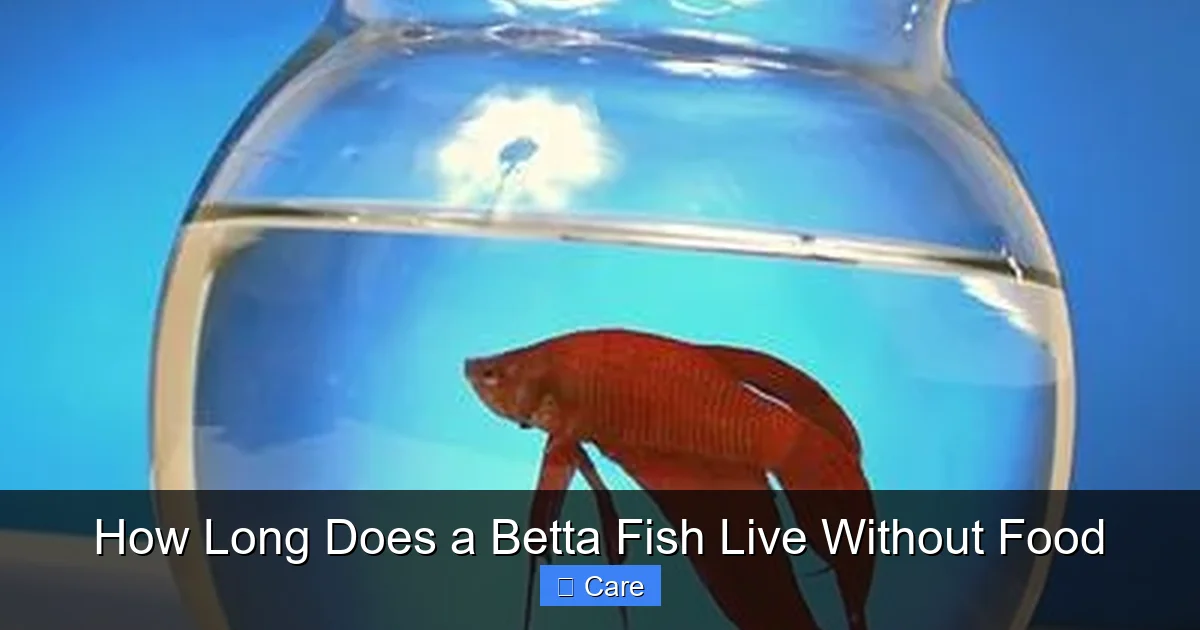
Visual guide about How Long Does a Betta Fish Live Without Food
Image source: infishtank.com
Myth 1: “Bettas Can Live Off Plant Roots”
This is the most dangerous and persistent myth. Bettas are not herbivores. They cannot digest plant matter efficiently and derive almost no usable nutrition from it. A “betta in a vase” with a plant rooted in the water is a sentence to a slow, malnourished death. The plant will die from the ammonia-laced water, and the betta will starve. Always provide a proper carnivorous diet.
Myth 2: “They Only Need to Eat Once a Week Because They’re Lazy”
Bettas are not lazy; they are energy-conservers by nature. However, this does not mean they only need weekly meals. This myth confuses their ability to *survive* with a proper *care regimen*. Weekly feeding leads to chronic malnutrition, weakened immunity, and a poor quality of life. Their slow metabolism means they process food slowly, which is why you feed small amounts daily or every other day, not large amounts infrequently.
Myth 3: “I Can Use a ‘Vacation Feeder’ Block for a Week”
Most block-style vacation feeders are a terrible idea for bettas. They are made of compressed food that dissolves slowly and clouds the water. A betta will often overeat from the block initially, causing bloating and constipation, and then the block will disintegrate, fouling the water. They are not a reliable or healthy solution for anything beyond 2-3 days. For vacations, an automatic feeder that dispenses a pre-measured pellet portion is the only safe bet.
Emergency Preparedness: Planning for the Unexpected
Life happens. Illness, travel, emergencies. A responsible betta owner has a plan.
The 3-Day Rule
As a general rule, a betta should never be left completely unattended without food for more than 3 days. This allows for a missed day or two without catastrophic effects, provided the water is pristine. Beyond 3 days, you must arrange care.
Your Action Plan
- For Weekends (2-3 days): Perform a large water change (50%) before you leave. Ensure the tank is clean, with no leftover food. The betta will be fine without food for this period. Have a friend check on the heater and filter to ensure they are functioning.
- For 4-7 Days: Invest in a reliable, battery-operated automatic feeder. Program it to dispense 1-2 pellets once a day. Test it thoroughly before you leave. Have a friend as a backup to check on the fish and the equipment.
- For Longer Periods (1+ weeks): You must have a trusted friend or family member who is willing to come over and perform a full water change (30-50%) and feed the correct amount. Provide them with clear, written instructions and demonstrate the process. Do not rely on “just adding more food” before you leave—this will poison the water.
Always leave your vet’s contact information and a neighbor’s number with your pet sitter.
Rescuing a Starved Betta: A Delicate Process
If you acquire a betta that has been neglected or find one in distress, do not immediately offer a large meal. Their digestive system is likely shut down. Start with:
- Clean, Warm Water: Move the fish to a hospital tank with clean, dechlorinated water at 80°F. No décor to stress it.
- First 24 Hours: No food. Allow it to rest and acclimate.
- Day 2: Offer a tiny amount of daphnia (frozen or live). Daphnia is gentle, acts as a natural laxative, and is easily digested. If eaten, offer a similarly tiny amount 12 hours later.
- Day 3 Onward: If daphnia is accepted, slowly introduce a single high-quality pellet, mashed slightly. Feed once a day for several days, monitoring for bloating.
- Ease Into Routine: Over 7-10 days, gradually increase to a normal feeding schedule of 2 small meals a day.
Patience is critical. Refeeding syndrome (where the body is overwhelmed by sudden nutrients) can be fatal if done too aggressively.
Conclusion: The Commitment of a Betta
The question “how long does a betta fish live without food” reveals a fundamental truth about pet ownership: it is a daily commitment. The biological answer—10 to 14 days—is a testament to their hardy nature, not a target to aim for. Those two weeks are a narrative of suffering, systemic breakdown, and a tragic end. Our responsibility as caregivers is to ensure our bettas experience none of that. By understanding their unique metabolism, committing to a consistent schedule of high-quality food in small portions, maintaining impeccable water quality, and planning for absences, we honor the resilience of these beautiful creatures. We move them from the brink of survival into a state of vibrant, flourishing life. A well-fed betta, in a clean tank, with stable parameters, is a joy to watch—a living jewel that rewards your diligence with years of colorful companionship. The goal isn’t to see how long they can go without. The goal is to provide such excellent care that the question of starvation never even crosses your mind.
Frequently Asked Questions
Can I fast my betta fish once a week for its health?
Yes, implementing a 24-hour fast once a week is a widely recommended practice for bettas. This gives their digestive system a complete rest, helps prevent constipation, and can mimic their natural sporadic feeding pattern in the wild, ultimately supporting better long-term health.
How can I tell if my betta is starving?
Signs of chronic underfeeding or starvation include a visibly concave or “shrunken” belly, lethargy and spending all day at the bottom, severe fading of color, clamped fins, and a lack of interest in food when offered (because its digestive system has shut down). A healthy betta is alert, active, and has a gently rounded abdomen.
What is the safest way to feed my betta while I’m on vacation?
The safest method is to use a reliable, battery-powered automatic feeder programmed to dispense 1-2 betta pellets once per day. For trips longer than 3 days, you must have a trusted person come over to perform a partial water change and manually feed the correct portion. Do not rely on vacation feeder blocks or simply adding extra food before you leave.
My betta has been without food for 5 days. What should I do?
Do not offer a large meal. Start with a tiny amount of daphnia (frozen, thawed) to gently stimulate digestion. Offer a single, small, high-quality pellet the next day, mashed slightly. Feed very sparingly for the first week to avoid bloating and constipation, then slowly return to a normal 1-2 pellet daily schedule.
Is it true that betta fish can breathe air and therefore need food less often?
While their labyrinth organ allows them to survive in low-oxygen water and contributes to their ability to endure periods without food, it does not change their fundamental nutritional needs as carnivores. The air-breathing adaptation aids survival during *any* stressor (including starvation) but does not negate the requirement for daily protein intake.
What is the most common mistake betta owners make regarding feeding?
The most common and dangerous mistake is overfeeding. Owners often feed too much, too often, leading to constipation, swim bladder disease, and severe water pollution from uneaten food. This poor water quality then causes additional health problems. Feeding an amount no larger than the betta’s eye, once or twice a day, is the correct practice.