Is a Betta Fish Hard to Take Care Of
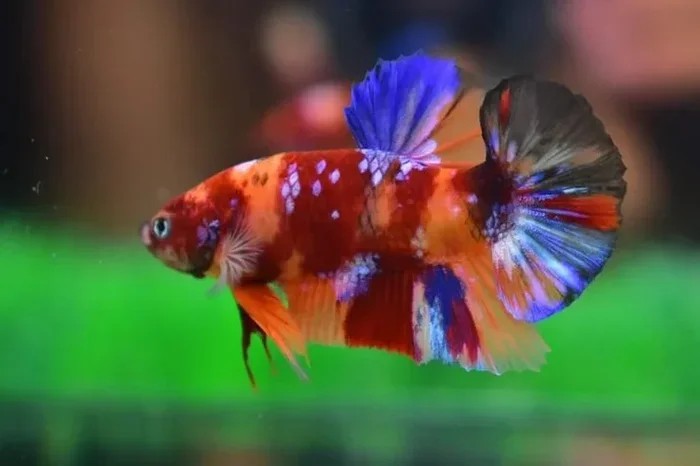
So, is a betta fish hard to take care of? The truth is, bettas are easier to care for than most people think. With the right betta fish care routine, a clean tank, and proper feeding, your betta can thrive for years. This guide breaks down everything you need to know in simple, step-by-step terms.
Many people wonder whether a betta fish is hard to take care of. The short answer is no. Bettas are actually one of the most beginner-friendly fish you can own. They’re colorful, active, and full of personality. But like any pet, they do need the right environment and a little attention. In this guide, we’ll walk through everything you need to know to keep your betta healthy and happy.
If you’re new to fish keeping, you might have heard scary stories about bettas being difficult. Some of that comes from bad advice or outdated care tips. The truth is, modern betta fish care is much simpler than people think. A small tank, clean water, and a regular feeding routine go a long way. Let’s dive into the details.
Key Takeaways
- Bettas are beginner-friendly: They don’t need a huge tank or complex equipment.
- Water quality matters most: Regular water changes keep your betta healthy and happy.
- Feeding is simple: A small amount of food once or twice a day is plenty.
- Watch for common mistakes: Overfeeding, dirty water, and tiny tanks cause most problems.
- Bettas can live 3 to 5 years: With proper care, your fish can have a long, healthy life.
- You don’t need a filter (but it helps): A gentle filter makes betta fish maintenance much easier.
📑 Table of Contents
Why Bettas Get a Bad Reputation
Betta fish often get labeled as “hard to care for.” But this reputation mostly comes from how they’re sold. Many pet stores keep bettas in tiny cups with no filtration. That’s not a good setup for any fish. When people buy a betta from those conditions and put it in a small bowl, the fish struggles. That’s not the betta’s fault — it’s the setup.
The real issue is that many beginners don’t know what a betta actually needs. Once you understand the basics of betta fish tank setup and water maintenance, things become much easier. Bettas are hardy fish. They can survive in less-than-ideal conditions, but they thrive when you give them what they need.
If you want a deeper look at why some people find bettas challenging, check out this article on why betta fish are so hard to take care of. It covers the common pitfalls new owners face.
Setting Up the Right Tank for Your Betta
How Big Should a Betta Tank Be?
A common myth is that bettas only need a tiny bowl. That couldn’t be further from the truth. A betta fish tank should be at least 5 gallons. A larger tank gives your fish more room to swim and helps keep the water stable. Smaller tanks fluctuate in temperature and chemistry faster, which stresses your fish.
Here’s a quick comparison of tank sizes:
- 1-2 gallons: Too small. Hard to maintain stable water conditions.
- 5 gallons: The minimum recommended size for a single betta.
- 10 gallons or more: Ideal. More room, easier to manage, and great for plants and decorations.
Your betta will be much happier in a tank that gives it space to explore. Bettas do like having places to hide and explore, so add some plants and caves. Live plants are especially great because they help filter the water naturally.
Do You Need a Filter?
You don’t absolutely need a filter, but it helps a lot. Filters keep the water clean by removing waste and toxins. Without a filter, you’ll need to do more frequent water changes. A gentle sponge filter works well for bettas because it doesn’t create too much current. Bettas are slow swimmers and don’t like strong flows.
For more on filtration options, see our guide on do betta fish have to be in a filtered tank.
Water Temperature and Quality
Bettas are tropical fish, so they need warm water. The ideal temperature is between 76°F and 82°F (24°C to 28°C). If the water gets too cold, your betta’s immune system weakens. A small aquarium heater is a must for any betta setup.
Water quality is just as important. Ammonia and nitrite levels should always be at zero. Nitrate should stay below 20 ppm. Testing your water regularly with a simple liquid test kit takes just a few minutes and saves you a lot of headaches.
For detailed water care tips, read our article on how to take care of betta fish water.
Feeding Your Betta Fish the Right Way
What Should You Feed a Betta?
Bettas are carnivores. They need a diet that’s high in protein. The best foods for bettas include:
- Betta pellets: These are specially formulated for bettas and provide balanced nutrition.
- Frozen or live foods: Bloodworms, brine shrimp, and daphnia are excellent treats.
- Betta flakes: Some bettas enjoy flakes, but pellets tend to be more nutritious.
Avoid feeding your betta human food or generic tropical flakes. These don’t meet a betta’s nutritional needs and can cause health problems over time.
How Often and How Much?
Feed your betta 2 to 3 pellets once or twice a day. That’s it. Overfeeding is one of the most common mistakes new betta owners make. Excess food rots in the tank and pollutes the water. A good rule of thumb is to feed only what your fish can eat in two minutes.
Some owners skip a day of feeding once a week. This can help with digestion and prevent constipation. It’s completely safe and actually beneficial for your betta’s health.
Common Feeding Mistakes
- Overfeeding: This leads to bloating, poor water quality, and a shorter lifespan.
- Inconsistent feeding: Try to feed at the same times each day.
- Too many treats: Live or frozen foods are great, but they should be treats, not the main diet.
Betta Fish Maintenance and Health
Water Changes: How Often?
Regular water changes are the backbone of betta fish maintenance. For a 5-gallon tank, do a 25% water change every week. For larger tanks, you can stretch to every two weeks. Always use a water conditioner to remove chlorine and chloramine from tap water before adding it to the tank.
When doing a water change, use a gravel vacuum to clean the substrate. This removes waste and leftover food that settles at the bottom. Keeping the tank clean prevents diseases and keeps your betta active and colorful.
Common Betta Fish Diseases
Even with the best care, bettas can sometimes get sick. Here are the most common issues:
- Fin rot: Frayed or discolored fins caused by bacteria. Usually fixed with improved water quality.
- Ich (white spot disease): Small white spots on the body and fins. Treatable with medication.
- Constipation: Caused by overfeeding. A day of fasting usually fixes this.
- Swim bladder disease: Difficulty swimming or floating sideways. Often diet-related.
The best way to prevent diseases is to keep the water clean and stable. A healthy environment is the best medicine for your betta. If you notice signs of illness, act quickly. Early treatment makes a big difference.
How to Tell if Your Betta Is Happy
A happy betta is easy to spot. Look for these signs:
- Bright, vibrant colors: A healthy betta has rich, vivid coloring.
- Active swimming: Your fish moves around the tank with energy and curiosity.
- Good appetite: A betta that eats eagerly is a healthy betta.
- Intact fins: Smooth, unbroken fins show good water quality and overall health.
- Bubble nest building: Males build bubble nests when they’re content and comfortable.
If your betta shows any of these signs, you’re doing a great job. Keep up the good work!
How Long Do Betta Fish Live?
With proper care, a betta fish can live between 3 and 5 years. Some well-cared-for bettas even reach 7 years. The key factors that influence lifespan include water quality, diet, tank size, and stress levels. Bettas that live in small bowls with dirty water typically don’t make it past their first year.
For more on this topic, check out our article on what is the lifespan of a betta fish. It covers everything you need to know about helping your betta live a long, healthy life.
One thing that really matters is reducing stress. Bettas get stressed by loud noises, tapping on the glass, and aggressive tank mates. Keep the tank in a quiet area and avoid sudden changes in lighting or temperature. A calm environment leads to a longer, happier life for your fish.
Common Mistakes Beginners Make
Even with the best intentions, new betta owners often make mistakes. Here are the ones to avoid:
Mistake 1: Keeping a Betta in a Tiny Bowl
A small bowl might look cute, but it’s terrible for your fish. The water quality drops fast in a tiny container, and your betta won’t have room to swim. A 5-gallon tank is the bare minimum.
Mistake 2: Skipping Water Changes
No matter how good your filter is, you need to do regular water changes. Waste builds up over time, and even the best filter can’t remove it all. Stick to a weekly schedule.
Mistake 3: Overfeeding
Bettas have small stomachs. A few pellets a day is enough. Extra food just rots and poisons the water.
Mistake 4: Using Tap Water Without Conditioners
Tap water contains chlorine and other chemicals that are harmful to fish. Always treat your water with a conditioner before adding it to the tank.
Mistake 5: Ignoring Water Temperature
Cold water slows a betta’s metabolism and makes it vulnerable to illness. Always use a heater and monitor the temperature.
Avoiding these five mistakes puts you ahead of most beginner betta owners. If you want more guidance on proper care routines, our article on how to properly take care of betta fish covers these topics in even more detail.
Are Betta Fish Easy to Take Care Of?
Let’s address the big question directly. Are betta fish easy to take care of? Yes, they are — as long as you understand their basic needs. Bettas don’t need a complicated setup or expensive equipment. A properly sized tank, a heater, a gentle filter, and a simple feeding routine is all it takes.
Compared to many other pets, bettas are relatively low maintenance. They don’t need daily walks or constant attention. A few minutes each day for feeding and a weekly water change is all the time you need to invest.
For a broader perspective on betta care difficulty, you might enjoy reading are betta fishes easy to take care of. It explores the topic from multiple angles and offers practical advice for new owners.
The bottom line is this: bettas are forgiving fish. They can tolerate minor mistakes better than many other species. But they still deserve proper care. When you give your betta a clean tank, good food, and stable water, you’ll be rewarded with a beautiful, lively companion that brings joy to your home every day.
If you’re just starting out or looking to improve your current setup, remember that every small step counts. You don’t have to get everything perfect overnight. Start with the basics, learn as you go, and your betta will thrive. For a complete beginner’s walkthrough, our article on how to take care of a betta fish is a great place to start.
Final Thoughts
So, is a betta fish hard to take care of? Not really. Bettas are resilient, beautiful, and surprisingly easy to keep happy. The key is to give them a clean tank, warm water, proper food, and a little attention. Once you build a simple routine, caring for your betta becomes second nature.
Start small, stay consistent, and enjoy the process. Your betta will thank you with vibrant colors, playful behavior, and years of companionship. Remember, every great fish keeper started exactly where you are now. You’ve got this.
Frequently Asked Questions
Is a betta fish hard to take care of for a beginner?
No, bettas are one of the easiest fish for beginners. They don’t need a large tank or complex equipment. A 5-gallon tank with a heater and gentle filter is all you need. Keep the water clean, feed them properly, and your betta will do well.
How often do I need to clean a betta fish tank?
For a 5-gallon tank, do a 25% water change every week. Use a gravel vacuum to clean the substrate and always treat new water with a conditioner. Larger tanks need less frequent changes, but weekly maintenance keeps your betta healthy.
Can a betta fish live in a bowl without a filter?
Bettas can survive in a bowl without a filter, but they thrive much better in a filtered tank. Without a filter, you’ll need to do more frequent water changes to keep the water clean. A small sponge filter is an affordable and easy addition that makes a big difference.
What is the best food for a betta fish?
High-quality betta pellets are the best staple food. You can supplement with frozen or live foods like bloodworms and brine shrimp as treats. Avoid overfeeding — a few pellets once or twice a day is plenty. A varied diet keeps your betta healthy and colorful.
How long do betta fish live with proper care?
With good care, bettas typically live 3 to 5 years. Some well-maintained bettas reach 7 years or more. The key factors are clean water, proper temperature, a balanced diet, and a stress-free environment. Consistent maintenance is the biggest factor in extending your betta’s lifespan.
Do betta fish need a heater?
Yes, bettas are tropical fish and need warm water between 76°F and 82°F. A small aquarium heater is essential for maintaining stable temperatures. Without a heater, room temperature fluctuations can stress your betta and weaken its immune system, leading to illness.