Can Betta Fish Sleep in Blue Light
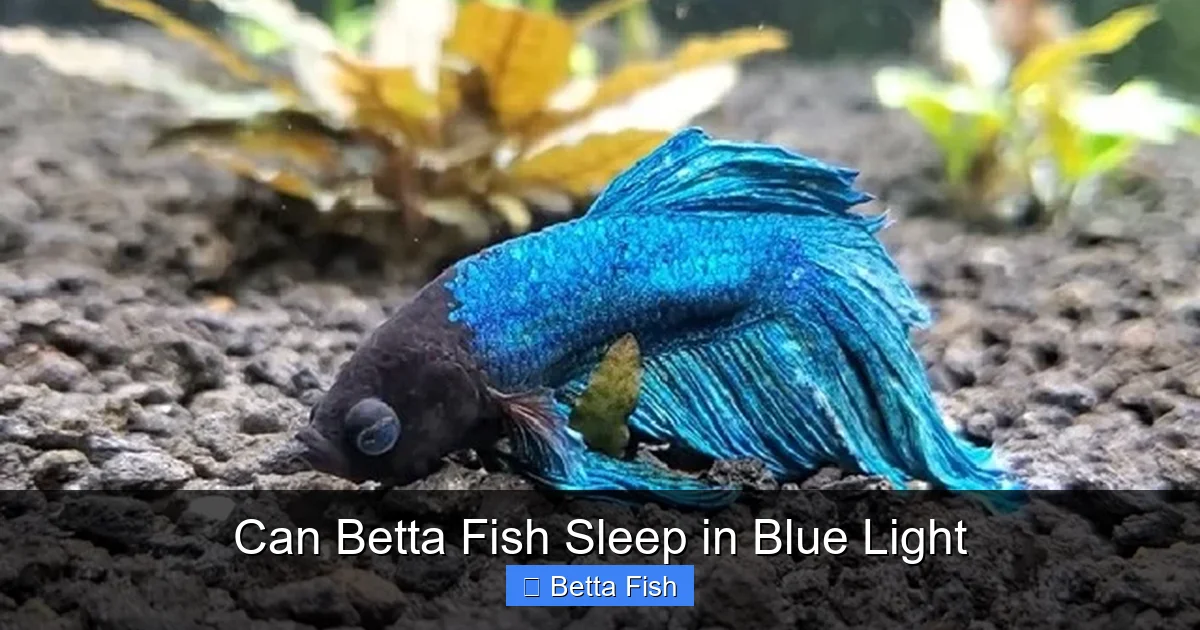
Betta fish need darkness to sleep properly, and blue light can disrupt their natural rest cycle. While brief exposure may not cause immediate harm, leaving blue light on at night prevents your betta from getting the quality sleep they need. Understanding how light affects your betta fish is essential for keeping them healthy, stress-free, and thriving in their tank.
Key Takeaways
- Betta fish need darkness to sleep: Like most living creatures, bettas require a period of complete darkness each night to maintain a healthy circadian rhythm and get proper rest.
- Blue light disrupts sleep cycles: Blue light mimics daylight and can trick your betta’s brain into thinking it’s still daytime, preventing them from entering a true sleep state.
- Chronic light exposure causes stress: Keeping blue light on at night can lead to chronic stress, weakened immunity, and behavioral changes in your betta fish.
- Bettas can see in low light: Betta fish have decent vision in dim conditions, but they still rely on a natural day-night cycle to regulate their sleep patterns.
- 8-12 hours of darkness is ideal: Experts recommend providing your betta with 8 to 12 hours of uninterrupted darkness each night for optimal health.
- Use timers for consistency: An automatic timer on your aquarium light ensures your betta gets a consistent light schedule, which reduces stress and promotes better sleep.
- Red or warm light is less disruptive: If you need nighttime visibility, dim red or warm-colored lights are less likely to disturb your betta’s sleep compared to blue light.
📑 Table of Contents
- Can Betta Fish Sleep in Blue Light? What Every Owner Needs to Know
- Understanding Betta Fish Sleep Patterns
- How Light Affects Betta Fish
- Why Blue Light Is a Problem for Betta Fish Sleep
- Best Lighting Practices for Betta Fish Tanks
- Signs Your Betta Isn’t Sleeping Well
- Creating the Perfect Sleep Environment for Your Betta
- Common Myths About Betta Fish and Light
- Frequently Asked Questions About Betta Fish Sleep and Blue Light
- Conclusion
Can Betta Fish Sleep in Blue Light? What Every Owner Needs to Know
If you’ve ever stared at your betta fish tank late at night, you might have wondered whether that soft blue glow is helping or hurting your little friend. Blue aquarium lights are popular because they look stunning. They make your betta’s colors pop and give the tank an almost magical appearance. But here’s the real question — can betta fish sleep in blue light, or is it quietly ruining their rest?
The short answer is no. Betta fish should not sleep in blue light. While it might look beautiful to you, that blue glow can seriously mess with your betta’s sleep cycle. Bettas are living creatures with biological clocks, just like us. They need a clear distinction between day and night to function properly. When blue light floods their tank at night, their brain gets confused. It thinks the sun is still up. And a betta that can’t sleep is a betta that’s slowly getting sick.
In this article, we’re going to break down everything you need to know about betta fish sleep, how light affects them, and what you should do to make sure your betta gets the rest they deserve. Whether you’re a first-time betta owner or someone who’s been keeping these fish for years, this guide will help you create the perfect environment for a happy, healthy betta.
Understanding Betta Fish Sleep Patterns
Do Betta Fish Actually Sleep?
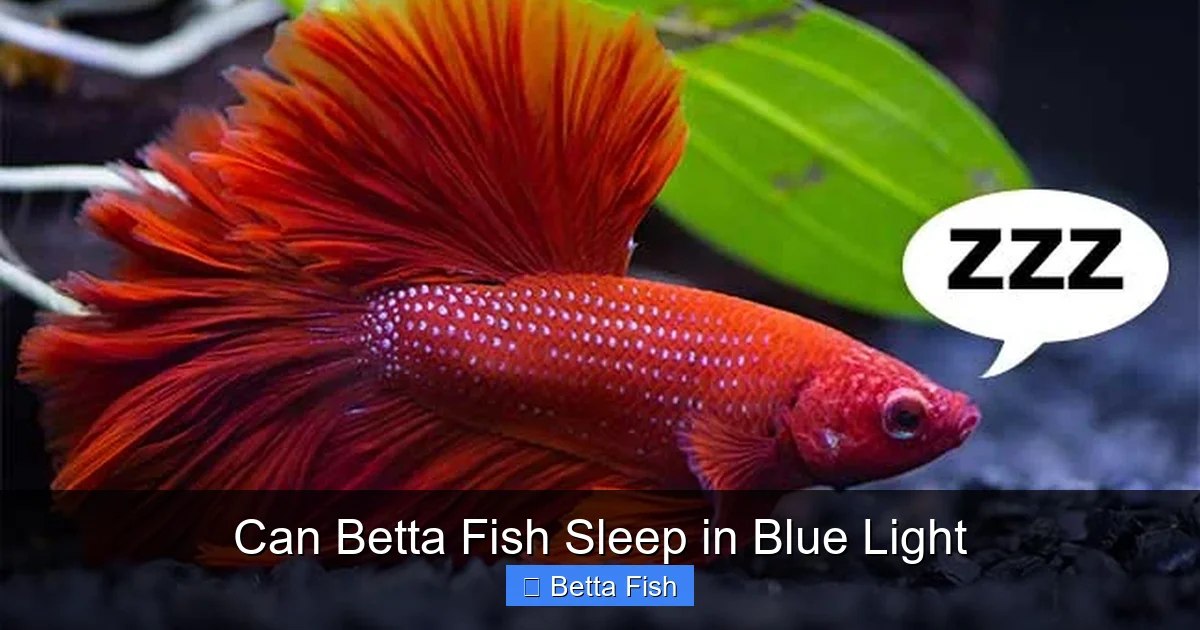
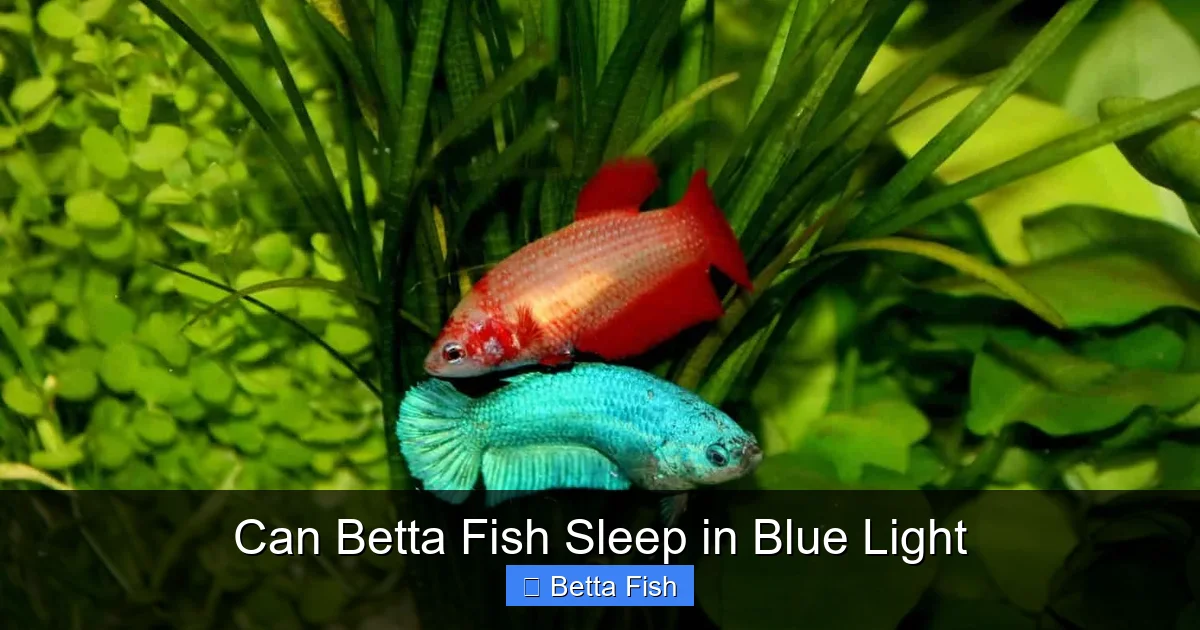
Yes, betta fish absolutely sleep. In fact, they need just as much rest as any other pet. When a betta sleeps, their metabolism slows down, their fins relax, and they become much less responsive to movement around them. You might notice your betta resting near the bottom of the tank, floating near the surface, or even tucked behind a plant or decoration. All of these are completely normal sleeping positions.
Visual guide about Can Betta Fish Sleep in Blue Light
Image source: fishlab.com
Some new betta owners panic when they see their fish lying on its side or hovering motionless. They think something is wrong. But in most cases, your betta is simply catching some z’s. Understanding how betta fish sleep can help you recognize the difference between normal rest and signs of illness.
How Much Sleep Do Bettas Need?
On average, betta fish need about 8 to 12 hours of sleep per day. This doesn’t have to be all at once. Bettas are known to take short naps throughout the day and then have a longer rest period at night. The key is that they need a consistent dark period to align with their natural circadian rhythm.
In the wild, bettas live in shallow rice paddies and slow-moving streams in Southeast Asia. These environments have a natural cycle of bright daylight and complete darkness at night. Your betta’s body is hardwired to expect this pattern. When you disrupt it with artificial light — especially blue light — you’re essentially giving your fish a case of permanent jet lag.
How Light Affects Betta Fish
The Science Behind Light and Fish Behavior
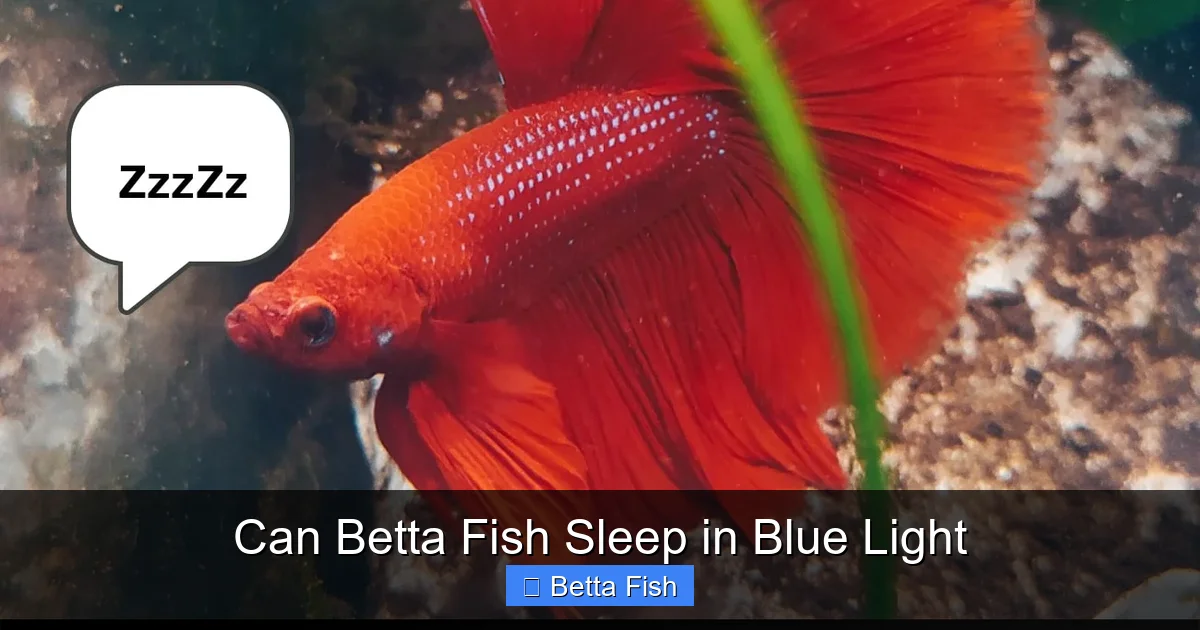
Light plays a massive role in how fish behave, eat, and rest. Fish have specialized cells in their eyes called photoreceptors that detect different wavelengths of light. Blue light, in particular, has a short wavelength and high energy. It closely resembles the light produced during midday sun. When your betta is exposed to blue light at night, these photoreceptors send signals to the brain that say, “Hey, it’s daytime. Stay awake.”
Visual guide about Can Betta Fish Sleep in Blue Light
Image source: buildyouraquarium.com
This is the same reason doctors tell people to avoid phone screens before bed. Blue light suppresses the production of melatonin, the hormone responsible for sleep. While fish don’t produce melatonin in exactly the same way humans do, the principle is similar. Blue light keeps their brain in an alert state, making it nearly impossible for them to fall into a deep, restorative sleep.
Can Betta Fish See Blue Light?
Absolutely. Betta fish have excellent color vision. They can see a wide range of colors, including blue. In fact, their vision is so good that they can distinguish between different shades and hues. This means that when you turn on a blue LED light in their tank at night, your betta doesn’t just see a faint glow. They see a bright, vivid light that tells their brain it’s time to be active.
This is very different from complete darkness or even dim red light. Betta fish can see in low-light conditions, but they still need darkness to trigger their sleep response. Blue light is simply too stimulating for nighttime use.
Why Blue Light Is a Problem for Betta Fish Sleep
It Disrupts Their Circadian Rhythm
Your betta’s circadian rhythm is like an internal clock. It tells their body when to be active, when to eat, and when to rest. This clock is primarily regulated by light and darkness. When you introduce blue light during what should be nighttime, you’re essentially resetting that clock. Over time, this confusion can lead to a host of problems.
Visual guide about Can Betta Fish Sleep in Blue Light
Image source: a-z-animals.com
A betta with a disrupted circadian rhythm may become lethargic during the day, lose interest in food, or become unusually aggressive. They might also develop a weakened immune system, making them more susceptible to diseases like fin rot or ich. It’s a slow decline that many owners don’t even notice until it’s too late.
It Causes Chronic Stress
Stress is the number one killer of betta fish in home aquariums. And one of the most overlooked sources of stress is improper lighting. When a betta can’t sleep properly, their body produces stress hormones. Over time, chronic stress takes a serious toll. You might notice your betta clamping its fins, hiding more than usual, or losing its vibrant color.
Think about how you feel after a few nights of bad sleep. You’re irritable, unfocused, and more likely to get sick. Your betta experiences something very similar. The difference is, they can’t tell you they’re tired. They just suffer in silence.
It Can Lead to Behavioral Changes
A sleep-deprived betta is an unpredictable betta. Some bettas become hyperactive and start glass surfing — that’s when they swim frantically up and down the sides of the tank. Others become withdrawn and stop interacting with their environment. In either case, these behavioral changes are a clear sign that something is off.
If your betta is acting strangely and you’ve ruled out water quality issues, take a look at your lighting schedule. Chances are, the blue light is the culprit.
Best Lighting Practices for Betta Fish Tanks
How Long Should the Light Be On?
The ideal lighting schedule for a betta fish tank is 8 to 10 hours of light followed by 14 to 16 hours of darkness. This mimics the natural day-night cycle your betta would experience in the wild. During the light period, a standard white aquarium light works perfectly. It provides enough illumination for your betta to see, explore, and eat without being overwhelming.
Visual guide about Can Betta Fish Sleep in Blue Light
Image source: petshun.com
The most important thing is consistency. Your betta thrives on routine. If the light comes on at 8 AM and goes off at 6 PM every single day, your betta’s internal clock will sync up beautifully. They’ll know when it’s time to be active and when it’s time to wind down.
Use an Automatic Timer
One of the best investments you can make for your betta’s health is a simple plug-in timer for your aquarium light. These are inexpensive, easy to set up, and take all the guesswork out of your lighting schedule. You just program the on and off times, and the timer does the rest.
This is especially helpful if you have a busy schedule or tend to forget to turn the light off at night. With a timer, you never have to worry about accidentally leaving the light on overnight. Your betta gets their darkness, and you get peace of mind.
What About Nighttime Viewing?
Let’s be honest. Sometimes you just want to look at your betta at night. And that’s totally fine. If you need some light in the room, try using a dim red or warm amber light instead of blue. These colors have longer wavelengths and are much less disruptive to your betta’s sleep cycle. Your betta is less likely to perceive red light as “daytime,” so they can still rest while you enjoy the view.
Another option is to use a very low-intensity moonlight setting if your LED fixture has one. Just make sure it’s truly dim — not a bright blue glow. The goal is to provide just enough light for you to see without disturbing your betta’s rest.
Signs Your Betta Isn’t Sleeping Well
Physical Signs of Sleep Deprivation
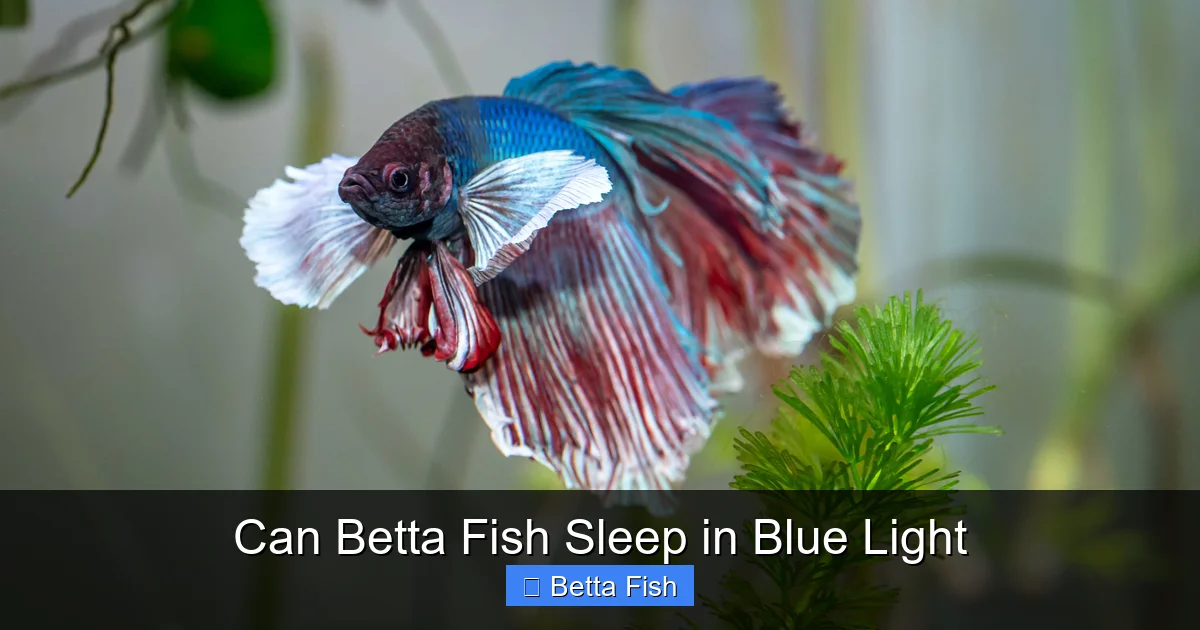
How do you know if your betta is getting enough sleep? There are several physical signs to watch for. A well-rested betta has vibrant, rich colors. If your betta’s colors are fading or looking dull, it could be a sign of sleep deprivation or stress. Clamped fins — where the fins are held tight against the body instead of flowing freely — are another red flag.
Visual guide about Can Betta Fish Sleep in Blue Light
Image source: worldanimalprotection.us
You might also notice your betta sleeping at unusual times during the day. While it’s normal for bettas to take short naps, excessive daytime sleeping often means they’re not getting quality rest at night. It’s like a person who can’t sleep at work but then sleeps all day on weekends. The schedule is broken.
Behavioral Signs to Watch For
Behavioral changes are often the first sign that something is wrong. A betta that isn’t sleeping well may become unusually aggressive, even by betta standards. They might flare at their own reflection more than usual or attack tank mates that they previously ignored.
On the flip side, some bettas become unusually lethargic. They might hover in one spot for hours, show no interest in food, or ignore toys and enrichment items they used to enjoy. If you notice any of these changes, it’s time to evaluate your lighting setup.
Creating the Perfect Sleep Environment for Your Betta
Provide Hiding Spots and Resting Places
Bettas feel safest when they have places to hide and rest. Adding live or silk plants, caves, and betta hammocks to your tank gives your fish a sense of security. A betta that feels safe is a betta that sleeps well. Avoid sharp or rough decorations that could tear your betta’s delicate fins.
Visual guide about Can Betta Fish Sleep in Blue Light
Image source: c8.alamy.com
Betta hammocks, in particular, are a favorite among betta owners. These small leaf-shaped accessories suction to the side of the tank near the surface, giving your betta a comfortable place to rest. Many bettas will use their hammock every single night as their designated sleeping spot.
Maintain Proper Water Conditions
Sleep quality isn’t just about light. Water conditions play a huge role too. Bettas are tropical fish that need warm, clean water to thrive. The ideal temperature for a betta tank is between 76°F and 82°F. Water that’s too cold can make your betta sluggish and disrupt their sleep cycle. Water that’s too warm can increase their metabolism and make it harder for them to rest.
Regular water changes and a good filtration system are essential. Poor water quality causes stress, and stress prevents good sleep. It’s a vicious cycle that’s easy to break once you get the basics right. If you’re keeping your betta in a smaller setup, you might want to read about whether bettas can live in a bowl without a filter to understand the trade-offs involved.
Keep the Tank in a Quiet Area
Where you place your betta’s tank matters more than you might think. Bettas are sensitive to vibrations and loud noises. A tank placed next to a TV, speaker, or high-traffic area can make it difficult for your betta to relax and fall asleep. Choose a calm, quiet spot in your home where the light and noise levels are consistent.
If your room gets a lot of ambient light from street lamps or electronics, consider using a tank cover or background to block out excess light during the night. Even small LED indicators on chargers or appliances can be enough to disturb a light-sensitive betta.
Common Myths About Betta Fish and Light
Myth: Bettas Don’t Need Darkness
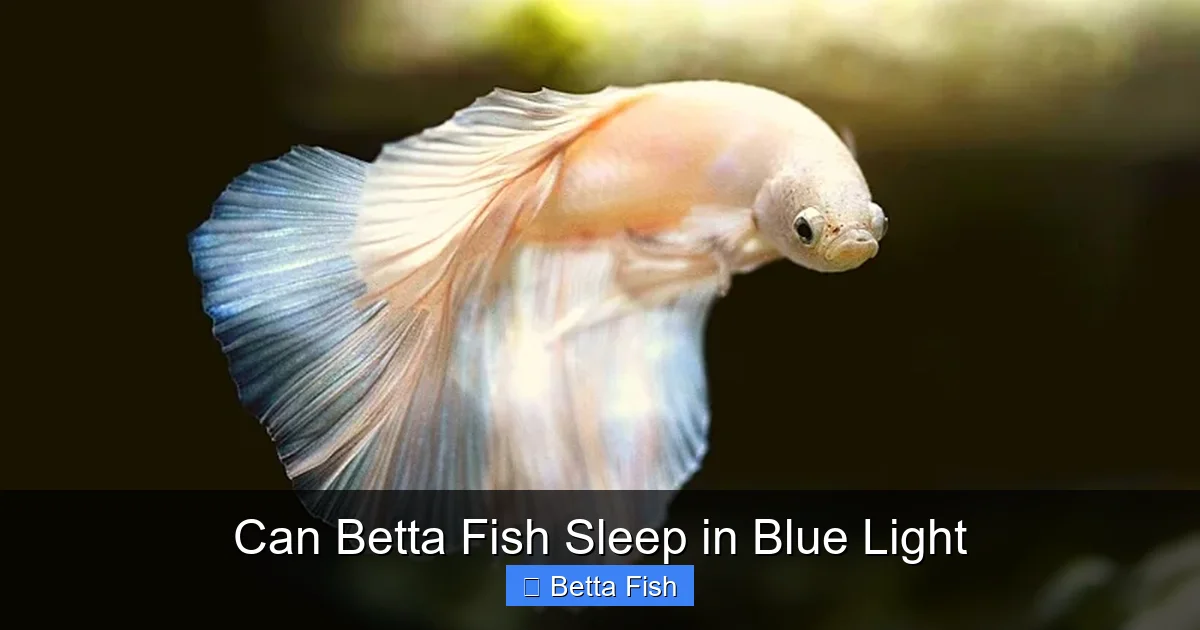
This is one of the most harmful myths in the betta-keeping community. Some people believe that because bettas are hardy fish, they can handle constant light. This is simply not true. While bettas are more resilient than many other tropical fish, they still have biological needs. Darkness is one of them. Denying your betta a proper dark period is like denying yourself sleep and expecting to function normally.
Visual guide about Can Betta Fish Sleep in Blue Light
Image source: infishtank.com
Myth: Blue Light Is Calming for Fish
Blue light might look calming to human eyes, but it doesn’t have the same effect on fish. In fact, blue light is one of the most stimulating colors for bettas. It mimics the bright midday sun and keeps their brain in an active state. If you want a calming nighttime atmosphere, stick with dim red or amber lighting, or simply turn the light off entirely.
Myth: Bettas Sleep with Their Eyes Open, So Light Doesn’t Matter
It’s true that bettas don’t have eyelids, so they sleep with their eyes open. But that doesn’t mean light doesn’t affect them. Even with their eyes open, a sleeping betta’s brain enters a restful state. Light — especially blue light — can prevent that state from happening. The fact that their eyes are open actually makes them more vulnerable to light disruption, not less.
Frequently Asked Questions About Betta Fish Sleep and Blue Light
Can I Use Blue Light During the Day?
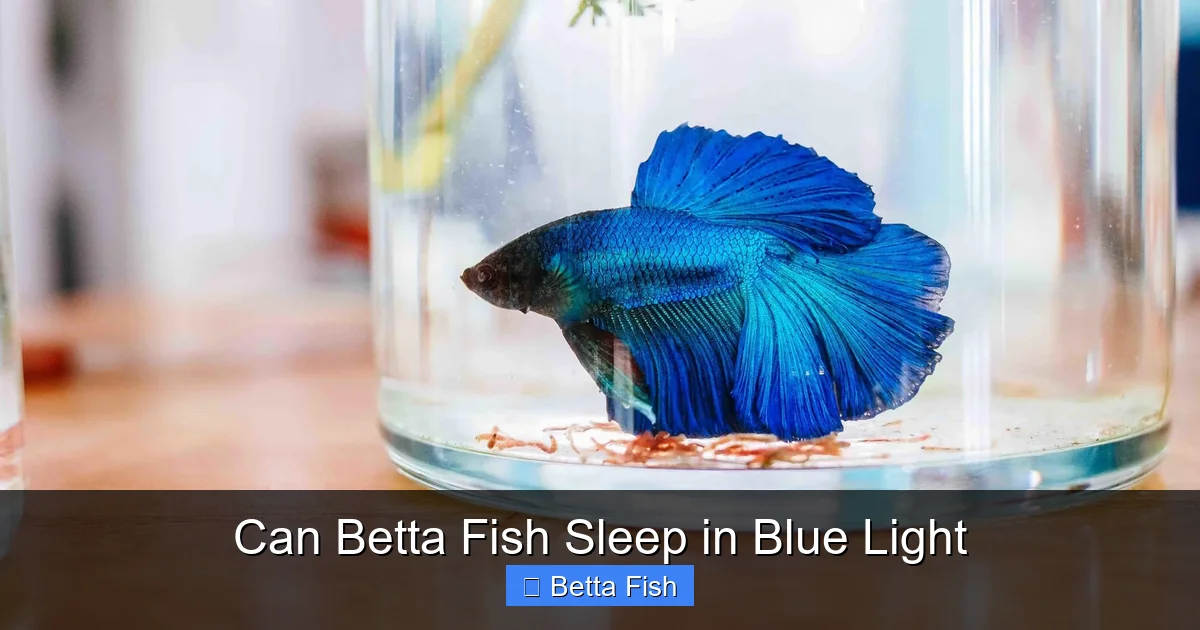
Yes, blue light is fine during the day as part of your regular lighting schedule. Many aquarium LED fixtures include blue LEDs alongside white ones to create a natural-looking daylight effect. The key is to make sure all lights — including blue ones — are turned off at night. A daytime period of 8 to 10 hours with a mix of white and blue light is perfectly acceptable.
Visual guide about Can Betta Fish Sleep in Blue Light
Image source: hepper.com
What Happens If I Accidentally Leave the Blue Light On All Night?
One night of accidental light exposure won’t cause permanent damage. Your betta might be a little more tired than usual the next day, but they’ll recover. The real danger comes from repeated, chronic exposure. If you leave the blue light on night after night, the cumulative effects on your betta’s health can be serious. Set a timer so it doesn’t happen again.
Do Bettas Need Complete Darkness or Just Dim Light?
Complete darkness is best. While dim light is better than bright light, even small amounts of light can interfere with your betta’s sleep quality. Aim for total darkness during their rest period. If you need a night light in the room, position it away from the tank or use a red bulb that won’t shine directly into the water.
Conclusion
So, can betta fish sleep in blue light? The answer is clear — they shouldn’t. Blue light might look gorgeous in your aquarium, but it’s one of the worst choices for your betta’s nighttime environment. It disrupts their circadian rhythm, causes chronic stress, and prevents them from getting the deep, restorative sleep they need to stay healthy.
Visual guide about Can Betta Fish Sleep in Blue Light
Image source: sintef.no
The good news is that fixing this problem is incredibly simple. Turn off the blue light at night. Use a timer to maintain a consistent schedule. Provide hiding spots and resting places. Keep the water clean and warm. And choose a quiet location for the tank. These small changes can make a world of difference for your betta’s health and happiness.
Your betta depends on you to create the right environment. They can’t flip a switch or close a curtain. But with a little knowledge and a few simple adjustments, you can give your betta the peaceful, dark nights they need to thrive. And a well-rested betta is a betta that will reward you with vibrant colors, playful behavior, and years of companionship.
Frequently Asked Questions
Can betta fish sleep with blue light on?
No, betta fish should not sleep with blue light on. Blue light mimics daylight and prevents your betta from entering a proper sleep state. Over time, this can lead to stress, weakened immunity, and behavioral problems.
What color light is best for betta fish at night?
The best option is complete darkness. If you need some light for viewing, use a very dim red or warm amber light, as these colors are less disruptive to your betta’s sleep cycle than blue or white light.
How many hours of darkness do betta fish need?
Betta fish need approximately 8 to 12 hours of darkness each night to maintain a healthy sleep cycle. A consistent schedule of 14 to 16 hours of darkness and 8 to 10 hours of light works well for most bettas.
Can blue light make my betta fish sick?
Chronic exposure to blue light at night can weaken your betta’s immune system due to sleep deprivation and stress. This makes them more vulnerable to common diseases like fin rot, ich, and fungal infections.
Do betta fish sleep at the bottom of the tank?
Yes, many bettas sleep at the bottom of the tank, on plant leaves, or even floating near the surface. These are all normal sleeping positions. However, if your betta is lying on the bottom and showing other signs of illness, it’s worth checking water parameters.
Should I turn off my aquarium light at night for my betta?
Yes, you should always turn off your aquarium light at night. Bettas need a period of darkness to sleep and maintain their natural circadian rhythm. Using an automatic timer is the easiest way to ensure a consistent light schedule.