Why Is Betta Fish Hiding

Betta fish often hide because of stress, water problems, or health issues. Understanding the reasons behind this behavior helps you act quickly, ensuring a safe, comfortable environment. Follow our practical tips to spot the cause and restore your betta’s confidence.
Key Takeaways
- Stress triggers hiding: sudden changes, aggressive tank mates, or improper lighting can make bettas seek shelter.
- Water quality is critical: high ammonia, incorrect temperature, or low pH will cause a betta to retreat.
- Health problems matter: parasites, fin rot, or swim bladder issues often manifest as hiding behavior.
- Tank setup influences confidence: plenty of hiding spots, proper tank size, and gentle flow encourage active swimming.
- Observation is key: regular checks for changes in appetite, coloration, and movement reveal early warning signs.
- Gradual adjustments work best: avoid sudden changes; introduce new décor or temperature shifts slowly.
- Seek expert help when needed: persistent hiding may require veterinary or specialist advice.
📑 Table of Contents
- Introduction: When Your Betta Starts to Hide
- 1. Stress – The Silent Hiding Trigger
- 2. Water Quality – The Foundation of Health
- 3. Health Problems – When Hiding Signals Illness
- 4. Tank Setup – Creating a Safe Hideaway
- 5. Feeding Habits – When Food Becomes a Stressor
- 6. Behavioral Changes – Normal vs. Alarming
- Practical Checklist: Fixing Hiding Behavior
- Conclusion: Helping Your Betta Feel Safe and Visible
Introduction: When Your Betta Starts to Hide
Imagine you’ve just set up a beautiful 5‑gallon aquarium, added some live plants, and watched your betta flaunt his brilliant fins. A few days later, he’s tucked himself behind a leaf and barely moves. It can feel confusing and a little scary. You might wonder, “why is betta fish hiding?” The good news is that most hiding episodes have clear explanations, and with a few adjustments you can bring back the bold, vibrant swimmer you fell in love with.
In this article we’ll walk through the most common reasons behind a shy betta, how to spot subtle warning signs, and step‑by‑step solutions you can apply today. Think of it as a friendly chat over a cup of tea, with plenty of practical tips you can try right now.
1. Stress – The Silent Hiding Trigger
What stress looks like in a betta
Betta fish are solitary by nature. When their environment feels unsafe, they instinctively hide. Stress can come from:

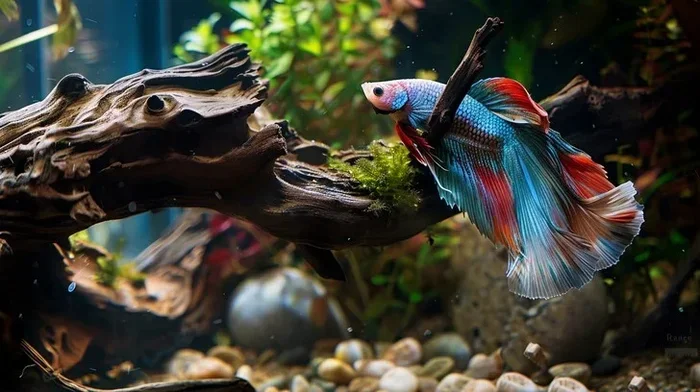
Visual guide about Why Is Betta Fish Hiding
Image source: xmgbuy.com
- Sudden temperature swings
- Loud noises or vibrations near the tank
- Bright, direct lighting
- Incompatible tank mates (even other peaceful species)
When stress hits, a betta may press his body against the glass, hide behind décor, or stay at the bottom of the tank.
How to reduce stress
Start by creating a calm routine:
- Keep the room temperature stable and avoid drafts.
- Use a gentle, dimmable LED light set on a 10‑hour cycle.
- Place the tank away from TVs, speakers, or high‑traffic areas.
- If you have other fish, ensure they are truly compatible; read more about what fish is compatible with a betta fish.
2. Water Quality – The Foundation of Health
Key water parameters
Betta fish thrive in water that is:

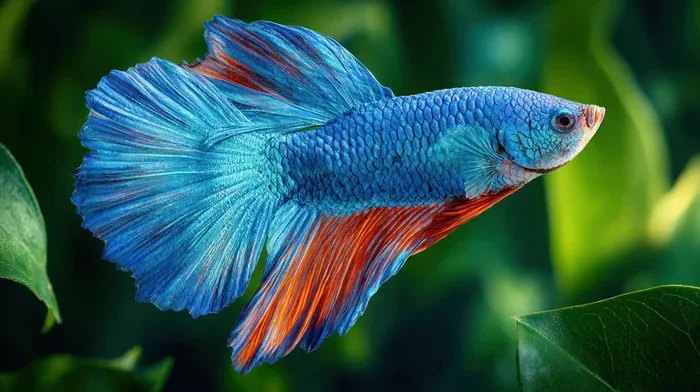
Visual guide about Why Is Betta Fish Hiding
Image source: assets.nst.com.my
- Temperature: 76‑82°F (24‑28°C)
- pH: 6.5‑7.5
- Ammonia & nitrite: 0 ppm
- Hardness: 3‑4 dGH
Even a small rise in ammonia can cause a betta to hide and stop eating.
Testing and fixing water issues
Invest in a reliable test kit and check the water weekly. If you notice elevated ammonia, perform a partial water change of 25‑30% with conditioned water. Also, make sure your filter is not creating a strong current; bettas prefer gentle flow.
For more on water problems, see our guide on why is my betta fish water cloudy.
3. Health Problems – When Hiding Signals Illness
Common ailments that cause hiding
Several health issues make a betta retreat:

Visual guide about Why Is Betta Fish Hiding
Image source: c-ssl.duitang.com
- Fin rot: ragged, discolored fins.
- Swim bladder disorder: difficulty staying upright.
- Parasites: white spots or fuzzy growths.
- Internal infections: loss of appetite and lethargy.
Spotting the signs
Look for these clues alongside hiding:
- Faded or blotchy coloration.
- Clamped fins (held close to the body).
- Frequent resting at the bottom or on the tank glass.
- Bubble nest not being built (or suddenly disappearing).
If you see any of these, isolate the fish in a hospital tank and consider a mild antibacterial treatment. For a deeper dive into health signs, read is my betta fish dying.
4. Tank Setup – Creating a Safe Hideaway
Choosing the right tank size and décor
While many think bettas can live in tiny bowls, a 5‑gallon minimum is ideal. A larger space reduces stress and gives room for natural behaviors.
Provide hiding spots such as:
- Live or silk plants (avoid sharp plastic leaves).
- Caves or PVC pipes with smooth edges.
- Floating logs or lily pads.
These structures let your betta feel secure while still being visible for you to admire.
Flow and filtration
Use a sponge filter or a low‑flow hang‑on‑back filter. Too strong a current will push a betta to the bottom, prompting hiding. Position the filter outlet to the side, not directly at the fish.
5. Feeding Habits – When Food Becomes a Stressor
Why a picky eater may hide
If your betta isn’t eating, he may hide to avoid competition or because the water smells off. Poor nutrition weakens his immune system, leading to more hiding.
Feeding tips
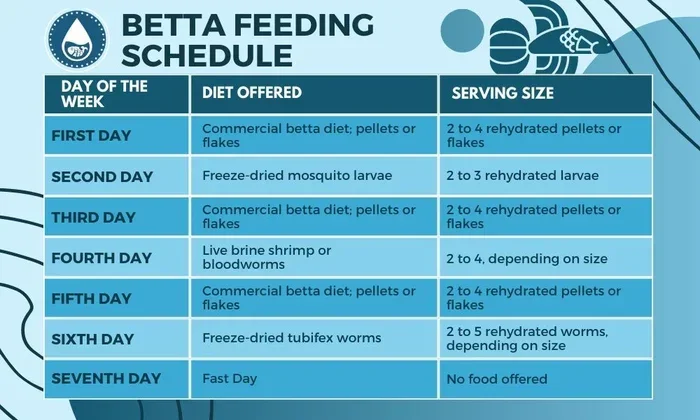
- Offer high‑quality betta pellets once or twice daily.
- Supplement with frozen or live foods like brine shrimp once a week.
- Remove uneaten food after 5 minutes to keep water clean.
For more on appetite issues, see why betta fish is not eating food.
6. Behavioral Changes – Normal vs. Alarming
When hiding is normal
Betta fry and shy adults often hide when first introduced to a new tank. This is a temporary adjustment period lasting a few days.
When to worry
If hiding persists for over a week, or if you notice additional symptoms (color loss, floating sideways, etc.), it’s time to investigate deeper causes. Compare with articles like why is my betta fish floating sideways for related symptoms.
Practical Checklist: Fixing Hiding Behavior
- Test water parameters and correct any out‑of‑range values.
- Ensure temperature stays within 76‑82°F.
- Add at least two hiding spots.
- Reduce tank lighting to 10‑hour cycles.
- Feed high‑quality diet and remove leftovers.
- Observe for signs of disease; treat if needed.
- Maintain a quiet, stable environment.
Conclusion: Helping Your Betta Feel Safe and Visible
Finding out why is betta fish hiding often leads back to the basics: clean water, a secure environment, and attentive care. By systematically checking water quality, reducing stressors, and watching for health signs, you can turn a shy, hidden betta into a vibrant, active showcase of color. Remember, patience and observation are your best tools. If you’ve tried the steps above and the hiding continues, don’t hesitate to seek professional advice. Your betta’s wellbeing is worth the extra effort, and with the right steps, you’ll soon enjoy his full, glorious display.
Frequently Asked Questions
Why is my betta fish hiding when I first set up the tank?
New tanks can be stressful due to unfamiliar surroundings, temperature changes, and water chemistry adjustments. Give the betta a few days to acclimate, and provide plenty of hiding places.
Can water temperature cause my betta to hide?
Yes. Betta fish prefer 76‑82°F. Temperatures below or above this range can make them sluggish and prone to hiding.
Is it normal for a betta to hide after feeding?
Occasionally a betta will retreat to digest food, but frequent hiding after meals may indicate poor water quality or that the food is unappealing.
What should I do if my betta hides and also shows white spots?
White spots may be a sign of Ich or a parasitic infection. Test the water, perform a quarantine treatment, and consider consulting a vet.
How long should I wait before seeking help for a hiding betta?
If the hiding persists for more than 7‑10 days, or if you notice additional symptoms like loss of color or abnormal swimming, seek professional advice.
Can adding more plants help a hiding betta?
Yes. Live or silk plants create natural cover and reduce stress, encouraging the betta to explore the tank more confidently.