Is a Betta Fish from Texas
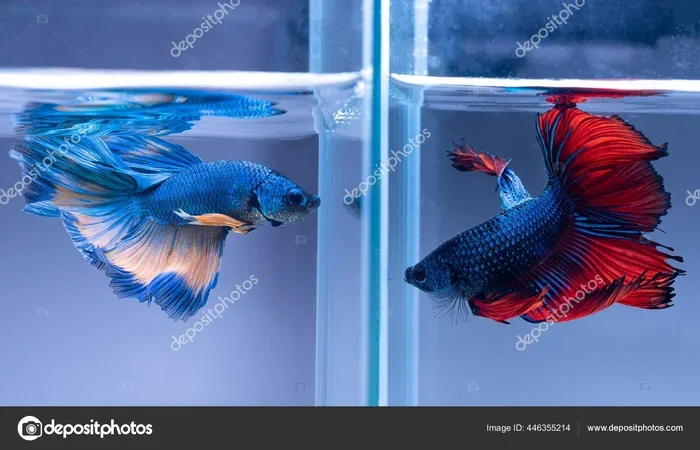
A betta fish is not from Texas. Betta fish originate from Southeast Asia, specifically countries like Thailand, Cambodia, and Vietnam. Many people wonder about the origin of betta fish because they are so popular in pet stores across the United States. Understanding where betta fish come from helps you provide better care and replicate their natural environment at home.
Have you ever walked into a pet store in Texas and picked up a beautiful betta fish, only to wonder, is a betta fish from Texas? It is a common question, especially since betta fish are sold in shops all across the Lone Star State. The short answer is no. Betta fish do not come from Texas. They come from a very different part of the world entirely.
Understanding where your fish comes from is more important than most people realize. The origin of a betta fish shapes everything from its care needs to its ideal tank setup. If you live in Texas or are planning to keep a betta fish there, knowing its true roots will help you give it the best life possible. Let us dive into the fascinating story of where betta fish really come from and what that means for you as a fish owner.
Key Takeaways
- Betta fish are not native to Texas: They come from Southeast Asia, particularly Thailand and surrounding regions.
- Their natural habitat is warm, shallow water: Rice paddies, canals, and slow-moving streams in tropical climates.
- Texas climate can work for bettas: Indoor tank conditions matter more than outdoor geography.
- Proper tank setup is essential: Temperature, filtration, and tank size all play a role in betta health.
- Betta fish are tropical fish: They need consistent warmth and clean water to thrive.
- Knowing their origin helps with care: Mimicking their natural environment leads to a happier, healthier fish.
📑 Table of Contents
Where Do Betta Fish Actually Come From?
Betta fish are native to Southeast Asia. They are found in countries like Thailand, Cambodia, Vietnam, Malaysia, and parts of Indonesia. In Thailand, betta fish are even considered a national symbol. The scientific name for the common betta fish is Betta splendens, and it has been bred and cherished for centuries in this region.
People in these countries have kept betta fish for hundreds of years. They were originally bred for their fighting spirit, which is how they got the name “Siamese fighting fish.” Over time, breeders focused on developing the vibrant colors and flowing fins we see today. So when someone asks, is a betta fish from Texas, the answer is a clear no. These fish have deep roots in warm, tropical climates far from the United States.
The natural range of betta fish stretches across a wide area of Southeast Asia. They live in shallow bodies of water like rice paddies, flood plains, and slow-moving streams. This environment is very different from what most people imagine when they think of Texas waterways. Understanding this difference is the first step toward providing great care for your betta.
The History of Betta Fish Domestication
Betta fish were first domesticated in Siam, which is now modern-day Thailand. People would collect wild bettas from rice paddies and breed them for aggression. These early bettas were not the colorful pets we know today. They were duller in color and bred mainly for fighting competitions.
By the early 1900s, betta fish began to be bred for their appearance instead of their fighting ability. This shift changed everything. Breeders selected fish with brighter colors, longer fins, and more dramatic tail shapes. Today, there are many different betta fish types, including crowntail, halfmoon, plakat, and double tail varieties. Each one traces its lineage back to those original wild bettas from Southeast Asia.
Why Do People Think Betta Fish Are From Texas?
This is a fair question. Betta fish are incredibly popular in Texas. You can find them in nearly every pet store, aquarium shop, and even some grocery stores across the state. Because they are so widely available in Texas, it is easy to assume they must be from there.
Another reason for the confusion is the climate. Texas is warm for much of the year, and some people think betta fish could live in local ponds or waterways. While Texas does get hot summers, the conditions are not stable enough for betta fish to survive outdoors year-round. Betta fish are tropical fish, and they need consistent warmth and humidity to stay healthy.
Additionally, many Texas residents keep outdoor ponds and aquariums. The idea that a colorful fish like a betta could live in a Texas water feature is appealing. But the reality is that betta fish need very specific conditions that go beyond just warm weather. Their origin in Southeast Asia means they evolved in particular water conditions that we need to recreate in a home tank.
The Role of the Pet Trade
The global pet trade plays a huge role in where betta fish end up today. Most betta fish sold in Texas come from large-scale breeding operations, often in Southeast Asia or sometimes in Florida. These fish are shipped across the country and arrive at local pet stores within days.
So even if you buy a betta fish from a shop in Houston or Dallas, it likely traveled thousands of miles to get there. The betta fish origin remains Southeast Asia, no matter where you purchase it. This is an important fact to keep in mind because it affects how you should set up your tank and care for your fish.
The Natural Habitat of Betta Fish
To truly understand betta fish, you need to know about their natural habitat. In the wild, bettas live in shallow, warm waters. They are not deep-water fish. Instead, they thrive in puddles, rice paddies, and slow-moving streams where the water is warm and often low in oxygen.
This might sound surprising. How can a fish survive in low-oxygen water? Bettas have a special organ called the labyrinth organ. This organ allows them to breathe air directly from the surface. It is one of the reasons betta fish are so resilient and also why they can live in small amounts of water. However, this does not mean they should be kept in tiny bowls. A proper tank is still essential for long-term health.
The betta fish natural habitat includes warm, still or slow-moving waters with plenty of vegetation. The water temperature in these regions stays between 75 and 80 degrees Fahrenheit year-round. This is a key detail for anyone living in Texas or elsewhere who wants to keep bettas healthy.
Water Conditions in the Wild
In their native environment, betta fish experience the following water conditions:
- Temperature: 75 to 80 degrees Fahrenheit
- pH level: Slightly acidic to neutral, around 6.5 to 7.5
- Water hardness: Soft to moderately hard
- Flow rate: Slow or still water
- Vegetation: Plenty of plants, leaf litter, and hiding spots
These conditions are quite different from many Texas water sources, which tend to be harder and cooler in certain seasons. Replicating these parameters in a home tank is the best way to keep your betta happy and healthy.
Can Betta Fish Live in Texas Waters?
Technically, some parts of Texas get warm enough in the summer for betta fish to survive outdoors. But that does not mean it is a good idea. Texas weather is unpredictable. A sudden cold front can drop temperatures dangerously fast, and this can be fatal for a betta fish.
Betta fish need stable conditions. They do not handle rapid temperature changes well. Even in the warmest parts of Texas, nighttime temperatures can drop too low for a betta to survive comfortably. This is why indoor tank keeping is the standard for betta fish owners in Texas and everywhere else.
If you are considering keeping a betta fish in Texas, focus on creating an indoor environment that mimics their native habitat. This means investing in a proper tank, a reliable heater, and a good filter. Maintaining the best temperature for a betta fish tank is one of the most important things you can do as an owner.
Texas Tap Water and Betta Fish
Another concern for Texas betta owners is tap water. Texas tap water is often hard and treated with chlorine and chloramine. These chemicals are harmful to betta fish and can damage their gills and fins over time.
Before adding water to your betta tank, you should always use a water conditioner. This removes harmful chemicals and makes the water safe for your fish. Some Texas owners also choose to use filtered or distilled water to avoid hardness issues. Testing your tap water regularly with a simple kit can help you understand what you are working with and how to treat it properly.
What You Need to Know If You Own a Betta Fish in Texas
Owning a betta fish in Texas comes with some unique considerations. The heat and dry climate can actually work in your favor for maintaining warm tank water, but there are challenges too. Here is what every Texas betta owner should know.
Choosing the Right Tank Size
Many people make the mistake of keeping their betta in a tiny bowl or vase. This is not fair to the fish. Betta fish need space to swim and explore. The best tank size for a betta fish is at least 5 gallons. A 5-gallon tank gives your fish enough room to move around and helps maintain stable water conditions.
Larger tanks are even better. A 10-gallon tank provides more stability and makes it easier to keep the water clean. In Texas, where temperatures can soar in the summer, a larger tank also helps prevent rapid temperature swings that can stress your fish.
Heating and Temperature Control
Even though Texas gets hot, you still need a heater for your betta tank. Room temperature in Texas can vary a lot, especially in air-conditioned homes. An aquarium heater set to 78 degrees Fahrenheit is the sweet spot for most betta fish.
Here are some quick tips for temperature management:
- Use a reliable aquarium thermometer to monitor the water temperature daily.
- Place the tank away from windows, vents, and drafty areas.
- Avoid placing the tank near exterior walls where temperatures can fluctuate.
- Consider a heater with a built-in thermostat for automatic regulation.
Consistent temperature is one of the most important factors in betta fish health. Fluctuations can lead to stress, illness, and a shorter betta fish lifespan.
Feeding and Diet
Feeding your betta fish properly is essential, no matter where you live. In the wild, bettas eat small insects, larvae, and tiny crustaceans. In captivity, they do best on a diet of high-quality betta pellets and frozen or freeze-dried foods like bloodworms and brine shrimp.
Overfeeding is a common mistake that many new betta owners make. Betta fish have small stomachs and do not need a lot of food. Feed them small amounts twice a day, and skip one feeding day per week to help their digestive system stay healthy. Overfeeding can lead to obesity and swim bladder issues, which can significantly impact your fish’s quality of life.
Common Mistakes Texas Owners Make With Betta Fish
There are a few mistakes that Texas betta owners tend to make more often than others. Being aware of these can save you a lot of trouble and help your fish live a longer, happier life.
- Keeping bettas in small bowls: This limits their movement and makes water quality hard to maintain.
- Skipping the heater: Even in warm Texas homes, room temperature is often too cool for bettas.
- Using untreated tap water: Chlorine and chloramine in Texas tap water can harm your fish.
- Overcrowding the tank: Bettas are solitary fish and do not need tank mates in most cases.
- Ignoring water changes: Regular partial water changes are essential for clean, healthy water.
Avoiding these common pitfalls will set you up for success as a betta fish owner in Texas. The key is to focus on replicating the conditions of their natural environment, not just surviving in whatever water you happen to have available.
Final Thoughts
So, is a betta fish from Texas? The answer is clearly no. Betta fish come from the warm, shallow waters of Southeast Asia. They have been cherished for centuries in countries like Thailand, Cambodia, and Vietnam. Their journey from those tropical regions to pet stores in Texas is a long one, but it is a journey that every betta fish owner should understand.
Knowing where your betta fish comes from gives you the knowledge to care for it properly. You can recreate the warm, stable conditions of their native habitat right in your Texas home. With the right tank, proper heating, clean water, and a good diet, your betta fish can live a long and healthy life no matter where you live.
The most important takeaway is this: betta fish are tropical fish that need consistent care and attention. Whether you are in Dallas, Houston, Austin, or anywhere else in Texas, the principles of betta fish care remain the same. Give your fish a warm, clean, and spacious home, and you will be rewarded with a beautiful and vibrant companion for years to come.
Frequently Asked Questions
Are betta fish native to the United States?
No, betta fish are not native to the United States. They originate from Southeast Asia, particularly Thailand, Cambodia, Vietnam, and Malaysia. Any betta fish you find in a store in Texas or anywhere else in the U.S. was bred and shipped from overseas or from domestic breeding facilities.
Can a betta fish survive in a Texas pond?
It is very unlikely. Texas ponds experience temperature swings that are too extreme for betta fish. Even in summer, nighttime temperatures can drop below what bettas can tolerate. Bettas need stable, warm water, which is why they should always be kept in a heated indoor tank.
What is the best temperature for a betta fish tank in Texas?
The ideal temperature is between 76 and 80 degrees Fahrenheit. This range mimics the warm conditions of their native Southeast Asian habitat. Using a reliable aquarium heater and thermometer will help you maintain this temperature consistently, even during Texas winters.
How long do betta fish live on average?
With proper care, betta fish typically live between 3 and 5 years. Some well-cared-for bettas have been known to live up to 7 years. Providing a clean tank, proper diet, and stable temperature are the keys to maximizing their lifespan.
Do betta fish need a filter in their tank?
Yes, betta fish benefit from a gentle filter. While they can survive in low-oxygen water thanks to their labyrinth organ, a filter helps maintain clean water by removing waste and toxins. Choose a filter with a gentle flow, as bettas prefer calm water.
Why is my betta fish from a Texas pet store so pale?
Paleness in betta fish can be caused by stress, poor water conditions, or inadequate diet. Fish from pet stores may have been kept in less-than-ideal conditions during transport and display. Giving your betta a proper tank setup with clean water and a nutritious diet will help restore its vibrant colors over time.