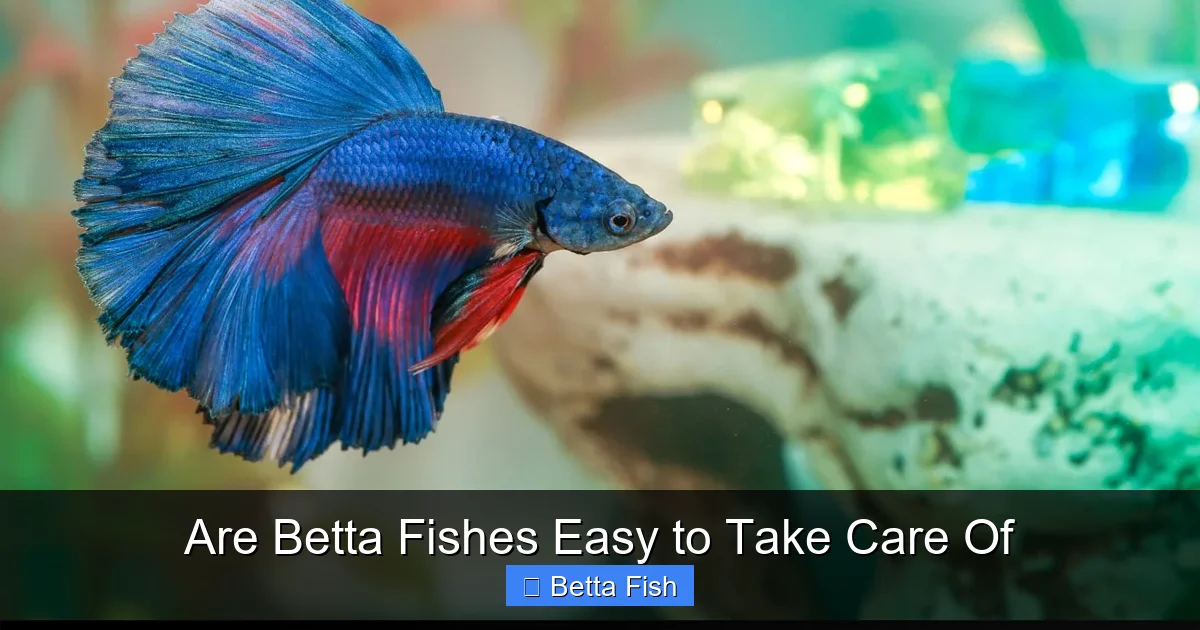
Are Betta Fishes Easy to Take Care Of
Betta fishes can be a great starter pet, but “easy” depends on the right setup and routine. With proper water, proper feeding, and simple maintenance, most beginners find them manageable.
Key Takeaways
- Proper tank matters: A 5‑gal filtered tank beats a small bowl every time.
- Water quality is king: Stable temperature and clean water keep bettas healthy.
- Feeding is simple but precise: Small portions twice daily prevent overfeeding.
- Health signs are easy to spot: Watch fins, swim pattern, and appetite for early warnings.
- Social needs are unique: Males are territorial; females can share a community tank.
- Routine maintenance is minimal: Weekly water changes and monthly filter checks are enough.
- Research pays off: Using reliable guides, like our article on how to take care of betta fish, ensures success.
📑 Table of Contents
- Introduction: The Appeal of Betta Fishes
- 1. Understanding Betta Biology and Behavior
- 2. Setting Up the Right Environment
- 3. Water Quality – The Cornerstone of Easy Care
- 4. Feeding: Simple but Crucial
- 5. Health Monitoring and Common Issues
- 6. Daily and Weekly Routine – Keeping It Simple
- Conclusion: Are Betta Fishes Easy to Take Care Of?
Introduction: The Appeal of Betta Fishes
Betta fishes, often called Siamese fighting fish, are famous for their dazzling colors and flowing fins. Because they can survive in small containers, many people assume they are the perfect “easy” pet for apartments or first‑time fish owners. But is that really the case? In this article we answer the question “are betta fishes easy to take care of?” by breaking down every aspect of their care—from tank setup to daily feeding, health monitoring, and common pitfalls.
We’ll walk you through practical steps, real‑world examples, and simple tips that feel like advice from a friend who’s already mastered the hobby. By the end you’ll know exactly what “easy” looks like for bettas and whether they fit your lifestyle.
1. Understanding Betta Biology and Behavior
Natural Habitat
Betta fish are native to the shallow, warm waters of Southeast Asia. They thrive in slow‑moving, vegetation‑rich streams where the water is warm (78‑82°F) and slightly acidic. This background explains why they love warm, still water in the home aquarium.
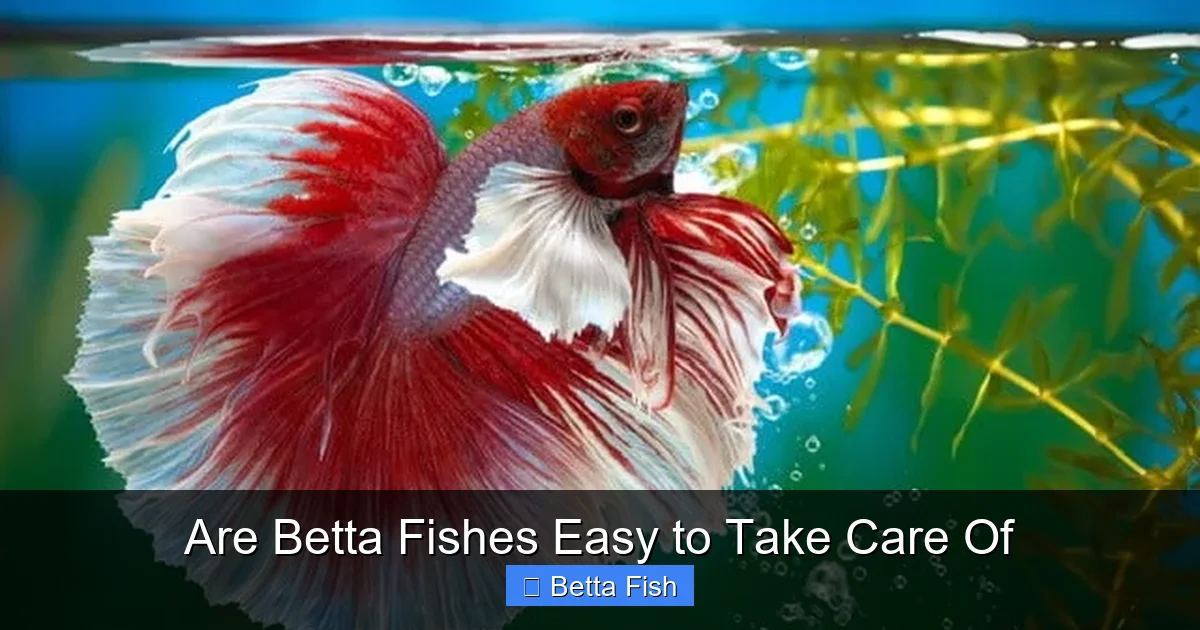
Visual guide about Are Betta Fishes Easy to Take Care Of
Image source: microbelift.com
Temperament
Male bettas are famously territorial. They will flare their gills and attack other males, even through glass. Females are less aggressive and can live in groups if the tank is spacious and well‑planted. Knowing this helps you decide whether a single male or a sorority tank is right for you.
Why Some Think They’re Hard
If you’ve read why are betta fish so hard to take care of, you’ll see that many owners blame poor water quality, over‑feeding, and improper tank size. These issues are avoidable with a little knowledge.
2. Setting Up the Right Environment
Tank Size and Type
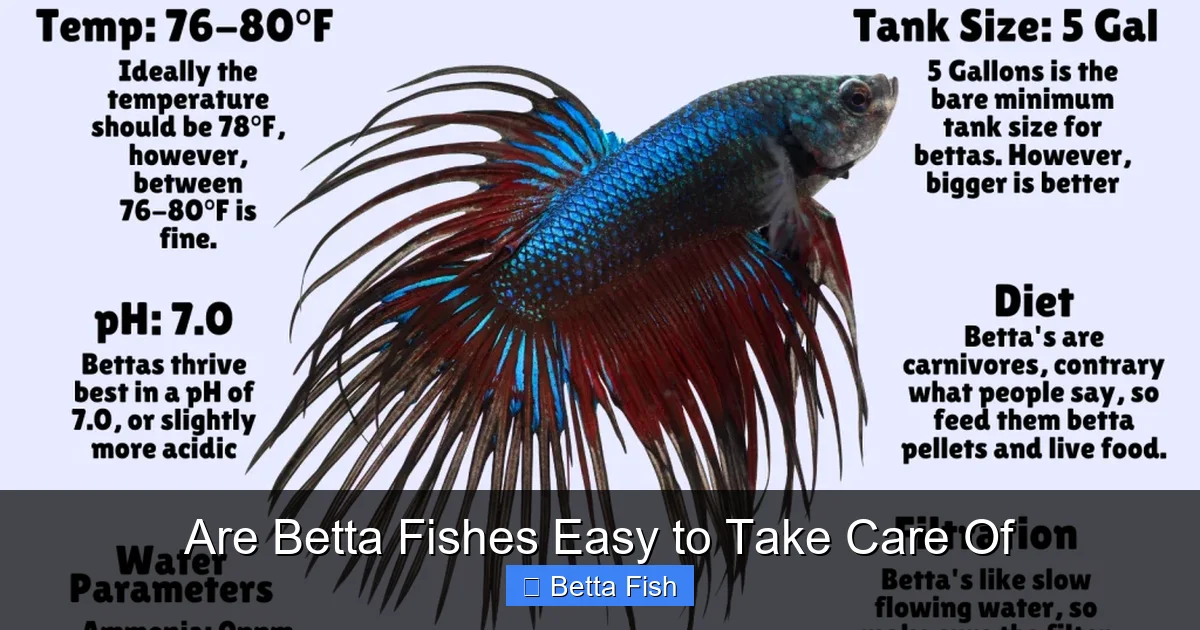
The myth that a betta can live forever in a 2‑liter bowl is harmful. A minimum of a 5‑gallon (19 L) tank with a lid provides enough swimming space and stabilizes temperature. A simple glass or acrylic tank works; just make sure it has a secure cover to prevent jumps.
Visual guide about Are Betta Fishes Easy to Take Care Of
Image source: i.pinimg.com
Filtration and Heating
Betta fish prefer calm water, so choose a low‑flow sponge filter or a hang‑on‑back filter with a gentle spray. A reliable heater set to 78‑80°F (25‑27°C) is essential; temperature swings stress the fish and invite disease.
Substrate, Plants, and Hiding Spots
Live plants like Java moss, Anubias, or floating duckweed mimic their natural habitat and improve water quality. If live plants aren’t an option, silk plants and smooth rocks provide hiding spots without tearing delicate fins.
Lighting
Provide a regular day/night cycle with a 10‑hour light period. Too much light encourages algae, while darkness can stress the fish.
3. Water Quality – The Cornerstone of Easy Care
Testing and Parameters
Invest in a basic water test kit. Aim for:
Visual guide about Are Betta Fishes Easy to Take Care Of
Image source: pet-health-content-media.chewy.com
- Temperature: 78‑80°F (25‑27°C)
- pH: 6.5‑7.5
- Ammonia: 0 ppm
- Nitrite: 0 ppm
- Nitrate: < 20 ppm
Maintaining these levels prevents stress and disease, making care truly easy.
Water Changes
Change 25‑30% of the water weekly. Use a water conditioner to remove chlorine and chloramine. If you have a larger tank, a 15‑20% change every two weeks is sufficient.
Conditioning and Dechlorination
Tap water must be treated before adding it to the tank. A few drops of conditioner per gallon neutralizes harmful chemicals and adds essential slime coat protectants.
4. Feeding: Simple but Crucial
What to Feed
High‑quality betta pellets are the staple. Supplement with frozen or live foods like daphnia, brine shrimp, or bloodworms a couple of times a week for enrichment.
How Much and How Often
Feed 2‑3 small pellets (about the size of your fingertip) twice daily. The fish should eat within 2 minutes; any leftovers belong in the filter.
Common Feeding Mistakes
Overfeeding leads to cloudy water and obesity. Underfeeding causes poor growth. Follow the “small portions, frequent” rule and you’ll keep your betta thriving.
Feeding Schedule Example
- Morning (8 am): 2 pellets + a tiny dab of frozen brine shrimp
- Evening (6 pm): 2 pellets only
5. Health Monitoring and Common Issues
Spotting a Healthy Betta
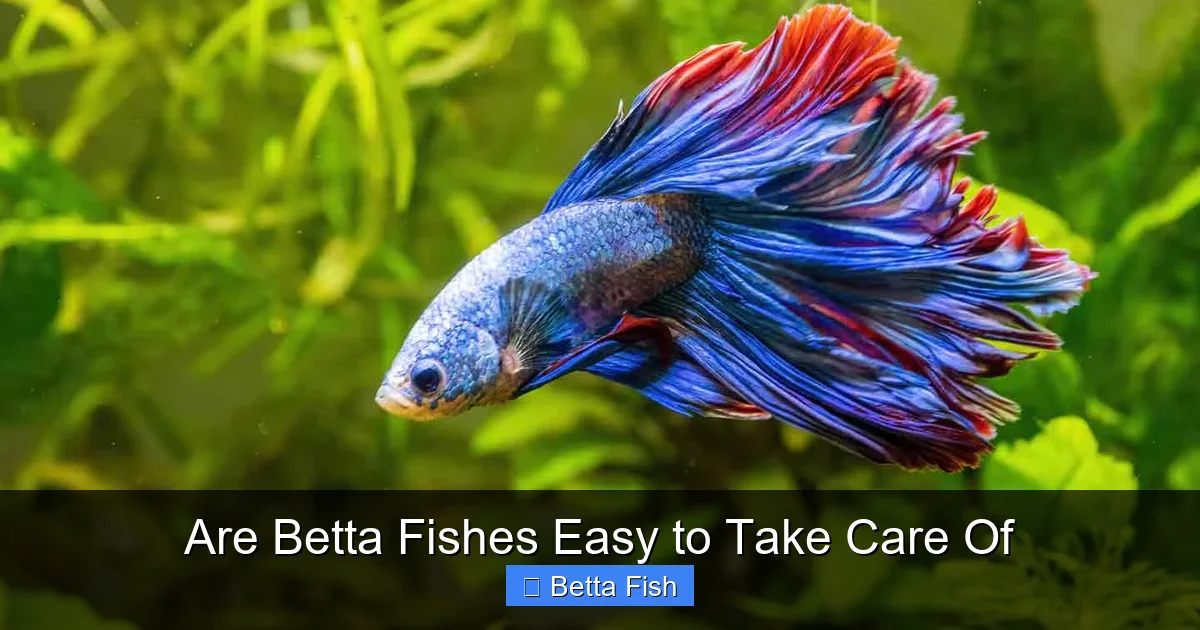
A healthy betta swims actively, flares its fins occasionally, and has bright coloration. The belly should be round but not bloated.
Signs of Trouble
- Faded colors or torn fins – possible fin rot.
- Lethargy, staying at the surface – could be poor water quality.
- Loss of appetite – early sign of disease.
Common Diseases and Quick Fixes
Fin rot can be treated with a mild antibacterial dip. Dropsy requires immediate isolation and a salt bath. For detailed treatment steps, see our guide on how to treat dropsy in betta fish.
When to Call a Vet
If your betta shows rapid breathing, white spots, or sudden death, consult an aquatic veterinarian. Early intervention often saves the fish.
6. Daily and Weekly Routine – Keeping It Simple
Morning Checklist
- Check temperature.
- Observe fish behavior.
- Feed the morning portion.
Evening Checklist
- Feed the evening portion.
- Remove uneaten food.
- Inspect tank for algae or debris.
Weekly Tasks
- Perform a 25% water change.
- Clean substrate with a gravel vacuum.
- Rinse filter media in tank water (do not use tap water).
- Trim plant leaves if needed.
Monthly Maintenance
Replace filter cartridges if they’re worn, and deep‑clean the tank glass. This schedule keeps the environment stable, making betta care feel effortless.
Conclusion: Are Betta Fishes Easy to Take Care Of?
The short answer: Yes, betta fishes are easy to take care of **if** you provide the basics—a proper tank, stable water, appropriate feeding, and regular maintenance. Their hardy nature and low‑maintenance temperament make them ideal for beginners, but shortcuts like tiny bowls or no heater quickly turn “easy” into “hard.” By following the steps outlined above, you’ll enjoy a vibrant, healthy betta for years, and the whole process will feel as simple as feeding a houseplant.
Remember, the key is consistency. A little effort each day prevents big problems later, and you’ll find that caring for a betta can be a relaxing, rewarding hobby.
Frequently Asked Questions
Are betta fishes truly low‑maintenance?
They are low‑maintenance compared to many tropical fish, but they still need a filtered, heated tank, regular water changes, and proper feeding.
Can I keep a betta in a bowl?
While bettas can survive in bowls, it is not recommended. Bowls lack filtration and temperature control, leading to poor water quality and stress.
How often should I feed my betta?
Feed small portions twice daily. Adjust if the fish leaves food uneaten after two minutes.
Do male bettas need to be alone?
Yes, male bettas are highly territorial and should be housed singly to prevent fighting.
What is the ideal tank size for a betta?
A minimum of 5 gallons (19 L) with a lid is ideal. Larger tanks provide more stability and room for plants.
How can I tell if my betta is sick?
Watch for faded colors, torn fins, loss of appetite, or abnormal swimming. Early detection and water changes often resolve minor issues.