What Is the Lifespan of a Betta Fish
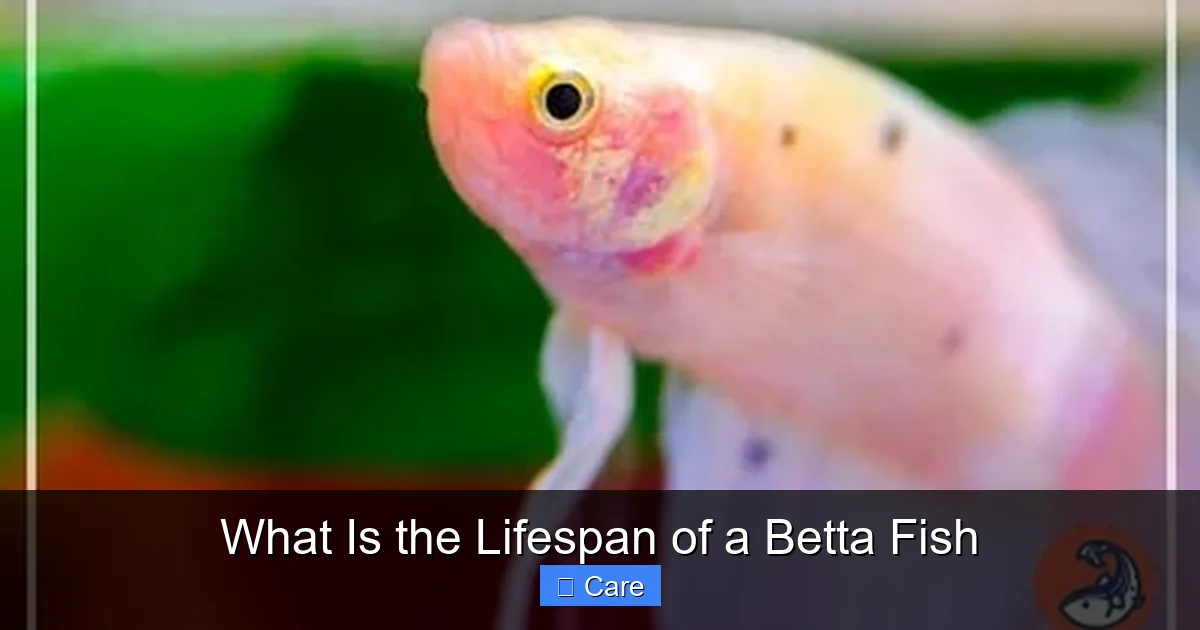
Betta fish typically live 2‑5 years, but with optimal care they can reach 7 years or more. Key factors include water quality, proper feeding, and a stress‑free environment.
Key Takeaways
- Understanding what is the lifespan of a betta fish: Provides essential knowledge
📑 Table of Contents
Introduction: Why Betta Lifespan Matters
Betta fish, also called Siamese fighting fish, are a favorite for beginners and seasoned aquarists alike. Their brilliant colors and flamboyant fins make them eye‑catching, but many owners wonder how long these little performers will stay with them. Knowing the typical lifespan helps you plan for proper care, budget for tank upgrades, and enjoy a longer, healthier relationship with your pet.
In this guide we’ll break down the numbers, explore the biggest factors that add or subtract years, and give you practical steps to help your betta reach its full potential. Whether you’re a first‑time keeper or have a seasoned tank, the information here is designed to be clear, friendly, and easy to act on.
1. The Numbers: Typical Betta Lifespan
Average lifespan in the wild vs. captivity
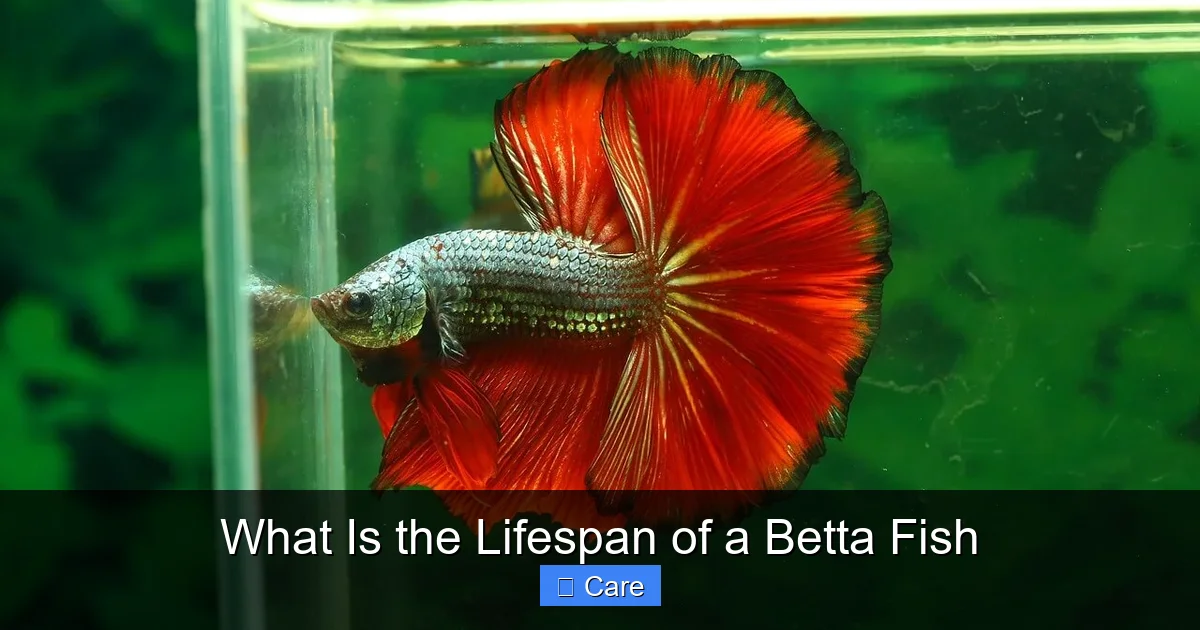
In their native habitats of Thailand, Laos, and Cambodia, bettas live only a few months because of predators, seasonal changes, and limited food. In captivity, the average jumps to 2–5 years. This range reflects the reality for most hobbyists who keep bettas in small bowls or simple tanks.
Visual guide about What Is the Lifespan of a Betta Fish
Image source: aquariumsource.com
Best‑case scenarios
When you provide optimal conditions—stable temperature, pristine water, a balanced diet, and mental enrichment—betta fish have been recorded living 6–7 years. A handful of exceptional cases even reach 8 years, but those are outliers that require near‑perfect care.
Gender differences
Male bettas, the ones most people keep for their spectacular fins, tend to live a little longer than females. Females are more prone to stress from aggressive tank mates and can develop fin rot more quickly. Expect males to average 3‑5 years, females 2‑4 years under similar conditions.
2. Core Factors That Influence Lifespan
Water quality and temperature
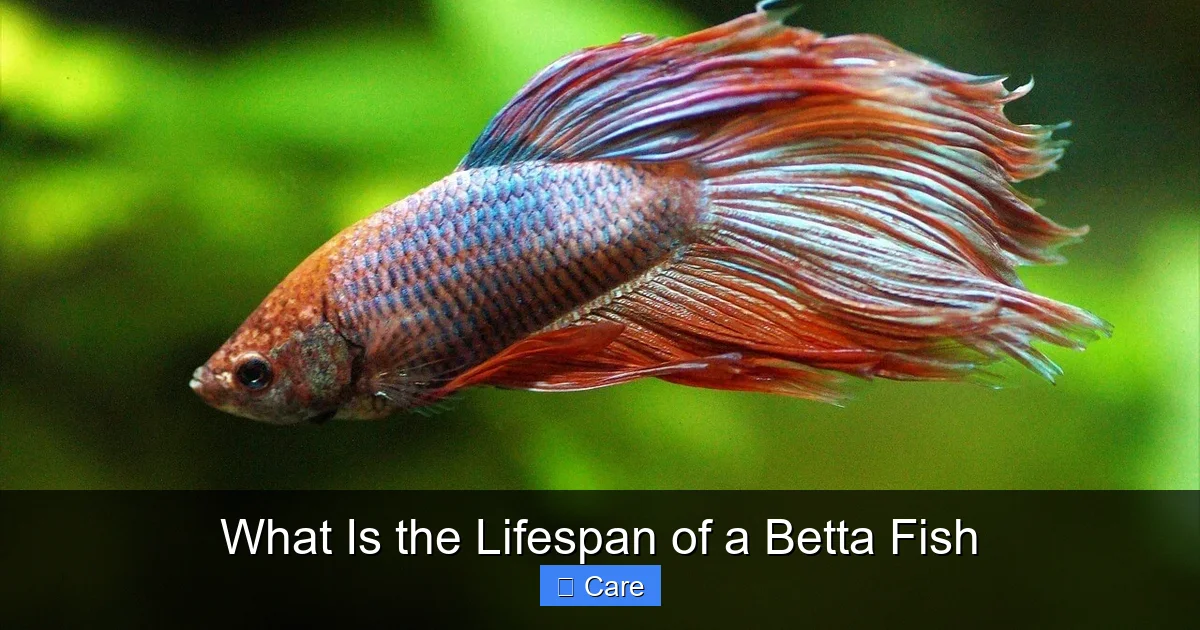
The single most important factor is water. Betta fish are tropical; they thrive at 76‑82°F (24‑28°C). Fluctuations of even a few degrees cause stress, weaken the immune system, and can trigger disease.
Visual guide about What Is the Lifespan of a Betta Fish
Image source: aquariumsource.com
- Ammonia & nitrite: Even low levels are toxic. Use a reliable filter and test weekly.
- pH level: Keep it between 6.5 and 7.5. Sudden swings are harmful.
- Water changes: Replace 25‑30% of the water every week to keep parameters stable.
Tank size and environment
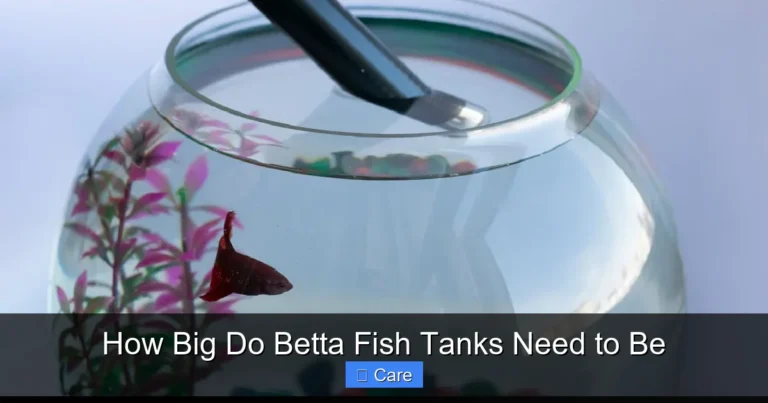
Contrary to popular myth, bettas need room to swim. A minimum of 5 gallons is recommended for a single male. Larger tanks dilute toxins faster and give the fish space to explore, which reduces stress.
Adding live or silk plants, driftwood, and caves creates hiding spots. These “enrichment” items mimic a natural habitat and prevent boredom‑related fin nibbling.
Nutrition and feeding habits
Betta fish are carnivores. A diet rich in protein—high‑quality betta pellets, frozen or live brine shrimp, daphnia, and occasional bloodworms—supports strong fins and a robust immune system.
- Feed 2‑3 small meals per day, only what they can consume in 2 minutes.
- Avoid overfeeding; excess food decays, spikes ammonia, and leads to fatty liver disease.
- Rotate protein sources weekly to provide a balanced nutrient profile.
Stress and social environment
Betas are solitary by nature. Keeping two males together almost always ends in fighting, which can cause severe injuries and shorten lifespan. Even females can become aggressive if the tank is too small.
Signs of stress include faded colors, clamped fins, and frequent hiding. Address stress by checking water parameters, reducing tank mates, and adding more plants.
Health monitoring and disease prevention
Early detection is key. Common ailments—fin rot, ich, velvet, and swim bladder disorder—are treatable if caught early. Perform a visual health check twice a week:
- Look for ragged or discolored fins.
- Check for white spots (ich) or dusty coating (velvet).
- Observe swimming pattern; erratic movement may signal swim bladder issues.
Prompt treatment with appropriate medication (e.g., aquarium salt for minor fin rot, copper‑based meds for ich) can add several healthy months.
3. Setting Up the Ideal Betta Habitat
Choosing the right tank
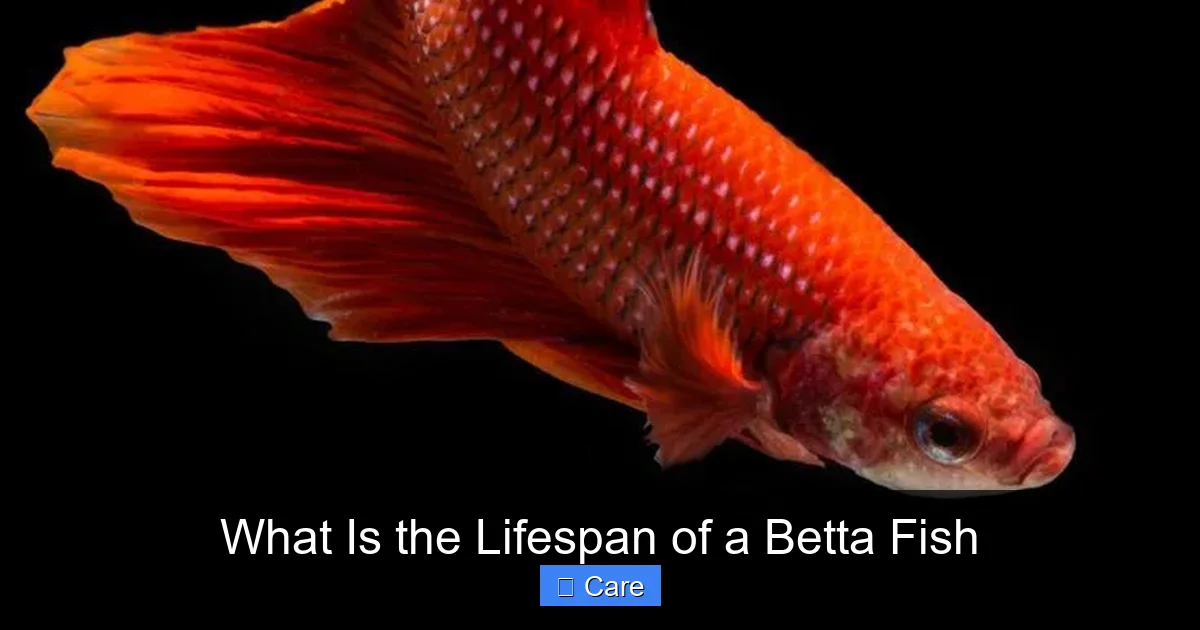
While 2‑gallon “bowls” are sold as betta homes, they rarely provide the stability needed for a long life. Opt for a clear acrylic or glass tank with a lid to prevent jumps. A 5‑gallon long tank is affordable and offers a good surface area for heating.
Visual guide about What Is the Lifespan of a Betta Fish
Image source: i.pinimg.com
Heating and filtration
Invest in a reliable submersible heater with an adjustable thermostat. Pair it with a gentle sponge filter—betas prefer low flow, but filtration still removes waste.
Decor and plants
Live plants like Java fern, Anubias, and Marimo moss not only look great but also help absorb nitrates. If live plants aren’t an option, use silk or high‑quality plastic decorations. Avoid sharp edges that can tear delicate fins.
Lighting
Provide 8‑10 hours of gentle LED lighting daily. Too much light encourages algae, while darkness can stress the fish. A simple timer keeps the schedule consistent.
4. Daily and Weekly Care Routine
Day‑to‑day tasks
- Check temperature with a calibrated thermometer.
- Observe the fish for any change in behavior or appearance.
- Feed the appropriate portion (see nutrition section).
Weekly maintenance
- Test water for ammonia, nitrite, nitrate, and pH.
- Perform a 25‑30% water change using conditioned water.
- Rinse filter media in tank water (not tap water) to preserve beneficial bacteria.
- Trim any dead plant leaves to prevent decay.
Monthly deep clean
Every 4‑6 weeks, gently clean the tank walls with an algae scraper, replace any worn decorations, and assess the health of live plants.
5. Extending Your Betta’s Life: Pro Tips
Use a water conditioner with “stress guard”
Some conditioners contain compounds that reduce cortisol spikes during water changes. This simple addition can shave weeks off recovery time after maintenance.
Supplement with vitamins
High‑quality betta vitamin powders (rich in vitamin C and B‑complex) given once a week boost immunity, especially during temperature shifts.
Rotate tank mates wisely
If you want a community tank, choose peaceful bottom‑dwelling species like small snails or shrimp. Keep the betta’s tank at least 10 gallons to give everyone space.
Seasonal adjustments
In winter, room temperature can drop, causing heater strain. Consider a thermostat with an alarm and keep the tank away from windows or drafts.
Keep a health log
Record water parameters, feeding schedule, and any health notes in a small notebook. Patterns become clear, making it easier to spot problems early.
Conclusion: A Longer, Happier Betta Life Is Within Reach
Understanding that a betta fish can live anywhere from 2 to 7 years empowers you to make choices that add years to its life. By focusing on stable water conditions, a proper diet, adequate space, and regular health checks, you create an environment where your betta can truly thrive. Treat your fish like a small, colorful companion, and you’ll be rewarded with vivid displays, playful behavior, and a lasting bond.
Remember, the lifespan isn’t just a number—it’s a reflection of the care you provide. Follow the steps outlined above, stay observant, and you’ll enjoy a vibrant betta for many happy years.
Frequently Asked Questions
How long do male betta fish usually live?
Male bettas typically live 3‑5 years in a well‑maintained 5‑gallon tank, though some can reach 6‑7 years with optimal care.
Can a betta fish survive in a small bowl?
While bettas can survive in small bowls, the limited water volume makes it hard to keep parameters stable, often shortening their lifespan to under 2 years.
What is the best temperature for a betta fish?
Maintain water between 76‑82°F (24‑28°C). Consistent temperature reduces stress and supports a healthy immune system.
How often should I change the water?
Replace 25‑30% of the water weekly, and test for ammonia, nitrite, and pH each time to keep the environment clean.
Do bettas need a filter?
Yes. A gentle sponge filter provides biological filtration without creating strong currents that bettas dislike.
What foods should I avoid feeding my betta?
Avoid high‑fat treats, over‑processed flakes, and any food that dissolves quickly, as they can pollute the water and cause digestive issues.