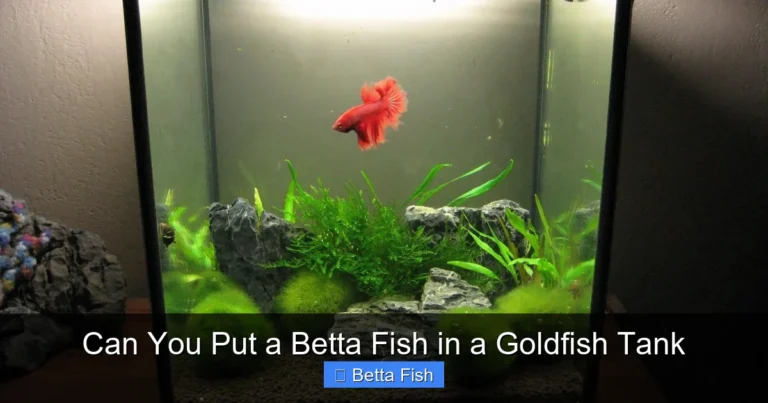
Why Is My Betta Fish Floating at the Top
Seeing a betta fish hover near the water’s surface can be alarming, but it’s often a clue to an underlying issue. This guide explains the most common reasons—poor water quality, disease, stress, or simple curiosity—and offers practical steps to restore balance. Follow the tips and your betta will be swimming normally again in no time.
Key Takeaways
- Water quality matters: High ammonia, nitrite, or low oxygen will push a betta to the surface.
- Health checks are essential: Swim‑bladder problems, infections, or parasites can cause floating.
- Temperature and stress: Too cold or a cramped tank makes a betta seek the top.
- Feeding habits help: Over‑feeding or poor diet can lead to buoyancy issues.
- Simple fixes work: Adjusting temperature, performing water changes, and adding hiding spots often solve the problem.
- Monitor behavior daily: Changes in swimming, appetite, or color give early warnings.
- Seek professional help: If symptoms persist, consult a vet or experienced hobbyist.
📑 Table of Contents
- Introduction: When Your Betta Hangs Out on the Surface
- 1. Water Quality – The Silent Culprit
- 2. Health Issues That Affect Buoyancy
- 3. Temperature and Environmental Stress
- 4. Feeding Practices That Can Lead to Floating
- 5. Behavioral Reasons – Is It Just Curiosity?
- 6. Quick Action Checklist
- Conclusion: Keep Your Betta Happy and Healthy
Introduction: When Your Betta Hangs Out on the Surface
Betta fish are known for their vibrant colors and bold personalities. Most owners expect to see them gliding through the middle of the tank, flaring their fins, and exploring decorations. So when you notice your betta lingering at the top, it can feel like a red flag.
Before you panic, remember that a betta floating at the surface is often a symptom, not a disease itself. By understanding the “why” behind the behavior, you can quickly pinpoint the problem and take corrective action. In this article we’ll break down the most common causes, how to diagnose each one, and step‑by‑step solutions that any hobbyist can apply.
1. Water Quality – The Silent Culprit
Ammonia, Nitrite, and Nitrate Levels
Betta fish are especially sensitive to spikes in ammonia and nitrite. Even a small rise can make them gasp for oxygen, pushing them to the surface where the water is richest in oxygen.

Visual guide about Why Is My Betta Fish Floating at the Top
Image source: cdn.mos.cms.futurecdn.net
Test your water weekly with a reliable aquarium test kit. Ideal ranges for a betta tank are:
- Ammonia: 0 ppm
- Nitrite: 0 ppm
- Nitrate: < 20 ppm (preferably < 10 ppm)
- pH: 6.5 – 7.5
If any of these numbers are out of range, perform a 25‑30 % water change and consider adding a biological filter.
Oxygen Deficiency
Stagnant water or a tank that is too warm holds less dissolved oxygen. A betta will instinctively rise to the surface where the water meets the air.
Tips to increase oxygen:
- Raise the temperature no higher than 78 °F (25.5 °C).
- Use a gentle air stone or a small internal filter that creates surface agitation.
- Avoid overcrowding; a single betta needs at least 2.5 gallons of water.
2. Health Issues That Affect Buoyancy
Swim‑Bladder Disorder
The swim bladder is a gas‑filled organ that helps the fish maintain depth. In bettas, constipation, over‑feeding, or infection can cause the organ to malfunction, making the fish float or sink.

Visual guide about Why Is My Betta Fish Floating at the Top
Image source: files.magzter.com
How to treat:
- Fast the fish for 24‑48 hours (no dry food, only a few peas).
- After the fast, offer a peeled, cooked pea or a small amount of high‑fiber betta food.
- If the problem persists, add a drop of aquarium‑safe antibacterial medication as directed.
External and Internal Parasites
Parasites such as Costia or internal protozoa can irritate the gut and affect buoyancy. Look for white spots, frayed fins, or excessive mucus.
Treatment usually involves a dip in a formalin or copper‑based medication. Always follow the product instructions and remove carbon from the filter during treatment.
Fin Rot and Bacterial Infections
When a betta’s fins become ragged or turn pale, it may be battling a bacterial infection. The stress of illness can make it seek the surface for easier breathing.
Use a broad‑spectrum antibiotic (e.g., Maracyn) and improve water quality simultaneously. For more details on fin health, see our article on why are my betta fish fins falling off.
3. Temperature and Environmental Stress
Cold Shock
Betta fish are tropical and thrive between 76‑80 °F (24‑27 °C). A sudden drop in temperature can cause them to become lethargic and float at the top.
Use a reliable aquarium heater and a thermometer. If the tank is in a drafty area, move it away from windows or air vents.
Tank Size and Decoration
A tiny bowl or a tank with no places to hide can make a betta feel exposed. In the wild, bettas stay near the surface to breathe, but they also need vertical space.
Provide plenty of live plants, silk plants, or PVC caves. These give the fish a sense of security and reduce surface‑only swimming.
4. Feeding Practices That Can Lead to Floating
Over‑Feeding
Betta fish have small stomachs. Feeding more than they can eat in two minutes often results in uneaten food sinking and decaying, which spikes ammonia.
Feed 2‑3 small pellets once or twice daily. Remove any excess after five minutes.
Inappropriate Food Types
Dry pellets that float can cause a betta to gulp air, leading to buoyancy problems. Use sinking or slow‑sinking foods, or offer occasional live or frozen foods like daphnia or bloodworms.
5. Behavioral Reasons – Is It Just Curiosity?
Exploring the Surface
Sometimes a betta simply enjoys the surface. If the water is clean, temperature is stable, and the fish eats and looks healthy, the behavior may be normal.
However, even in these cases, it’s wise to keep an eye on other signs. Compare your situation with our guide on why betta fish always on top to differentiate normal curiosity from warning signs.
Breeding Instincts
Male bettas build bubble nests at the surface. A male preparing to breed will spend a lot of time near the top, arranging bubbles. If you notice a bubble nest forming, this is a good sign of a healthy, motivated fish.
6. Quick Action Checklist
Step‑by‑Step First‑Aid
- Test water parameters. Perform a 25 % water change if any values are off.
- Check temperature and adjust the heater if needed.
- Observe for signs of disease: white spots, frayed fins, loss of color.
- Fast the fish for 24 hours and then feed a peeled pea.
- Add a gentle air stone to increase surface oxygen.
- Provide hiding places and reduce stressors (loud noises, bright lights).
When to Seek Professional Help
If after 48 hours the fish is still stuck at the top, or if you notice additional symptoms such as cloudy eyes, rapid breathing, or sudden color loss, contact a veterinarian experienced with fish or a reputable aquarium store.
Conclusion: Keep Your Betta Happy and Healthy
Understanding why is my betta fish floating at the top is the first step toward a quick recovery. Most cases boil down to water quality, health issues, temperature, or simple curiosity. By regularly testing water, feeding responsibly, and providing a stress‑free environment, you’ll give your betta the best chance to thrive.
Remember, a healthy betta is an active betta. Keep an eye on its behavior, act fast when something seems off, and enjoy the brilliant colors and personality that make bettas such beloved pets.
Frequently Asked Questions
Why does my betta fish stay at the top of the tank?
It may be seeking higher oxygen levels, reacting to poor water quality, or displaying normal breeding behavior. Check temperature, water parameters, and look for signs of illness.
Can low oxygen cause my betta to float?
Yes. Stagnant or warm water holds less dissolved oxygen, prompting the fish to rise to the surface where it can gulp air.
Is a floating betta always sick?
Not always. Some healthy bettas simply like the surface, especially males building bubble nests. However, persistent floating combined with other symptoms usually indicates a problem.
How long should I fast my betta for swim‑bladder issues?
Fast for 24‑48 hours, then offer a peeled, cooked pea to help clear the digestive tract.
Do I need a filter for a single betta?
A gentle filter improves water quality and oxygenation, but it should not create strong currents that stress the fish.
What temperature is safest for a betta?
Maintain the water between 76‑80 °F (24‑27 °C) with a reliable heater and thermometer.