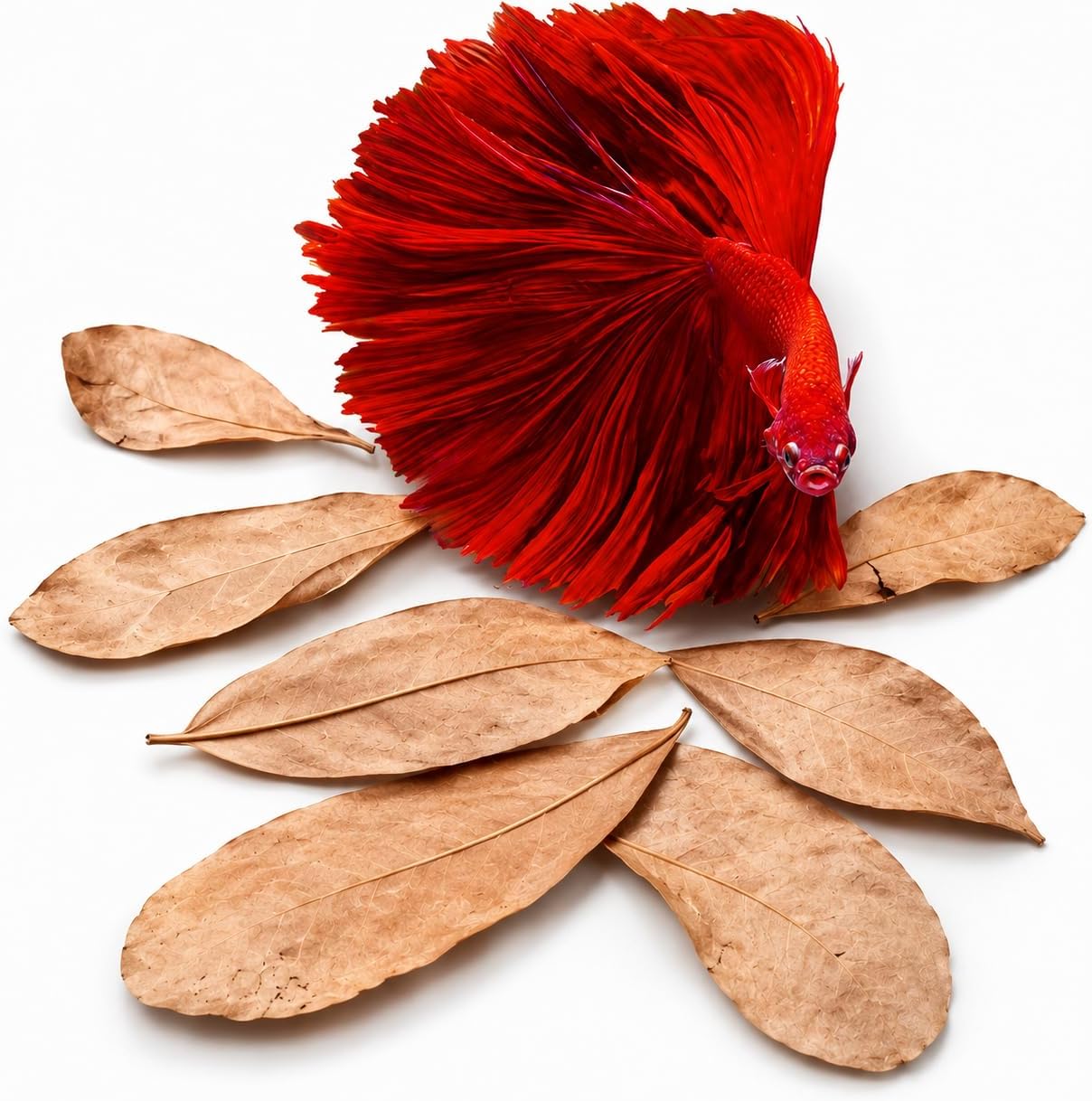
Are Mollies and Bettas Compatible with Other Fish
Mollies and bettas can coexist, but success depends on tank size, gender, and careful selection of peaceful tank mates. Provide plenty of hiding spots, maintain stable water parameters, and monitor behavior closely to prevent aggression.
Key Takeaways
- Tank size matters: A minimum of 20 gallons gives both species room to establish territories.
- Gender is crucial: Female bettas are generally more tolerant of mollies than aggressive males.
- Water parameters should match: Both fish thrive in pH 6.5‑7.5 and temperatures around 78‑80°F (25‑27°C).
- Provide plenty of plants and décor: Live plants, caves, and driftwood create hiding places and reduce stress.
- Choose compatible tank mates: Small, non‑fin‑nipping species such as neon tetras or rasboras complement mollies and bettas.
- Monitor behavior daily: Early signs of fin‑nipping or excessive chasing call for immediate re‑arrangement.
- Start with a trial period: Use a separate quarantine tank to observe interactions before committing long‑term.
📑 Table of Contents
Introduction: The Dream of a Mixed Community Tank
Imagine a vibrant aquarium where the elegant fins of a betta glide past the lively shoals of mollies. It sounds like a perfect aquatic tableau, but many hobbyists wonder, are mollies and bettas compatible with other fish? The answer isn’t a simple yes or no. It depends on a mix of water conditions, tank size, gender, and the personalities of the individual fish.
In this guide we’ll break down everything you need to know to create a harmonious community that includes both mollies and bettas. From the science of water chemistry to practical set‑up tips, you’ll walk away with a clear roadmap for a peaceful, colorful tank.
Understanding the Basics of Mollies and Bettas
What Makes Mollies Unique?
Mollies (Poecilia spp.) are live‑bearers that love slightly brackish water. They are active swimmers, grow to 4‑5 inches, and enjoy a diet of algae, flake, and occasional protein treats. Their peaceful nature makes them popular in community tanks, but they can be nippy if they feel crowded.

Visual guide about Are Mollies and Bettas Compatible with Other Fish
Image source: collectionapi.metmuseum.org
Betta Fish Personality Profiles
Betta splendens, often called Siamese fighting fish, are famous for their bold colors and aggressive streak—especially males. Females are less territorial but can still display fin‑nipping behavior. Bettas thrive in warm, slightly acidic water and love a surface film to gulp air.
Key Compatibility Factors
1. Tank Size and Layout
Space is the foundation of compatibility. A 20‑gallon long tank provides enough horizontal swimming room for mollies and vertical space for bettas to claim surface territory. Use tall plants like Amazon swords and floating moss to break sight lines.

Visual guide about Are Mollies and Bettas Compatible with Other Fish
Image source: niiprogetti.it
2. Water Parameter Matching
Both species prefer:
- Temperature: 78‑80°F (25‑27°C)
- pH: 6.5‑7.5 (mollies tolerate up to 8.0, but bettas prefer the lower end)
- Hardness: 5‑20 dGH (mollies like harder water; use a small amount of aquarium salt if needed)
Keeping parameters within these ranges prevents stress that can trigger aggression.
3. Gender Dynamics
Male bettas are notorious for attacking fin‑nippers, including the long, flowing fins of some mollies. Female bettas are generally more tolerant, making them a safer bet for a mixed tank. If you only have a male betta, consider a heavily planted tank with plenty of visual barriers.
4. Temperament of Individual Fish
Even within the same species, personalities differ. Before introducing new fish, observe each individual for signs of aggression or extreme shyness. A calm, confident betta will be less likely to bully a molly.
5. Feeding Compatibility
Mollies are herbivorous‑leaning, while bettas are carnivorous. Feed a mixed diet: high‑quality flake for the betta, algae wafers and vegetable flakes for mollies. Feed in separate corners if one fish dominates the food source.
Choosing the Right Tank Mates
Best Companion Species
When you ask are mollies and bettas compatible with other fish, the answer often lies in the other fish you select. Ideal companions include:
- Neon tetras – small, schooling, and quick enough to avoid betta aggression.
- Harlequin rasboras – peaceful and prefer mid‑water, keeping them out of the betta’s surface zone.
- Corydoras catfish – bottom dwellers that won’t compete for space.
- Otocinclus algae eaters – tiny and non‑aggressive, they help control algae for mollies.
For more ideas, see our article on what fish are compatible with betta fish.
Fish to Avoid
Stay away from long‑finned or slow‑moving species that a betta might mistake for a rival, such as guppies with elaborate tails or other bettas. Also, avoid aggressive dwarf cichlids and large barbs that could bully mollies.
Setting Up the Tank for Success
Step‑by‑Step Layout Guide
- Substrate: Use fine sand or smooth gravel; avoid sharp edges that can tear delicate betta fins.
- Plants: Live plants like Java fern, Cryptocoryne, and floating Duckweed create cover and improve water quality.
- Hardscape: Add driftwood and smooth rocks to break lines of sight.
- Filtration: A gentle sponge filter maintains water flow without creating strong currents that stress bettas.
- Heating: Keep a reliable heater set at 79°F (26°C) and use a thermometer to monitor fluctuations.
Acclimation Process
When adding mollies or bettas, use the drip acclimation method to match water chemistry slowly. Let the fish rest in the quarantine tank for 24‑48 hours, observing for signs of disease before introducing them to the main display.
Monitoring Behavior and Troubleshooting
Signs of Compatibility
Positive indicators include:
- Mollies swimming near the surface without being chased.
- Betta displaying relaxed fins, not puffed up or flaring.
- All fish eating normally and showing natural schooling or solitary behavior.
Red Flags and Quick Fixes
If you notice fin‑nipping, constant chasing, or loss of color, act fast:
- Re‑arrange décor to create new territories.
- Increase plant density for hiding spots.
- Consider moving the aggressor to a separate tank.
When to Separate
Some bettas, especially dominant males, simply cannot coexist with mollies. If aggression persists after several weeks, it’s kinder to house them separately. Read more about can you keep male bettas with other fish for detailed guidance.
Long‑Term Care and Maintenance
Weekly Routine
- Test water parameters (ammonia, nitrite, nitrate, pH).
- Perform a 25‑30% water change with temperature‑matched water.
- Trim overgrown plants and remove debris.
Health Checks
Look for:
- White spots or fuzzy growth (possible ich or fungus).
- Clamped fins or loss of appetite (stress indicators).
- Consistent swimming patterns (no erratic darting).
Conclusion: Can You Make It Work?
So, are mollies and bettas compatible with other fish? The short answer is yes—provided you respect their needs, choose the right tank mates, and maintain optimal water conditions. A well‑planted 20‑gallon tank, a calm female betta, and a small school of mollies can coexist beautifully, offering a dynamic display of colors and behavior.
Remember, each fish is an individual. Patience, observation, and a willingness to adjust your setup are the keys to success. With careful planning, your community aquarium can become a thriving, peaceful oasis for both mollies and bettas.
Frequently Asked Questions
Can male bettas live with mollies?
Male bettas are often aggressive toward mollies, especially if the mollies have long fins. It’s possible with a large, heavily planted tank, but many hobbyists prefer a female betta for better compatibility.
Do mollies need brackish water if kept with bettas?
Mollies can adapt to slightly softer, freshwater conditions. Adding a pinch of aquarium salt (1 g per 5 gallons) can help them feel more comfortable without harming the betta.
What temperature is best for both species?
Both mollies and bettas thrive at 78‑80°F (25‑27°C). Keeping the heater steady within this range supports healthy metabolism and reduces stress.
How many mollies can I keep with one betta?
A small school of 4‑6 mollies works well in a 20‑gallon tank. Too many will crowd the betta’s surface territory, while too few may leave the mollies stressed.
What are the signs of fin‑nipping?
Look for ragged, torn, or missing fin edges, especially on the betta or mollies. Red or inflamed areas indicate injury and should be treated promptly.
Can I add other community fish later?
Yes, as long as you maintain the water parameters and provide enough hiding spots. Introduce new fish slowly and monitor interactions for at least two weeks.