How to Tell Sex of a Betta Fish
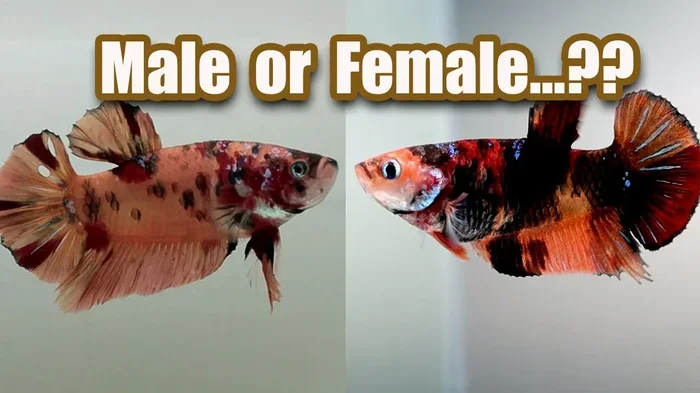
Figuring out how to tell sex of a betta fish is easier than most fish keepers think. By looking at body shape, fin length, color intensity, and behavior, you can reliably determine whether your betta is male or female. This guide walks you through every visible difference with clear photos and practical tips.
Knowing how to tell sex of a betta fish opens up a whole new world of fish keeping. Whether you are a beginner or have kept bettas for years, understanding the differences between male and female bettas helps you make better decisions about tank setup, tank mates, and breeding.
The process is simpler than you might expect. With a trained eye and a little patience, you can look at your fish and confidently say whether it is a male or a female. The differences show up in several clear areas: body shape, fin length, color, and behavior.
This guide covers every visible difference in detail. You will learn what to look for, when differences start showing up, and how to avoid common mistakes. By the end, you will feel completely confident identifying the sex of any betta fish.
Let us dive right in and explore the fascinating world of betta fish sexing.
Key Takeaways
- Males have longer, flowing fins: The dorsal, anal, and caudal fins on a male betta are significantly longer and more dramatic than on a female.
- Body shape differs clearly: Females tend to have a rounder, plumper body, especially when carrying eggs, while males are slimmer and more elongated.
- Color intensity varies by sex: Males typically display brighter, more vivid colors, while females appear more muted.
- The egg spot is a key identifier: Females have a small white spot near the vent called the ovipositor, which males lack.
- Behavior tells a story: Males are more aggressive and build bubble nests, while females can also show aggression but rarely nest.
- Age matters for accuracy: It is much easier to determine sex once a betta is fully mature, usually around 3 to 4 months old.
- Never rely on just one trait: Combine multiple physical and behavioral signs for the most accurate identification.
📑 Table of Contents
- Why Knowing the Sex of Your Betta Fish Matters
- Physical Differences Between Male and Female Betta Fish
- Behavioral Differences Between Male and Female Bettas
- How to Identify a Female Betta Fish Specifically
- Common Mistakes When Trying to Sex a Betta Fish
- Quick Tips for Accurate Sex Identification
- What to Do Once You Know the Sex
Why Knowing the Sex of Your Betta Fish Matters
Understanding how to determine sex of a betta fish is important for several reasons. First, it affects how you set up your tank. Male bettas are highly territorial and should never be housed together. Females can sometimes live in groups, but only under the right conditions.
Second, knowing the sex helps with breeding. If you plan to breed bettas, you need one male and one female. Without proper identification, breeding attempts will fail or cause stress to the fish.
Third, it helps with tank mate selection. Male bettas often cannot live with other male bettas or fish with bright colors and long fins. Females have different compatibility needs.
If you want to learn more about keeping your betta healthy regardless of sex, check out our guide on how to take care of a betta fish for essential tips.
Physical Differences Between Male and Female Betta Fish
The most reliable way to tell the sex of a betta fish is by looking at physical traits. Let us break down each one in detail.
Body Shape and Size
Male bettas tend to have a slim, elongated body shape. They look streamlined and graceful when they swim. Their bodies taper nicely from the head to the tail.
Female bettas have a rounder, plumper body shape. This is especially noticeable when a female is carrying eggs. Her belly will look noticeably larger and more rounded. From above, a female betta often appears wider in the middle compared to a male of the same age.
In terms of overall size, males and females are usually similar. Both can grow to about 2.5 to 3 inches long. The difference is in the build, not the length.
Fin Length and Shape
This is probably the most obvious difference. Male bettas have dramatically long fins. The dorsal fin runs along the back and can be quite tall. The anal fin, located on the underside, stretches far back. The caudal fin, or tail fin, often flows beautifully and may split into elegant points.
Female bettas have much shorter fins. Their fins are still nice but look compact and neat. The dorsal fin is shorter, the anal fin does not stretch as far, and the tail fin is less dramatic.
If you compare a male and female side by side, the fin difference is immediately clear. This is often the first thing new fish keepers notice when they are learning how to tell sex of a betta fish.
Color Intensity
Males generally display brighter, more intense colors. Their scales shimmer with vivid reds, blues, greens, and purples. The color saturation is higher, making them stand out in any tank.
Females tend to have more muted, duller colors. They are still beautiful, but their hues are softer and less vibrant. Some females may develop brighter colors when they are ready to breed, but this is temporary.
Keep in mind that color can vary by breed. Some female bettas are naturally quite colorful, so color alone should not be your only indicator.
Behavioral Differences Between Male and Female Bettas
Behavior offers another strong clue when you are trying to identify the sex of your betta. While physical traits are the most reliable, behavior adds a helpful layer of confirmation.
Bubble Nest Building
Male bettas are the bubble nest builders. They blow tiny bubbles on the surface of the water and create a floating nest. This is a natural behavior linked to breeding. If you see bubble nests in your tank, you almost certainly have a male.
Females do not build bubble nests. If you see a nest, that is a clear sign of a male betta. Some males build nests more frequently than others, and water conditions can influence nesting behavior.
Aggression Levels
Male bettas are known for their aggression. They flare their gills, spread their fins, and will fight other males. This territorial behavior is strong and instinctive.
Females can also show aggression, but it is usually less intense. Female bettas can live in small groups called sororities under the right setup. Males should always be kept alone.
If your betta flares at its reflection or charges at other fish, that is more typical of a male. A calmer, less reactive fish is more likely female.
Flaring and Display
Both sexes flare, but males do it more often and more dramatically. Flaring is when a betta spreads its gills and fins to look larger. Males use this to intimidate rivals and impress potential mates.
Females flare too, but usually less frequently and with less intensity. If your fish flares constantly, it is probably a male.
How to Identify a Female Betta Fish Specifically
Identifying a female betta requires attention to a few specific markers. Let us look at the key signs that confirm your fish is a female.
The Egg Spot (Ovipositor)
The egg spot is one of the most reliable indicators of a female betta. It is a small, white or light-colored dot located near the vent, which is the opening on the underside of the fish near the tail.
This spot is the ovipositor, which is the tube through which eggs are released. Males do not have a visible egg spot. If you see this tiny white dot, your betta is almost certainly female.
Use a flashlight to get a better look at the belly area. The egg spot can be small and hard to see at first, but with a little patience, it becomes easier to spot.
White Stripes and Vertical Bars
Female bettas sometimes display vertical stripes or bars along their body. These are called breeding bars and they become more visible when a female is ready to mate.
Males can occasionally show faint bars too, but it is much more common in females. These stripes are usually white or light colored and run horizontally along the body.
If you notice these bars along with a rounder body shape, you are very likely looking at a female betta.
The Role of Age in Sex Identification
Age plays a big role in how easy it is to tell the sex of a betta fish. Young bettas under about three months old can be very difficult to sex. The physical differences have not fully developed yet.
Once a betta reaches sexual maturity around three to four months, the differences become much more apparent. Fins grow longer on males, colors intensify, and body shape differences become clearer.
If you have a young betta, wait a few weeks or months before trying to determine its sex. Rushing the process can lead to incorrect conclusions.
For more information on determining the age of your fish, you can read our article on how to tell the age of a betta fish.
Common Mistakes When Trying to Sex a Betta Fish
Even experienced fish keepers sometimes make mistakes when identifying the sex of a betta. Here are the most common errors to avoid.
Relying on Color Alone
Color is not a reliable standalone indicator. Some female bettas are naturally very colorful, especially certain breeds. Always combine color observations with other physical and behavioral signs.
Checking Too Early
Trying to sex a very young betta is frustrating and often inaccurate. Wait until the fish is at least three months old before making a determination. The physical traits need time to develop fully.
Confusing Fin Length with Health
A female betta with slightly longer fins might be mistaken for a male. Fin length varies among individuals and can be influenced by genetics and health. Do not base your identification solely on fin size.
Ignoring Behavior
Some fish keepers focus only on physical traits and ignore behavior. Both are important. A fish that builds bubble nests is male. A fish with an egg spot is female. Use all the clues together.
If you are still unsure, you can also refer to our detailed guide on how to tell a female betta fish from a male for additional visual references and tips.
Quick Tips for Accurate Sex Identification
- Use a bright light to examine the belly area for the egg spot.
- Compare your fish to reference photos of known males and females.
- Look at multiple traits together, not just one.
- Wait until the fish is at least three months old before making a call.
- Observe behavior over several days for more reliable conclusions.
- Use a magnifying glass if the egg spot is hard to see.
- Take your time and do not rush the identification process.
Learning how to sex a betta fish is a skill that improves with practice. The more bettas you observe, the easier it becomes to spot the differences quickly and confidently.
What to Do Once You Know the Sex
Once you have successfully identified the sex of your betta, you can make better decisions about its care and housing. Here is what to do next.
If you have a male betta, house him alone. Males are too aggressive to share a tank with other males or with fish that have long, colorful fins. A solo tank with plenty of plants and hiding spots works best.
If you have a female betta, you may be able to keep her in a small group. A sorority tank with five or more females can work well, but it requires enough space and plenty of hiding spots. Each female needs her own territory within the tank.
If you are interested in breeding, you will need both a male and a female. Set up a separate breeding tank with soft water and a gentle filter. Introduce the pair carefully and monitor their interactions closely.
For general care tips regardless of sex, our article on how to properly take care of betta fish covers water quality, feeding, and tank setup essentials.
Understanding how to tell sex of a betta fish is a fundamental skill for any betta keeper. It shapes every decision you make about housing, feeding, and overall care. With the physical and behavioral clues covered in this guide, you now have everything you need to identify the sex of your betta with confidence.
Remember to look at multiple traits together. No single feature is 100% reliable on its own. Combine body shape, fin length, color, behavior, and the egg spot for the most accurate results.
Practice makes perfect. The more you observe bettas, the faster and more accurate your identifications will become. Start with what you know, and build your skills over time. Your betta fish will thank you with better care and a happier, healthier life.
Frequently Asked Questions
Can you tell the sex of a baby betta fish?
It is very difficult to sex a baby betta fish. The physical differences between males and females have not developed yet. Wait until your betta is at least three months old before trying to identify its sex.
What is the easiest way to tell if a betta fish is male or female?
The easiest way is to look at the fin length and body shape. Males have longer, flowing fins and a slimmer body. Females have shorter fins and a rounder, plumper belly. The egg spot on females is also a clear indicator.
Do female betta fish have egg spots?
Yes, female bettas have a small white spot called the ovipositor near their vent. This spot is used for releasing eggs and is one of the most reliable signs that your betta is female. Males do not have this visible spot.
Can two female bettas live together?
Yes, female bettas can sometimes live together in a group called a sorority. This requires a tank of at least 10 gallons with plenty of hiding spots and plants. Not all females will get along, so careful introduction is important.
Why is my male betta more colorful than my female?
Males naturally display brighter and more vivid colors as part of their breeding display. This color intensity is a genetic trait that helps males attract mates. Females tend to have more muted colors for camouflage purposes.
How long does it take for a betta fish to show its sex?
Most bettas show clear sex differences by the time they are three to four months old. Before that age, the physical traits are not fully developed. If you are unsure, give your fish a few more weeks and check again.
=== CONCLUSION ===
Learning how to tell sex of a betta fish is a rewarding skill that every betta keeper should develop. The differences between males and females are clear once you know what to look for. From fin length and body shape to color intensity and behavior, each clue adds to the bigger picture.
Start with the most obvious signs like fin length and the egg spot. Then confirm with body shape and behavior. The more you practice, the more natural it becomes.
Remember that accurate sex identification leads to better care decisions. Whether you are keeping a single male, setting up a sorority, or planning a breeding project, knowing the sex of your betta fish is the first and most important step.