When Do Betta Fish Eat
Betta fish thrive on a consistent, minimal feeding schedule. They should be fed once or twice daily, with a 24-hour fast once a week. The key is offering only what they can consume in 2-3 minutes, typically 2-3 high-quality pellets per meal. Overfeeding is the most common and dangerous mistake betta owners make, leading to severe health issues like constipation and swim bladder disease. Always observe your specific betta’s appetite and adjust accordingly, as activity levels and age can influence their hunger cues.
Key Takeaways
- Consistency is Crucial: Feed your betta at the same times each day to establish a routine and aid digestion.
- Less is Always More: A betta’s stomach is the size of its eye. Overfeeding is the #1 cause of common health problems.
- Fast Weekly: Implement a 24-hour fasting period once a week to give their digestive system a break and prevent constipation.
- Watch, Don’t Just Dump: Only add food until your betta stops actively hunting. Remove any uneaten pellets after 3-5 minutes.
- Age & Activity Dictate Needs: Young betta fry need 3-4 small meals daily, while older or less active fish may only need one small meal.
- Food Quality Matters: Use high-quality, betta-specific pellets as a staple, supplementing with occasional frozen or live foods for enrichment.
- Observe Your Individual Fish: Some bettas are eager eaters, others are finicky. Learn your pet’s normal behavior to spot appetite changes that signal illness.
📑 Table of Contents
The Natural Rhythms of a Wild Betta
To truly understand when betta fish should eat, we must first step back and consider their origins. The betta splendens, or Siamese fighting fish, hails from the shallow, warm rice paddies and slow-moving streams of Southeast Asia. In this natural environment, food is not delivered on a silver platter three times a day. Instead, it is a opportunistic feast. Their diet consists of insects that land on the water’s surface, mosquito larvae, tiny crustaceans, and the occasional plant matter. This lifestyle has shaped their physiology and feeding instincts profoundly.
In the wild, a betta might enjoy a large, protein-rich meal one day—a lucky catch of several insects—and then go a day or two with very little. Their digestive systems are built for this “feast or famine” cycle. They are carnivorous surface feeders by nature, meaning they instinctively look up for food and require a diet high in animal protein. This natural rhythm is the single most important lesson for any betta keeper. Our goal in captivity is not to replicate the exact scarcity, but to honor their biological design by avoiding constant, excessive feeding. When we ignore this, we set the stage for the health problems that plague so many captive bettas.
The Ideal Captive Feeding Schedule: A Practical Guide
So, when do betta fish eat in your home aquarium? The answer is beautifully simple, but requires discipline. The consensus among aquatic veterinarians and experienced breeders is a structured, minimal approach. The foundational rule is to feed your adult betta once or twice per day, with a mandatory 24-hour fast once per week. This schedule mimics their natural eating patterns, allows for complete digestion, and prevents the buildup of waste toxins in their small, confined tank.

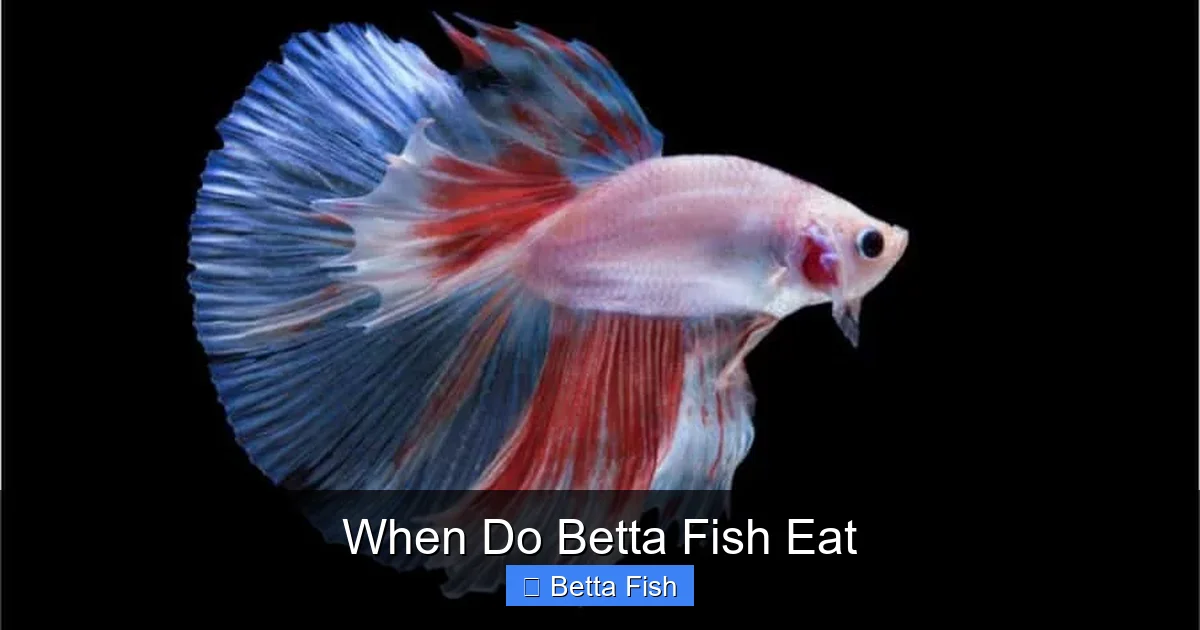
Visual guide about When Do Betta Fish Eat
Image source: a-z-animals.com
Morning vs. Evening: Does It Matter?
The specific time of day is less critical than the consistency. Choose a morning feeding time that fits your routine—perhaps right after you have your own breakfast—and stick to it. If you opt for two feedings, space them about 10-12 hours apart (e.g., 8 AM and 8 PM). The key is predictability. A betta will learn to anticipate its meal, becoming more active and curious at feeding time. This routine also makes it easier for you to monitor its health, as a sudden disinterest in a normally anticipated meal is one of the first signs of potential illness.
The “Two to Three Pellet” Rule
Quantity is everything. The most reliable visual guide is to offer no more than 2-3 high-quality betta pellets per meal for an adult fish. A good pellet should be no larger than the size of your betta’s eye when dry; it will expand in water. If you are using other foods like frozen brine shrimp, the equivalent is a small pinch, roughly the size of a pea. The “two-minute rule” is a good backup: add food slowly, and stop when your betta has been actively eating for about two minutes. Any food left floating after 3-5 minutes is almost certainly overfeeding and must be siphoned out immediately to maintain water quality.
Factors That Change the Feeding Clock
While the standard schedule is an excellent starting point, a responsible betta owner knows that when you feed a betta fish must be tailored to the individual and its circumstances. Several key factors can necessitate adjustments to the routine.

Visual guide about When Do Betta Fish Eat
Image source: a-z-animals.com
Age and Life Stage
Betta fry (babies) have voracious appetites and tiny stomachs. They require 3-4 small meals per day of appropriately sized foods like infusoria, newly hatched brine shrimp, or finely crushed premium fry food. As they grow into juveniles, you can taper to 2-3 meals daily. Adult bettas (6 months to 3-4 years) settle into the standard 1-2 meals. Senior bettas (4+ years) often have slower metabolisms and may only want a small meal every other day. Always let their body condition and appetite guide you.
Water Temperature
Temperature is the master dial for a betta’s metabolism. They are tropical fish, thriving in water between 76°F and 82°F (24°C – 28°C). If the water is at the cooler end of this range (e.g., 76°F), their digestion slows down. In this case, feeding once a day is perfectly adequate, and you might even consider a meal every other day. Conversely, if the water is a warm 81°F, their metabolism will be humming, and they may be more active and eager for two small meals. Never feed a cold betta. If the tank is below 75°F, their digestive enzymes are nearly inactive, and food will rot inside them, causing deadly constipation and bloat.
Activity Level and Personality
Some bettas are lazy “couch potatoes” who lounge on a leaf all day. Others are perpetual motion machines, constantly flaring and patrolling their territory. The active betta in a larger, planted tank with enrichment may burn more calories and welcome two small meals. The serene, less active betta in a smaller tank may be perfectly content with one. Watch your fish. Is it energetically hunting for food, or does it glance lazily and swim away? The latter is a clear signal to reduce the offering.
The Critical “Don’ts”: Common Feeding Mistakes That Harm
Knowing what to avoid is just as important as knowing the schedule. The phrase “when do betta fish eat” is often misinterpreted as “how often can I see my betta eat?” This leads to the most prevalent and harmful practices.

Visual guide about When Do Betta Fish Eat
Image source: theaquaadvisor.com
The Peril of Overfeeding
This cannot be stressed enough. Overfeeding is the silent killer of bettas. The immediate consequence is constipation, which manifests as a swollen, “pinecone-like” abdomen and difficulty swimming. This can quickly escalate to a severe and often fatal swim bladder disorder, where the fish can no longer control its buoyancy, floating upside down or sinking to the bottom. Overfeeding also creates an excessive bioload. Uneaten food decays, fouling the water with ammonia and nitrites, poisoning your betta and stressing its immune system. In a small betta tank, this water quality crash can happen within hours.
Inconsistency and Boredom
Varying your feeding times wildly—sometimes at 9 AM, sometimes at 5 PM, sometimes not at all—confuses your betta’s internal clock and can lead to stress. Furthermore, feeding the exact same single food every single day, even in correct portions, leads to nutritional deficiencies. A monotonous diet lacks essential vitamins and minerals, weakening the fish over time and making it susceptible to disease.
Feeding the Wrong Foods
Bettas are obligate carnivores. They cannot digest plant matter effectively. Avoid “betta treats” that are mostly wheat or soy fillers. Also, never feed your betta food meant for other fish (like tropical community flakes or goldfish pellets), as these are often too bulky and plant-based. Human food is a definite no. Stick to high-quality pellets formulated specifically for bettas as your staple, and rotate in occasional treats of frozen or live foods like daphnia, bloodworms, or brine shrimp.
Special Considerations: When the Norm Doesn’t Apply
Life with a betta isn’t always routine. Certain situations require you to adapt the standard feeding guidelines.
Newly Acquired or Stressed Bettas
A new betta in a cycling tank, or one recovering from a move, is often too stressed to eat. Do not force food. Offer a tiny amount once a day for the first few days. If it ignores it, remove the food promptly. Try offering a tempting treat like a frozen bloodworm on a toothpick to stimulate interest. It may take 3-7 days for a new betta to feel secure enough to eat regularly. Pushing food on a stressed fish only pollutes the water and worsens its stress.
Illness and Appetite Loss
Loss of appetite is one of the first and most common signs of illness in fish. If your normally ravenous betta suddenly ignores food for more than two days, it’s a red flag. First, check your water parameters immediately—poor water quality is the most frequent cause of sickness. If the water is pristine, observe for other symptoms (clamped fins, spots, lethargy). For constipation-related issues (bloat), a 3-day fast is often the first and most effective treatment, followed by a daphnia meal to act as a natural laxative. For other illnesses, consult an aquatic veterinarian before attempting any treatment, and often, a continued fast is recommended until the fish begins to recover.
Breeding Bettas
Conditioning a betta pair for breeding involves a significant increase in high-quality, high-protein food. Both the male and female are typically fed 2-3 times daily for 2-4 weeks prior to spawning. This extra nutrition helps the female produce eggs and the male build his bubble nest. However, this is a temporary, intensive regimen for a specific purpose and should not be confused with standard long-term care. Once spawning is complete, parents are typically removed, and the fry begin their own intensive feeding schedule.
Building a Bond Through Observation
Ultimately, figuring out when your specific betta fish should eat is an act of close observation and care. It’s more than following a clock; it’s about learning your pet’s language. The feeding ritual is one of the most important interactions you have. Use this time to watch your betta closely. Does it dart to the surface with excitement? Does it take the food eagerly? Or does it seem hesitant, slow, or disinterested? Note the color of its body and the vibrancy of its fins. A healthy, well-fed betta will display brilliant colors and energetic, deliberate movements. A fish that is consistently underfed or overfed will appear dull, lethargic, and may develop physical deformities over time.
Maintain a feeding log for the first month if it helps. Jot down what you fed, how much, and your betta’s reaction. This data is invaluable. You’ll begin to see patterns that tell you exactly what your individual fish needs. This attentive care is what separates mere fish-keeping from true pet ownership. You are providing not just sustenance, but the foundation for a long, beautiful, and healthy life. By respecting their natural biology and observing their unique cues, you answer the question of “when to feed” with wisdom and compassion, ensuring your betta thrives as the stunning, personality-filled companion it was meant to be.
Frequently Asked Questions
Can I skip feeding my betta fish for a day or two?
Yes, absolutely. In fact, a 24-hour fast once a week is highly recommended to aid digestion and prevent constipation. Bettas in the wild often go without food for periods, so skipping a day or two is perfectly safe and beneficial for a healthy adult fish.
How can I tell if I’m overfeeding my betta?
Look for a visibly swollen or “pinecone” appearance of the scales, difficulty swimming (floating upside down or sinking), and excess waste or cloudy water. Uneaten pellets sitting on the substrate after 5 minutes are a clear sign you’ve offered too much.
What is the absolute best time of day to feed a betta fish?
There is no single “best” time. The most important factor is consistency. Pick a time that works for your daily schedule—morning or evening—and feed at that same time every day. This creates a reliable routine for both you and your betta.
Are pellets enough, or do bettas need live food?
High-quality, betta-specific pellets should form the staple of their diet (70-80%). Live or frozen foods like daphnia, brine shrimp, or bloodworms are excellent supplements 1-2 times per week for protein and variety, but should not replace pellets as the daily main course.
What should I do with my betta’s feeding schedule if I go on vacation?
Never use a “weekend feeder” block, as they dissolve and foul the water. The safest option is to have a trusted friend feed a single, tiny meal every other day. For short trips (3-4 days), you can simply fast your betta—it will be fine. Automatic feeders are risky for bettas due to their tiny portion needs.
My betta isn’t eating. What’s wrong?
First, test your water—poor water quality is the most common cause. Ensure the temperature is in the 78-80°F range. If the water is fine, your betta may be stressed, constipated, or ill. Try offering a tempting treat like a frozen bloodworm. If disinterest persists for more than 48 hours, investigate for signs of disease or consult an aquatic veterinarian.