Where Do Betta Fish Sleep
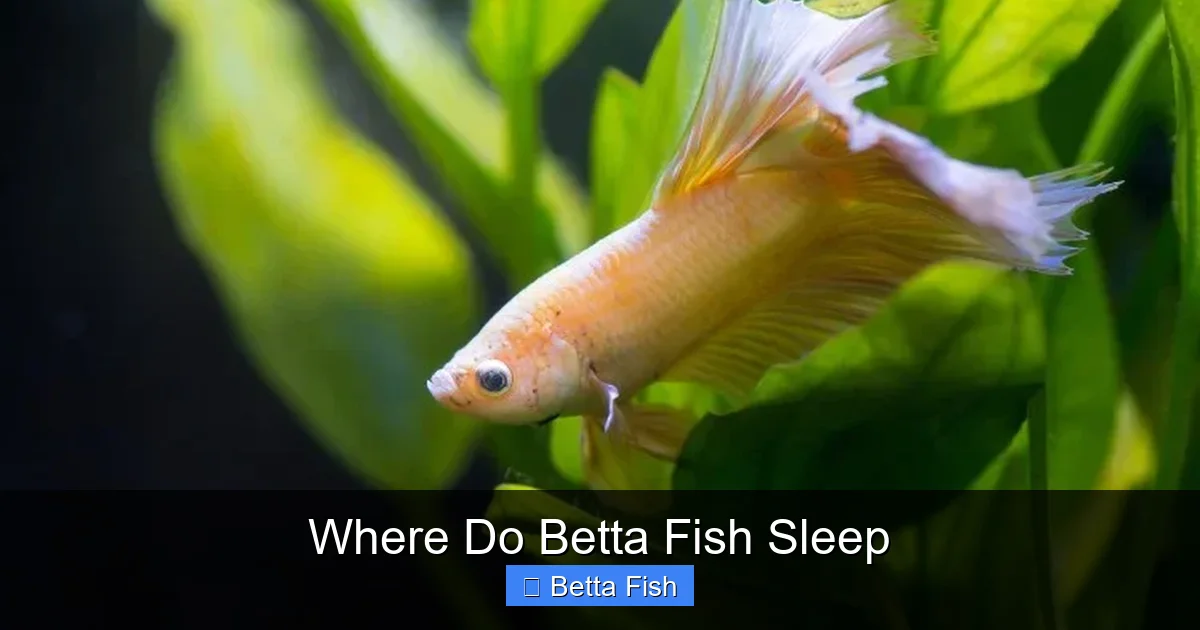
Betta fish don’t sleep like humans do. They experience periods of rest where they become inactive, often in surprising locations like the water’s surface, on plant leaves, or even on the tank bottom. Understanding their unique resting behavior is crucial for providing a safe, stress-free aquarium environment that supports their health and vibrant colors. Proper lighting, hiding spots, and water quality directly impact where and how well your betta rests.
Key Takeaways
- Bettas rest, not sleep: Betta fish enter a state of reduced activity and metabolism, similar to rest, but they do not have a true sleep-wake cycle like mammals.
- They sleep anywhere safe: In the wild and in tanks, bettas will rest on the substrate, on plant leaves, at the water’s surface, or inside decorations if they feel secure.
- The surface is a common spot: Due to their labyrinth organ, bettas often rest just below the water’s surface or even poke their heads out to breathe easily while inactive.
- Lighting dictates their schedule: Bettas are diurnal. They are most active during the day and will typically rest when the aquarium lights are off and the room is dark.
- Position can indicate health: A betta sleeping upside down, on its side, or constantly at the bottom may signal illness, poor water quality, or stress, not just normal rest.
- Secure, dark hiding spots are essential: Providing broad leaves, caves, and dimly lit areas gives your betta a safe place to rest, reducing stress and promoting well-being.
📑 Table of Contents
- Understanding the Betta Fish Rest Cycle
- The Wild Origins: Where Bettas Rest in Nature
- Common Sleeping Spots in the Home Aquarium
- Factors That Influence Where Your Betta Chooses to Rest
- When Resting Becomes a Problem: Health and Stress Indicators
- Creating the Perfect Betta Bedroom: Practical Tips for Owners
- Conclusion: Rest is a Reflection of Well-Being
Understanding the Betta Fish Rest Cycle
When you first bring a betta fish home, one of the most curious sights you might witness is seeing your new pet seemingly frozen in place, sometimes floating at the top, sometimes nestled on a leaf, or even lying on the gravel at the bottom. Your first thought might be, “Is my betta okay? Is it sleeping? Is it dead?” This is a completely normal and common concern for new betta owners. The truth is, the sleep and rest patterns of the betta splendens, or Siamese fighting fish, are wonderfully unique and differ significantly from what we expect from furry pets or even other fish species. To truly understand where do betta fish sleep, we must first reframe our thinking from “sleep” as we know it to “rest” as a betta experiences it.
Bettas, like all fish, do not possess eyelids. This means they cannot close their eyes, and they never experience the deep, unconscious REM sleep that humans and many animals do. Instead, they enter periods of profound inactivity where their metabolic rate slows, they become less responsive to stimuli, and they find a secure spot to conserve energy. During these periods, which typically align with darkness, they are vulnerable. In the wild, a resting betta is a betta at risk from predators. This fundamental instinct drives all of their sleeping and resting behaviors, both in their native rice paddies and in your living room aquarium. Their choice of resting spot is a direct reflection of their need for safety, oxygen, and comfort.
The Wild Origins: Where Bettas Rest in Nature
To answer the question of where do betta fish sleep most authentically, we need to travel to the shallow, warm, and often sluggish waters of Southeast Asia—Thailand, Cambodia, Vietnam, and Malaysia. Here, in the dense vegetation of rice paddies, ditches, and slow-moving streams, the betta has evolved its remarkable resting strategies. The water is frequently low in dissolved oxygen, hot, and thick with plant life. This environment shaped the betta’s most famous adaptation: the labyrinth organ. This specialized structure allows them to gulp air from the surface, making them largely independent of oxygen from the water itself.
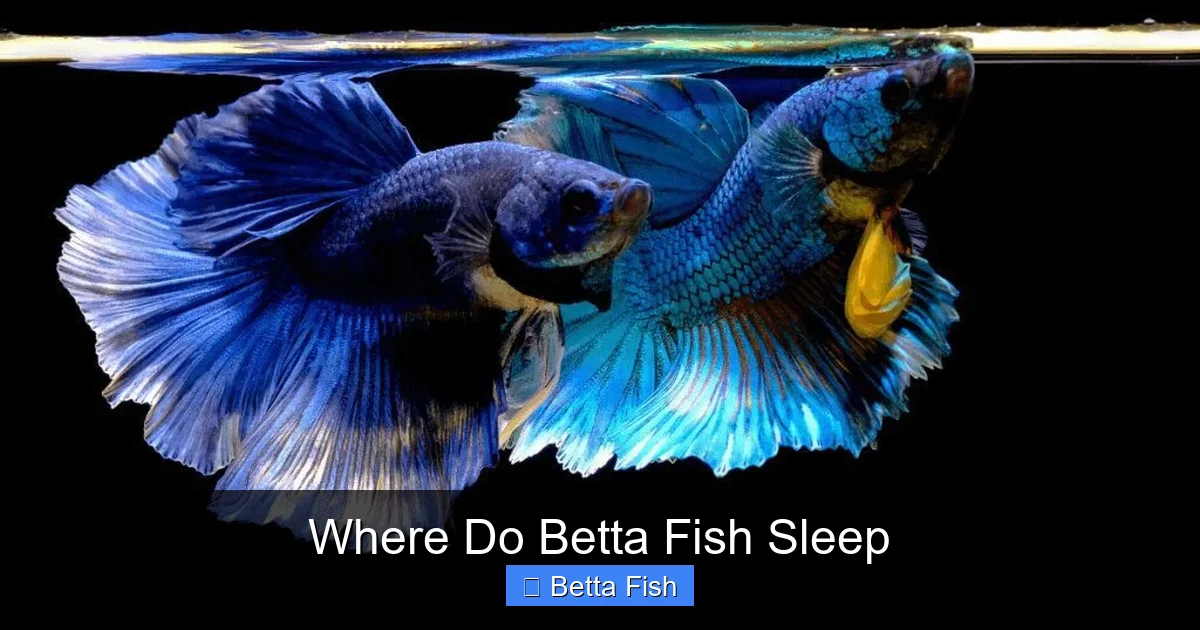
Visual guide about Where Do Betta Fish Sleep
Image source: wellnessvoice.com
Resting Among the Roots and Leaves
In the wild, a betta’s primary refuge is the dense mat of vegetation. Broad leaves of water hyacinths, hornworts, and other aquatic plants provide perfect perches. A betta will often select a leaf just below or right at the water’s surface. This location is a strategic masterpiece for a few reasons. First, it’s hidden from aerial predators like birds. Second, and most critically, it allows the betta to remain in the atmospheric air layer. With its head mere centimeters from the surface, it can effortlessly take a gulp of air with minimal energy expenditure, even while at rest. You’ll often see this replicated in captivity with bettas resting on broad-leaved plants like the Amazon Sword or, most famously, the Indian Almond Leaf.
Shelter in the Substrate and Debris
Not all rest happens at the top. Bettas are also fond of tucking themselves into the substrate, especially if it’s sandy or covered in fine leaf litter. They might burrow slightly or rest under a fallen leaf or piece of driftwood. This provides camouflage from predators approaching from below or the side. The bottom can also be a cooler spot in very warm water, offering thermal regulation. However, resting on the bottom for extended periods in a home aquarium is often a red flag, which we will discuss later. In the wild, a betta on the bottom is one that feels exceptionally secure in its hiding spot.
Common Sleeping Spots in the Home Aquarium
Armed with the knowledge of their wild instincts, we can now decode the common resting spots you’ll observe in your betta tank. Your betta is simply trying to recreate the safe, oxygen-rich environments it evolved to use. Seeing where your individual fish chooses to rest is one of the best indicators of its sense of security and overall comfort.
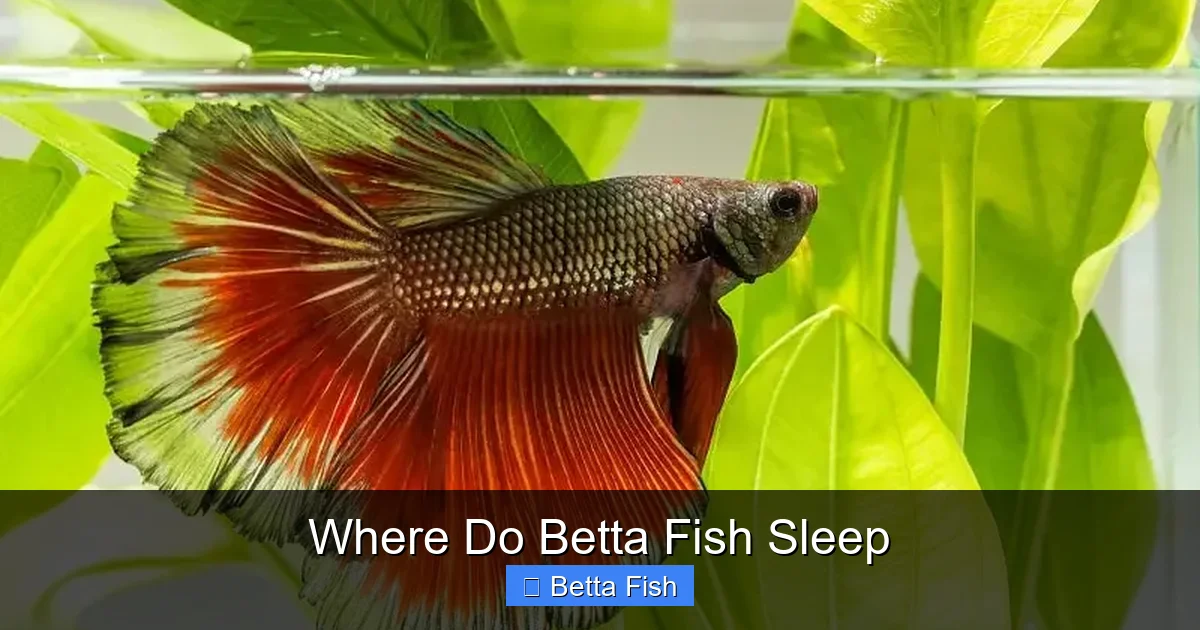
Visual guide about Where Do Betta Fish Sleep
Image source: fishkeepingworld.com
The Perch: On Top of Leaves and Decorations
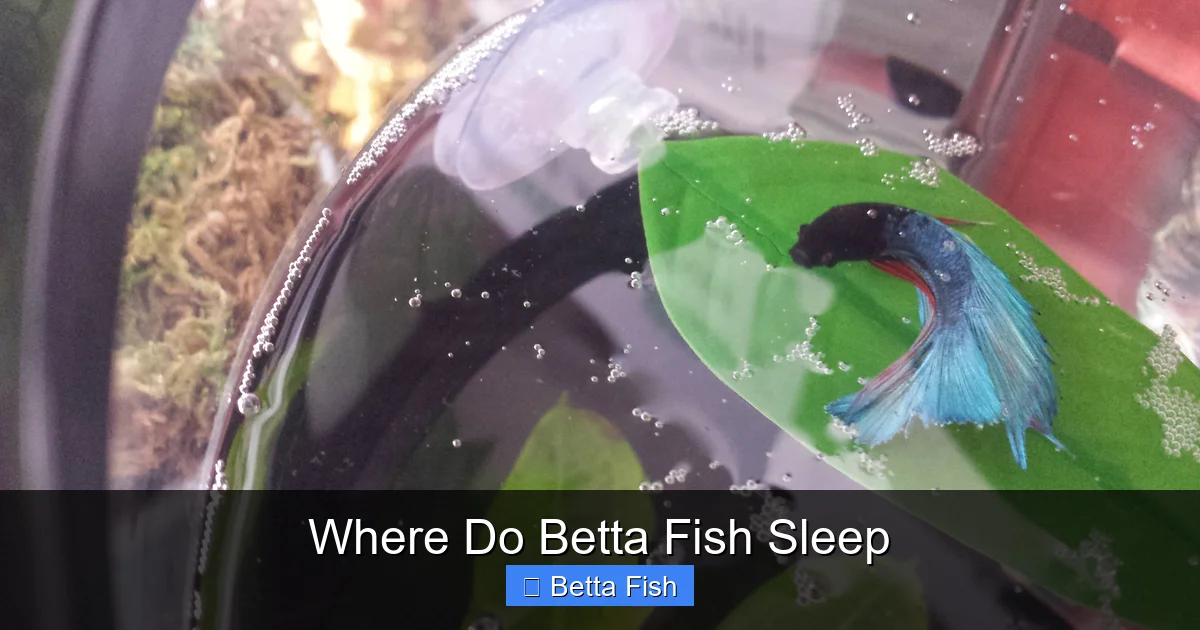
This is the classic “betta on a leaf” pose. If your betta has a broad-leafed plant—real or silk—it will almost certainly claim it as a favorite resting platform. The betta will often rest on the very top of the leaf, with its body supported and its head just above the water line. This mimics its wild behavior perfectly. You might also see it perched on the top of a castle ornament, a log, or even the rim of a filter outlet if the flow is gentle. This is generally a sign of a very comfortable and secure betta. It feels safe enough to be out in the open, elevated, and using its labyrinth organ with ease. Providing at least one broad, stable leaf near the water’s surface is one of the single best things you can do for your betta’s welfare.
The Surface Skimmer: Floating Restfully
You might find your betta simply floating motionless near the top of the water, sometimes tilted slightly. This is another common resting position. It requires minimal effort and places the fish in prime position for air-gulping. A betta in this state might be using a piece of floating vegetation or just the water’s surface tension. It’s important to distinguish this from a betta that is struggling to stay at the surface due to swim bladder issues. A resting betta will be relatively still, not constantly bobbing or swimming erratically, and will quickly spring to life when gently prodded (with a finger near the glass, not touching).
The Bottom Dweller: Resting on the Substrate
This is the spot that causes the most alarm for owners. A betta lying on the bottom of the tank, often on its side, can look deceased. However, it can be completely normal. Some bettas are just “bottom sleepers.” They may find a sandy patch or a flat rock and rest there, especially if the water is warm and they feel safe from overhead threats. The key is context and frequency. If your betta occasionally rests on the bottom for short periods during the night and is vibrant and active during the day, it’s likely just its preferred style. If, however, it is *constantly* on the bottom, lethargic, clamped, or not coming up for food, this is a serious sign of potential illness (like dropsy, swim bladder disease, or velvet), severe stress, or poor water quality. The bottom is a vulnerable place; a healthy betta will rarely choose it unless it feels very secure or is too unwell to do otherwise.
The Hider: Inside Caves and Dense Plants
Shy or stressed bettas will seek out complete darkness and cover. They will wedge themselves inside a small cave, behind a filter, or deep within a thicket of plants. This is a classic stress response in a new environment or if the tank is too bright or has aggressive tank mates. While it’s natural to want to see your fish, providing these dark, enclosed hiding spots is vital for reducing stress. A betta that consistently hides and only comes out for food may need a quieter tank location, more cover, or a check on water parameters. Once it feels secure, you may see it start to venture out and perch more openly.
Factors That Influence Where Your Betta Chooses to Rest
Your betta’s choice of sleeping spot isn’t random. It’s a calculated decision based on several environmental factors you control. By optimizing these, you can encourage healthy resting habits and signal to your betta that it is in a safe, ideal home.
Visual guide about Where Do Betta Fish Sleep
Image source: bettafish.org
The Critical Role of Lighting and Day/Night Cycles
Bettas, like most animals, are diurnal, meaning they are active during the day and rest at night. Their internal clock is tied to light. In the absence of light, their instinct is to find a safe spot and rest. Therefore, maintaining a consistent day/night cycle is non-negotiable for a healthy betta. Use an aquarium light timer to provide 8-10 hours of light and 14-16 hours of complete darkness. Avoid leaving the tank light on 24/7; this causes chronic stress, disrupts rest, and can lead to algae problems. During the dark period, ensure the room is truly dark. A betta will not rest properly under constant low-level light or if the tank is in a brightly lit room at night. You might also notice your betta resting more during the day if the lighting is too harsh or intense; providing shaded areas with floating plants or decor can help.
Water Temperature and Quality
Bettas are tropical fish, preferring a stable temperature between 76°F and 82°F (24°C – 28°C). If the water is too cold, their metabolism slows drastically, and they may become lethargic, spending more time on the bottom trying to conserve energy. This is not restful sleep; it’s a state of torpor that weakens their immune system. Conversely, if the water is too hot (above 82°F), they may become stressed and gasp for air at the surface, which can be mistaken for resting. Water quality is paramount. High levels of ammonia, nitrite, or nitrate are toxic and irritating. A betta suffering from poor water will often clamp its fins, rub against objects, and become lethargic, resting on the bottom because it feels too unwell to swim. Clean, properly cycled water is the foundation for all behavior, including healthy rest.
Tank Mates and Perceived Threats
Bettas are famously territorial. The presence of other fish, especially those with long, flowing fins (like guppies) or bright colors that might be mistaken for rival bettas, can cause immense stress. A stressed betta will not rest openly. It will hide constantly, only darting out to flare or chase. Even peaceful tank mates that are active swimmers at the top can disturb a betta’s attempt to rest at the surface. If you want to see your betta perching confidently, it may need to be the sole inhabitant of its tank. A solitary betta in a suitably sized, well-decorated tank is far more likely to exhibit natural, relaxed resting behaviors than one living in a community.
When Resting Becomes a Problem: Health and Stress Indicators
Not all positions are created equal. While a betta sleeping on a leaf is a beautiful sight, a betta sleeping in a certain way can be the first visible symptom of a serious problem. Learning to read these signs is a key part of responsible betta ownership.
The “Dead” Betta: Sideways or Upside Down on the Bottom
This is the most alarming sight. A betta lying completely motionless on its side or upside down on the substrate is almost always suffering from a severe issue. The most common culprit is swim bladder disorder. The swim bladder is an internal gas-filled organ that helps the fish control its buoyancy. When it’s inflamed, compressed, or infected (often due to overfeeding, constipation, or bacterial infection), the fish loses all control and may float uncontrollably to the top or sink and lie helplessly on the bottom. Other possibilities include advanced stages of diseases like Dropsy (where the body swells) or severe internal parasites. This is not normal sleep. Immediate action is required: check water parameters, fast the fish for 24-48 hours, and consider treatment with a swim bladder medication or antibacterial.
Constant Hiding and Lack of Activity
If your betta is always in the back of the tank, tucked inside a cave, and only emerges for food (if that), it is chronically stressed. The causes are usually environmental: water parameters are off, the tank is too small (less than 5 gallons), there is aggressive or overly active tank mates, the lighting is too bright, or there are no adequate hiding spots. A stressed betta has a weakened immune system and is prone to disease. The solution is to diagnose and fix the environmental stressor. Sometimes, simply adding more plants, a taller piece of decor for a perch, or moving the tank to a quieter location can make a world of difference.
Gasping at the Surface vs. Resting at the Surface
There’s a fine but critical line between a betta comfortably resting at the surface and one desperately gasping for air. A resting betta will be still, often propped on something, and will take occasional, smooth gulps. A gasping betta will be visibly struggling, possibly darting to the surface repeatedly, its gills flaring rapidly, and it may appear pale or discolored. This is a sign of acute oxygen deprivation. While bettas have their labyrinth organ, severe oxygen deprivation in the water column can still stress them. Causes include extremely poor water quality, water that is too warm (which holds less oxygen), or a lack of surface agitation to facilitate gas exchange. Perform an immediate water test and partial water change.
Creating the Perfect Betta Bedroom: Practical Tips for Owners
Now that you understand the “why” behind betta rest, let’s focus on the “how.” You can design your aquarium to be a five-star resort for your betta, encouraging healthy, stress-free resting habits that you’ll love to observe.
Essential Furniture: Leaves, Hides, and Perches
The single best investment you can make for your betta’s rest is a broad-leafed plant. Real plants like Anubias or Java Fern can be attached to driftwood or rocks, and their wide leaves make ideal perches. Silk plants are a great, low-maintenance alternative. Look for varieties with leaves at least 1-2 inches wide. Floating plants like Duckweed or Floating Fern create a beautiful canopy at the surface, providing both shade and a resting platform. In addition to plants, provide at least one solid hide—a small ceramic cave, a coconut shell with a hole, or a PVC pipe section. This offers complete darkness and security. Finally, ensure there is something stable at the waterline for your betta to rest its head out of the water if it chooses, like the top of a tall ornament or the corner of a leaf.
Getting the Environment Just Right: Light, Temp, and Water
Use a simple timer for your aquarium light. Mimic a natural day cycle. During the “night,” consider covering the tank with a dark cloth if the room is bright, or ensure the tank is in a location that gets dark. Invest in a reliable aquarium heater and a separate thermometer to maintain a stable 78-80°F. Perform weekly partial water changes (25-30%) with dechlorinated water that is temperature-matched to the tank to keep nitrate levels low and water pristine. A clean tank is a restful tank.
Observing and Interpreting Your Betta’s Behavior
Spend a few quiet minutes each evening, after the tank lights have been off for an hour, using a dim red light (if needed) to observe your betta. Where is it? Is it perched on a leaf, floating, or hiding? How does it look? Is its body relaxed, or is it clamped tight? Is it coming up for air normally? This observational habit is your best diagnostic tool. You’ll learn your betta’s personal “normal.” If its resting behavior suddenly changes—for example, a previously open percher starts hiding constantly or lying on the bottom—it’s your first clue that something in its environment or health has shifted, prompting you to check water and watch for other symptoms.
Conclusion: Rest is a Reflection of Well-Being
The simple question, “Where do betta fish sleep?” opens a window into the complex world of betta behavior, instinct, and welfare. Their resting places are not arbitrary; they are a direct communication of how safe, comfortable, and healthy your betta feels. A betta lounging on a broad leaf in the dim light of evening is a betta that is content, secure, and thriving in the environment you’ve provided. It is a living testament to your care. Conversely, a betta that is constantly hiding, lethargic on the bottom, or gasping at the surface is sending an urgent distress signal about its health or habitat. By understanding their wild origins, providing the right furniture—broad leaves, hides, and perches—and meticulously maintaining pristine water conditions with a proper day/night cycle, you create the conditions for your betta to exhibit its most natural and beautiful behaviors. You move beyond just keeping a fish to truly providing a home where it can rest easy, and in doing so, you get to enjoy the peaceful privilege of watching one of nature’s most fascinating creatures at its most tranquil.
Frequently Asked Questions
Do betta fish sleep with their eyes open?
Yes, betta fish, like all fish, do not have eyelids and therefore cannot close their eyes. They rest with their eyes open, which is why they are always seemingly “watching” even when motionless and inactive.
Is it normal for my betta to sleep on its side at the bottom of the tank?
Occasional, brief resting on the bottom on its side can be normal for some individual bettas if they feel secure. However, if it is spending *most* of its time lethargic and motionless on its side, this is a serious red flag for illness like swim bladder disorder, poor water quality, or severe stress and requires immediate attention.
Why does my betta sleep at the water’s surface?
This is their most natural and preferred resting spot. Sleeping at the surface allows them to easily breathe air from their labyrinth organ with minimal effort. It also provides a sense of security from predators below and mimics their wild habitat of resting on vegetation just below the surface.
How can I tell if my betta is sleeping or dead?
>A sleeping/resting betta will show very subtle movement, like a slight fin twitch or gill flare, when you approach or gently tap the glass. A dead betta will be completely rigid, unresponsive, and may begin to decompose or be eaten by tank mates. If you are unsure, gently net the fish; a live betta will try to evade.
Should I turn off my betta’s light at night?
Absolutely. Bettas need a consistent day/night cycle to maintain healthy sleep/rest patterns and reduce stress. Use a timer to provide 8-10 hours of light and ensure 14-16 hours of complete darkness. Constant light disrupts their natural rhythm and can lead to health problems.
What is the best thing to put in my betta tank for it to sleep on?
The best item is a broad-leafed plant, either real (like Anubias) or silk. The leaf provides a stable, comfortable platform just below the surface. Floating plants are also excellent. Combine this with at least one dark cave or hide to give your betta options for complete security.