Can Betta Fish Be Paired with Ghost Shrimp
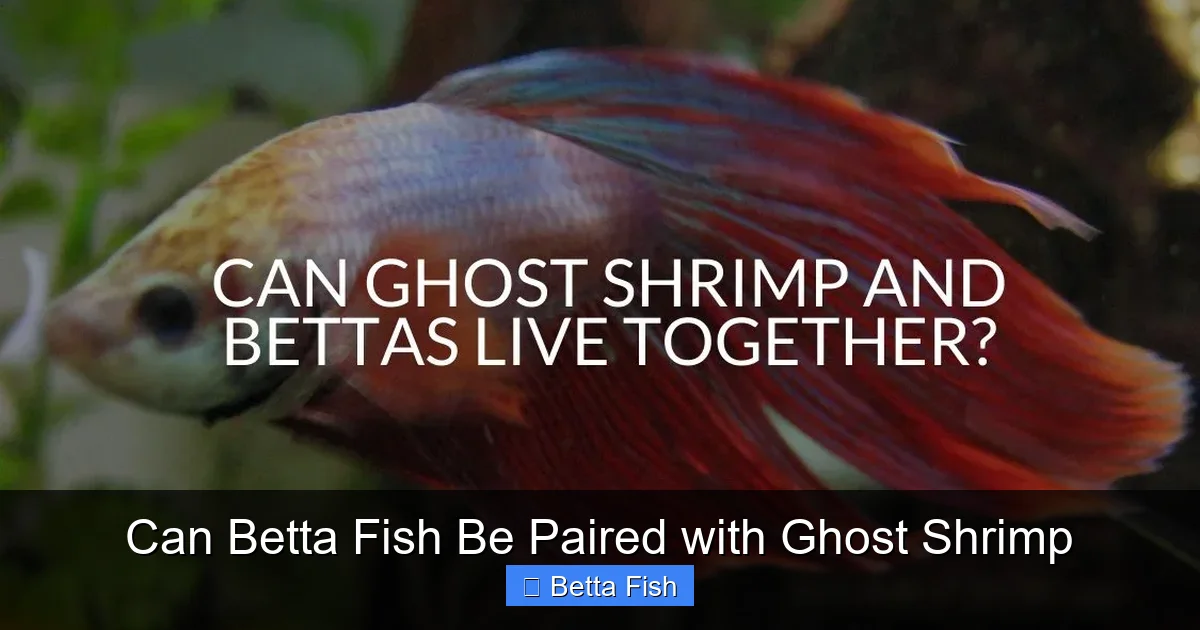
Wondering if a betta can live with ghost shrimp? In most cases, a calm betta and healthy ghost shrimp can coexist peacefully when the tank is set up correctly. Follow our guide to ensure both thrive together.
Key Takeaways
- Temperament matters: A peaceful male betta is more likely to accept ghost shrimp.
- Tank size is crucial: At least 5‑10 gallons gives both enough space to avoid stress.
- Hide spots help: Live plants and décor provide refuge for shrimp.
- Feeding strategy: Separate feeding prevents the betta from seeing shrimp as food.
- Monitor behavior: Early signs of aggression should prompt a tank redesign.
- Water parameters: Both species thrive in 76‑80°F (24‑27°C) and pH 6.5‑7.5.
- Species choice: Ghost shrimp are ideal because they’re hardy and transparent, making them less likely to trigger a betta’s predatory instincts.
📑 Table of Contents
Introduction: A Curious Pairing
If you’ve ever stared at a vibrant betta flaring its fins and wondered whether those delicate ghost shrimp could share the same water, you’re not alone. Many hobbyists love the idea of a colorful fish and a tiny, translucent crustacean living together, but the question remains: can betta fish be paired with ghost shrimp without drama?
In this article we’ll walk through everything you need to know—from temperament and tank setup to feeding tricks and warning signs. Think of it as a friendly chat over a cup of tea, with plenty of practical tips to help you create a harmonious community tank.
Understanding Betta Temperament
Why bettas can be aggressive
Betta splendens, also called Siamese fighting fish, are natural defenders of their territory. In the wild they guard small ponds, and in a tank they often see any newcomer as a rival. This instinct is why many people worry about adding shrimp.
When a betta is likely to be calm
Not all bettas are raging warriors. Males that have been raised in community tanks, or those that are slightly older, tend to be less territorial. A calm betta is the best candidate for sharing space with ghost shrimp.
Visual guide about Can Betta Fish Be Paired with Ghost Shrimp
Image source: theshrimpfarm.com
Ghost Shrimp Basics
What makes ghost shrimp a good match
Ghost shrimp (Palaemonetes sp.) are small, usually 1‑2 inches, and have a transparent body that blends into the environment. They are scavengers, feeding on leftovers and algae, which means they help keep the tank clean.
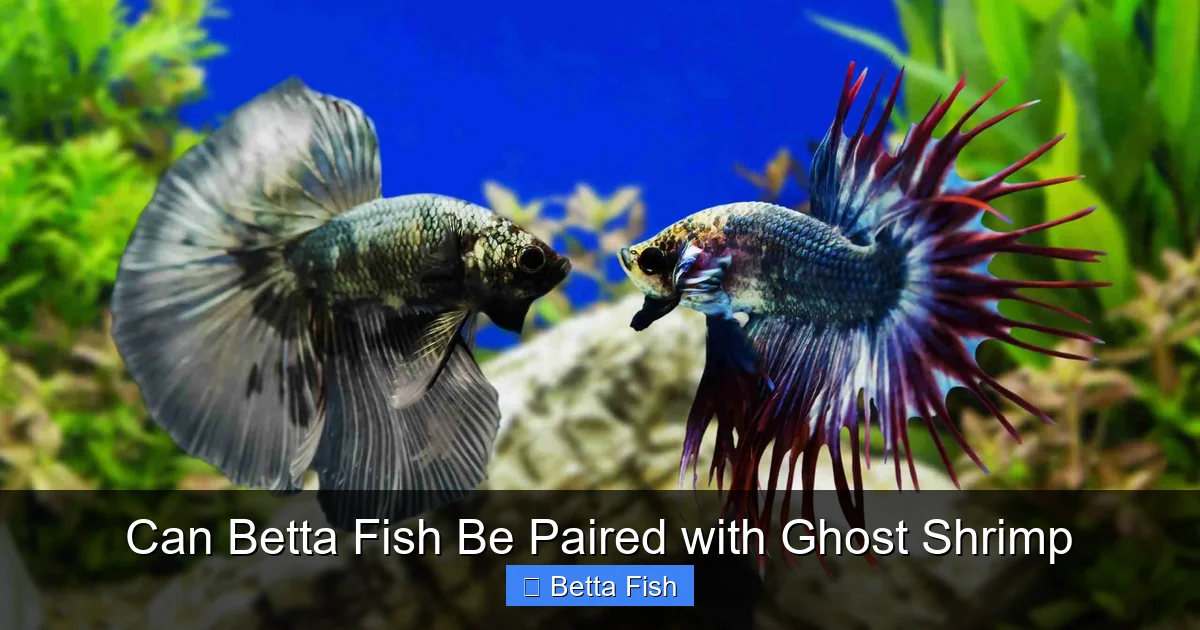
Visual guide about Can Betta Fish Be Paired with Ghost Shrimp
Image source: fishkeepingwisdom.com
Potential risks
Because they are tiny and move quickly, a betta that is still hunting may mistake them for food. That’s why monitoring is essential, especially during the first few weeks.
Setting Up the Tank for Success
Tank size and shape
Even a modest 5‑gallon tank can work, but larger is better. A 10‑gallon long tank gives the betta more horizontal space to claim a “territory” while providing shrimp with hiding spots.
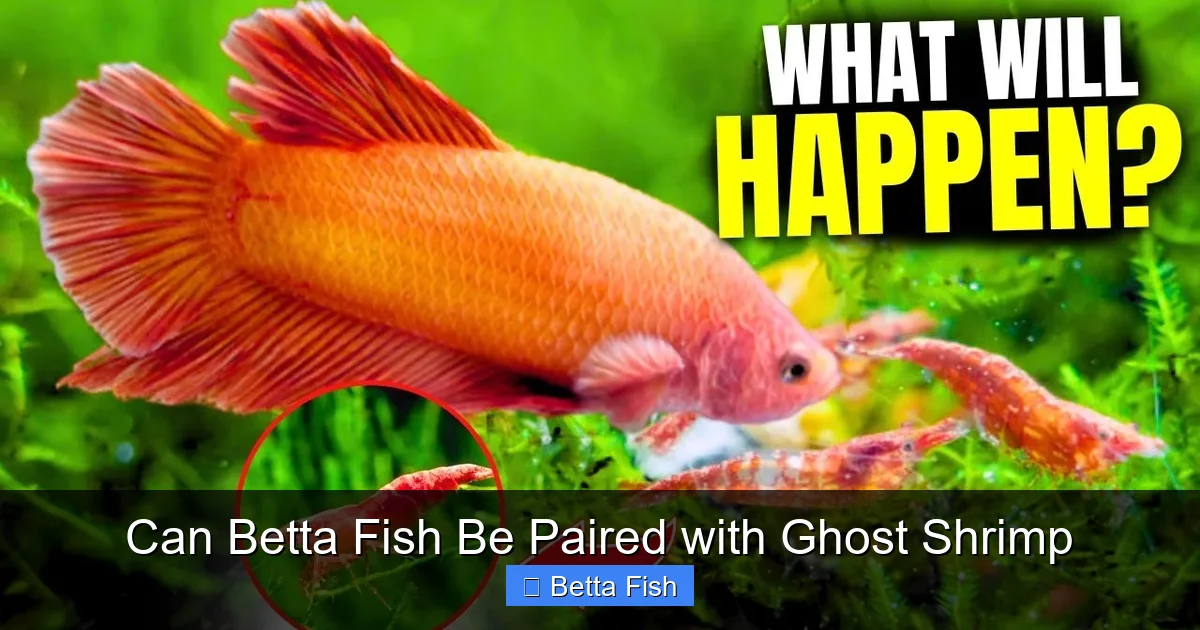
Visual guide about Can Betta Fish Be Paired with Ghost Shrimp
Image source: i.ytimg.com
Plants, décor, and hiding places
Live plants like Java fern, Anubias, or mosses create dense cover where shrimp can dart away. Add driftwood, caves, and ceramic pots. The more places the shrimp can disappear, the less likely the betta will see them.
Water parameters
Both species thrive in 76‑80°F (24‑27°C) and a pH of 6.5‑7.5. A gentle filter that creates low flow is ideal; strong currents can stress both betta and shrimp.
Lighting
Soft, diffused lighting reduces stress. Too bright a light can make the betta feel exposed and more aggressive.
Introducing Ghost Shrimp to a Betta
Acclimation steps
1. Float the shrimp bag in the betta’s tank for 15‑20 minutes to equalize temperature.
2. Slowly add a cup of tank water to the bag every 5 minutes, repeating 4‑5 times.
3. Gently release the shrimp into a corner with plenty of plants.
First‑day observations
Watch the betta’s reaction from a distance. If he flares but does not chase, give it a few days. If he darts at the shrimp, consider a divider or a separate tank.
Feeding Strategies to Keep Peace
Separate feeding zones
Use a feeding ring or a small cup to drop food near the shrimp’s hideout. This keeps the betta from associating the shrimp with a meal.
What to feed
Ghost shrimp love blanched vegetables (zucchini, spinach) and high‑quality shrimp pellets. Betta fish prefer high‑protein pellets or frozen bloodworms. Offering both types at different times reduces competition.
Monitoring and Troubleshooting
Signs of stress
For the betta: constant flaring, chasing, or loss of color.
For the shrimp: hiding all day, loss of appetite, or missing limbs.
When to intervene
If aggression escalates, a simple solution is a clear acrylic divider that lets water flow but blocks visual contact. Alternatively, move the shrimp to a separate “sump” tank and let the betta enjoy the main aquarium.
Long‑term compatibility
Most bettas and ghost shrimp settle into a peaceful routine after 2‑3 weeks. Regular water changes, stable parameters, and a well‑planted tank keep the harmony going.
Additional Community Tank Ideas
If you’re excited about a mixed setup, consider adding other peaceful tank mates such as small snails or shy neon tetras. Just remember to keep the total bioload in check.
For more information on shrimp compatibility, see our article on Can Shrimp Be With Betta Fish. It offers deeper insight into species that get along well.
Another great resource is Which Fish Can Be Kept With Betta, which outlines safe fish choices if you ever want to expand beyond shrimp.
Conclusion: Making the Pair Work
In short, can betta fish be paired with ghost shrimp? Yes—provided you choose a calm betta, give the shrimp plenty of hiding spots, and monitor their interactions closely. With the right tank size, plants, and feeding plan, you’ll enjoy watching a vibrant betta glide past the delicate dance of ghost shrimp, creating a lively yet peaceful aquarium.
Remember, every betta is an individual. Start slow, stay observant, and don’t be afraid to adjust the setup. When done right, the pairing can be a rewarding showcase of color and activity for any hobbyist.
Frequently Asked Questions
Will a male betta always attack ghost shrimp?
Not always. A calm, well‑socialized male betta may ignore ghost shrimp, especially if the tank offers plenty of cover.
How many ghost shrimp can I keep with one betta?
Start with a small group of 3‑5 shrimp. This provides a natural social dynamic without overwhelming the betta’s space.
Do ghost shrimp need special water conditions different from bettas?
Both prefer similar temperatures (76‑80°F) and slightly acidic to neutral pH. Just keep ammonia and nitrite at zero.
Can I add other invertebrates with this pair?
Yes, small snails like Nerite or Malaysian trumpet snails usually coexist well, as they’re too slow to trigger a betta’s hunting instinct.
What should I do if the betta starts chasing the shrimp?
Provide more hiding spots, reduce the betta’s visual access with a divider, or consider moving the shrimp to a separate tank.
How often should I feed ghost shrimp in a community tank?
Feed them small amounts of algae wafers or blanched veggies once daily. Overfeeding can lead to water quality issues that affect both species.