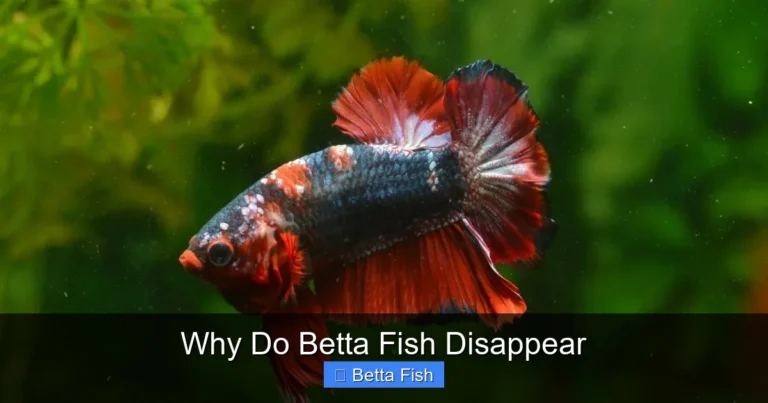
How to Enhance the Color of Betta Fish
Want a brighter, more dazzling betta? This guide shows how to enhance the color of betta fish using diet, lighting, water care, and simple tricks. Follow the friendly advice and watch your finned friend sparkle like never before.
Key Takeaways
- Quality diet matters: Live foods and color‑enhancing pellets are the fastest way to boost pigment.
- Proper lighting: Full‑spectrum LEDs mimic natural sunlight and stimulate vibrant hues.
- Water parameters are key: Stable temperature, pH, and low nitrates keep colors sharp.
- Stress reduction: A calm environment prevents faded colors caused by fear.
- Supplement wisely: Natural additives like spirulina and carotenoids support long‑term brilliance.
- Regular tank maintenance: Clean water and proper filtration maintain the backdrop for vivid colors.
- Patience pays off: Color changes happen gradually; consistent care yields the best results.
📑 Table of Contents
- Introduction: Why Color Matters for Betta Fish
- 1. Feeding for a Flashy Finish
- 2. Light It Right: The Role of Illumination
- 3. Water Quality: The Canvas for Color
- 4. Reducing Stress for Maximum Color
- 5. Natural Color Boosters and Supplements
- 6. Monitoring Progress and Adjusting Strategies
- Conclusion: Your Betta’s New Rainbow
Introduction: Why Color Matters for Betta Fish
Betta fish are famous for their flamboyant fins and eye‑catching colors. Whether you’re a seasoned hobbyist or just starting, a bright betta is a sign of good health and a happy environment. But not every betta is born a rainbow; many factors can dull their natural pigments. This article explains how to enhance the color of betta fish using simple, science‑backed methods that any keeper can apply.
We’ll walk through diet, lighting, water quality, stress management, and a few extra tricks. By the end, you’ll have a clear action plan to turn a muted swimmer into a living work of art.
1. Feeding for a Flashy Finish
Live Foods: The Gold Standard
Live foods such as brine shrimp, daphnia, and bloodworms are packed with natural pigments. These tiny critters contain carotenoids that bettas convert into reds, oranges, and yellows. Offer a small handful 2–3 times a week. The movement also stimulates hunting instincts, reducing stress.

Visual guide about How to Enhance the Color of Betta Fish
Image source: en.gradgroup.com
Color‑Boosting Pellets
If live foods are hard to source, look for high‑quality pellets labeled “color enhanced” or “beta‑bright.” These contain added spirulina, astaxanthin, and other carotenoids. Feed twice daily, giving only what the fish can consume in 2–3 minutes to avoid over‑feeding.
Supplemental Treats
- Spirulina flakes: Rich in blue‑green pigment, great for deepening blues and greens.
- Hawaiian shrimp: Adds a natural pink hue.
- Frozen mysis shrimp: Provides a burst of orange.
Rotate these treats to keep the diet varied and the colors vibrant.
2. Light It Right: The Role of Illumination
Full‑Spectrum LED Lights
Betta fish evolved under dappled sunlight. Full‑spectrum LEDs that emit 6500 K light mimic this environment, encouraging pigment expression. Keep the light on for 8–10 hours a day; too much light can stress the fish, while too little can cause dullness.
UV‑B Considerations
While bettas don’t need UV‑B like reptiles, a small amount can enhance red pigments. A low‑intensity UV‑B bulb placed on a timer for 1 hour daily can make a noticeable difference without harming the fish.
Positioning the Light
Place the light at a 45‑degree angle to avoid glare on the water surface. This creates a gentle shimmer that highlights fin movement and color.
3. Water Quality: The Canvas for Color
Temperature Stability
Betta fish thrive at 78–80 °F (25.5–26.5 °C). Consistent warmth boosts metabolism, which in turn supports pigment production. Use an adjustable heater and a reliable thermostat.

Visual guide about How to Enhance the Color of Betta Fish
Image source: i.pinimg.com
pH and Hardness
A slightly acidic to neutral pH (6.5–7.5) is ideal. Soft to medium‑hard water (50–150 ppm GH) helps maintain bright colors. Test weekly with a liquid kit and adjust with peat filter or mineral additives as needed.
Ammonia, Nitrite, Nitrate
Even low levels of ammonia or nitrite can stress bettas and cause color fading. Perform a partial water change (25 %) weekly and keep nitrates below 20 ppm. For detailed steps on water changes, see our guide on how to change the water in a betta fish tank.
Filtration Without Flow
Betas prefer gentle water movement. Use a sponge filter or a low‑flow hang‑on‑back (HOB) filter. This keeps the water clean while avoiding stress from strong currents.
4. Reducing Stress for Maximum Color
Tank Size and Layout
Even though bettas can live in small containers, a 5‑gallon tank provides space to explore and display colors fully. Add live plants or silk foliage for hiding spots; this lowers cortisol levels, which otherwise mute pigments.
Companion Compatibility
Male bettas are aggressive toward other males and many fin‑ned species. If you keep tank mates, choose peaceful, slow‑moving fish like Corydoras catfish or small rasboras. Always monitor behavior during the first week.
Handling and Routine
Limit handling to essential tasks. When you need to move the fish, use a soft net and keep movements smooth. For a step‑by‑step on safe handling, read how to get a betta fish out of the tank.
5. Natural Color Boosters and Supplements
Carotenoid‑Rich Vegetables
Finely chopped cooked carrots or zucchini can be offered sparingly. They are high in beta‑carotene, which the fish converts into orange‑red pigments.
Spirulina Powder
Mix a pinch of spirulina powder into the pellet food once a week. This boosts blues and greens without over‑feeding.
Aquarium Plants as Live Filters
Plants like Anubias, Java fern, and Amazon sword not only improve water quality but also release trace minerals that support pigment synthesis.
6. Monitoring Progress and Adjusting Strategies
Weekly Observations
Take a quick photo each week under the same lighting conditions. Compare the images to spot subtle changes in hue and intensity.
Adjusting Diet
If you notice a particular color lagging, increase the proportion of that pigment’s food source. For example, add more bloodworms for reds.
Seasonal Changes
During cooler months, bettas may naturally become less vibrant. Raise the heater slightly (by 1–2 °F) and ensure the photoperiod remains consistent.
Conclusion: Your Betta’s New Rainbow
Enhancing the color of betta fish is a rewarding blend of nutrition, environment, and attentive care. By feeding high‑quality, pigment‑rich foods, providing full‑spectrum lighting, maintaining pristine water, and minimizing stress, you create the perfect stage for your betta’s natural brilliance to shine. Remember, change is gradual—patience and consistency are your best tools. Follow these steps, and soon your betta will flaunt a kaleidoscope of colors that reflect both its health and your dedication.
Frequently Asked Questions
Can I change my betta’s color with artificial dyes?
Artificial dyes are not recommended. They can stress the fish and cause health problems. Natural diet and lighting are safer and more effective.
How long does it take to see brighter colors?
Most bettas show noticeable improvement within 2–4 weeks of consistent care. Full vibrancy may take up to two months.
Do male and female bettas respond differently to color‑enhancing methods?
Both sexes benefit equally, but males often display more dramatic color changes because they use hues for mating displays.
Is it okay to use the same lighting for all my aquarium fish?
Yes, as long as the light is full‑spectrum and the intensity is appropriate. Some delicate species may need lower intensity, so adjust the distance if needed.
Can over‑feeding affect my betta’s color?
Yes. Over‑feeding leads to poor water quality, which stresses the fish and can cause colors to fade. Feed small portions that are consumed in a few minutes.
Where can I learn more about overall betta care?
Our comprehensive guide on how to take care of betta fish covers everything from tank setup to health monitoring.