How to Tell If Overfeeding Betta Fish
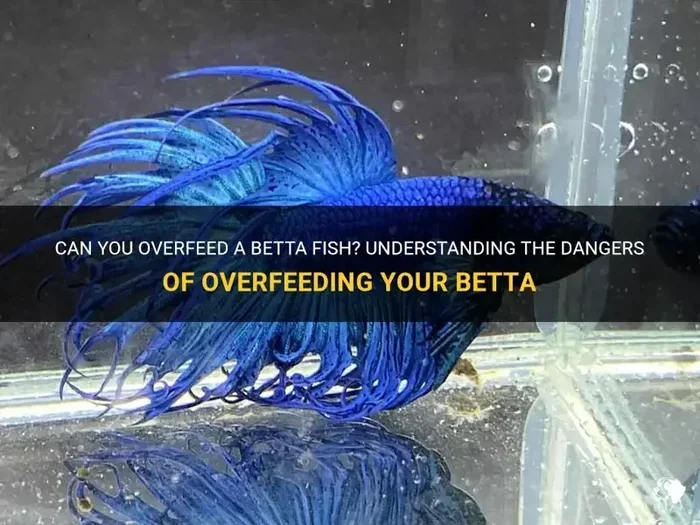
Overfeeding is one of the most common mistakes betta fish owners make. Knowing how to tell if overfeeding betta fish can save your fish from serious health problems like bloating, constipation, and poor water quality. This guide walks you through the clear signs, causes, and simple fixes so your betta stays healthy and happy.
If you own a betta fish, you have probably wondered at some point whether you are feeding it too much. The truth is that overfeeding is one of the top health risks for bettas kept in home aquariums. Many fish owners love their pets so much that they want to give them extra food. But that kindness can actually cause real harm. So how to tell if overfeeding betta fish? There are several clear signals your fish will send you if you know what to look for.
When a betta eats more than it needs, the extra food does not just disappear. It sinks to the bottom, rots, and releases toxic chemicals into the water. This makes the tank environment dangerous. At the same time, the fish itself suffers from digestive problems, bloating, and low energy. The good news is that catching the problem early makes it easy to fix. This article will walk you through every sign, cause, and solution you need to know.
Key Takeaways
- Clenched fins and a swollen belly are two of the most obvious signs of an overfed betta fish.
- Excess food decays in the tank, which spikes ammonia and harms your betta’s water quality.
- Feeding small portions twice a day is the gold standard for a healthy betta feeding schedule.
- Constipation and swim bladder issues often stem directly from overfeeding and can be treated at home.
- Slowing down on portions and removing uneaten food quickly are the best ways to prevent overfeeding problems.
📑 Table of Contents
- Why Overfeeding Betta Fish Is So Common
- How to Tell If Overfeeding Betta Fish — The Clear Signs
- What Happens When a Betta Fish Eats Too Much
- The Right Way to Feed Your Betta Fish
- Quick Tips to Prevent Overfeeding
- Common Mistakes Bettas Owners Make with Feeding
- When to Seek Help for an Overfed Betta
- Conclusion
Why Overfeeding Betta Fish Is So Common
Most betta owners start with the best intentions. They buy a small bag of betta pellets or flakes and feed their fish until the bowl looks full. But bettas have tiny stomachs. In fact, a betta’s stomach is roughly the size of its eye. That means even a few pellets can be too much at one time.
Another reason overfeeding happens is because bettas are opportunistic eaters. In the wild, food does not come on a schedule. When a betta sees food, it eats as much as it can. This instinct does not go away just because the fish lives in a tank at home. So your betta will often beg for food even when its belly is already full. Many owners mistake this begging behavior for hunger and add more food than needed.
Commercial fish food companies also play a role. Their packaging often shows pictures of fish eating large amounts. The feeding instructions on the back of the bag can be misleading too. These instructions are usually written for fish farms where water changes happen constantly. For a home aquarium, those same amounts are often too high.
How to Tell If Overfeeding Betta Fish — The Clear Signs
Now let us get to the heart of the matter. How to tell if overfeeding betta fish is happening in your tank? There are several physical, behavioral, and environmental clues. You do not need a degree in marine biology to spot them. Just pay close attention to the following signs.
Swollen or Bloated Belly
A bloated belly is the most visual sign of an overfed betta. When a betta eats too much, its stomach stretches and holds extra food. This creates a round, tight look on the fish’s midsection. A healthy betta should have a slightly rounded but not puffed-up belly. If the belly looks like a small balloon, you are likely overfeeding.
Sometimes the bloating comes with a slightly curved spine. The fish may look like it is hunched over. This is different from the natural drooping that older bettas experience. Overfeeding bloating tends to come on suddenly and gets worse with each feeding session.
Clenched or Torn Fins
Have you noticed your betta keeping its fins tightly closed against its body? This is called clamped fins, and it is a strong indicator of discomfort. An overfed betta often feels heavy and sluggish. In response, it curls its fins close to its body to rest. Over time, the extra strain can even cause fin tearing or deterioration.
If your betta normally keeps its fins wide open and flowing, a sudden change in fin position is worth investigating. Clamped fins alone do not always mean overfeeding, but paired with a swollen belly, the picture becomes clear.
Lethargy and Loss of Energy
Bettas are naturally curious and active fish. They explore their tank, build bubble nests, and respond to movement near the glass. When a betta is overfed, it becomes lethargic. You will notice it resting on the substrate more often, swimming slowly, or showing no interest in its surroundings.
This happens because the digestive system is working overtime to process excess food. The fish’s body diverts energy to digestion, leaving less energy for normal activity. If your once-lively betta suddenly seems tired all the time, think about how much and how often you are feeding it.
Uneaten Food Floating or Sinking
One of the simplest ways how to tell if overfeeding betta fish is to look at what is left after a feeding session. If there is food still floating on the surface or sinking to the bottom after five minutes, you gave too much. Bettas should finish their food within two to three minutes. Any leftover food is a waste and a danger to water quality.
Uneaten food does not just sit there harmlessly. It breaks down quickly and releases ammonia into the water. Even small amounts of ammonia can stress your betta and damage its gills over time. If you see food sitting in the tank long after feeding, reduce the amount at the next meal.
Changes in Droppings
It is not the most glamorous topic, but checking your betta’s droppings is a smart way to monitor its health. A well-fed betta produces firm, brown or tan droppings. An overfed betta often produces white, stringy, or watery waste. Constipation is a common result of overfeeding, and you may notice your betta straining or producing very little waste at all.
Healthy droppings should sink and hold their shape. If you see a trail of stringy white material, that is a clear sign the digestive system is struggling. This is one of the more overlooked clues that many betta owners miss entirely.
Water Quality Problems
Overfeeding does not just affect the fish directly. It also wrecks the tank’s water parameters. Excess food decays and raises ammonia and nitrite levels. If your water tests show a spike in ammonia shortly after feeding, overfeeding is almost certainly the cause.
Cloudy water, a foul smell, or green algae blooms can all be linked to too much food in the tank. Bettas are sensitive creatures, and even small changes in water chemistry can cause stress. If you have tested your water and found high ammonia, the first thing to check is your feeding routine.
What Happens When a Betta Fish Eats Too Much
Understanding the consequences of overfeeding helps you take it seriously. When a betta consistently eats more than it needs, several health problems can develop. Some are mild and easy to fix. Others can become life-threatening if left untreated.
Digestive Problems and Constipation
The most immediate effect of overfeeding is digestive distress. A betta’s stomach is small and designed for small, frequent meals. When it gets overloaded, the food sits in the gut and expands. This can cause constipation, which makes the fish uncomfortable and unable to swim properly.
Constipation can also lead to a condition called swim bladder disorder. The swim bladder controls buoyancy, and when it gets compressed by a full stomach or trapped gas, the fish may float upside down or sink to the bottom. While swim bladder issues can have other causes too, overfeeding is the number one trigger.
Bloating and Dropsy
Chronic overfeeding can lead to a condition called dropsy, which is a buildup of fluid inside the fish’s body. The scales begin to stick out like a pinecone, and the fish looks extremely swollen. Dropsy is often a sign of kidney failure caused by prolonged poor water conditions. Overfeeding contributes heavily to those poor water conditions.
Dropsy is very difficult to treat and often fatal. This is why catching overfeeding early is so important. By the time dropsy appears, the damage is usually severe. Prevention through proper feeding habits is always better than treatment.
Poor Water Quality and Disease
When uneaten food decays in the tank, it releases ammonia. Even low levels of ammonia burn the gills and stress the immune system. A stressed betta is much more likely to develop infections, fin rot, and ich. These secondary diseases are often the real killers, even though the root cause is overfeeding.
If you have been battling recurring health issues with your betta, take a hard look at how much and how often you feed it. In many cases, simply reducing the food intake solves the problem without needing any medication at all.
The Right Way to Feed Your Betta Fish
Now that you know how to tell if overfeeding betta fish, let us talk about what the right feeding approach looks like. A good feeding routine keeps your betta healthy, active, and free from digestive problems.
Feed Small Portions Twice a Day
The general rule for betta feeding is two small meals per day. Each meal should be no more than two to three pellets or a small pinch of flakes. Think of it as a bite-sized portion for a tiny animal. If you are unsure whether the amount is right, start with less and increase only if the fish finishes everything within two minutes.
Some betta owners follow a fasting schedule too. Skipping one feeding day per week gives the digestive system a chance to fully process and clear out any remaining food. This simple practice can prevent constipation and keep your betta’s gut healthy.
Choose High-Quality Food
Not all betta food is created equal. Cheap pellets and flakes are often filled with fillers like cornstarch and wheat flour. These ingredients expand in the fish’s stomach and cause bloating even in normal amounts. Look for foods where the first ingredient is a real protein source like fish meal, shrimp, or bloodworms.
Frozen or live foods like brine shrimp and daphnia make excellent treats. They are high in protein and easy to digest. Just remember that treats should make up no more than 10 to 20 percent of the total diet. The staple food should still be a quality betta pellet.
Remove Uneaten Food Promptly
After each feeding session, watch your betta closely. Once it stops eating, check the tank for any leftover food. Use a small net or turkey baster to remove anything that has not been eaten. This keeps the water clean and prevents the buildup of harmful toxins.
Some owners use automatic feeders, which can be helpful. But these devices sometimes dispense too much food at once. If you use one, set it to the smallest possible portion and check that your betta is finishing the food before the next cycle.
Match the Feeding Amount to Your Fish’s Size
Not all bettas are the same size. A large, full-grown male betta will need slightly more food than a small female or a young fish. Watch your individual fish and adjust portions accordingly. A good visual guide is that the food portion should be roughly the size of the betta’s eye per feeding.
If you are ever unsure, it is better to underfeed slightly than to overfeed. Bettas can easily go a day without food and will not suffer any harm. In fact, a slight gap between meals helps the digestive system stay clean and efficient.
Quick Tips to Prevent Overfeeding
Prevention is always easier than cure. Here are some quick and practical tips to keep your feeding routine on track:
- Set a feeding schedule and stick to it. Feed your betta at the same times each day, such as morning and evening.
- Use a measuring tool like a small scoop or tweezers to control portion sizes precisely.
- Do not feed on demand. If your betta is begging, it is probably just instinct, not actual hunger.
- Keep a log of feeding times and amounts so you can spot patterns or problems early.
- Watch your betta’s weight and shape regularly. A healthy betta should be sleek and streamlined, not round and puffy.
- Perform regular water changes to keep the tank clean, especially if you have been feeding a bit too much in the past.
- If you are going on vacation, use an automatic feeder set to a minimal amount or ask a friend to feed a tiny portion once.
These small habits add up over time and make a huge difference in your betta’s long-term health. If you want more guidance on keeping your betta in top shape, check out our How To Take Care Of A Betta Fish Water guide for essential water maintenance tips.
Common Mistakes Bettas Owners Make with Feeding
Even experienced fish keepers sometimes fall into bad feeding habits. Here are the most common mistakes and how to avoid them.
Mistake 1: Following the Package Instructions Too Closely
Fish food packaging often recommends feeding amounts that are too large for a home aquarium. Those instructions are usually based on commercial farming conditions where water is changed multiple times a day. In your home tank, uneaten food accumulates and degrades water quality fast. Always start with less than the package suggests and adjust based on your fish’s behavior.
Mistake 2: Feeding the Same Food Every Day
A monotonous diet can cause nutritional gaps and digestive sluggishness. Variety is important for bettas. Rotating between high-quality pellets, frozen foods, and occasional live treats keeps the digestive system working well and provides a broader range of nutrients.
Mistake 3: Ignoring the Signs of Overfeeding
Many owners notice the signs of overfeeding but assume they are normal. A slightly swollen belly or slow swimming might seem like nothing, but these are often early warnings. If you see these signs consistently, take action immediately by reducing portions and increasing water changes.
Mistake 4: Overcompensating After a Missed Feeding
If you accidentally skip a feeding, do not give your betta double the amount at the next meal. Bettas handle missed meals just fine and will not go hungry from a single skipped feeding. Overcompensating is one of the fastest ways to overfeed and cause digestive problems.
If you are concerned about your betta’s health after a period of overfeeding, it is a good idea to learn more about how to tell if your betta fish is sick so you can catch any developing issues early and take the right steps to help your fish recover.
When to Seek Help for an Overfed Betta
Most cases of mild overfeeding resolve on their own once you adjust the feeding amount and clean up uneaten food. But sometimes, overfeeding leads to more serious conditions that need extra attention.
If your betta shows signs of severe bloating, is floating or sinking abnormally, stops eating entirely for more than two days, or has visible signs of infection, it is time to take action. You can try a short fasting period of one to two days to help the digestive system reset. After that, offer a very small portion of easily digestible food like a single pellet soaked in tank water.
If the problem persists, consider doing a partial water change and testing the water parameters. High ammonia or nitrite levels caused by overfeeding may require additional treatment. In persistent cases, consulting a veterinarian who specializes in fish health can make all the difference.
Also, if you notice your betta showing unusual behavior like staying at the bottom of the tank, rubbing against decorations, or displaying clamped fins for an extended period, these could be signs of an underlying issue beyond just overfeeding. Learning how can you tell if your betta fish is sick will help you distinguish between simple overfeeding symptoms and more serious health conditions that need targeted care.
Conclusion
Knowing how to tell if overfeeding betta fish is one of the most valuable skills any betta owner can develop. The signs are there if you pay attention. A swollen belly, clamped fins, lethargy, uneaten food, and changes in droppings all point to the same problem: your betta is eating too much. The good news is that fixing the issue is straightforward. Reduce portions, feed twice a day, remove leftovers, and keep the water clean. Your betta will reward you with vibrant colors, active swimming, and a long, healthy life.
Remember that a little food goes a long way with bettas. Less really is more when it comes to feeding these beautiful fish. Start today by looking at your current feeding routine and making small adjustments where needed. Your betta will thank you for it.
Frequently Asked Questions
How much should I feed my betta fish each day?
Feed your betta two to three pellets or a small pinch of flakes per meal, twice a day. The total amount should be no larger than the size of the fish’s eye. If there is any food left after two minutes, you have given too much.
What are the first signs of overfeeding a betta fish?
The first signs include a swollen or bloated belly, clamped fins, and uneaten food sitting in the tank after feeding. Your betta may also become less active and show less interest in its surroundings. These early signals are your cue to reduce the portion size immediately.
Can overfeeding kill a betta fish?
Yes, overfeeding can indirectly kill a betta fish. Excess food decays and raises ammonia levels in the tank, which damages the gills and weakens the immune system. Chronic overfeeding can also cause severe digestive issues, constipation, and dropsy, all of which can be fatal if left untreated.
How often should I fast my betta fish?
Fasting your betta once a week is a great practice. Skip one feeding day per week to give the digestive system a break. This helps prevent constipation, clears out undigested food, and supports overall gut health. Most bettas handle a weekly fast with no problems at all.
What should I do if I accidentally overfed my betta?
If you overfeed your betta, remove any uneaten food from the tank right away. Skip the next feeding to let the digestive system settle. Offer a small portion after the fasting period and monitor your fish for signs of bloating or discomfort. A partial water change can also help reset water quality.
Is it normal for a betta fish to spit out its food?
Yes, bettas sometimes spit out their food as a way to soften or break it down before swallowing. This is normal behavior and not necessarily a sign of overfeeding. However, if your betta consistently spits out food and leaves most of it uneaten, reduce the portion size and try a different food type.