How to Tell If My Betta Fish Likes Me
Figuring out how to tell if my betta fish likes me is easier than you think. Your betta shows love through flaring, swimming patterns, eating eagerly, and even greeting you at the tank glass. By learning these betta fish behavior signs, you can build a stronger bond with your betta and ensure your fish feels safe, happy, and healthy.
Have you ever stood in front of your betta fish tank and wondered, “Does my fish actually like me?” It might sound like a silly question, but betta fish are more aware of their surroundings than most people think. These vibrant little creatures have personalities, moods, and yes, they can show affection in their own unique ways.
Understanding how to tell if my betta fish likes me comes down to observing betta fish behavior closely. From the way they swim to how they react during feeding time, every action tells a story. Once you learn the signals, you will start noticing your betta reaching out to you in ways you never expected.
This guide breaks down every sign that shows your betta feels comfortable, safe, and happy around you. We will cover body language, feeding habits, tank behavior, and even some advanced bonding signs that prove your fish really does care. Whether you are a beginner or a seasoned betta keeper, you will find practical tips to strengthen your connection with your pet.
Key Takeaways
- Swimming toward you and flaring playfully are clear signs your betta feels comfortable and curious around you.
- A healthy appetite and excited feeding response show your betta trusts you and associates you with food.
- Bright colors and relaxed body posture indicate a happy, stress-free fish that enjoys your presence.
- Building bubbles and following your finger are advanced bonding behaviors that mean your betta really likes you.
- Regular tank maintenance and gentle interaction strengthen the trust between you and your betta over time.
- Watch for warning signs like hiding or dull colors, which may mean your betta is stressed or unwell.
- Learning your betta’s unique personality helps you understand their individual ways of showing affection.
📑 Table of Contents
Understanding Betta Fish Body Language
Betta fish body language is the first window into how your fish feels about you. Unlike dogs or cats, bettas cannot wag a tail or purr. Instead, they use subtle movements and physical changes to communicate. Learning to read these signals is the key to answering how to tell if my betta fish likes me.
Flaring: More Than Just a Show
Flaring is when your betta spreads its gills and fins wide. Many new owners panic when they see this, thinking their fish is angry or scared. But here is the truth: a controlled flare directed at you often means curiosity and interest. Your betta is saying, “I see you, and I am paying attention.”
If your betta flares gently when you approach the tank but then settles back down, that is a great sign. It means your fish feels safe enough to express itself around you. However, constant aggressive flaring with clamped fins could signal stress, so watch the full picture.
Relaxed Fins and Open Posture
When a betta feels threatened, its fins close tightly against its body. This is called “clamping.” On the flip side, when your betta swims with relaxed, open fins, it means the fish is at ease. A happy betta will often float near the top of the tank or rest on a leaf with fins fully spread.
Think of it like a cat stretching out in a sunbeam. Your fish is saying, “I feel safe here.” If your betta does this while you are nearby, you are doing something right.
How Your Betta Reacts to You
The way your betta responds when you are near the tank tells you a lot. Some bettas are shy at first, while others seem to thrive on human attention. Over time, you will notice patterns in how your fish reacts to your presence.
Swimming to the Front of the Tank
If your betta consistently swims to the front of the tank when you walk by, take it as a compliment. This is one of the clearest signs your betta recognizes you. It is like your fish is saying, “Hey, there you are!” Some bettas even follow your finger as you move along the glass.
This behavior develops over time through regular betta fish interaction. The more you spend time near the tank, the more your betta will see you as part of its environment. Try talking softly or gently tapping the glass to encourage this bonding behavior.
Greeting You at Feeding Time
One of the easiest ways to know your betta likes you is its reaction during feeding time. A betta that gets excited and swims up eagerly when you approach the tank is showing trust and anticipation. It has learned that you are the provider, and it feels safe enough to show enthusiasm.
If you want to build on this, try hand-feeding your betta small pieces of food. This takes trust to a whole new level. Just make sure you are using appropriate betta fish food like pellets or frozen brine shrimp. For more tips on feeding schedules and techniques, check out our guide on how to feed my betta fish.
Signs of a Happy and Healthy Betta
A betta that likes its environment and its owner will show physical signs of happiness. These indicators go hand in hand with emotional bonding. If your fish looks vibrant and active, there is a good chance it feels connected to you.
Bright, Vibrant Colors
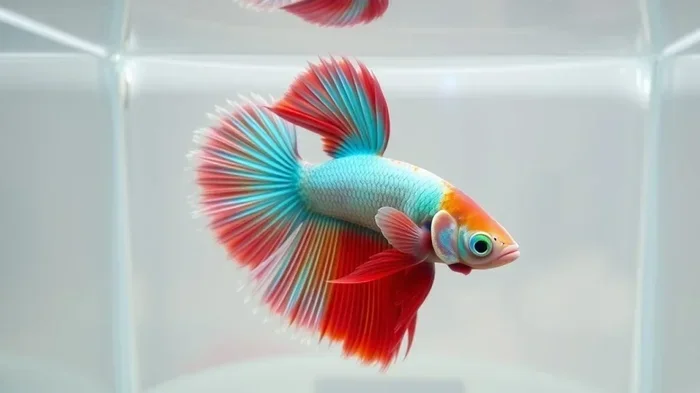
Healthy bettas display rich, vivid colors like deep blues, bright reds, and lush greens. When a betta is stressed or unhappy, its colors fade. If you notice your fish looking dull or pale, it could be a sign of stress or illness. You can learn more about identifying health issues in our article on how to tell if my betta fish is sick.
When your betta is happy and comfortable around you, its colors will naturally intensify. This is especially noticeable in males, who tend to be the most colorful. Think of it as your fish “blushing” when it feels good.
Active Swimming Patterns
A happy betta fish swims with purpose and energy. It explores the tank, zooms around occasionally, and rests peacefully in between. If your fish is lethargic or stays hidden, something may be wrong. But if your betta actively swims around the tank when you are nearby, it is a positive sign.
Some bettas even do little “spiral swims” or dance-like movements when they are excited. This playful behavior often happens when the owner approaches or during feeding time. It is their way of showing joy and enthusiasm.
Building Trust and Bonding with Your Betta
Bonding with a betta fish takes patience, but the rewards are worth it. Unlike many other pets, bettas respond well to consistent routines and gentle interaction. Once your betta trusts you, the bonding experience becomes truly special.
Consistency Is Key
Bettas thrive on routine. Feed your fish at the same times each day. Spend a few minutes sitting near the tank every evening. When your betta learns your schedule, it will start anticipating your presence. This predictability builds a sense of security that strengthens the bond between you.
Try to avoid sudden loud noises or rapid movements near the tank. These can startle your fish and set back the trust-building process. Gentle, calm interactions are always the best approach.
Creating a Comfortable Tank Environment
A stressed betta cannot form a bond with you. Make sure your tank setup supports your fish’s well-being. Keep the water temperature between 76 and 82 degrees Fahrenheit, maintain clean water, and provide plenty of hiding spots and plants.
If you are struggling with tank temperature, our guide on how to keep my betta fish warm without a heater offers helpful solutions. A comfortable fish is a happy fish, and a happy fish is more likely to show affection toward you.
Reducing Stress for Better Bonding
Stress is the number one enemy of the betta fish-owner bond. Common stressors include poor water quality, aggressive tank mates, bright flashing lights, and sudden changes in the environment. When your betta is stressed, it will withdraw and stop showing interest in you.
If you suspect your fish is stressed, take steps to calm the environment. Dim the lights, reduce noise, and make sure the tank is clean. For more detailed advice on helping your fish relax, read our article on how to destress my betta fish. A destressed betta is an open, affectionate betta.
Advanced Signs Your Betta Really Likes You
Once you have mastered the basics, you can look for more advanced behaviors that show a deeper level of trust and affection. These signs are especially rewarding for owners who have spent time building a relationship with their fish.
Bubble Nests and Your Presence
Male bettas build bubble nests at the surface of the water. While this behavior is natural and related to breeding, it also signals that your fish feels safe and comfortable in its environment. If your betta builds a nest while you are nearby, it is a sign of contentment and trust.
Some owners report that their bettas build bigger or more frequent bubble nests after spending quality time with them. While this is not scientifically proven, many experienced betta keepers swear by this connection. It is a heartwarming sign that your fish feels at home.
Recognizing Your Face
Here is something amazing: bettas can actually recognize their owners. Studies and anecdotal evidence suggest that bettas respond differently to familiar faces versus strangers. If your betta gets more active or excited when it sees you compared to other people, that is a strong sign of recognition and affection.
This recognition develops over weeks and months of regular interaction. So the more time you spend near your tank, the more your betta will learn to know you. It is like having a tiny, colorful friend who is always happy to see you.
Accepting Hand Presence
A betta that tolerates or even welcomes your hand near the tank glass has reached a high level of trust. Some bettas will swim right up to your hand and inspect it curiously. Others may flare gently but then settle down once they realize you mean no harm.
This kind of trust does not happen overnight. It develops through weeks of gentle, consistent interaction. Never try to reach into the tank suddenly or grab your fish. Instead, let your hand rest near the glass and allow your betta to approach on its own terms.
Common Mistakes That Push Your Betta Away
While learning how to tell if my betta fish likes me is important, it is equally important to know what behaviors can damage the bond. Avoiding these common mistakes will help you maintain a strong, healthy relationship with your fish.
- Tap the glass too hard or too often — This startles your betta and creates negative associations with your presence.
- Overfeed your fish — Excess food ruins water quality and makes your betta sick. For guidance, see our article on what do I do if I overfeed my betta fish.
- Ignore water changes — Dirty water leads to stress, illness, and a disinterested fish.
- Keep the tank in a noisy or high-traffic area — Constant disturbances make bettas anxious and withdrawn.
- Use bright, flickering lights near the tank — This mimics predator threats and causes unnecessary stress.
By avoiding these pitfalls, you create a stable, peaceful environment where your betta can thrive and show its true personality.
When to Seek Help for Your Betta
Sometimes, even with the best care, a betta may stop showing signs of affection. This could indicate an underlying health issue. If your fish suddenly becomes lethargic, loses color, stops eating, or hides constantly, it is time to investigate further.
Common illnesses like swim bladder disease, fin rot, and ich can cause dramatic changes in behavior. If you notice anything unusual, check our guide on how to tell if my betta fish is sick for early warning signs. Catching problems early gives your fish the best chance of recovery.
Also, remember that some bettas are simply more shy or independent than others. Not every fish will be a cuddly, interactive companion, and that is perfectly okay. Every betta has its own personality, and part of the joy of keeping bettas is learning to appreciate their individual quirks.
Quick Tips to Strengthen Your Bond
- Sit near the tank for a few minutes each day so your betta gets used to your presence.
- Feed your betta at consistent times to build trust and anticipation.
- Talk softly near the tank so your fish gets used to your voice.
- Keep the tank clean and the water parameters stable.
- Avoid sudden movements or loud noises around the tank.
- Introduce new decorations slowly to prevent stress.
- Watch your betta’s body language daily to catch any changes early.
Building a bond with your betta fish is one of the most rewarding parts of fish keeping. When you learn how to tell if my betta fish likes me, you unlock a deeper understanding of your pet’s emotional world. Every flare, every excited swim to the front of the tank, and every eager feeding response is your betta saying, “I am glad you are here.”
Take your time, be patient, and enjoy the process. Your betta may not be able to give you a hug or a wagging tail, but it has its own beautiful ways of showing love. Pay attention, respond with care, and you will find that your little fish friend is more connected to you than you ever imagined.
For more information on keeping your betta happy and healthy, explore our other resources on betta care. A well-cared-for betta is a betta that will show you affection for years to come.
Frequently Asked Questions
How long does it take for a betta fish to get used to me?
Most bettas take two to four weeks to become comfortable with their owner’s presence. During this time, spend quiet moments near the tank daily. Avoid sudden movements and let your fish approach you at its own pace. Consistency and patience are the keys to building trust faster.
Can my betta fish actually recognize my face?
Yes, there is evidence that bettas can distinguish between familiar and unfamiliar faces. They associate their owner with feeding and positive interactions. Over time, your betta will likely show more excitement when it sees you compared to strangers walking by the tank.
Why does my betta flare at me but then swim closer?
This behavior usually means your betta is curious and interested, not aggressive. A gentle flare followed by swimming closer is a sign that your fish is paying attention to you and feels safe enough to express itself. It is essentially your betta’s way of saying hello.
What should I do if my betta stops showing signs of affection?
First, check the water quality and temperature to make sure the tank environment is optimal. Then observe for signs of illness like loss of color, lethargy, or loss of appetite. If the behavior persists, consult a fish health guide or visit our article on how can I tell if my betta fish is sick for early detection tips.
Is hand-feeding my betta safe?
Yes, hand-feeding is safe and can significantly strengthen your bond with your betta. Start by offering small pieces of food between your thumb and finger. Be patient, as it may take several attempts before your fish feels comfortable enough to eat from your hand. Always wash your hands before and after to protect water quality.
Do female bettas show affection differently than males?
Female bettas can be just as affectionate as males, though they tend to be slightly less flamboyant in their displays. Both genders recognize owners and respond to feeding routines. To learn more about the differences between male and female bettas, check out our guide on how to tell a female betta fish from a male.
=== CONCLUSION ===
Learning how to tell if my betta fish likes me is a journey that rewards patience and observation. From relaxed fins and bright colors to excited feeding responses and bubble nests, your betta has many ways of showing you it cares. By paying attention to these signs and creating a comfortable, stress-free environment, you can build a meaningful bond with your fish that lasts for years.
Remember that every betta is unique. Some will be outgoing and interactive, while others will be more reserved. Both personalities are beautiful in their own way. The most important thing is to respect your fish’s individual nature and respond with gentle, consistent care. Your efforts will be rewarded with a happy, healthy, and affectionate companion that brings joy to your daily life.