How Do Female Betta Fish Look Like
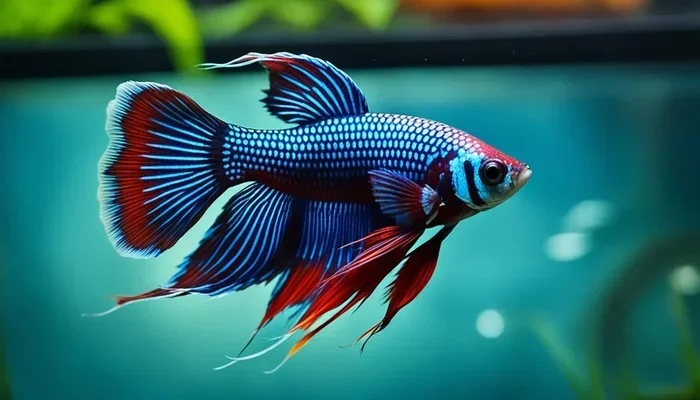
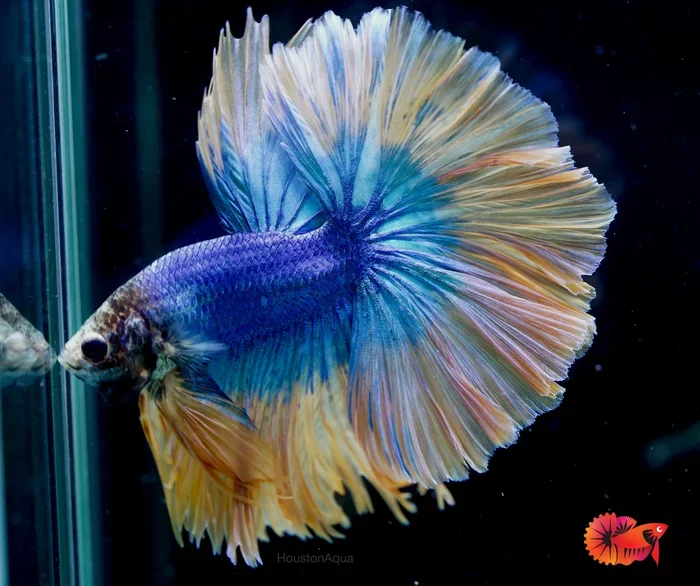
So, how do female betta fish look like? Female bettas have a more rounded, wider body shape, shorter fins, and duller colors compared to males. They come in beautiful shades of brown, tan, and muted tones, and they lack the long flowing fins that make male bettas so popular. If you are trying to tell the difference between male and female bettas, knowing what to look for makes it much easier.
If you have ever walked into a pet store and stared at a row of colorful betta fish, you probably noticed that some look very different from others. The bright, long-finned fish in the front display are usually males. But what about the ones hiding in the back? How do female betta fish look like, and why does it matter?
Understanding the physical appearance of female bettas is important for several reasons. Whether you are a new fish keeper trying to identify the gender of your pet, or you are planning to set up a community tank, knowing what female bettas look like helps you make better decisions. This guide breaks down everything you need to know about female betta fish appearance in simple, easy-to-follow terms.
The differences between male and female bettas are not just about looks. They affect behavior, tank setup, feeding habits, and even how long your fish lives. So let us dive right in and explore the world of female betta fish characteristics in detail.
Key Takeaways
- Female betta fish have a wider, rounder body shape compared to the slim, elongated males.
- Female bettas display shorter fins and tails that are much less dramatic than male bettas.
- Female betta colors tend to be muted, with shades of brown, tan, and pale tones.
- Females have a visible white egg spot (ovipositor) on their underside that males do not have.
- Female bettas can be aggressive too, especially when housed together or during breeding.
- Knowing how do female betta fish look like helps you properly identify and care for them.
📑 Table of Contents
- Basic Physical Appearance of Female Betta Fish
- Coloration and Patterns in Female Betta Fish
- How to Identify a Female Betta Fish
- Male vs Female Betta Fish: Key Differences
- Why Does Female Betta Appearance Matter?
- Common Mistakes When Identifying Female Betta Fish
- How Female Betta Fish Appearance Changes Over Time
- Expert Tips for Observing Female Betta Fish
- Conclusion
Basic Physical Appearance of Female Betta Fish
When you first look at a female betta, the most obvious difference is the body shape. Female bettas have a shorter, rounder, and wider body compared to males. Males tend to be long and slim with a streamlined profile. Females, on the other hand, carry a more compact and plump silhouette, especially when they are carrying eggs.
Their fins are another clear giveaway. Female betta fins are noticeably shorter and less flowing than those of males. The tail fin, dorsal fin, and anal fin on a female are all more compact and close to the body. This gives them a much simpler, less flashy look compared to the elaborate fins of a male betta.
Body Shape and Size
A healthy female betta typically grows to about 2 to 3 inches in length. Their body width is greater than that of males, giving them a somewhat oval or egg-like shape when viewed from above. This wider body is especially noticeable in females that are ready to breed, as they carry eggs internally.
Here are some key physical traits of female bettas:
- Body shape: Rounder and wider than males
- Average size: 2 to 3 inches long
- Fin length: Short and close to the body
- Overall profile: Compact and less streamlined
Fin and Tail Differences
One of the easiest ways to tell a female betta from a male is by looking at the fins. Male bettas have long, flowing fins that can be several times longer than their body. Female bettas have short fins that sit neatly against their body. The tail fin, also called the caudal fin, on a female is smaller and less dramatic.
The anal fin on a female is also shorter. In males, the anal fin often becomes elongated and pointed, especially during breeding season. Females keep theirs short and rounded. These fin differences make identification straightforward even for beginners.
Coloration and Patterns in Female Betta Fish
When people think of betta fish, they often picture the vivid blues, reds, and greens of male bettas. Female bettas have a different color palette. Their colors tend to be more subdued and natural. Common shades include brown, tan, beige, and pale green. Some females do display brighter colors, but they are usually less intense than those of males.
Female betta coloration can still be quite beautiful in its own way. Many females have subtle iridescent highlights that shimmer in the right lighting. The patterns on their scales can include stripes, spots, and gradient effects that add to their unique charm.
Common Colors Found in Female Bettas
Female bettas come in a range of natural tones. Here are some of the most common colors you will see:
- Brown and tan: The most common base color for females
- Pale green: Often seen with a slight shimmer
- Beige and cream: Soft, muted tones
- Muted blue or red: Less vibrant versions of male colors
- Dark brown or black markings: Often appear as spots or stripes
Patterns and Markings
Female bettas can display a variety of patterns on their scales. Some have horizontal stripes running along their body, which is actually a sign of a healthy, mature female. Others may show scattered spots or a marbled effect where two colors blend together.
These betta fish patterns are natural and vary from fish to fish. The stripes on a female betta are sometimes called “breeding bars” because they become more visible when the fish is ready to mate. This is one of the key visual cues that experienced fish keepers look for.
How to Identify a Female Betta Fish
If you are still wondering how do female betta fish look like in real life, here is a practical guide to identification. The process is easier than you might think, and with a little practice, you will be able to tell the gender of any betta fish with confidence.
The Egg Spot (Ovipositor)
The single most reliable way to identify a female betta is the egg spot, also known as the ovipositor. This is a small, white or pale dot located on the underside of the fish, near the belly area. It is where the eggs will exit the body during spawning. Males do not have this spot.
Not all females show a clearly visible egg spot, especially if they are young or not ready to breed. However, in most mature females, it is visible and easy to spot. If you see a white dot on the underside of a betta, there is a very good chance you are looking at a female.
Body Shape Comparison
Comparing the body shape side by side is another effective method. Place a male and female betta next to each other (in separate containers, of course), and the differences become immediately obvious. The male will look longer and more angular, while the female will appear shorter and wider.
This visual comparison method works well for beginners and experienced fish keepers alike. Over time, you will start to recognize the female body shape instinctively without needing a male for comparison.
Behavioral Clues
While behavior alone cannot tell you the gender, it can support your visual identification. Female bettas tend to be less flamboyant in their movements. Males often flare their gills and spread their fins to display, while females keep a lower profile. Females may also build bubble nests, though this behavior is more commonly associated with males.
Male vs Female Betta Fish: Key Differences
Understanding the differences between male and female bettas is essential for proper fish care. Below is a comparison of the most important visual and behavioral traits.
| Feature | Male Betta | Female Betta |
|---|---|---|
| Body Shape | Long, slim, and streamlined | Short, round, and wider |
| Fin Length | Long, flowing fins | Short, compact fins |
| Color Intensity | Bright and vivid | Muted and subdued |
| Egg Spot | Absent | Present (white dot on underside) |
| Average Size | 2.5 to 3 inches | 2 to 3 inches |
| Flaring Behavior | Frequent and dramatic | Less frequent and subtle |
| Bubble Nest Building | Common | Occasional |
This table should help clarify the visual differences. If you want a deeper dive into gender identification, you can check out our guide on how to identify betta fish male or female for more detailed tips and techniques.
Why Does Female Betta Appearance Matter?
Knowing what female bettas look like is not just a fun fact. It has real practical implications for fish care and tank management. Let us look at why this knowledge matters.
Tank Setup and Compatibility
Female bettas behave differently from males. While male bettas are known for being aggressive toward other males, females can also be territorial, especially in groups. Understanding their appearance helps you set up the right tank environment. Females need hiding spots, plants, and enough space to establish their own territories.
If you are planning a community tank, knowing the physical traits of female bettas helps you choose compatible tank mates. You will also be able to identify any aggression issues early by recognizing which fish are female and how they are interacting.
Breeding Considerations
If you are interested in breeding bettas, identifying the female correctly is critical. The egg spot, body shape, and color changes all play a role in determining whether a female is ready to breed. Mistaking a male for a female (or vice versa) can lead to failed breeding attempts or even fish injury.
For more information on finding the right female for breeding, you can read our article on how to find female betta fish ready to breed.
Health Monitoring
Female bettas that are carrying eggs may show changes in appearance. Their belly may swell, and their color may become slightly more intense. Recognizing these normal changes helps you monitor their health and provide proper nutrition during this stage.
Common Mistakes When Identifying Female Betta Fish
Even experienced fish keepers sometimes make mistakes when identifying betta fish gender. Here are some common errors to avoid.
- Assuming all dull-colored bettas are female: Some male bettas have naturally muted colors, especially certain breeds.
- Relying only on fin length: Young male bettas may have short fins before they fully mature.
- Ignoring the egg spot: The egg spot is the most reliable indicator, so do not skip this check.
- Confusing female aggression with illness: Females can be territorial and flare, which is normal behavior, not a sign of sickness.
To learn more about distinguishing the genders accurately, visit our guide on how to differentiate between male and female betta fish for expert-backed tips.
How Female Betta Fish Appearance Changes Over Time
A female betta does not always look the same throughout her life. Young females may look very different from mature females. Understanding these changes helps you provide the right care at every stage.
Juvenile bettas of both genders look quite similar. They have short fins, muted colors, and no visible egg spot. As they reach maturity, usually around 3 to 4 months of age, the differences start to appear. The female body begins to widen, and the egg spot becomes visible.
During breeding season, a healthy female may develop more vivid colors and show stronger breeding bars (horizontal stripes). After spawning, her appearance may return to normal. These changes are all natural and part of the betta life cycle.
Expert Tips for Observing Female Betta Fish
Here are some practical tips from experienced fish keepers to help you observe and identify female bettas more effectively.
- Use a flashlight: Shining a light from behind the tank can make the egg spot more visible on females.
- Observe from above: Looking down into the tank helps you see the body shape and width more clearly.
- Be patient: Young bettas may not show clear gender differences until they are a few months old.
- Compare with reference photos: Looking at pictures of confirmed female bettas helps train your eye.
- Check the water temperature: Warmer water (around 78 to 80 degrees Fahrenheit) can trigger breeding colors and behaviors in females.
For more care tips, you can also check out our article on how to look after betta fish to ensure your female betta stays healthy and happy.
Conclusion
So, how do female betta fish look like? Now you know the answer. Female bettas have a rounder, wider body, shorter fins, and muted colors compared to their male counterparts. The white egg spot on their underside is the most reliable way to confirm their gender. Their colors may be more subtle, but they are just as charming and fascinating to observe.
Whether you are a beginner or a seasoned fish keeper, understanding the appearance of female bettas helps you provide better care, set up the right tank, and even breed them successfully if you choose to. Pay attention to the body shape, fin length, coloration, and the egg spot, and you will be able to identify any female betta with confidence.
Learning how do female betta fish look like is the first step toward becoming a knowledgeable and responsible betta owner. Keep observing, keep learning, and enjoy the wonderful world of betta fish.
Frequently Asked Questions
How can you tell if a betta fish is female?
The easiest way is to look for the egg spot, a small white dot on the underside of the fish near the belly. Females also have a rounder, wider body shape and shorter fins compared to males. These visual differences make identification straightforward.
What colors do female betta fish come in?
Female bettas typically display muted colors such as brown, tan, beige, and pale green. Some may have subtle iridescent highlights or patterns like stripes and spots. Their colors are generally less vivid than those of male bettas.
Do female betta fish have long fins?
No, female bettas have short fins that sit close to their body. Their fins are much shorter and less flowing than the long, dramatic fins seen on male bettas. This is one of the most reliable visual differences between the two genders.
Can female betta fish be aggressive?
Yes, female bettas can be aggressive, especially when kept in groups or during breeding. They may flare their gills and chase other fish. Proper tank setup with hiding spots and enough space helps reduce aggression.
What is the egg spot on a female betta fish?
The egg spot, also called the ovipositor, is a small white or pale dot on the underside of a female betta. It is where eggs exit the body during spawning. Males do not have this spot, making it the most reliable gender identifier.
How big do female betta fish get?
Female bettas typically grow to about 2 to 3 inches in length. Their body is wider and rounder than males, but they are similar in overall size. Proper feeding and clean water help them reach their full growth potential.