Yes—female bettas can build bubble nests, though it’s less common than in males. Understanding the conditions that trigger nesting helps you provide the right environment and spot the signs early.
Key Takeaways
- Females can nest: Female bettas are capable of making bubble nests, especially when ready to breed.
- Environment matters: Warm water, calm surface, and proper diet boost nesting behavior.
- Size of the nest: Female nests are usually smaller and less elaborate than male nests.
- Hormonal cues: Presence of a male or hormonal changes can trigger a female to start building.
- Observation tips: Look for clusters of bubbles near the water surface and increased activity.
- Health indicator: A healthy, stress‑free female is more likely to build a nest.
- Breeding setup: Providing a separate breeding tank and hiding places encourages successful spawning.
📑 Table of Contents
- Introduction: The Mystery of the Female Bubble Nest
- What Is a Bubble Nest and Why Do Betta Fish Build Them?
- Can a Female Betta Fish Make a Bubble Nest? The Short Answer
- How to Spot a Female’s Bubble Nest
- Creating the Perfect Environment for a Female Nest
- Breeding Scenarios: When the Female Takes the Lead
- Common Mistakes and How to Avoid Them
- Conclusion: Embrace the Unexpected
Introduction: The Mystery of the Female Bubble Nest
If you’ve ever watched a male betta puff out his gills, flare his fins, and then start spitting bubbles onto the water’s surface, you know the classic “bubble nest” routine. Most hobbyists assume this is a male‑only performance, but the reality is a bit more nuanced. Female bettas can also create bubble nests, though they do it less often and usually under specific circumstances.
Understanding whether a female can make a bubble nest is more than a fun fact—it’s a practical piece of knowledge for anyone interested in breeding bettas or simply providing the best care. In this article we’ll explore the science behind nesting, the signs to watch for, and step‑by‑step tips to encourage a healthy female to build her own little floating home.
What Is a Bubble Nest and Why Do Betta Fish Build Them?
The purpose of a bubble nest
Bubble nests act as a floating cradle for eggs and fry. The male betta gathers fertilized eggs and places them in the nest, where the surface tension and warm water keep the eggs oxygenated and safe from predators.
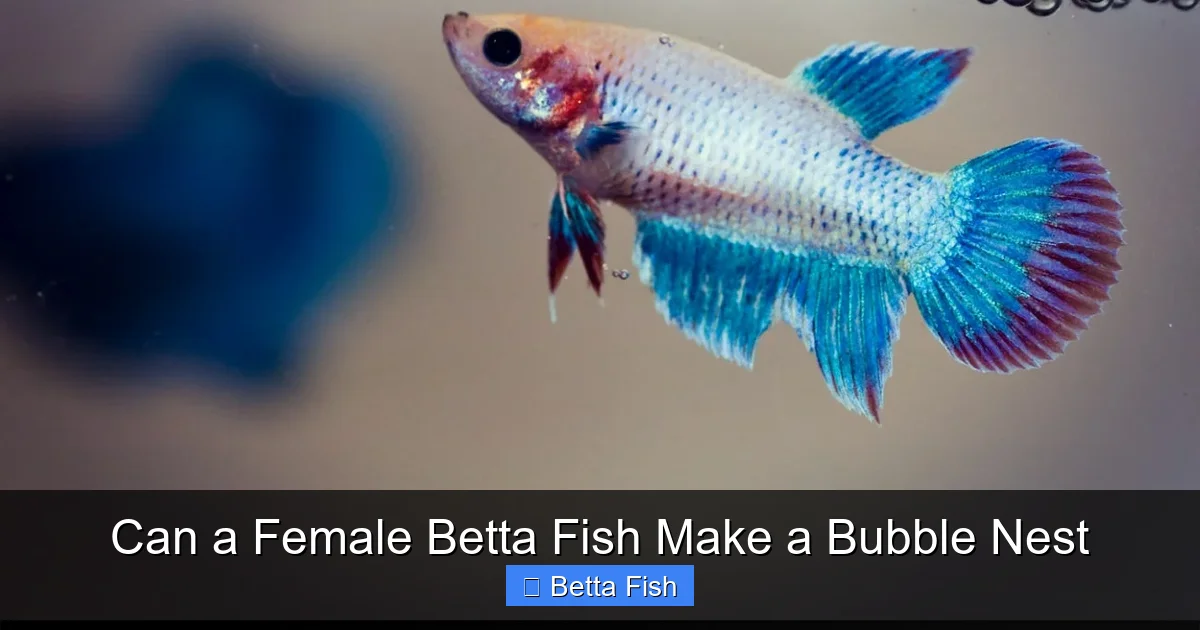
Visual guide about Can a Female Betta Fish Make a Bubble Nest
Image source: buildyouraquarium.com
Why males are the usual architects
Male bettas have a hormone called 11‑ketotestosterone that drives aggressive courtship and nest construction. This hormone spikes during the breeding season, prompting the male to gather bubbles and create a sturdy platform.
When females join the party
Females possess the same basic ability to trap air with their mouths, but they lack the hormonal push that males receive. However, under the right triggers—a suitable temperature, a calm water surface, and the presence of a male—females can produce a modest nest to protect their own eggs if they become the primary caregiver.
Can a Female Betta Fish Make a Bubble Nest? The Short Answer
Yes, but it’s not the rule
In most community tanks you’ll only see male nests. Female nests tend to be smaller, sometimes just a handful of bubbles near the surface. They appear most often when a female is ready to spawn and either a male is absent or the female is temporarily taking on the egg‑guarding role.
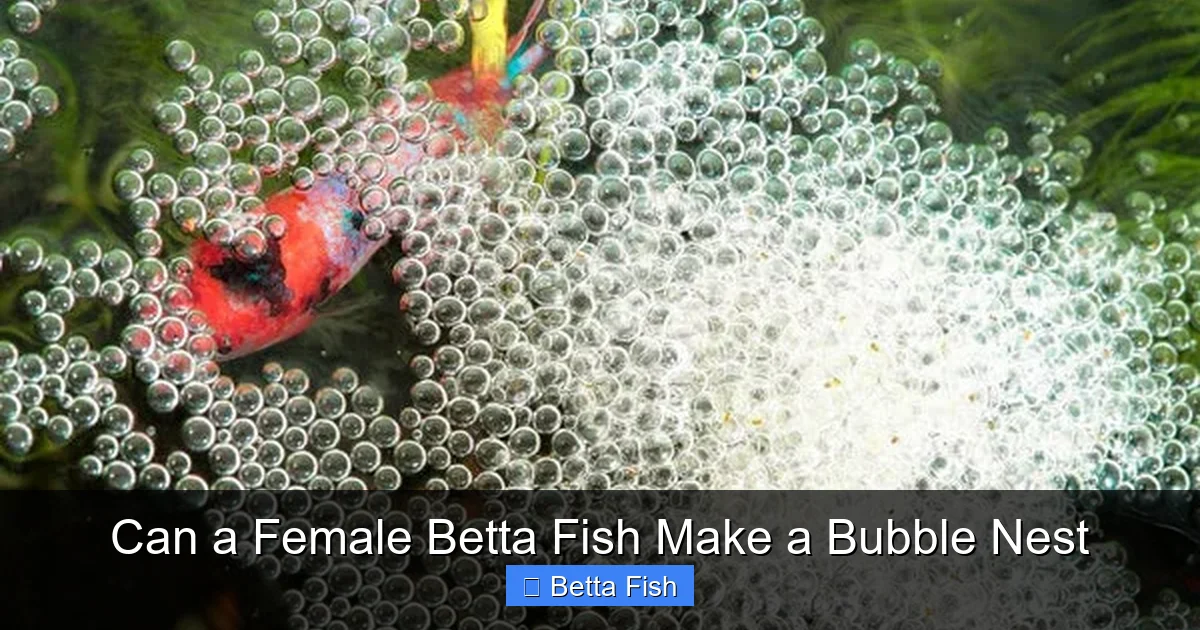
Visual guide about Can a Female Betta Fish Make a Bubble Nest
Image source: cdn.shopify.com
Factors that increase the likelihood
- Temperature: Keep the water between 78‑80°F (25‑27°C). Warmer water mimics the natural breeding season.
- Surface calmness: A gentle water flow prevents bubbles from being blown away.
- Diet: High‑protein foods such as bloodworms or specially formulated betta breeding pellets boost energy reserves.
- Hormonal cues: Introducing a male (even a visual barrier) can stimulate a female’s reproductive system.
How to Spot a Female’s Bubble Nest
Visual clues
Look for a small, irregular cluster of bubbles near the water’s surface, often directly beneath a floating leaf or plant leaf. Unlike the large, dome‑shaped nests of males, female nests are usually scattered and may dissolve quickly if disturbed.
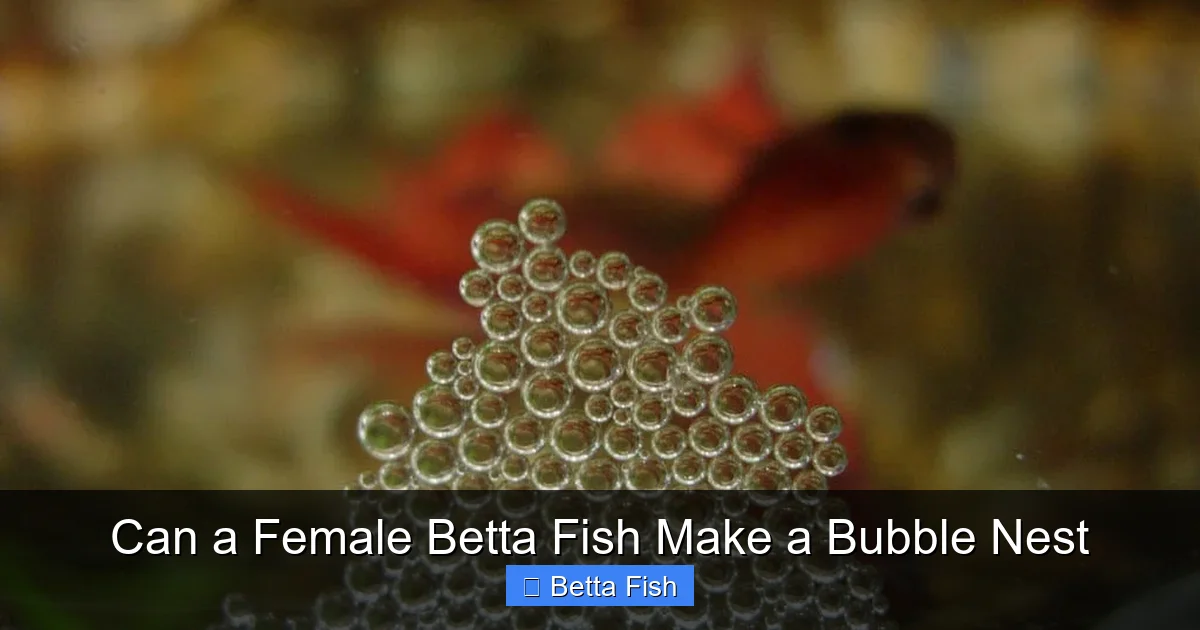
Visual guide about Can a Female Betta Fish Make a Bubble Nest
Image source: nippyfish.net
Behavioral signs
- Increased surface activity— the female will rise to the top more often.
- Frequent mouth‑pumping motions as she gathers air.
- Occasional flaring of fins, a sign of excitement or readiness to breed.
When the nest disappears
If the bubbles vanish after a day or two, it could mean the female is no longer ready to spawn, or the environment became unsuitable (e.g., temperature drop, water agitation).
Creating the Perfect Environment for a Female Nest
Tank setup basics
A 5‑gal (or larger) tank with a lid to reduce surface disturbance works well. Use a gentle filter or a sponge filter that creates minimal surface turbulence. Add a few floating plants or a piece of Indian almond leaf for the female to use as a base.
Temperature and lighting
Maintain a stable temperature of 78‑80°F with an aquarium heater. Use a 10‑hour light cycle to mimic natural daylight; too much light can stress the fish.
Feeding regimen
Offer high‑quality protein twice daily. A mix of frozen or live bloodworms and a betta‑specific pellet will provide the nutrients needed for egg production and bubble building.
Introducing a male (optional)
If you plan to breed, place a male in a separate but visible container using a clear divider. This visual cue can stimulate the female’s reproductive hormones without risking aggression. For more on why bettas make bubble nests, see Why Betta Fish Make Bubble Nest.
Breeding Scenarios: When the Female Takes the Lead
Female‑only spawning
In rare cases, a female may lay eggs and guard them without a male’s involvement, especially if she has stored sperm from a previous mating. In such situations, she may build a small nest to keep the eggs together.
Male‑female pair in a breeding tank
When a male and female are placed together in a breeding tank, the male usually builds the nest, but the female may add a few bubbles for extra protection. Observing the interaction helps you understand each fish’s role.
What to do if you see a nest
Leave the nest undisturbed. If you plan to collect eggs, gently move the pair to a separate breeding tank after spawning, and remove the adults to prevent them from eating the fry.
Common Mistakes and How to Avoid Them
Using a high‑flow filter
Strong currents break bubble clusters. Switch to a sponge filter or adjust the flow rate.
Cold water spikes
Temperature drops below 75°F can halt nest building. Use a reliable heater and a thermometer.
Overfeeding or underfeeding
Too much food can foul the water, while too little deprives the fish of energy. Stick to a balanced feeding schedule.
Keeping multiple females together
Females can be aggressive toward each other, especially when ready to spawn. For guidance on housing multiple females, read Can You Have Multiple Female Betta Fish.
Conclusion: Embrace the Unexpected
While male bettas are the star architects of bubble nests, female bettas are fully capable of constructing their own modest floating shelters. By providing the right temperature, calm surface, and proper nutrition, you give your female the best chance to showcase this fascinating behavior. Whether you’re a breeder aiming for successful spawning or a hobbyist who simply loves watching bettas at work, recognizing and encouraging a female’s bubble nest adds another rewarding layer to the betta‑keeping experience.
Remember, a healthy, stress‑free environment is the key. Keep an eye on water parameters, feed a protein‑rich diet, and consider a visual male cue if you want to boost nesting activity. With patience and observation, you’ll soon spot those tiny bubbles and understand the subtle language of your female betta.
Frequently Asked Questions
Can a female betta make a bubble nest without a male present?
Yes, a female can build a small nest on her own, especially if she is ready to spawn and the water conditions are ideal.
Why is a female’s bubble nest usually smaller than a male’s?
Females have lower levels of the breeding hormone that drives extensive nest building, so their nests are typically modest clusters of bubbles.
What temperature is best for encouraging a female betta to nest?
Keep the water between 78‑80°F (25‑27°C). This range mimics the natural breeding season and promotes nest construction.
Will adding a male trigger a female to build a nest?
Seeing a male (even through a divider) can stimulate a female’s reproductive hormones and increase the chance she will start a nest.
How can I tell if my female’s bubble nest is a sign of health?
A nest usually indicates the fish is healthy, well‑fed, and not stressed. Poor water quality or illness often prevents nesting.
Do I need a special tank for a female that might build a nest?
A standard 5‑gallon tank with gentle filtration, a calm surface, and a few floating plants works well for both males and females.

