How Can You Tell If Your Betta Fish Is Sick
Your betta fish’s health is reflected in its behavior and appearance. Key indicators of sickness include lethargy, loss of appetite, faded or torn fins, unusual spots or growths, and labored breathing. The most common culprit is poor water quality, so regular testing is non-negotiable. Early detection through daily observation and swift action—like isolating the fish and improving its environment—can save its life. When in doubt, consult an aquatic veterinarian for an accurate diagnosis and treatment plan.
Key Takeaways
- Behavioral changes are often the first alarm bell: A healthy betta is active and curious. Sudden lethargy, hiding, or loss of appetite signals something is wrong.
- Know your betta’s normal appearance: Familiarity with its typical color, fin condition, and body shape allows you to spot abnormalities like clamped fins, sores, or bloating instantly.
- Water quality is the #1 cause of disease: Ammonia, nitrite, and poor parameters stress your fish, suppressing its immune system. Test your water weekly.
- Isolation is critical for treatment: A separate “hospital tank” prevents disease spread, allows for precise medication dosing, and reduces stress from tank mates.
- Not all symptoms are from infection: Issues like swim bladder disorder can be caused by overfeeding or constipation, not a parasite or bacteria.
- Home remedies have limits: While aquarium salt and clean water can help minor issues, persistent or severe symptoms require professional diagnosis and targeted medication.
- When in doubt, seek an aquatic vet: A veterinarian specializing in fish can provide a definitive diagnosis and safe treatment protocol, especially for complicated cases like dropsy.
📑 Table of Contents
- Introduction: The Art of Observation
- Behavioral Red Flags: When Your Betta’s Personality Changes
- Physical Signs: What to Look For During a Close Inspection
- Common Betta Diseases: A Symptom-to-Solution Guide
- Water Quality: The Silent Killer and Your First Line of Defense
- Quarantine and Treatment: Setting Up for Success
- When to See a Vet: Beyond Home Remedies
- Conclusion: Your Vigilance is Their Lifeline
Introduction: The Art of Observation
Betta fish, with their dazzling colors and feisty personalities, have captivated aquarium enthusiasts for centuries. They are often called “Siamese fighting fish” for a reason—males are notoriously territorial. Yet, beneath that brave exterior lies a delicate creature highly susceptible to stress and illness. Unlike a dog that can whine or a cat that meows, your betta cannot verbally tell you it’s suffering. Its only language is its behavior and physical condition. Learning to interpret this silent language is the single most important skill a betta owner can possess.
So, how can you tell if your betta fish is sick? The answer lies in becoming a diligent observer. It’s about knowing what “normal” looks like for your specific fish and recognizing the subtle (and not-so-subtle) deviations from that baseline. Sickness in bettas is rarely a sudden event; it’s usually a process, a cascade of small warnings you might miss if you’re not paying attention. This guide will walk you through every aspect of betta health, from the earliest behavioral red flags to specific diseases, the critical role of water quality, and when it’s time to escalate to a professional. Think of this as your comprehensive owner’s manual for decoding your betta’s well-being.
Behavioral Red Flags: When Your Betta’s Personality Changes
A healthy betta fish is a spectacle of energy. It will greet you at the glass, flare its gills at its reflection, and gracefully patrol its territory. Any significant shift in this personality is your first and most crucial clue. Behavioral symptoms are often the earliest sign of distress, appearing before any physical damage is visible. Train yourself to watch your fish for at least a few minutes each day. What you see (or don’t see) tells a story.
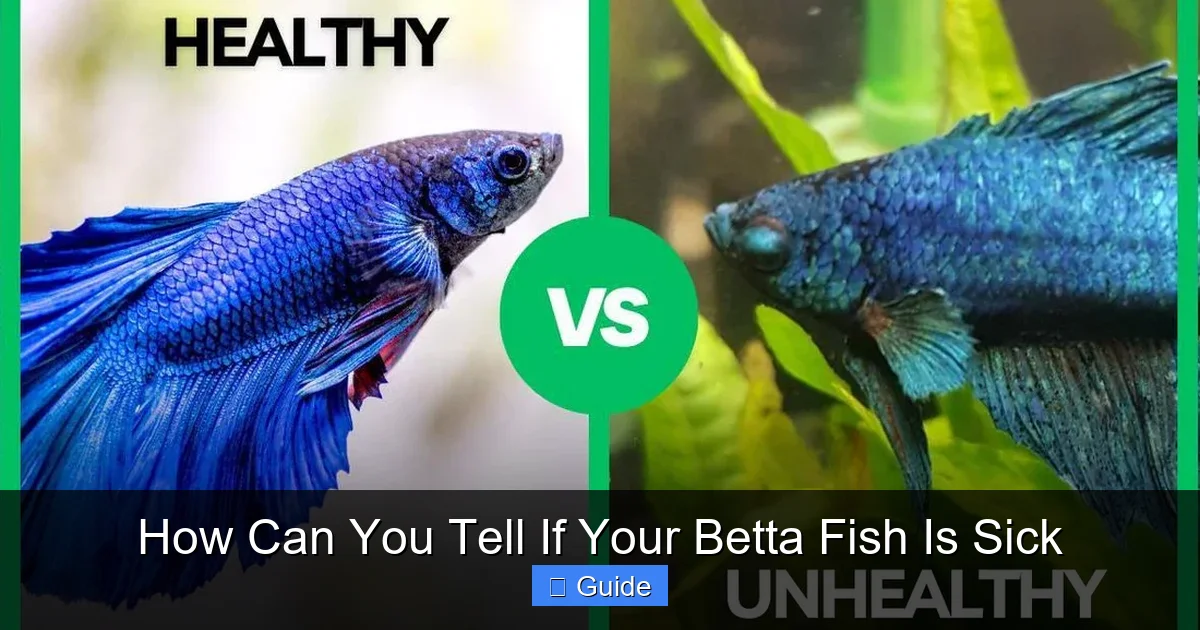
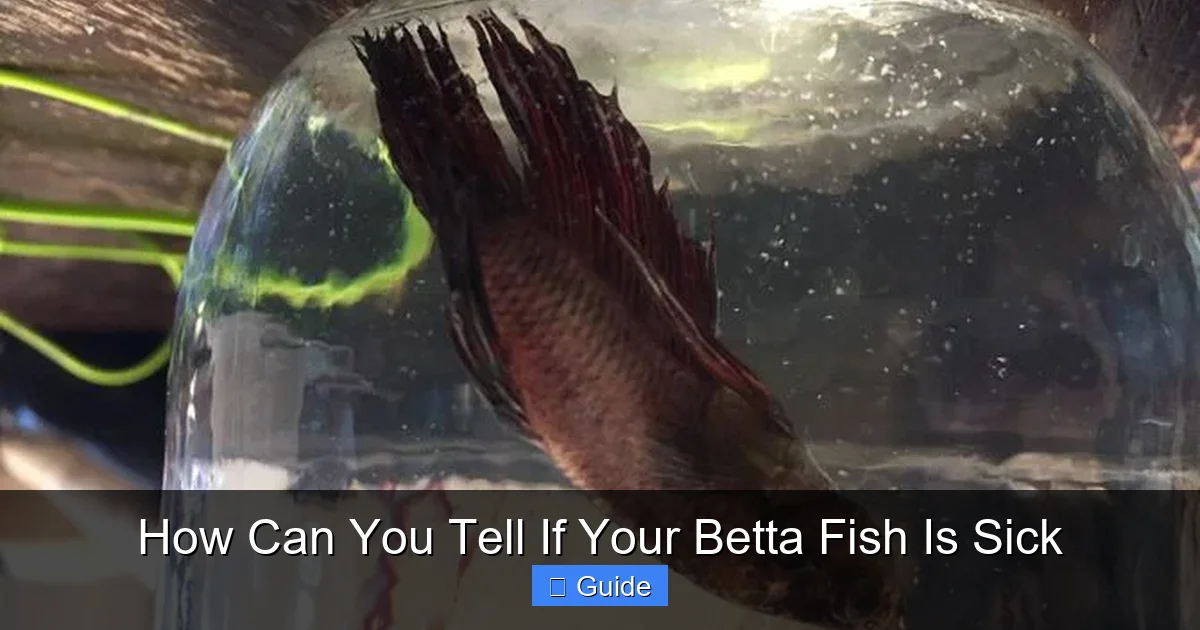
Visual guide about How Can You Tell If Your Betta Fish Is Sick
Image source: tropicflow.com
Lethargy and Lack of Energy
This is the most common and telling sign. We’re not talking about a betta resting on a leaf—that’s normal. We’re talking about a fish that spends most of its time motionless on the tank bottom, propped against the glass, or listlessly floating at the surface with clamped fins. It shows no interest in food, ignores your presence, and makes minimal effort to swim. This profound lethargy indicates the fish is expending all its energy just trying to cope with an internal problem, whether it’s a bacterial infection, parasites, or severe water toxicity. It’s the aquatic equivalent of a human staying in bed all day with a fever.
Loss of Appetite and Disinterest in Food
Bettas are enthusiastic eaters. A healthy one will dart to the surface at feeding time. If your betta suddenly ignores its favorite pellets, ignores bloodworms, or spits food out, take note. A temporary loss of appetite can be due to stress from a water change or a new environment, but if it persists for more than 24-48 hours, it’s a clear health concern. A sick fish’s digestive system slows down, and eating can feel like a chore it cannot accomplish. Always offer a small amount of food and observe the response.
Erratic or Labored Swimming
This category covers several distinct but related behaviors. Watch for:
- Clamped Fins: Fins held tightly against the body, like a closed umbrella, instead of being spread and flowing. This is a classic sign of stress, illness, or poor water quality.
- Swimming Sideways or Upside Down: This is a severe symptom often pointing to a swim bladder disorder, which can be caused by overfeeding, constipation, or internal infection. The fish has lost buoyancy control.
- Constant Darting or Rubbing: If your betta is frantically dashing around the tank, rubbing its body against decorations or the substrate (a behavior called “flashing”), it is almost certainly experiencing intense irritation. This is a hallmark sign of external parasites like Ich or velvet.
- Gasping at the Surface: While bettas occasionally take a gulp of air from the surface (they are labyrinth fish), constant, frantic gulping indicates a lack of oxygen in the water or damaged gills from ammonia poisoning or a bacterial infection.
Excessive Hiding and Reclusiveness
While bettas can be territorial, a healthy one is also curious. A sudden, prolonged desire to hide behind plants, inside caves, or in the darkest corner of the tank, especially during the day, is a red flag. This is a prey animal instinct kicking in—when sick or weak, they seek cover to avoid predators. If your normally outgoing fish becomes a hermit, investigate its environment and health immediately.
Physical Signs: What to Look For During a Close Inspection
Behavioral changes are your first alert, but a physical examination is where you confirm your suspicions. This doesn’t mean grabbing your fish daily—that’s incredibly stressful. Instead, use feeding time as your inspection window. As your betta comes to the surface, observe its body closely under good lighting. Get to know its normal coloration and fin integrity.
Visual guide about How Can You Tell If Your Betta Fish Is Sick
Image source: wikihow.com
Fins: Torn, Faded, or Clamped
Fin condition is a primary health indicator.
- Fin Rot: Look for fins that appear shredded, as if eaten away. The edges may be white, black, or red and look “fuzzy” or necrotic. It often starts at the tips and progresses inward. This is a bacterial or fungal infection, frequently triggered by poor water.
- Faded or Bleached Color: Stress, illness, and aging can cause a betta’s vibrant colors to dull significantly. Look for patches of pale or discolored skin, especially on the head or body.
- Clamped Fins: Reiterating the behavioral point, this is a physical posture where all fins are held rigidly close to the body. It’s a universal sign of discomfort.
Body and Scales: Sores, Bloating, and Pineconing
The body itself can reveal critical issues.
- Ulcers or Sores: Open wounds, red patches, or raised bumps on the body or head. These can be bacterial, parasitic, or even from tank decor injury that has become infected.
- Bloating (Swim Bladder vs. Dropsy): A swollen, puffy appearance is serious. Swim bladder disorder causes a swollen abdomen primarily due to buoyancy issues, but the fish may still look otherwise normal. Dropsy is a systemic bacterial infection causing severe, pinecone-like scale protrusion (raised scales). Dropsy is almost always fatal if not caught extremely early.
- Pineconing (Scale Protrusion): This is the definitive sign of dropsy. Scales stand out from the body like a pinecone, starting near the head and spreading. It indicates severe internal organ failure and fluid buildup.
Gills: Rapid Movement or Discoloration
Healthy gill covers (operculum) move at a steady, calm rhythm. Watch for:
- Rapid Gill Movement: indicates respiratory distress, often from low oxygen or ammonia/gill damage.
- Red, Inflamed, or Discolored Gills: When you see the gill filaments (the red feathery parts) they should be bright red. If they appear pale, inflamed, or have white spots, it signals infection or poisoning.
Eyes: Cloudiness or Protrusion
Clear, alert eyes are a good sign. Problems include:
- Cloudy Eyes (Cataracts): A milky or opaque film over the eye. Can be due to age, infection, or water quality issues.
- Pop-Eye (Exophthalmia): One or both eyes are swollen and protruding from the socket. This is a severe symptom often tied to internal bacterial infections or tumors.
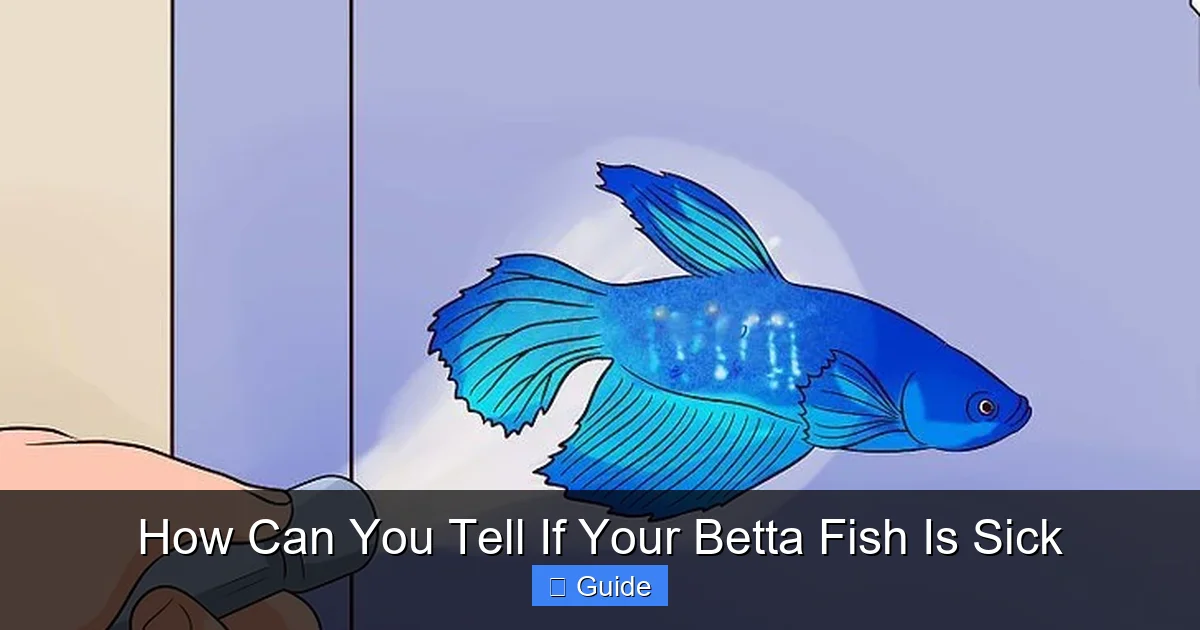
- Ich (White Spot Disease): The classic sign is tiny, salt-like white dots (cysts) all over the body and fins. The fish will flash frequently to dislodge them.
- Velvet: Appears as a fine, rusty gold or cinnamon-colored dusting on the body, especially noticeable under a flashlight. The fish may also clamp its fins and scratch.
- Anchor Worms or Lernaea: You might see tiny, white or red thread-like worms embedded in the skin, often near the fins or body. They look like splinters.
- Ammonia (NH3/NH4+): 0 ppm. ANY detectable ammonia is poisonous.
- Nitrite (NO2-): 0 ppm. Extremely toxic.
- Nitrate (NO3-): < 20 ppm. Keep as low as possible through regular water changes.
- pH: 7.0 – 7.5 is ideal, but stability is more important than a precise number. Avoid sudden swings.
- Temperature: 78-80°F (25.5-26.5°C). Use a reliable, adjustable aquarium heater. Cold water (< 76°F) slows metabolism and immune function.
- Water Hardness (GH): 5-15 dGH (moderately soft to moderately hard).
- Water Changes: Change 25-50% of the water weekly in a filtered tank. In a small, unfiltered bowl, change 100% every other day. Always use a dechlorinator that removes chlorine, chloramines, and heavy metals. Match the temperature of the new water to the tank.
- Gravel Vacuum: During water changes, vacuum the substrate to remove uneaten food and waste, which decomposes into ammonia.
- Filter Maintenance: If you have a filter, rinse the media (sponges, bio-balls) in the old tank water you just removed during a water change. Never use tap water, as it kills the beneficial bacteria.
- Avoid Overcrowding and Overfeeding: A single betta in a 5+ gallon tank is the standard. Overfeeding leads to excess waste and ammonia spikes. Feed only what your betta can consume in 2-3 minutes, once or twice a day.
- No Substrate: Bare bottom is easiest to keep clean and monitor waste.
- Heater and Thermometer: Maintain a steady, optimal temperature (often slightly higher, 80-82°F, to boost immune response).
- Gentle Filtration: A small sponge filter is ideal—it provides biological filtration but a very gentle flow that won’t stress a weak fish. Turn it down or use a pre-filter sponge.
- Hiding Spots: A few smooth, non-abrasive plants or a pot to reduce stress.
- Separate Equipment: Use a dedicated net, gravel vacuum, and bucket for the hospital tank to avoid cross-contamination. Dip them in a bleach solution (1 part bleach: 10 parts water) after use, then rinse thoroughly.
- Antibiotics: For bacterial infections (fin rot, dropsy, internal infections). Maracyn 2 (erythromycin), Kanamycin, Furan 2 (nitrofurazone). Often require a 5-7 day course with daily 100% water changes and re-dosing.
- Antiparasiticals: For Ich, velvet, flukes. Ich-X (formalin/malachite green), Cupramine (copper), General Cure (metronidazole/praziquantel).
- Antifungals: For fungal infections on sores or fins. Methylene blue, Malachite green.
- Diagnosis Uncertainty: You’ve observed symptoms but cannot pinpoint the disease. Is it dropsy or severe constipation? Is it fungal or bacterial fin rot? A vet can often diagnose via microscopic exam of skin/gill scrapings.
- No Improvement After 3-5 Days of Proper Treatment: If you’ve isolated the fish, maintained perfect water, and used the correct medication with no change, the disease may be resistant, misdiagnosed, or there’s an underlying issue you’re missing.
- Advanced Dropsy, Tumors, or Internal Organ Issues: These often require injectable antibiotics or advanced diagnostics only a vet can provide.
- Persistent, Unexplained Lethargy or Loss of Appetite: Could indicate internal parasites, severe organ disease, or cancer.
- Bring a Water Sample: A clean, sealed jar of your tank water (from the display tank or hospital tank) is crucial. They will test it.
- Bring Photos/Videos: Capture the symptoms on your phone. A video of the fish swimming is invaluable.
- Be Ready to Describe: Timeline of symptoms, water change schedule, tank setup, recent introductions, and any treatments you’ve already tried.
- Transport Safely: Use a small, clean container with tank water and an air stone if the trip is long. Keep it dark and stable.
External Parasites: Visible Spots or “Soot”
Sometimes, you can see the invader directly.
Common Betta Diseases: A Symptom-to-Solution Guide
Recognizing the symptom is only half the battle. Knowing the likely disease helps you choose the correct treatment. Never guess with medication; always strive for a diagnosis. Here are the most common ailments you’ll encounter.

Visual guide about How Can You Tell If Your Betta Fish Is Sick
Image source: wikihow.com
Fin Rot
Symptoms: Fins are torn, frayed, and may have white/black/red edges. The decay progresses from the tips inward. May have a slimy or fuzzy appearance if fungal.
Cause: Primarily poor water quality (high ammonia/nitrite) causing stress and opening the door for bacterial infection (Aeromonas, Pseudomonas). Can be secondary to injury.
Treatment: The #1 cure is IMMACULATE water. Perform large, frequent water changes (25-50% daily) with a gravel vacuum. Use a hospital tank. Add aquarium salt (1 tbsp per 5 gallons) to the hospital tank to reduce stress and osmoregulate. For advanced cases, use a broad-spectrum antibiotic like Maracyn or Furan 2, following package directions precisely. Important: Do not use salt with live plants or invertebrates.
Ich (White Spot Disease)
Symptoms: Tiny white cysts (like salt grains) covering the body and fins. Intense scratching/rubbing (flashing). Lethargy and clamped fins.
Cause: Parasite Ichthyophthirius multifiliis. It has a life cycle, which is key to treatment. The parasite is only vulnerable when free-swimming.
Treatment: Requires raising the tank temperature to 82-86°F (28-30°C) to speed up the parasite’s life cycle. In a hospital tank, use a formalin or malachite green-based Ich medication (like Ich-X) for 5-7 days, ensuring the full life cycle is covered. Maintain pristine water. Copper-based medications are toxic to invertebrates and must be used with extreme caution.
Velvet (Oodinium)
Symptoms: A fine, gold or rust-colored dust on the body. Fish may appear to be “yawning” or gasping as gills are affected. Clamped fins, lethargy, loss of appetite.
Cause: Parasite Oodinium sp. Similar life cycle to Ich.
Treatment: Increase temperature to 82-86°F. Use a copper-based medication (like Cupramine) or an herbal remedy containing malachite green. Treatment must be diligent and last the full life cycle (7-10 days). Velvet is highly contagious and deadly if untreated.
Swim Bladder Disorder (SBD)
Symptoms: Difficulty maintaining depth. May float upside down, sink, or swim erratically. Often has a bloated appearance.
Cause: Not a single disease, but a symptom. Causes include: 1) Constipation from overfeeding or poor diet (most common), 2) Bacterial infection of the swim bladder, 3) Physical injury, 4) Genetic defects.
Treatment: First, fast for 3 days to clear constipation. Then feed a cooked, skinned pea (diced small) to act as a laxative. If no improvement, suspect infection and treat with an antibiotic like Maracyn 2 in a hospital tank. Ensure water is clean and warm (78-80°F). Avoid floating foods; use sinking pellets to reduce air ingestion.
Dropsy
Symptoms: Severe, generalized bloating. The definitive sign is pineconing scales (raised, protruding). Lethargy, loss of appetite, clamped fins. Often a late-stage symptom of internal organ failure.
Cause: Almost always a systemic bacterial infection (e.g., Aeromonas) that has overwhelmed the fish’s organs (kidney, liver). It is a symptom of a grave condition, not a disease itself.
Treatment: Prognosis is poor. Aggressive treatment in a **hospital tank** with a strong antibiotic like Kanamycin or Neomycin (found in combo meds like Furan 2) in the water and possibly via bath. Epsom salt baths (1 tsp per gallon for 10-15 mins) can help draw out fluid. However, dropsy is often fatal. Euthanasia is a humane consideration if the fish is suffering.
Water Quality: The Silent Killer and Your First Line of Defense
You can have the best medication in the world, but if the water is toxic, it will fail. Poor water quality is the root cause of over 80% of betta illnesses. Bettas are hardy in the sense they can survive in bad water, but they will not thrive; they will become chronically stressed, and a stressed fish is a sick fish. Their immune system crumbles. You must be a water chemist.
Understanding the Nitrogen Cycle
This is the biological process that makes an aquarium safe. Fish waste (ammonia) is converted by beneficial bacteria into nitrite (still toxic), and then into nitrate (less toxic, removed by water changes). A cycled tank has a robust population of these bacteria. An uncycled or broken cycle means toxic ammonia and nitrite are present, poisoning your fish. You must test your water weekly for ammonia, nitrite, and nitrate using a liquid test kit (strips are notoriously inaccurate).
Ideal Water Parameters for a Betta
Maintenance is Non-Negotiable
A proper maintenance schedule is your best preventative medicine.
Quarantine and Treatment: Setting Up for Success
Once you’ve identified a sick fish, time is of the essence. Your first action should be to isolate it in a hospital tank. This is not just for contagious diseases; it allows you to treat the fish without exposing your main display tank’s beneficial bacteria and fish to medications, and it lets you control the environment perfectly for the sick fish.
The Hospital Tank Setup
You don’t need anything fancy. A 5-10 gallon tank or even a large, clean plastic tub with a lid (to prevent jumping) works. It must have:
The Treatment Protocol: Clean Water First
Before you ever reach for a medication, commit to this principle: clean, pristine water is the primary treatment. In the hospital tank, perform 50-100% water changes daily. This removes pathogens, toxins, and medication residues. It’s the single most effective thing you can do. Only after establishing this clean-water regimen should you consider adding medication.
Medications: Use with Precision
Always read the label. Common categories:
Golden Rule: Never mix medications unless the label says it’s safe. Use a separate hospital tank for each medication course. Remove carbon from filters during treatment, as it will absorb the medication.
Euthanasia: The Humane Choice
This is the hardest but most compassionate part of fishkeeping. If your betta is suffering with no hope of recovery—for example, advanced dropsy with pineconing, a massive tumor, or complete loss of buoyancy and appetite for weeks—euthanasia is a kindness. The most humane method is an overdose of a sedative like Clove Oil. In a small container with tank water, slowly add a clove oil emulsion (emulsified in a little ethanol) until the fish loses consciousness and passes peacefully. This must be done with care and research beforehand.
When to See a Vet: Beyond Home Remedies
Home aquarists have a limited toolkit. There comes a point where guesswork becomes dangerous. Here’s when to pack your fish (carefully) and seek a professional.
Signs It’s Time for Professional Help
Finding an Aquatic Veterinarian
This is the challenge. Not all vets treat fish. Search online for “aquatic veterinarian [Your State/Country]” or “exotic pet vet.” Call clinics and ask directly if they see fish. Many general exotic vets will. Be prepared for a consultation fee, but it is often worth it for a proper diagnosis and prescription medication (which is stronger and more targeted than over-the-counter options).
Preparing for the Vet Visit
Help your vet help you:
Conclusion: Your Vigilance is Their Lifeline
Owning a betta fish is a rewarding commitment that hinges on your powers of observation and your dedication to its environment. How can you tell if your betta fish is sick? You become an expert on its normal. You watch its every move, you study its fins, you test its water, and you act at the first whisper of trouble. The majority of betta deaths are preventable, stemming from a lack of awareness about water quality and early signs of stress.
Remember this simple hierarchy: Water Quality > Observation > Isolation > Treatment > Professional Care. Start with the water. Make testing and maintenance a weekly ritual. Know that a change in behavior is your fish’s only way to cry for help. By responding swiftly—with clean water, a quiet hospital tank, and appropriate care—you give your betta the fighting chance it deserves. These magnificent, ancient fish have survived in tiny puddles for millennia, but in our glass boxes, they depend entirely on us. Let that dependence be met with knowledge, compassion, and vigilant care. Your betta’s vibrant, healthy life is a direct reflection of your attentiveness. Be the keeper they need.
Frequently Asked Questions
Can I use human medications like antibiotics on my betta fish?
No. Human medications are dosed for mammals and can be instantly fatal to fish. Fish absorb medications through their gills and skin, requiring specific formulations and precise dosing. Always use medications labeled for aquarium use and follow instructions exactly.
My betta is bloated but not pineconing. Is it dropsy?
Probably not. Bloating alone is most commonly swim bladder disorder from constipation. Fast for 3 days, then feed a cooked pea. Dropsy is defined by the raised, pinecone-like scales, which indicates a severe, systemic bacterial infection with a much poorer prognosis.
Are all betta diseases contagious to other fish?
Most are. Bacterial infections (fin rot), parasites (Ich, velvet), and fungal infections can spread through the water to other fish. That’s why immediate quarantine of a sick betta is critical, even if it lives alone, to protect any future tank mates and to treat it safely without harming beneficial bacteria in your main filter.
Can I treat my betta with aquarium salt and it will cure everything?
No. Aquarium salt is a supportive treatment for some bacterial and fungal issues and helps with osmoregulation, but it is not a cure-all. It does nothing for parasites like Ich or velvet, and it is harmful to live plants and invertebrates. It should be used strategically, not as a daily additive.
How much does it cost to take a betta fish to a vet?
3>Expect a consultation fee of $50-$100+, plus the cost of any prescribed medications or diagnostics (like a skin scrape). While this may seem high for a $10 fish, for many dedicated owners, it’s a worthwhile investment in their pet’s welfare and can provide peace of mind and a clear treatment path.
What is the single most important thing I can do to prevent my betta from getting sick?
Maintain impeccable water quality. This means weekly testing for ammonia/nitrite/nitrate, performing regular water changes with a dechlorinator, using a heater to maintain stable temperature, and not overfeeding. A clean, stable, toxin-free environment supports a strong immune system, which is your betta’s best defense against disease.