How to Tell If You Have a Healthy Betta Fish
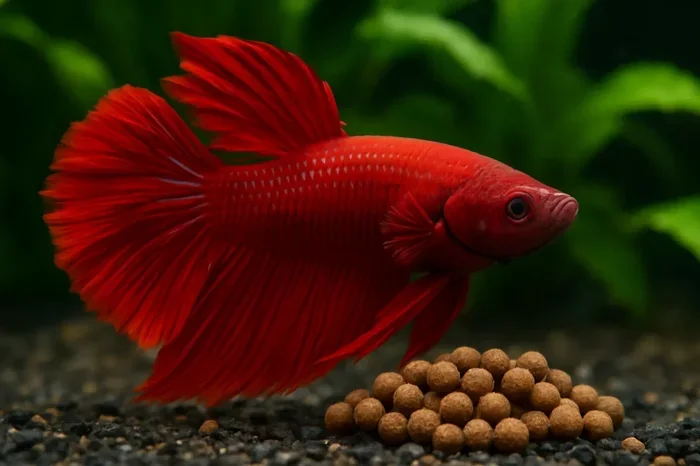
A healthy betta fish shows bright colors, active behavior, and a strong appetite. Knowing the signs of a healthy betta fish helps you catch problems early and keep your fish thriving. This guide covers everything from body condition to tank setup so you can confidently care for your betta.
Owning a healthy betta fish is one of the most rewarding experiences for any aquarium lover. These colorful fish are full of personality, and watching them glide through the water is truly calming. But how do you know if your betta is actually in good shape? A healthy betta fish has bright colors, moves with energy, and eats eagerly at feeding time. On the other hand, a sick betta may hide, lose its color, or stop eating altogether. In this guide, we walk you through every sign that tells you whether your betta is thriving or needs help.
Understanding betta fish health signs is not just about spotting problems. It is about building a routine that keeps your fish happy day after day. From checking their fins and eyes to monitoring water quality, there are many simple things you can do at home. Whether you just brought your betta home or have had them for years, this article gives you the tools to keep your fish in top shape. Let us dive right in and explore what a truly healthy betta fish looks like.
Key Takeaways
- Bright, vibrant colors are a clear sign of a healthy betta fish with no stress or illness.
- Active swimming and curious behavior show your betta is feeling well and comfortable in its habitat.
- A consistent appetite and healthy eating habits are essential indicators of betta fish wellness.
- Clean water and proper tank conditions play a huge role in keeping your betta fish healthy long-term.
- Watching for warning signs like faded colors or clamped fins helps you act fast when something is wrong.
- Regular tank maintenance and proper betta fish care prevent most common health issues before they start.
📑 Table of Contents
What Does a Healthy Betta Fish Look Like?
Vibrant Colors and Clear Fins
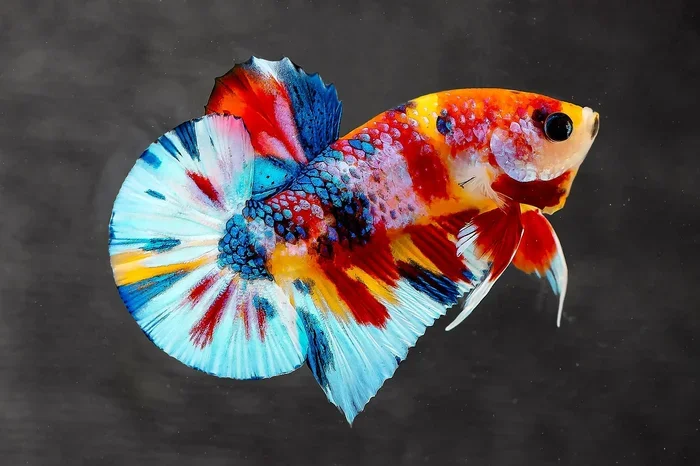
The first thing you notice about a healthy betta fish is its color. A vibrant betta displays deep reds, bright blues, lush greens, or stunning iridescent patterns. When a betta is stressed or sick, its colors often fade or look washed out. Think of it like a bright shirt that looks dull when the person wearing it is not feeling well.
Take a close look at your betta’s fins too. A healthy betta fish has fins that flow smoothly and spread out beautifully. The fins should not be torn, ragged, or clamped tightly against the body. Clamped fins are one of the most common early warning signs that something is wrong. If your betta keeps its fins closed or pressed against its body, it is time to investigate further.
Clear Eyes and Smooth Scales
A healthy betta has bright, clear eyes with no cloudiness or swelling. The scales should lie flat against the body and look smooth. If you notice any bulging, raised scales, or a pinecone-like texture, that is a serious sign called dropsy. Knowing how to tell if your betta fish is sick early can make a big difference in treatment success. Always compare your fish’s appearance to what is normal for its age and breed.
Here is a quick comparison to help you assess your betta’s appearance:
| Feature | Healthy Betta | Unhealthy Betta |
|---|---|---|
| Colors | Bright, vivid, and even | Faded, dull, or patchy |
| Fins | Flowing and spread out | Clamped, torn, or ragged |
| Eyes | Clear and bright | Cloudy, swollen, or bulging |
| Scales | Smooth and flat | Raised or pinecone-like |
| Body Shape | Proportional and firm | Thin, bloated, or sunken |
Behavior and Activity Levels of a Healthy Betta
Active Swimming Patterns
A healthy betta fish is curious and active. Your betta should swim around the tank exploring plants, decorations, and the surface. Bettas are known for their playful behavior, and many will build bubble nests at the surface. This is a great sign that your fish feels safe and comfortable in its habitat.
If your betta spends most of the time hiding at the bottom or sitting motionless on a leaf, that could signal a problem. Some lethargy is normal, especially right after you bring a betta home. But if the lack of energy lasts more than a day or two, you should pay closer attention. Knowing how to tell the gender of a betta fish also helps because males and females sometimes show slightly different activity patterns.
Response to Stimuli
A healthy betta reacts to movement outside the tank. When you approach the aquarium, your betta should swim over to investigate or look at you. This shows alertness and good mental health. A betta that does not respond at all may be feeling unwell or stressed.
Quick Tip: Try floating a small mirror near the tank for a few seconds. A healthy betta will flare its fins and show off its colors. This is a natural behavior called flaring, and it is a great way to check your betta’s energy and spirit. Just do not leave the mirror in too long, as it can cause stress.
Appetite and Feeding Habits
Healthy Eating Patterns
One of the clearest signs of a healthy betta fish is a strong appetite. Your betta should eat eagerly when you offer food at feeding time. A well-fed betta has a rounded, plump body shape without looking bloated. How often you need to feed a betta fish depends on their age and size, but most adult bettas do well with two small feedings per day.
Watch for changes in eating habits. If your betta suddenly refuses food or shows no interest in meals for more than two days, something may be off. Loss of appetite is one of the earliest and most reliable betta fish health signs. It can signal stress, poor water quality, or the early stages of disease.
What to Feed Your Betta
A balanced diet keeps your betta vibrant and active. High-quality betta pellets should form the foundation of their diet. You can also offer frozen or live foods like brine shrimp and bloodworms as treats. These foods boost color and provide extra nutrition. Just remember that treats should make up no more than 10 to 15 percent of their total food intake.
Avoid feeding your betta human food or anything high in fillers. Bettas are carnivores, and they need protein-rich meals. Overfeeding is a common mistake that leads to bloating and poor water quality. Feed only what your betta can eat in about two minutes per session.
Water Quality and Tank Conditions
Ideal Water Parameters
Betta fish care starts with clean, properly conditioned water. The ideal temperature for a betta tank is between 76 and 82 degrees Fahrenheit. Cold water can make your betta sluggish and more prone to illness. Use a small aquarium heater to maintain a stable temperature. A healthy betta fish thrives in water with a pH between 6.5 and 7.5.
Test your water regularly with a liquid test kit. Keep ammonia and nitrite levels at zero, and nitrates below 20 ppm. Poor water quality is the number one cause of disease in betta tanks. Even if your betta looks fine, bad water will eventually lead to serious health problems.
Tank Size and Setup
Many people think bettas can live in tiny bowls, but that is a myth. A healthy betta fish needs at least a 5-gallon tank to truly thrive. A larger tank gives your fish room to swim and helps keep water parameters stable. Add live or silk plants, a gentle filter, and some hiding spots to create a natural and enriching habitat.
Make sure the filter does not create too much current. Bettas are not strong swimmers, and a powerful filter can tire them out. A sponge filter works great for betta tanks because it provides mechanical and biological filtration without strong water flow.
Expert Insight: “Water quality is the single most important factor in betta fish wellness. A clean, stable environment prevents most diseases and keeps your fish’s immune system strong,” says Dr. Linda Chen, a veteran aquarist with over 15 years of experience in tropical fish care.
Common Signs Your Betta Fish May Not Be Healthy
Warning Signs to Watch For
Even with the best care, bettas can sometimes get sick. Here are the most common betta fish health signs that something is wrong:
- Faded or dull colors – This often means stress, illness, or poor water conditions.
- Clamped fins – Fins held close to the body signal discomfort or pain.
- Loss of appetite – Skipping more than two feedings is a red flag.
- Labored breathing – Gasping at the surface or rapid gill movement can indicate low oxygen or ammonia poisoning.
- White spots or fuzz – These are classic signs of ich or fungal infections.
- Lethargy and hiding – Staying in one spot and avoiding movement is never a good sign.
What to Do When You Spot a Problem
If you notice any of these warning signs, do not panic. Start by testing your water parameters. Most health issues trace back to poor water quality. Do a partial water change of 25 to 30 percent and remove any uneaten food. If the symptoms persist, consider using a betta-safe medication. Choosing a healthy betta fish from the start also reduces the chances of bringing home a fish with hidden illnesses.
Common Mistakes: Many beginners wait too long before acting on warning signs. Others overmedicate their tanks, which can harm beneficial bacteria. Always address the root cause, usually water quality, before reaching for medications.
How to Maintain Your Betta Fish Health Long-Term
Daily and Weekly Care Routine
Consistency is the secret to a healthy betta fish. Here is a simple routine you can follow every week:
- Feed your betta twice a day with small amounts of high-quality food.
- Check the tank temperature and make sure it stays in the ideal range.
- Observe your betta’s behavior, colors, and appetite for any changes.
- Test the water for ammonia, nitrite, and nitrate levels.
- Perform a 25 percent water change using dechlorinated water at the same temperature as the tank.
- Clean the glass and remove any debris from the substrate.
Sticking to a routine makes it much easier to spot problems early. When you observe your betta every day, you will quickly notice if something looks or acts different. That early detection is your best tool for keeping your fish healthy.
Prevention Is Better Than Cure
The best way to handle betta fish disease is to prevent it from happening in the first place. A clean tank, proper diet, and stable environment keep your betta’s immune system strong. Avoid placing the tank in direct sunlight or near drafty windows, as temperature swings can stress your fish. Also, never use soap or harsh chemicals to clean your tank. Stick to aquarium-safe cleaners and always rinse decorations with plain water.
If you are thinking about adding tank mates, research carefully first. Not all fish get along with bettas. Keeping a male betta with other fish requires careful planning and a large enough tank to reduce aggression. A stressed betta is more likely to get sick, so always prioritize your fish’s comfort.
Quick Tips for a Healthy Betta:
- Always use a water conditioner to remove chlorine and chloramine from tap water.
- Do not overfeed. Leftover food rots quickly and pollutes the water.
- Keep the tank lid closed. Bettas are jumpers and can escape easily.
- Quarantine any new fish for at least two weeks before adding them to your main tank.
- Observe your betta daily. You know your fish better than anyone else.
Conclusion
Keeping a healthy betta fish is all about observation, consistency, and a little bit of knowledge. From checking their vibrant colors and active behavior to maintaining clean water and a proper diet, every small step matters. Your betta depends on you for its well-being, and the effort you put in pays off in a happy, lively companion that brings joy to your home every single day.
Now that you know the key signs of a healthy betta fish, you are better equipped to provide the best possible care. Trust your instincts, stay observant, and never hesitate to take action when something seems off. Your betta will thank you with bright colors, energetic swimming, and plenty of personality. Start applying these tips today and watch your betta thrive for years to come.
Frequently Asked Questions
How often should I check my betta fish for signs of illness?
You should observe your betta every day. A quick daily check of their colors, activity level, and appetite takes only a few minutes. Weekly water testing and monthly tank cleanings round out the routine and help prevent problems before they start.
Can a healthy betta fish live for many years?
Yes, with proper care, a healthy betta fish can live between three and five years. Some well-cared-for bettas have even reached seven years. The key factors are clean water, a balanced diet, and a stress-free environment that mimics their natural habitat.
What is the difference between a male and female betta fish in terms of health?
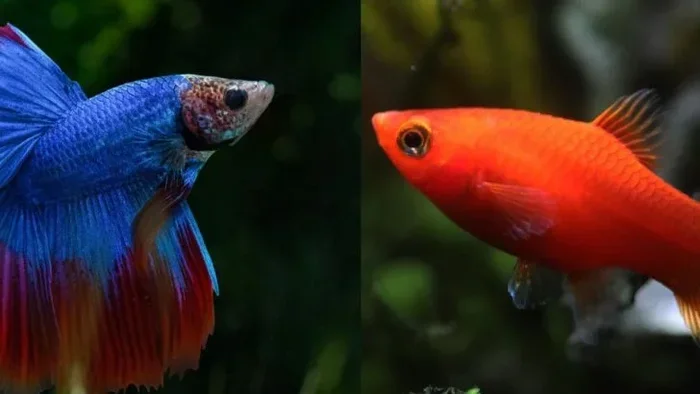
Male and female bettas share many of the same health needs, but males tend to be more colorful and display more flaring behavior. If you want to learn more about the differences, check out this guide on how to tell the gender of a betta fish. Both genders need clean water, proper nutrition, and a comfortable habitat to stay healthy.
Why has my betta fish lost its color suddenly?
Sudden color loss is usually a sign of stress, illness, or poor water quality. Check your tank parameters first, especially ammonia and nitrite levels. Also consider any recent changes like new tank mates, temperature swings, or a change in diet. Addressing the root cause often restores your betta’s vibrant colors within a few days.
Do betta fish need a filter in their tank?
Yes, bettas benefit greatly from a gentle filter. While they can survive in still water, a filter helps maintain clean water and removes harmful toxins. Choose a sponge filter or a low-flow filter to avoid creating too much current, which can tire out your betta.
How can I tell if my betta is pregnant versus sick?
A pregnant female betta will have a white dot on her underside called an ovipositor and may look slightly swollen. A sick betta often shows additional symptoms like clamped fins, loss of appetite, or unusual breathing. If you are unsure, it is always best to test your water and monitor your fish closely for other warning signs.