How Well Do Betta Fish See
Betta fish have surprisingly good vision that works both in daylight and low light conditions. They can see a range of colors, detect movement, and even recognize their owners over time. Understanding how well betta fish see helps you create a better tank environment and keep your fish healthy and happy.
Betta fish are some of the most popular pets in the aquarium world. Their bright colors and flowing fins make them stand out. But have you ever wondered how well do betta fish see? The answer might surprise you. These little fish have a visual world that is quite different from ours. Understanding their eyesight helps you become a better fish owner.
When you look at your betta swimming around the tank, you might think they are just casually floating. But in reality, your betta is taking in a lot of visual information. They track movement, spot food, and even notice you walking by the tank. Betta fish vision is more complex than most people realize. Let us dive deep into how these beautiful creatures experience their world.
Key Takeaways
- Betta fish see well in both bright and dim light: Their eyes adapt to different lighting conditions, making them versatile swimmers.
- They can perceive multiple colors: Bettas can see reds, blues, greens, and ultraviolet light, which helps them spot food and mates.
- Vision plays a big role in daily behavior: From hunting food to recognizing owners, sight drives many betta fish actions.
- Eye injuries and infections are common: Knowing the signs early helps you treat problems fast and save your fish.
- Tank setup directly impacts eye health: Proper lighting, clean water, and safe decorations protect your betta’s vision.
- Betta fish also rely on other senses: Hearing, smell, and the lateral line system supplement their vision in surprising ways.
📑 Table of Contents
How Well Do Betta Fish See: The Basics of Betta Vision
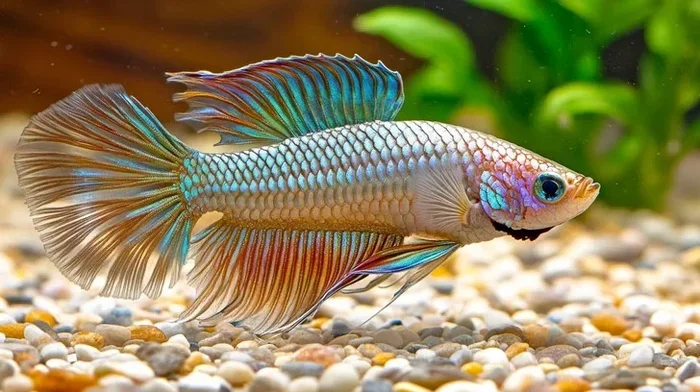
Betta fish have eyes positioned on the sides of their heads. This gives them a wide field of view. Unlike humans, who have forward-facing eyes for depth perception, bettas use their side-mounted eyes to watch for danger from all directions. This is a survival trait that has helped them thrive in the wild for centuries.
Their eyes contain both rods and cones. Rods help them see in low light, and cones help them detect color. This combination means betta fish eyesight works well during the day and at night. Your betta does not need a bright light to navigate its surroundings. In fact, dim lighting feels more natural to them.
How Betta Fish Eyes Work
A betta fish eye works much like a camera. The lens focuses light onto the retina at the back of the eye. The retina has special cells that send signals to the brain. The brain then processes these signals into images. This process happens very fast, which is why bettas react so quickly to movement.
Here are some key facts about how betta fish eyes function:
- Wide visual field: Bettas can see almost 360 degrees around them because of their eye placement.
- Good motion detection: They notice moving objects much faster than still ones.
- Adjustable focus: Their eyes can shift focus between near and far objects.
- Low-light capability: The rod cells in their eyes help them see in dim conditions.
All of these features make how well do betta fish see a fascinating topic. Their vision is built for survival, but it also supports their role as engaging pets.
What Colors Can Betta Fish See?
One of the most interesting parts of betta vision is color perception. Bettas can see more colors than humans in some ways. They have cones that detect red, green, and blue light. But they also have cones that pick up ultraviolet light. This means their color world is richer than what we can imagine.
You might notice your betta reacting to brightly colored decorations or food. This is because bold colors stand out clearly to them. Red and orange tones often grab their attention first. This is helpful when you are feeding them, as bright-colored food sinks easily and catches their eye.
Can Betta Fish See in the Dark?
Betta fish cannot see in complete darkness. But they do not need perfect darkness either. Their rod cells give them an advantage in dim lighting. Many owners keep their tanks with low to moderate light, which suits their natural vision perfectly.
At night, bettas enter a rest state similar to sleep. During this time, their eyes still detect light and shadow. This helps them stay alert to potential threats even while resting. If you want to learn more about their nighttime behavior, check out how betta fish sleep at night for a deeper look.
UV Light and Betta Vision
Ultraviolet light is invisible to the human eye. But bettas can see it. In the wild, UV light helps them spot prey and recognize other fish. Some aquarium lights produce small amounts of UV light, which can make your tank more interesting for your betta. Just be careful not to overdo it, as too much UV exposure can harm their eyes over time.
When choosing tank lights, pick ones that mimic natural daylight. Avoid harsh fluorescent bulbs that flicker. Stable, gentle lighting keeps your betta comfortable and supports healthy betta fish vision.
How Betta Fish Use Their Vision Every Day
Vision drives much of what a betta fish does during the day. From finding food to interacting with tank mates, sight plays a central role. Understanding these daily behaviors helps you set up a tank that works with their natural abilities.
Hunting and Feeding
Betta fish are natural hunters. In the wild, they hunt insects and small larvae that land on the water surface. They use their vision to spot movement above the water. When you drop food into your tank, your betta tracks the falling piece using its sharp eyesight. This is why how often do you feed a betta fish matters so much. Overfeeding can dull their hunting response and lead to health problems.
Live or frozen food often triggers a stronger visual response than pellets. This is because live food moves, and bettas are wired to react to movement. If you want to enrich your betta’s feeding experience, try offering brine shrimp or bloodworms once in a while.
Recognizing Their Owner
Many betta owners report that their fish seem to recognize them. While bettas do not have faces the way we do, they can associate shapes and movements with feeding time. When you walk up to the tank, your betta may swim to the front and watch you closely. This shows that their visual memory is stronger than people think.
If you want to build a bond with your betta, try visiting the tank at the same times each day. Consistent routines help your fish learn your presence. You can also try gentle play sessions to stimulate their mind and vision together.
Navigating the Tank
Betta fish use their vision to navigate around the tank. They remember the layout of their environment, including plants, rocks, and decorations. This spatial memory is impressive for a fish with a small brain. They use visual landmarks to find their favorite spots, hiding places, and feeding areas.
When you rearrange your tank, your betta might seem confused at first. This happens because they lose their visual reference points. Try to keep the layout stable, or make changes gradually so your fish can adjust.
Common Eye Problems in Betta Fish
Even though betta fish have good vision, they are not immune to eye problems. Several conditions can affect their eyesight. Knowing the signs early helps you act fast and protect your fish.
Eye Injuries
Sharp decorations, rough tank mates, or strong filter currents can injure a betta’s eye. A scratched or swollen eye can impair their vision temporarily. In serious cases, the eye may bulge outward, a condition known as exophthalmia. This looks alarming but can often be treated with proper care.
To prevent injuries, choose smooth decorations and avoid sharp plastic plants. A well-planned tank setup goes a long way in keeping your betta’s eyes safe.
Eye Infections
Bacterial and fungal infections can attack a betta’s eye. Cloudy or discolored eyes are often the first sign. Your fish may rub its eye against decorations or seem less active. Poor water quality is the most common cause of eye infections. Regular water changes and proper filtration keep harmful bacteria under control.
If you notice signs of an eye infection, isolate your betta in a quarantine tank and begin treatment. Clean water and medication can restore their eye health in most cases.
When Vision Loss Signals a Bigger Problem
Sometimes, vision loss in bettas signals a deeper health issue. Diseases like velvet or severe infections can damage the eyes permanently. In some cases, the fish may lose sight in one or both eyes. While a blind betta can still live a good life using its other senses, early detection is key.
If your betta stops responding to movement or food, pay close attention. You can learn more about recognizing serious health decline in our article on how to know if your betta fish is dying.
How Tank Setup Affects Your Betta’s Vision
The environment you create for your betta directly impacts their eyesight. A well-designed tank supports healthy vision, while a poorly set up tank can cause stress and eye strain.
Lighting Tips for Eye Health
Betta fish do best with moderate, consistent lighting. Avoid placing their tank in direct sunlight, as this causes algae blooms and temperature swings. Direct sun can also glare off the water surface, making it hard for your betta to see clearly.
Use a timer to maintain a regular light cycle. About 8 to 10 hours of light per day is ideal. This mimics their natural habitat and keeps their internal clock healthy. At night, keep the tank in a dark room so your betta can rest properly.
Water Quality and Eye Health
Clean water is essential for healthy eyes. Ammonia and nitrite buildup irritate the sensitive tissues around the eyes. Regular water changes and proper cycling prevent these harmful chemicals from accumulating. If you are unsure how to do a water change, check out this guide on betta fish water changes for step-by-step instructions.
Use a gentle filter that does not create strong currents. Bettas are not strong swimmers, and harsh water flow can push them into sharp objects. A calm, clean environment keeps their eyes and body healthy.
Decorations That Protect Vision
Choose soft, rounded decorations for your betta tank. Silk plants are better than plastic ones with sharp edges. Smooth rocks and driftwood create a safe environment where your betta can explore without risk of eye injury.
Avoid overcrowding the tank with too many decorations. Bettas need open swimming space to use their vision effectively. A clutter-free layout helps them move confidently and stay visually stimulated.
How to Protect and Support Your Betta Fish’s Eye Health
Good eye health starts with proper care. There are simple steps every betta owner can take to protect their fish’s vision for years to come.
First, maintain clean water at all times. Test your parameters weekly and perform partial water changes every one to two weeks. Second, feed a balanced diet rich in vitamins. Nutritional deficiencies can weaken eye function over time. Third, avoid flashing lights or sudden brightness changes. These can stress your betta and cause temporary disorientation.
If you are serious about how well do betta fish see and want to give your fish the best life, focus on these three pillars: clean water, good nutrition, and a calm environment. Your betta will reward you with vibrant colors and active behavior.
If you want to go deeper into overall care practices, read our complete guide on how to care for a betta fish. It covers everything from diet to tank setup and beyond.
Final Thoughts
How well do betta fish see is a question with a rich and fascinating answer. Their vision combines wide-angle sight, color detection, and low-light capability in a way that makes them well adapted to their environment. From hunting food to recognizing their owners, sight plays a central role in their daily lives.
By understanding their visual world, you can create a tank that supports their natural abilities. Protect their eyes with clean water, gentle lighting, and safe decorations. Watch for signs of trouble and act quickly when needed. Your attention to detail makes all the difference.
A healthy betta with clear, bright eyes is a happy betta. Give your fish the care it deserves, and you will enjoy many years of watching it thrive in its beautiful underwater world.
Frequently Asked Questions
Can betta fish see in the dark?
Betta fish cannot see in complete darkness, but their eyes are well adapted for low-light conditions. They have special rod cells that help them detect shapes and movement even when the light is dim. This is why they do not need bright lights to navigate their tank at night.
How many colors can a betta fish see?
Betta fish can see red, green, blue, and ultraviolet light. This gives them a wider color range than humans in some ways. Their ability to see UV light helps them spot prey and recognize other fish in their natural habitat.
Why is my betta fish rubbing its eye against decorations?
This behavior usually signals an eye injury or infection. Irritation from poor water quality, sharp decorations, or bacteria can cause discomfort. Check your water parameters and inspect the eye for swelling or cloudiness, and treat the issue promptly.
Do betta fish lose their vision as they age?
Some bettas may experience gradual vision decline as they get older, but this is not common in most cases. Poor water quality, infections, or injuries are more likely to cause vision loss. Keeping the tank clean and stress-free helps preserve their eyesight for longer.
Can betta fish recognize their owners by sight?
Yes, bettas can associate shapes and movements with their owners over time. They often swim to the front of the tank when they see their owner approach, especially around feeding time. Regular interaction and a consistent routine help strengthen this recognition.
What tank lighting is best for betta fish eyesight?
Moderate, consistent LED lighting that mimics natural daylight works best for bettas. Avoid harsh fluorescent bulbs and direct sunlight. A timer set to 8 to 10 hours of light per day keeps their vision healthy and their stress levels low.