Why Does My Betta Fish Open Its Gills
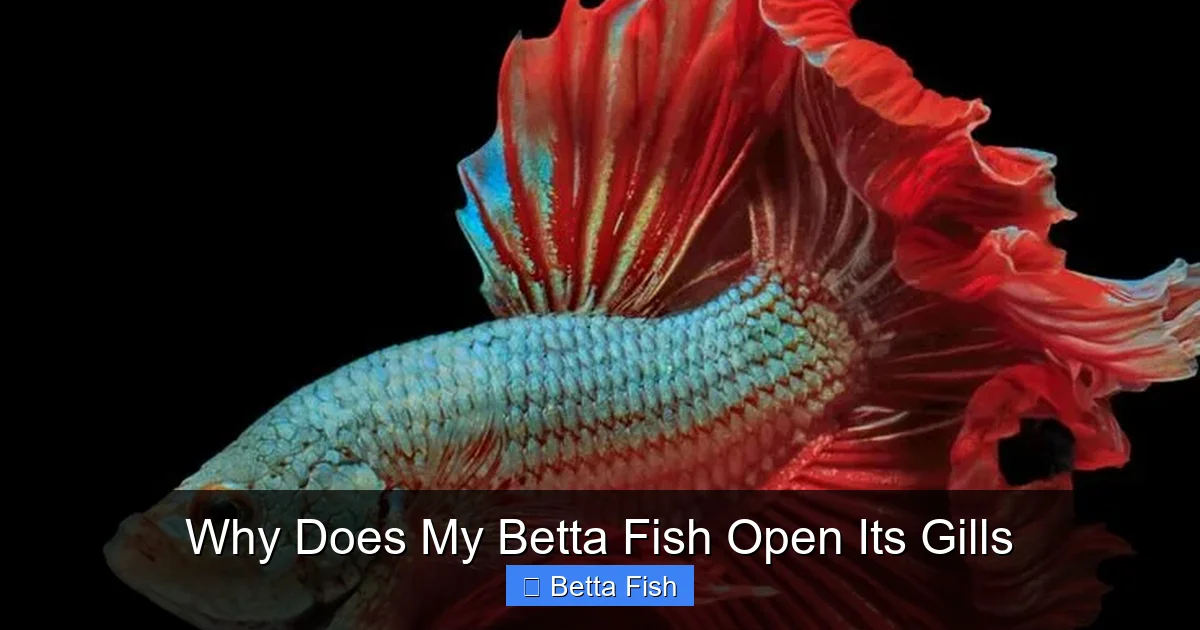
Betta fish open their gills for many reasons—from normal breathing to stress signals. Understanding these cues helps you spot health issues early and create a safer tank environment. Follow our easy guide to keep your betta thriving.
Key Takeaways
- Normal respiration: Gills open regularly as bettas take in oxygen.
- Stress signs: Rapid or exaggerated gill movements can signal poor water quality or bullying.
- Illness indicators: Labored breathing often points to disease, parasites, or infection.
- Environmental factors: Temperature, pH, and tank size directly affect gill activity.
- Quick fixes: Simple water changes, proper filtration, and temperature checks can calm a stressed betta.
- When to seek help: Persistent gill flaring, discoloration, or lethargy warrants veterinary attention.
- Preventive care: Regular testing and a balanced diet keep gill function smooth.
📑 Table of Contents
- Introduction: The Mystery Behind the Flapping Gills
- 1. Normal Breathing: The Everyday Gills
- 2. Environmental Triggers: Water Quality and Temperature
- 3. Stress Signals: When the Gills Say “Help!”
- 4. Health Issues: Illness and Disease
- 5. Behavioral Reasons: Communication and Courtship
- 6. How to Monitor and Respond
- Conclusion: Listening to Your Betta’s Gills
Introduction: The Mystery Behind the Flapping Gills
If you’ve ever watched a betta fish and noticed its gills moving like tiny flags, you might wonder, why does my betta fish open its gills so often? You’re not alone. Many hobbyists see this behavior and jump to conclusions—some think it’s a sign of aggression, others blame poor water. The truth is a blend of biology, environment, and health.
In this article we’ll break down every possible reason your betta opens its gills, show you how to read the clues, and give you practical steps to keep your fish breathing easy. By the end, you’ll feel confident answering the question, “why does my betta fish open its gills?” and you’ll have a checklist for a happier, healthier tank.
1. Normal Breathing: The Everyday Gills
How Betta Respiration Works
Betta fish, like all fish, rely on gills to extract oxygen from water. When you see a betta’s gill covers (opercula) lift and fall, it’s simply taking a breath. In a well‑maintained tank, this motion is rhythmic and subtle.
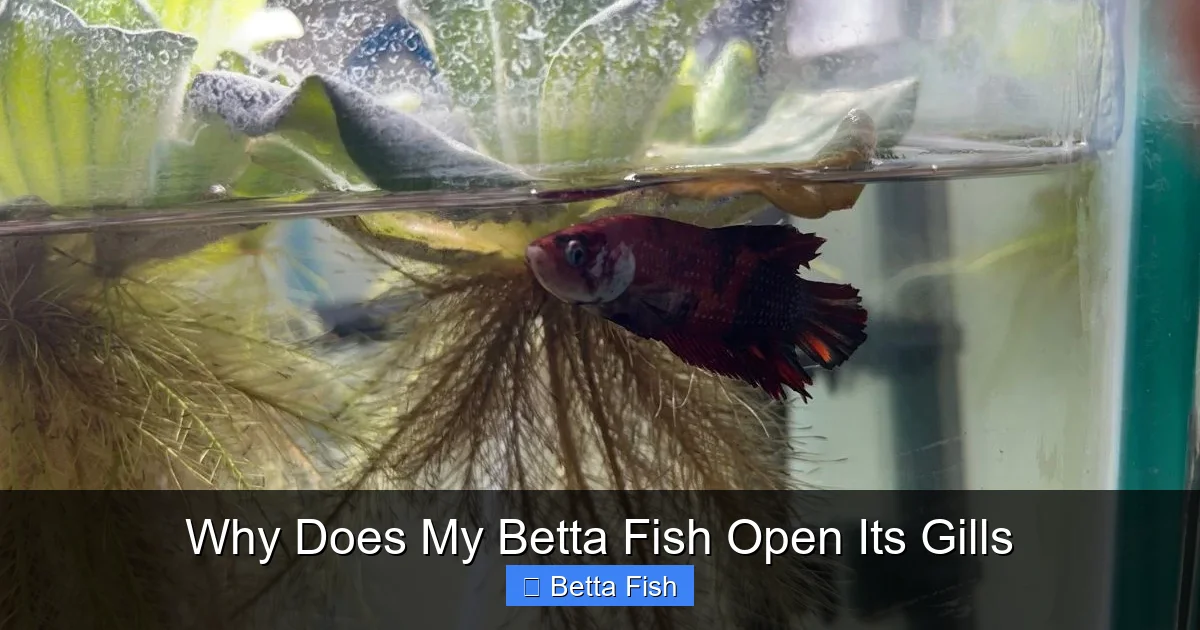
Visual guide about Why Does My Betta Fish Open Its Gills
Image source: petfishplants.com
What Normal Breathing Looks Like
- Steady, even flaps every 2–3 seconds.
- No visible distress or frantic movement.
- Fish remains active, hunting for food or exploring the tank.
If your betta’s gills open at this pace, there’s likely nothing to worry about. It’s just the fish doing what fish do.
2. Environmental Triggers: Water Quality and Temperature
Oxygen Levels and Tank Size
Water that is warm holds less dissolved oxygen. When the temperature climbs above 80°F (27°C), bettas must work harder to get enough oxygen, causing the gills to open more frequently. A cramped tank also reduces surface area for gas exchange.
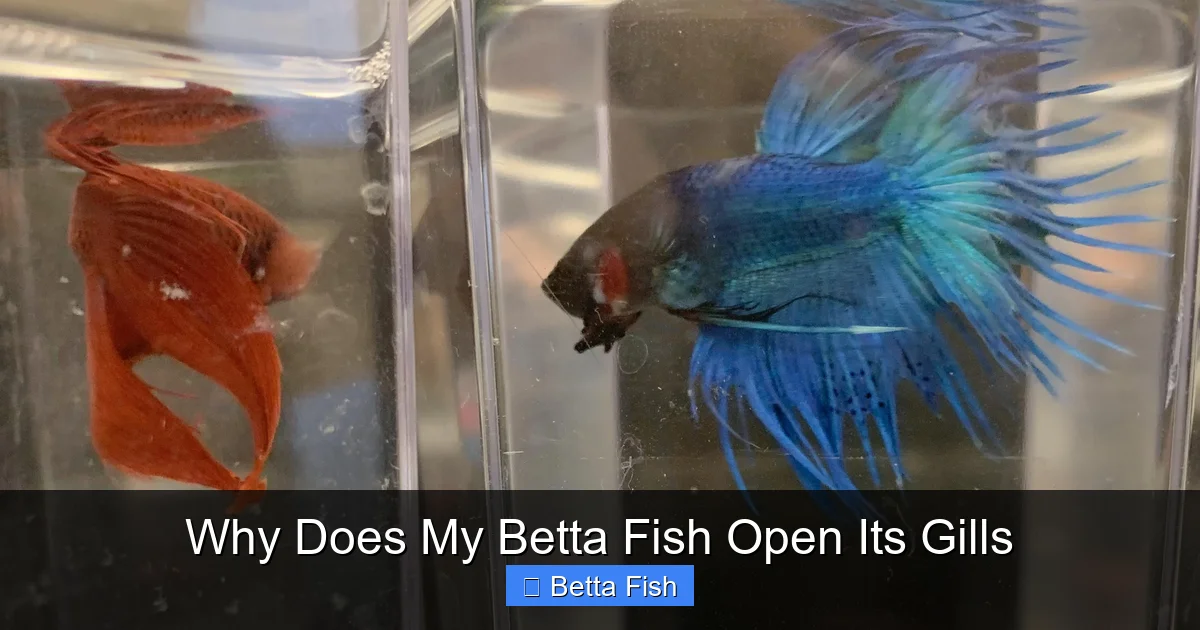
Visual guide about Why Does My Betta Fish Open Its Gills
Image source: housedpet.com
Practical Tip: Test and Adjust
- Keep the tank between 76°F‑80°F (24‑27°C).
- Use a reliable thermometer and a small air stone if the water feels “stuffy.”
- Perform a 25‑30% water change weekly to refresh oxygen levels.
pH, Ammonia, and Nitrite
High ammonia or nitrite spikes irritate gill tissue, making them flare more. A sudden pH shift can also stress the fish, prompting rapid gill movement.
Quick Check
Use a test kit each week. If ammonia or nitrite reads above 0 ppm, do an immediate 50% water change and clean the substrate.
3. Stress Signals: When the Gills Say “Help!”
Common Stressors
Betta fish are territorial and can become stressed by loud noises, sudden light changes, or aggressive tank mates. Stress often shows up as quick, shallow gill flares.
Identifying Stress‑Related Gills
- Gills open faster than normal, sometimes every second.
- Fish hides near plants or the tank lid.
- Fins may appear slightly wilted.
How to Reduce Stress
- Provide plenty of hiding spots—live plants or silk decorations.
- Limit external vibrations and keep the tank away from windows with direct sunlight.
- Avoid placing aggressive species in the same tank; bettas are best kept alone.
4. Health Issues: Illness and Disease
Signs of Respiratory Problems
When a betta’s gills stay open for extended periods, look for other red flags: loss of appetite, discoloration, or clamped fins. These could indicate bacterial infections like Flavobacterium columnare (columnaris) or parasites such as Ichthyophthirius multifiliis.
Link to Related Problems
If your betta’s gills are open and you notice fading colors, read our article on why did my betta fish lose its color for clues on color loss caused by disease.
When to Treat
- Gills remain open for more than a minute without a break.
- Fish shows labored breathing at the surface.
- Other symptoms like white spots or tail rot appear.
In these cases, isolate the fish in a hospital tank, raise the temperature to 82°F (28°C) to speed up the parasite life cycle, and consider a broad‑spectrum antibiotic like Maracyn.
5. Behavioral Reasons: Communication and Courtship
Gills as a Display Tool
During courtship, male bettas flare both their fins and gill covers to appear larger and more attractive. This is a normal, temporary increase in gill opening.
Example: Bubble Nest Builders
Male bettas that are preparing a bubble nest often open their gills more while blowing bubbles. For more on bubble‑nest behavior, see our guide on why did my betta fish make a bubble nest.
6. How to Monitor and Respond
Step‑by‑Step Observation Checklist
- Watch the gill rhythm for 5 minutes at a quiet time.
- Note any additional symptoms (color change, fin damage).
- Test water parameters (temperature, pH, ammonia, nitrite).
- Adjust environment: temperature, filtration, hiding spots.
- If symptoms persist >24 hours, isolate and treat.
Preventive Care Routine
- Weekly 25% water change with dechlorinated water.
- Monthly substrate vacuum.
- Bi‑weekly water testing.
- Feed high‑quality betta pellets plus occasional frozen brine shrimp.
Conclusion: Listening to Your Betta’s Gills
Answering the question “why does my betta fish open its gills?” isn’t a one‑size‑fits‑all answer. It can be as simple as normal breathing, a sign of stress, a reaction to water conditions, or an alarm bell for illness. By keeping a close eye on the rhythm, checking water quality, and providing a calm environment, you give your betta the best chance to thrive.
Remember, a healthy betta’s gills move smoothly and predictably. When they start to flare faster or stay open longer, it’s time to investigate. Use the checklist above, make small adjustments, and don’t hesitate to seek professional help if needed. Your attentive care will keep those beautiful gill covers fluttering happily for years to come.
Frequently Asked Questions
Why does my betta fish open its gills rapidly?
Rapid gill opening usually means the fish is stressed or the water lacks enough oxygen. Check temperature, ammonia levels, and add a gentle air stone.
Is it normal for a betta to keep its gills open while making a bubble nest?
Yes. Male bettas often flare their gills when they blow bubbles for a nest. This is a natural courtship behavior.
Can poor water quality cause my betta’s gills to stay open?
Absolutely. High ammonia, nitrite, or low dissolved oxygen will make the fish work harder to breathe, causing prolonged gill opening.
What other signs should I look for if I suspect disease?
Watch for loss of appetite, faded colors, white spots, clamped fins, or fish hanging at the surface. These combined with open gills suggest a health issue.
How often should I change the water to keep my betta’s gills healthy?
A 25‑30% water change each week is ideal. If you notice frequent gill flaring, increase to a 50% change and test the water parameters.
Should I add an air pump to my betta’s tank?
Adding a small, gentle air stone can increase surface agitation and oxygen levels, helping reduce excessive gill opening, especially in warmer water.