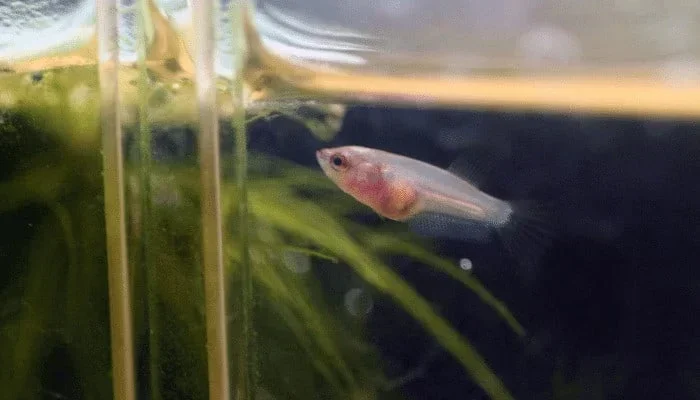
How to Rescue a Sick Betta Fish
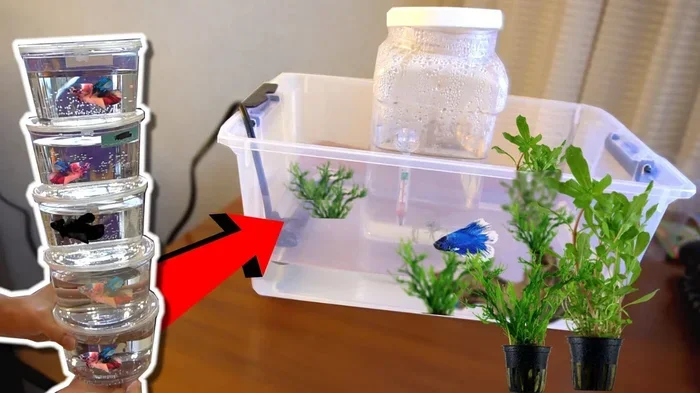
Rescuing a sick betta fish starts with spotting the warning signs early and acting fast. This guide walks you through every step, from identifying symptoms and setting up a recovery tank to choosing the right treatments and preventing future illness. Whether your betta has ich, fin rot, or just seems off, you will find clear, practical advice to help your fish recover and thrive again.
Key Takeaways
- Early detection saves lives: Knowing the signs of a sick betta fish lets you act before the illness worsens.
- A quarantine tank is essential: Isolating your sick betta prevents the spread of disease and reduces stress during recovery.
- Water quality is everything: Clean, properly conditioned water is the foundation of any betta fish recovery plan.
- Salt baths and medication work wonders: Simple treatments like a betta fish salt bath can tackle many common illnesses effectively.
- Prevention is always better than cure: Maintaining good tank habits keeps your betta healthy long term.
📑 Table of Contents
- How to Rescue a Sick Betta Fish: A Complete Step-by-Step Guide
- Spotting the Signs: Is Your Betta Fish Actually Sick?
- Immediate Steps to Rescue a Sick Betta Fish
- Common Betta Fish Illnesses and How to Treat Them
- Setting Up a Recovery Tank for Your Sick Betta
- Feeding and Nutrition During Recovery
- Preventing Future Illness in Your Betta Fish
- Key Takeaways and Final Thoughts
How to Rescue a Sick Betta Fish: A Complete Step-by-Step Guide
Watching your betta fish act strange can be scary. Maybe he stopped eating. Maybe his colors faded. Maybe you noticed white spots on his fins. Whatever the sign, the thought of losing your fish is terrifying. The good news is that most betta fish illnesses are treatable if you catch them early. This guide will show you exactly how to rescue a sick betta fish and give him the best chance at a full recovery.
You do not need a veterinary degree to save your fish. You need patience, the right tools, and a calm approach. Whether your betta has a minor case of ich or something more serious like fin rot, the steps below will walk you through the entire rescue process. We will cover symptom identification, immediate actions, treatment options, and long-term prevention. By the end, you will feel confident and ready to help your fish friend bounce back.
Rescuing a sick betta fish is all about speed and knowledge. The faster you respond, the better the outcome. Think of it like caring for a sick pet at home. You observe, you isolate, you treat, and you monitor. That is exactly what we will do here. Let us get started.
Why Early Action Matters for a Sick Betta Fish
Betta fish are resilient creatures, but they are not invincible. A minor illness can turn deadly within days if left untreated. The key difference between a full recovery and a tragic loss is how quickly you intervene. When you notice betta fish illness symptoms early, you buy yourself precious time. Every hour counts when your fish is fighting off an infection or parasites.
Many beginners wait too long. They assume the fish will “just get better.” Unfortunately, fish do not work that way. They hide their pain instinctively. By the time symptoms become obvious, the illness may already be advanced. This is why knowing the early warning signs is so important. The sooner you start treatment, the less invasive it needs to be.
Spotting the Signs: Is Your Betta Fish Actually Sick?
Before you can rescue a sick betta fish, you need to confirm that something is wrong. Bettas display clear behavioral and physical changes when they are unwell. Learning to read these signs puts you ahead of the game.
Here are the most common signs your betta fish is sick:
- Loss of appetite: Your betta ignores food or spits it out repeatedly.
- Faded or dull colors: A healthy betta should display vibrant hues. Dullness signals stress or illness.
- Clamped fins: When a betta holds his fins close to his body, something is wrong.
- White spots on the body or fins: This is a classic sign of ich, a parasitic infection.
- Ragged or disintegrating fins: Fin rot causes the fins to look shredded or blackened at the edges.
- Lethargy or hiding: A normally active betta that hides at the bottom of the tank needs attention.
- Labored breathing: Rapid gill movement or gasping at the surface indicates poor water conditions or infection.
- Swollen abdomen: A bloated belly can signal dropsy or other internal issues.
- Erratic swimming: Swimming in circles or rubbing against objects suggests discomfort or parasites.
If you notice two or more of these symptoms, it is time to take action. Do not panic. Most conditions are manageable with the right approach. For a deeper look at handling a sick betta, check out our guide on how to help a betta fish that is sick.
Immediate Steps to Rescue a Sick Betta Fish
Once you confirm your betta is sick, the next hours matter a lot. You need to act quickly but calmly. Here is exactly what to do first.
Step 1: Quarantine the Sick Fish
The first rule of rescuing a sick betta fish is isolation. Move your fish to a separate quarantine tank if you have one. This prevents the illness from spreading to other fish in your main tank. Even if you only have one betta, a quarantine setup lets you monitor him closely and medicate without affecting your main aquarium.
A quarantine tank does not need to be fancy. A 5-gallon tank with a simple sponge filter works perfectly. Keep the water temperature stable at around 78 to 80 degrees Fahrenheit. Bettas need warmth to recover, and a stable environment reduces stress significantly.
Step 2: Test and Improve the Water Quality
Bad water is the number one cause of betta fish illness. Before you treat the disease itself, make sure the water is clean and safe. Test the ammonia, nitrite, and nitrate levels in the quarantine tank. Ammonia and nitrite should both read zero. Nitrates should be below 20 parts per million.
If water parameters are off, do a 50 percent water change immediately. Use a water conditioner to neutralize chlorine and chloramine. For more tips on maintaining healthy water for your fish, see our article on how to take care of a betta fish water. Clean water is the foundation of every recovery plan.
Step 3: Observe and Document Symptoms
Take a few minutes to write down what you see. Note the symptoms, when they started, and any changes in behavior. This log helps you track progress and decide if a treatment is working. It also gives you valuable information if you need to consult an online fish health community or a veterinarian.
Common Betta Fish Illnesses and How to Treat Them
Different illnesses require different treatments. Understanding what your betta is dealing with helps you choose the right approach. Here are the most common conditions you may face.
Ich (White Spot Disease)
Ich is the most common fish disease. It shows up as tiny white dots all over the body and fins. These spots are actually parasites burrowing into the fish’s skin. Ich spreads fast and can be deadly if ignored.
To treat ich, raise the water temperature slowly to 82 degrees Fahrenheit. This speeds up the parasite’s life cycle and makes it vulnerable to medication. Add a medication specifically designed for ich. For a detailed treatment plan, read our guide on how to treat ich on a betta fish. Most fish recover fully within one to two weeks with proper treatment.
Fin Rot
Fin rot causes the edges of the fins to turn black or brown and become ragged. It is usually caused by bacterial infection, often triggered by poor water quality or physical injury. Fin rot is treatable if you catch it early.
Start with a water change and improve tank cleanliness. Add a broad-spectrum antibiotic or antibacterial medication to the quarantine tank. In mild cases, a betta fish salt bath can help promote fin regrowth and fight bacteria. For step-by-step instructions on this treatment, visit our article on how to give a betta fish a salt bath. Keep the water pristine during recovery, and your betta’s fins should start growing back within a few weeks.
Dropsy
Dropsy is one of the most serious betta fish illnesses. It causes the body to swell with fluid, giving the fish a pinecone-like appearance. Dropsy is often a symptom of kidney failure and is very difficult to treat. Early intervention with antibiotics and Epsom salt baths may help in some cases, but unfortunately, many dropsy cases are fatal. Prevention through excellent water quality is the best defense.
Fungal Infections
Fungal infections appear as white, cotton-like growths on the skin or fins. They usually occur when a fish is already weakened by injury or another illness. Treat fungal infections with a specialized antifungal medication. Improving water quality and reducing stress also support recovery.
Comparison Table: Common Betta Fish Illnesses
| Illness | Main Symptoms | Primary Cause | Treatment | Severity |
|---|---|---|---|---|
| Ich | White spots, scratching, rapid breathing | Parasite (Ichthyophthirius) | Heat raise + ich medication | Moderate |
| Fin Rot | Ragged, blackened fin edges | Bacteria, poor water | Water change + antibacterial meds | Mild to Moderate |
| Dropsy | Swollen belly, pinecone scales | Kidney failure, bacteria | Epsom salt, antibiotics (often fatal) | Severe |
| Fungal Infection | White cotton-like patches | Secondary infection, stress | Antifungal medication | Mild to Moderate |
| Stress (general) | Color loss, hiding, clamped fins | Poor water, bullying, temperature swings | Water improvement, salt bath | Mild to Moderate |
For broader guidance on caring for an unwell fish, also check out our how to care for sick betta fish article.
Setting Up a Recovery Tank for Your Sick Betta
A proper recovery tank makes a huge difference in how fast and how well your betta heals. You are not just treating the illness. You are creating the ideal environment for the body to repair itself.
Here is what you need in a recovery tank:
- A 5 to 10-gallon tank: Enough space for the fish to move comfortably without straining.
- A gentle sponge filter: Strong filters stress a sick fish. A sponge filter provides biological filtration without strong currents.
- A small heater: Maintain a steady temperature of 78 to 80 degrees Fahrenheit.
- Soft substrate or no substrate: Bare bottom tanks are easiest to keep clean during recovery.
- A few hiding spots: Live or silk plants give the fish a place to rest and feel safe.
- Dim lighting: Reduce light intensity to lower stress and encourage resting.
Keep the recovery tank away from high-traffic areas in your home. Noise and vibrations stress sick fish. A quiet corner of a room works perfectly. Clean the tank regularly with small water changes of 20 to 30 percent every two days. Never use soap or chemicals when cleaning. Plain warm water is all you need for the tank walls and decorations.
Feeding and Nutrition During Recovery
A sick betta fish often loses interest in food. This is normal and worrying at the same time. Proper nutrition supports the immune system and speeds up healing, so getting food right matters.
Start with small, easily digestible foods. Frozen bloodworms, brine shrimp, or high-quality betta pellets work well. Soak pellets in tank water for a few minutes before feeding to soften them. Feed tiny amounts two to three times a day. Remove any uneaten food after five minutes to keep the water clean.
If your betta refuses to eat for more than two days, try offering live food. The movement triggers a natural hunting response. You can also try soaking food in a garlic-based supplement. Garlic is a natural appetite stimulant and immune booster for fish. For tips on feeding frequency and portion sizes, see our guide on how many times a day to feed a betta fish.
Never overfeed a sick betta. Excess food fouls the water quickly, which can undo all your water quality efforts. Less is more during recovery.
Preventing Future Illness in Your Betta Fish
Once your betta recovers, your job is not done. Prevention is the best medicine. A few simple habits keep your fish healthy for years to come.
Maintain Consistent Water Quality
Test your water parameters weekly. Keep ammonia and nitrite at zero. Perform regular water changes of 25 to 30 percent every week. Use a quality water conditioner every time you add fresh water. Clean water is the single most powerful tool for preventing illness.
Avoid Overcrowding
Bettas are solitary fish. They do not need tank mates to be happy. Overcrowding increases stress and spreads disease quickly. If you keep other fish with your betta, choose peaceful species that do not nip at fins. Learn more about ideal tank setups at our article on how to set up a fish tank for betta fish.
Feed a Balanced Diet
Variety is key to a strong immune system. Rotate between pellets, frozen foods, and occasional treats like blanched peas. Avoid feeding the same thing every day. A varied diet keeps your betta healthy and colorful.
Reduce Stress Triggers
Stress weakens the immune system and makes fish vulnerable to illness. Keep the tank in a quiet area. Avoid sudden temperature changes. Do not tap on the glass or chase your fish with your hand. A calm environment is a healthy environment.
Quarantine New Fish Before Adding Them
If you ever add new fish to your tank, keep them in a separate quarantine tank for at least two weeks. This prevents the introduction of hidden diseases. Many experienced fish keepers swear by this simple practice.
Key Takeaways and Final Thoughts
Rescuing a sick betta fish is a journey that requires patience, knowledge, and dedication. You have learned how to spot the early warning signs, take immediate action, treat common illnesses, set up a proper recovery environment, feed your fish during healing, and prevent future problems. Every step you take makes a real difference in your fish’s life.
Remember that most betta fish illnesses are treatable when you catch them early. You do not need expensive equipment or professional training. You need clean water, a calm approach, and a willingness to learn. Your betta fish depends on you, and with the information in this guide, you are well equipped to be the hero your fish needs.
Start implementing these steps today. Your betta will thank you with vibrant colors, energetic swimming, and a long, healthy life. The bond between a betta keeper and their fish is special. It is built on care, attention, and the willingness to step up when it matters most.
Frequently Asked Questions
How long does it take to rescue a sick betta fish?
Recovery time depends on the illness and how early you start treatment. Mild cases like fin rot or early ich often improve within one to two weeks. More serious conditions like dropsy may take longer, and some cases may not respond to treatment. Consistent care and clean water speed up the process significantly.
Can I treat a sick betta fish in my main tank?
It is not recommended. Medications can harm beneficial bacteria and other tank mates. A quarantine tank lets you treat the illness safely without affecting your main aquarium. If you only have one fish, a separate hospital tank still provides the best environment for focused care and monitoring.
Is a salt bath safe for all betta fish illnesses?
Salt baths are effective for many external infections and parasites, but they are not a cure-all. Salt helps with fin rot, mild ich, and general stress recovery. However, some conditions like dropsy or internal infections require different medications. Always research the specific illness before choosing a treatment method.
What water temperature is best for a recovering betta fish?
The ideal temperature for a recovering betta is between 78 and 80 degrees Fahrenheit. This range supports the immune system and slows the growth of certain parasites. Avoid sudden temperature swings, as stress from temperature changes can weaken your fish further.
How can I tell if my betta fish is dying or just sick?
A sick betta may stop eating, hide, or lose color but still responds to treatment over time. A dying betta shows severe symptoms like extreme bloating, inability to swim, complete loss of color, and unresponsiveness to food or environment. Early intervention is the best way to prevent a sick fish from reaching the dying stage.
Should I use medication right away or wait and see?
When in doubt, start treatment early. Waiting too long can allow the illness to progress beyond the point where medication helps. For conditions like ich and fin rot, early treatment leads to much better outcomes. Use a broad-spectrum treatment if you are unsure of the exact cause, and adjust as you identify the specific illness.