How Many Times a Day to Feed a Betta Fish

Feeding your betta the right amount at the right times is key to a happy, healthy fish. Most experts recommend feeding 2‑3 small meals per day and adjusting based on age, activity, and water conditions. Follow these simple guidelines to keep your betta thriving without over‑feeding.
Key Takeaways
- 2‑3 feedings daily: The sweet spot for most adult bettas.
- Small portions only: Offer an amount they can eat in 2‑3 minutes.
- Adjust for life stage: Fry need more frequent, smaller meals.
- Watch water quality: Over‑feeding clouds the tank and harms health.
- Use a feeding log: Tracking helps spot over‑ or under‑feeding early.
- Seasonal changes matter: Cooler water slows metabolism, so feed less.
- Quality over quantity: High‑protein pellets or frozen foods are better than cheap flakes.
📑 Table of Contents
- Introduction: Why Feeding Frequency Matters
- 1. The Basic Rule: 2‑3 Small Meals per Day
- 2. Adjusting the Schedule for Different Life Stages
- 3. How Temperature and Water Conditions Influence Feeding
- 4. Choosing the Right Food for Your Feeding Schedule
- 5. Common Mistakes and How to Avoid Them
- 6. Special Situations: Sick or Recovering Bettas
- Conclusion: Find the Rhythm That Works for You and Your Betta
Introduction: Why Feeding Frequency Matters
When you first bring a betta home, the excitement can make you want to feed it constantly. After all, a bright, active fish looks healthy, right? Not quite. Betta fish have tiny stomachs—about the size of a pea—so giving them too much food at once can lead to bloating, constipation, and even life‑threatening dropsy.
Getting the feeding schedule right isn’t just about preventing illness; it also influences color intensity, fin condition, and overall behavior. In this guide we’ll answer the big question: how many times a day to feed a betta fish and why the answer isn’t a one‑size‑fits‑all number.
1. The Basic Rule: 2‑3 Small Meals per Day
Why two to three feedings?
Adult bettas thrive on 2‑3 feedings because their metabolism is fast but their stomach is tiny. Splitting the daily amount into several small meals mimics what they would eat in the wild—tiny insects and larvae throughout the day.

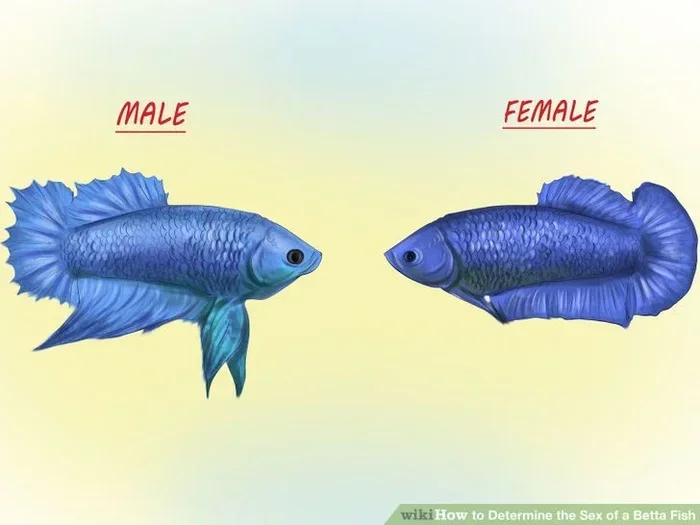
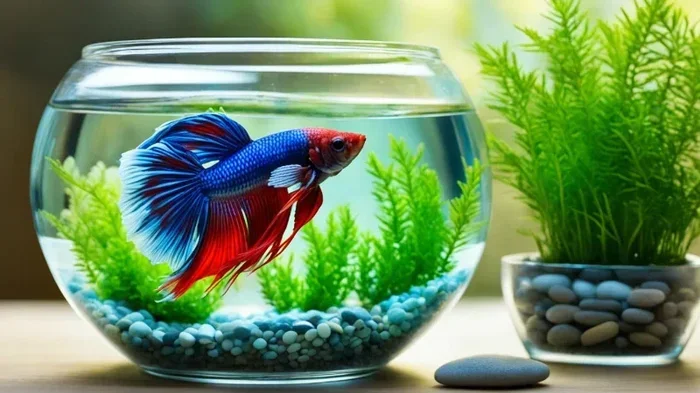
Visual guide about How Many Times a Day to Feed a Betta Fish
Image source: img.eromanga-life.com
How much is a “small” meal?
Offer only what your fish can gulp down in 2‑3 minutes. For most pellet‑type foods, this is about 2‑3 pellets per feeding. If you’re using frozen or live foods, a pea‑sized dab is enough.
Practical tip
- Set a timer on your phone for morning, afternoon, and evening feeds. Consistency helps your betta’s digestive system stay on schedule.
2. Adjusting the Schedule for Different Life Stages
Fry (baby bettas)
Fry are tiny and have rapid growth rates. They need to eat **4‑5 times a day** because each stomach can hold only a few micro‑pellets. Use specialized fry food that dissolves quickly.
Visual guide about How Many Times a Day to Feed a Betta Fish
Image source: i.weibomingzi.com
Juveniles (1‑3 months)
As they grow, juveniles can handle **3 meals daily**. Keep portions small but slightly larger than fry portions.
Adults (3 months and older)
This is where the 2‑3 feedings rule applies. If your adult betta appears very active, you can add a fourth light snack, but watch the water for any cloudiness.
Example schedule
- 7:00 am – 2 pellets
- 12:30 pm – 2 pellets
- 6:00 pm – 2 pellets
3. How Temperature and Water Conditions Influence Feeding
Warmer water = faster metabolism
In water above 78°F (25.5°C) bettas burn calories quicker, so they may need the full three meals. Keep a reliable heater and a thermometer to maintain a stable temperature.
Cooler water = slower digestion
If the tank drops below 72°F (22°C), reduce the amount or skip the evening feeding. Over‑feeding in cool water can cause constipation because the fish’s digestive enzymes work slower.
Water quality check
Frequent over‑feeding shows up as cloudy water, excess waste, and a rise in ammonia. Perform a water test weekly; if nitrates climb quickly, cut back on feedings.
4. Choosing the Right Food for Your Feeding Schedule
Pellets vs. flakes vs. frozen
High‑quality betta pellets are designed to sink slowly, giving the fish time to eat without gulping air. Flakes can disintegrate and pollute the water faster. Frozen or live foods (bloodworms, brine shrimp) are excellent treats but should not replace the staple diet.
How many pellets?
Most adult bettas do well on 2‑3 pellets per feeding. If you notice leftover pellets after 5 minutes, you’re feeding too much.
Supplemental foods
Offer a pea once a week to aid digestion, or a few frozen bloodworms as a protein boost. Remember these are treats, not daily staples.
5. Common Mistakes and How to Avoid Them
Over‑feeding
Giving more than 5 pellets at once or feeding for longer than 5 minutes leads to bloating. If you see your betta’s belly swell, fast‑forward to a “fasting day” where you offer only a tiny pinch of food.
Under‑feeding
Skipping meals for several days can cause loss of color and lethargy. Keep a simple feeding log on your fridge to ensure you don’t miss a day.
Feeding at inconsistent times
Irregular feeding confuses the fish’s internal clock. Use the same 2‑3 time slots each day.
Using the wrong food type
Cheap, low‑protein flakes can cause nutrient deficiencies. Upgrade to a reputable pellet brand or supplement with frozen foods.
6. Special Situations: Sick or Recovering Bettas
When a betta stops eating
If your betta refuses food for 24‑48 hours, try offering a live or frozen brine shrimp. The movement can stimulate its appetite.
Force‑feeding
For a seriously ill betta, you may need to force feed using a syringe and softened pellet slurry. Only attempt this if you’re comfortable and have consulted a vet or experienced hobbyist.
Feeding during recovery
Offer very small portions (1‑2 pellets) twice a day until the fish regains strength. Keep the water pristine; a clean environment speeds healing.
Conclusion: Find the Rhythm That Works for You and Your Betta
Understanding how many times a day to feed a betta fish is more than a simple number—it’s about observing your fish, adjusting for temperature, and choosing the right food. Start with the 2‑3 small meals rule, watch your betta’s behavior, and fine‑tune as needed. A happy, colorful betta is the reward for a consistent, thoughtful feeding routine.
Frequently Asked Questions
How many times a day should I feed an adult betta?
Most adult bettas do best with 2‑3 small feedings spaced throughout the day. Offer only what they can eat in a few minutes.
Can I feed my betta once a day?
Feeding once a day can lead to over‑eating and digestive problems. It’s safer to split the daily portion into multiple small meals.
What if my water temperature is low?
In cooler water (below 72°F/22°C) slow the metabolism by reducing the evening feeding or offering a smaller portion.
How do I know if I’m over‑feeding?
Cloudy water, leftover food after 5 minutes, and a swollen belly are signs of over‑feeding. Cut back the amount and frequency.
Should I give my betta treats?
Yes, occasional treats like frozen bloodworms or a pea can add variety and aid digestion, but they should not replace the main pellet diet.
Where can I learn more about feeding schedules?
Check out our detailed guide on how many times a day to feed a betta fish for additional tips and common pitfalls.