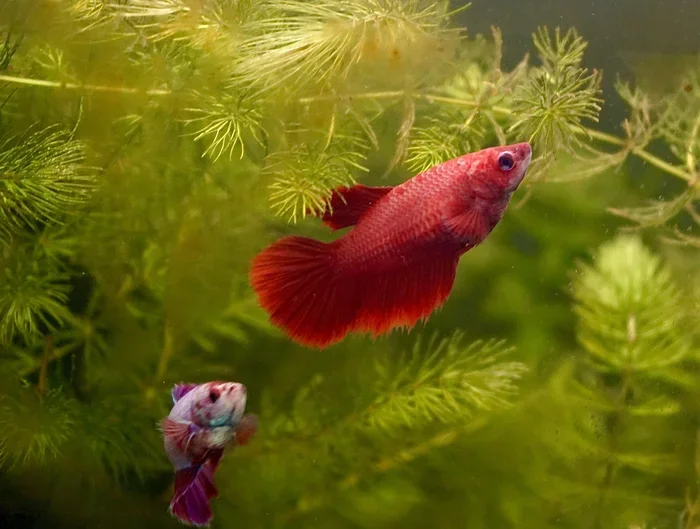
How to Rescue a Sick Betta Fish from a Store
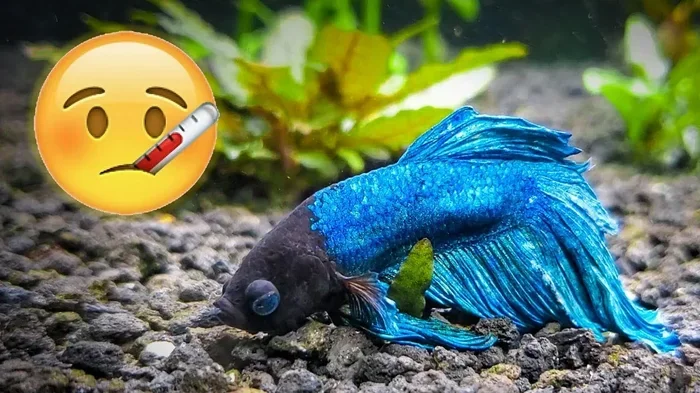
Rescuing a sick betta fish from a store requires quick action and the right knowledge. This guide covers identifying illness signs, setting up a proper recovery tank, and effective treatment methods to nurse your betta back to health.
Key Takeaways
- Spot Early Warning Signs: Look for faded colors, clamped fins, lethargy, and loss of appetite to catch illness early.
- Set Up a Quarantine Tank: A separate recovery tank with clean, conditioned water is essential for healing.
- Know Common Illnesses: Ich, fin rot, velvet, and swim bladder disorder are the most frequent store-bought betta ailments.
- Use Proper Medication: Medications like Seachem ParaGuard and API MelaFix can effectively treat bacterial and parasitic infections.
- Adjust Feeding Habits: Feed small amounts of high-quality food and consider fasting to aid recovery.
- Monitor Water Conditions: Regular water changes and testing prevent further stress and complications.
- Be Patient: Recovery takes time—most bettas improve within 1-2 weeks with consistent care.
📑 Table of Contents
How to Rescue a Sick Betta Fish from a Store
Walking into a pet store and spotting a sick betta fish in a tiny cup with faded colors and droopy fins can be heartbreaking. These beautiful creatures often end up in poor conditions because of overcrowded tanks, incorrect water temperatures, and improper care. But here is the good news—you can make a real difference. Rescuing a sick betta fish from a store gives a deserving fish a second chance at a happy, healthy life. This guide will walk you through everything you need to know, from recognizing the signs of illness to setting up the perfect recovery environment.
Whether you are a first-time betta owner or a seasoned hobbyist, knowing how to help a sick betta fish is a valuable skill. We will cover identification, treatment, water care, and long-term maintenance so you feel confident every step of the way. Let us dive in and learn how to save these amazing little pets.
Recognizing the Signs of a Sick Betta Fish
Before you can rescue a sick betta fish from a store, you need to know what to look for. Betta fish are masters at hiding discomfort, so subtle changes can easily go unnoticed. Learning these early warning signs empowers you to act fast and give the fish the help it needs.
Physical Symptoms to Watch For
A healthy betta displays vibrant colors, upright fins, and bright, clear eyes. When a fish is unwell, physical changes appear quickly. Here are the most common symptoms:
- Faded or Discolored Body: A betta that has lost its vivid coloration is likely stressed or ill. Colors may appear washed out or blotchy.
- Clamped Fins: When a betta holds its fins tightly against its body instead of spreading them open, it is a clear sign of distress.
- Ragged or Torn Fins: Damaged fins often point to fin rot, a bacterial infection common in poor water conditions.
- White Spots or Patches: These may indicate ich (a parasitic infection) or fungal growth on the skin.
- Swollen or Bloated Body: A puffy belly can signal swim bladder disorder or internal infection.
- Cloudy or Puffy Eyes: Eye problems often relate to water quality issues or bacterial infections.
Behavioral Red Flags
Behavior changes tell you just as much as physical symptoms. Pay close attention to how the fish moves and reacts.
- Lethargy and Hiding: A sick betta often hides in corners or rests on the bottom of its container. A healthy betta is curious and active.
- Loss of Appetite: Refusing food is one of the earliest signs that something is wrong. If the fish ignores pellets it normally eats, take notice.
- Rapid Breathing: Fast gill movement signals oxygen stress, often caused by low water temperature or poor water quality.
- Erratic Swimming: Darting, flipping, or struggling to stay upright can point to neurological or swim bladder issues.
- Surfacing for Air Frequently: Bettas have a labyrinth organ, but constant gasping at the surface suggests the water is not suitable.
Quick tip: If you see multiple signs at once, the fish is likely in serious trouble and needs immediate help. Do not wait for the condition to worsen.
Why Store-Bought Bettas Often Get Sick
Understanding why pet store bettas become sick helps you prevent the same problems in your own care. The reality is that many stores keep bettas in conditions far below what these fish truly need.
Overcrowded Tanks and Poor Water Quality
Most stores house bettas in tiny cups or small bowls with no filtration systems. Water quality deteriorates fast when there is no cycling, no cleaning, and too many fish packed together. Ammonia and nitrite levels spike quickly, burning through the fish’s immune system. This weak state makes them vulnerable to parasites and bacteria.
Incorrect Temperature
Bettas are tropical fish that need warm water between 76°F and 82°F. Many stores keep rooms cool or place tanks near drafty windows. Cold water slows the fish’s metabolism and makes it sluggish, opening the door to illness.
Stress from Environment
Constant noise, bright lights, tapping on glass, and aggressive tank mates all contribute to chronic stress. A stressed betta cannot fight off disease effectively. Learning how to treat a stressed betta fish is an important skill for any rescuer.
Expert insight: Pet store employees sometimes lack proper training in fish care. Do not rely solely on their advice. Equip yourself with knowledge before bringing a betta home.
Setting Up a Recovery Tank
Once you have identified a sick betta fish that needs rescuing, the next critical step is preparing a proper recovery environment. This quarantine setup gives the fish the best chance to heal without the stress and dangers of a main tank.
Tank Size and Equipment
A recovery tank should be at least 5 gallons. Larger tanks are always better because they provide more stable water conditions. You will need:
- A gentle filter (sponge filters work great for sick fish)
- A heater to maintain a steady temperature around 78°F to 80°F
- A thermometer to monitor the heat consistently
- Fine gravel or soft substrate (or skip substrate entirely for easy cleaning)
- Low-light live or silk plants for hiding spots
Water Preparation
Always use a water conditioner to remove chlorine and chloramine from tap water before adding it to the tank. Let the water reach the correct temperature before introducing your betta. Test the water for ammonia, nitrite, and nitrate levels. Ideally, ammonia and nitrite should both be at 0 ppm, and nitrate should stay below 20 ppm.
You can also learn more about proper water preparation in our detailed guide on how to prepare water for a betta fish.
Cycling the Tank Before Introduction
If possible, set up the recovery tank at least a few days before you bring the fish home. This allows beneficial bacteria to establish and the water parameters to stabilize. A cycled tank dramatically reduces the risk of transferring new infections to your main setup.
Quick tip: Keep the recovery tank separate from your other fish tanks. Even if the betta appears healthy after recovery, it can still carry parasites that might harm other fish.
Treating Common Betta Fish Illnesses
Now we get to the heart of the rescue process—actually treating the illness. Different diseases require different approaches, so correct identification is key. Below is a breakdown of the most common conditions found in store-bought bettas and how to address each one.
Ich (White Spot Disease)
Ich is one of the most widespread parasites affecting betta fish. It shows up as tiny white dots across the body and fins. The parasite thrives in cool, stressed environments. To treat ich effectively:
- Raise the water temperature slowly to around 82°F over a few hours (do not shock the fish with a sudden jump).
- Add a medication like Seachem ParaGuard or API Super Ick Cure.
- Perform 25% water changes every two days during treatment.
- Continue treatment for at least 7 to 10 days after all visible spots disappear.
For more detailed instructions, check our article on how to treat ich on a betta fish.
Fin Rot
Fin rot is a bacterial infection that causes fins to appear ragged, translucent, or dissolving at the edges. It almost always stems from poor water quality. Treatment involves:
- Improving water conditions through regular changes and testing.
- Using a bacterial treatment like MelaFix or Fin And Body Cure.
- Adding aquarium salt at 1 teaspoon per 5 gallons (unless you have sensitive plants).
- Keeping the water warm and well-oxygenated.
Velvet Disease
Velvet appears as a fine gold or rust-colored dust on the fish’s body. It is caused by a parasite called Piscinoodinium. Affected bettas often flash against objects and breathe heavily. Treatment steps include:
- Dimming the lights, as the parasite thrives in bright conditions.
- Using a medication like ParaGuard or Copper-based treatments.
- Raising the temperature to 82°F.
- Conducting frequent small water changes during the treatment period.
Swim Bladder Disorder
Swim bladder issues cause a betta to float on its side, sink to the bottom, or struggle to maintain position. The causes range from overeating to infection. Here is a simple approach:
- Fast the fish for 1 to 2 days.
- Feed cooked and deshelled peas (no skin) as a gentle remedy.
- Maintain warm water and reduce water flow if using a filter.
- If the condition persists beyond 3 days, consider a broad-spectrum antibiotic treatment.
For a deeper dive on this topic, explore our guide on how to feed a pea to a betta fish.
Comparison Table: Common Betta Illnesses and Treatments
| Illness | Key Symptoms | Primary Treatment | Recovery Time |
|---|---|---|---|
| Ich | White spots, rapid breathing, rubbing against objects | Raise temperature + ParaGuard | 7-14 days |
| Fin Rot | Ragged fins, translucent edges, darkening at fin base | MelaFix + water improvements | 1-3 weeks |
| Velvet | Gold dust coating, flashing, labored breathing | ParaGuard + dim lights | 7-10 days |
| Swim Bladder | Floating sideways, sinking, struggling to balance | Fasting + pea treatment | 2-5 days |
Feeding and Nutrition During Recovery
Proper nutrition plays a huge role in helping a sick betta fish regain its strength. However, feeding during recovery requires care and attention. Overfeeding a sick fish can make things worse, while the right diet supports healing.
What to Feed a Recovering Betta
- High-Quality Pellets: Choose sinking pellets specifically formulated for bettas. Brands like Fluval Bug Bites and Hikari Betta Bio-Gold offer excellent nutrition.
- Frozen or Live Foods: Bloodworms, brine shrimp, and daphnia provide protein and encourage feeding. Thaw frozen foods before offering them.
- Peas: Deshelled, mashed peas help with swim bladder issues and provide fiber.
- Small Portions: Feed 2 to 3 pellets at a time, once or twice daily. A sick betta has a smaller appetite than a healthy one.
When to Fast Your Betta
Fasting can be beneficial, especially for fish dealing with bloating or swim bladder problems. A 24 to 48-hour fast gives the digestive system a break. After fasting, reintroduce food slowly with small, easily digestible options. Always watch the fish during feeding. If it refuses food for more than 3 days, consider adjusting food type or consulting a fish health resource.
You might also want to read about proper feeding frequency in our article on how many times a day to feed a betta fish.
Quick tip: Variety in diet helps boost the immune system. Rotate between pellets, frozen bloodworms, and brine shrimp throughout the week for balanced nutrition.
Long-Term Care and Prevention
Once your betta has recovered from its illness, the work is not over. Long-term care ensures the fish stays healthy and thrives for years to come. Prevention is always easier than treatment, so building solid habits from the start pays off greatly.
Maintaining Water Quality
Clean water is the foundation of betta health. Follow these practices to keep your tank in top shape:
- Perform 25% to 50% water changes weekly.
- Vacuum the substrate during water changes to remove debris.
- Test water parameters at least once a week for ammonia, nitrite, nitrate, and pH.
- Never replace all the water at once unless dealing with a severe contamination event.
- Rinse filter media in old tank water (never tap water) to preserve beneficial bacteria.
For more on this, our guide on how to maintain a betta fish bowl offers helpful routine tips.
Providing Enrichment and Comfort
Bettas are more than just pretty fish—they have personality and need stimulation. A bored betta is a stressed betta. Add silk plants, caves, and even a small mirror (used briefly) for stimulation. A comfortable environment promotes a strong immune system and vibrant coloration.
Knowing When to Seek Professional Help
Despite your best efforts, some conditions require expert intervention. If your betta shows no improvement after 2 weeks of consistent treatment, or if symptoms worsen rapidly, consider consulting a veterinarian who specializes in aquatic animals. Many universities with veterinary programs offer exotic pet consultations. Do not hesitate to seek help—early professional intervention can save a fish’s life.
Expert insight: Keep a log of water parameters, feeding schedules, and treatment dates. This record helps you spot patterns and adjust care more effectively over time.
Conclusion
Rescuing a sick betta fish from a store is one of the most rewarding things you can do as a fish keeper. These fish deserve a chance at a healthy life, and with the right knowledge, you can make that happen. Start by recognizing the warning signs of illness. Set up a proper recovery tank with warm, clean water. Treat the specific disease using targeted medication and consistent care. Feed a balanced diet in appropriate portions. And maintain excellent water quality long after the fish has healed.
Every small action you take matters. A sick betta fish does not have to be a lost cause. Armed with the information in this guide, you now have the tools to step in, save a life, and enjoy the companionship of a thriving betta for years to come. Do not wait for the perfect moment—start your rescue journey today.
Frequently Asked Questions
How do I know if a betta fish is sick enough to rescue?
Look for clear warning signs like faded colors, clamped fins, white spots, lethargy, rapid breathing, or loss of appetite. If the fish shows multiple symptoms or seems unable to swim normally, it needs immediate help. Trust your instincts—if something looks wrong, it probably is.
What is the best water temperature for a recovering betta fish?
Keep the water between 78°F and 82°F. A slightly warmer temperature (around 80°F) helps boost the fish’s immune system and speeds up healing. Use a reliable heater and thermometer to maintain a steady temperature without fluctuations.
Can I treat a sick betta fish in a bowl instead of a tank?
A bowl is not ideal for treatment because it lacks space, filtration, and temperature stability. A 5-gallon recovery tank works much better. However, if a bowl is all you have available, perform frequent small water changes, use a heater, and add appropriate medication. Upgrade to a tank as soon as possible.
How long does it take for a sick betta fish to fully recover?
Recovery time depends on the illness and how quickly treatment begins. Minor conditions like swim bladder disorder may resolve in 2 to 5 days. More serious infections like ich or fin rot can take 1 to 3 weeks. Consistency with medication and water care is essential throughout the entire recovery period.
Should I add salt to my betta’s recovery tank?
Aquarium salt can help treat bacterial infections and reduce stress, but it is not always necessary. Use 1 teaspoon per 5 gallons for mild cases. Avoid salt if you have live plants in the tank. Always research the specific illness before adding salt, as some conditions require different approaches.
How can I prevent my new betta fish from getting sick again?
Maintain clean water through regular changes, keep the temperature stable with a heater, feed a varied and high-quality diet, and avoid overcrowding. Quarantine any new fish for at least 2 weeks before introducing them to other tanks. Providing enrichment and reducing stress also strengthens your betta’s overall health.