Is Pollack Better Than Trout Fish for Dogs
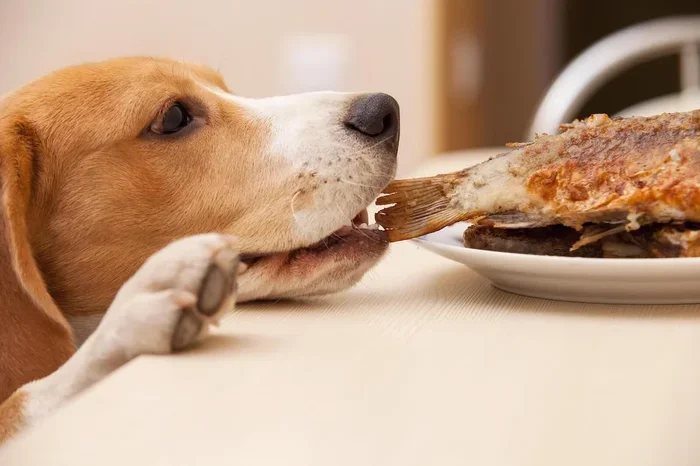
Choosing the right fish for your dog can be tricky. Pollack and trout are both popular options, but is pollack better than trout fish for dogs? This guide breaks down the nutrition, safety, and benefits of each so you can make the best choice for your furry friend.
Key Takeaways
- Pollack and trout are both healthy fish options for dogs, offering lean protein and omega-3 fatty acids.
- Trout tends to have higher omega-3 content, making it slightly better for skin, coat, and joint health.
- Pollack is lower in mercury and often more affordable, making it a safe everyday choice.
- Both fish should always be cooked before feeding to your dog to remove parasites and harmful bacteria.
- Watch for allergic reactions when introducing any new fish, and always remove bones before serving.
- Fish oil supplements can enhance the benefits of either fish when added to your dog’s diet.
- Consult your vet before making major changes to your dog’s meal plan, especially if your dog has health issues.
📑 Table of Contents
- Is Pollack Better Than Trout Fish for Dogs?
- Understanding Pollack and Trout Fish
- Nutritional Comparison: Pollack vs Trout
- Benefits of Pollack for Dogs
- Benefits of Trout for Dogs
- Safety Considerations When Feeding Fish to Dogs
- Which Fish Is Better for Your Dog?
- Quick Tips for Serving Fish to Dogs
- Expert Insights on Fish in Dog Diets
- Common Mistakes When Feeding Fish to Dogs
- Conclusion
Is Pollack Better Than Trout Fish for Dogs?
Dog owners are always on the lookout for the best food to keep their pets healthy and happy. Fish has become a top choice in recent years. It is packed with protein and loaded with good fats. But when it comes to picking between two popular options, many people ask: is pollack better than trout fish for dogs?
The answer is not as simple as you might think. Both pollack and trout have strong points. They each bring something different to the table. Your best choice depends on your dog’s needs, allergies, and overall diet. This article breaks down everything you need to know. We will compare nutrition, taste, safety, and more. By the end, you will know exactly which fish is the better fit for your pup.
Let us dive right in and explore the world of fish for dogs.
Understanding Pollack and Trout Fish
What Is Pollack Fish?
Pollack is a white fish found in the North Atlantic Ocean. It is a member of the cod family. Many people know it as a mild-tasting, lean fish. It is commonly used in fish sticks and fish sandwiches. Pollack for dogs is a popular choice because it is easy to digest and gentle on the stomach. It is also one of the most affordable fish options available.
Pollack has a light flavor that most dogs seem to enjoy. It is low in fat compared to many other fish. This makes it a great option for dogs that need a lean protein source. You can find pollack fresh, frozen, or canned. Each form works well for dog food recipes.
What Is Trout Fish?
Trout is a freshwater fish that belongs to the salmon family. It has a slightly stronger flavor than pollack. Trout is known for its tender, flaky texture. It is rich in omega-3 fatty acids. These healthy fats support skin, coat, and joint health in dogs. Trout fish for dogs is a fantastic choice for pet owners looking for a nutrient-dense option.
Trout tends to be a bit more expensive than pollack. But many dog owners feel the extra cost is worth it. The higher omega-3 content gives it a nutritional edge. Trout is also widely available in grocery stores and pet food brands.
Nutritional Comparison: Pollack vs Trout
When choosing between pollack better than trout for dogs, nutrition is the first thing to look at. Let us break down the key nutrients in both fish.
| Nutrient | Pollack (per 100g) | Trout (per 100g) |
|---|---|---|
| Calories | ~82 kcal | ~130 kcal |
| Protein | ~17g | ~20g |
| Total Fat | ~0.9g | ~6g |
| Omega-3 Fatty Acids | ~0.3g | ~1.0g |
| Vitamin D | Moderate | High |
| Vitamin B12 | High | High |
| Selenium | High | High |
| Mercury Level | Low | Low to Moderate |
As you can see, trout packs more calories, fat, and omega-3s. Pollack is leaner and lower in calories. Both fish are excellent sources of lean protein for dogs. They also provide important vitamins and minerals. The best choice depends on what your dog needs most.
If you want a low-calorie, low-fat option, pollack is the way to go. If you want to boost your dog’s omega-3 intake, trout is the stronger pick. You can also learn more about choosing the right fish by reading which fish is better for you to understand key differences between fish types.
Benefits of Pollack for Dogs
Lean Protein Source
Pollack is an excellent source of lean protein. Protein is essential for building strong muscles. It also supports energy levels and overall health. Pollack gives your dog high-quality protein without adding excess fat. This makes it ideal for overweight dogs or those with sensitive stomachs.
Low Mercury Content
One major advantage of pollack is its low mercury level. Mercury is a toxic metal found in some fish. It can be harmful to dogs over time. Pollack is considered one of the safest fish in terms of mercury contamination. This makes it a reliable choice for regular feeding.
Affordable and Accessible
Pollack is budget-friendly. You can find it in most grocery stores and pet food shops. It is often used in commercial dog foods. This means it has been tested and approved for canine consumption. Canned pollack is especially convenient for quick meal prep.
Easy to Digest
Dogs with sensitive stomachs often do well on pollack. Its mild flavor and soft texture make it easy to digest. You can serve it plain or mixed with other dog-safe ingredients. It is a gentle way to introduce fish into your dog’s diet.
Benefits of Trout for Dogs
Rich in Omega-3 Fatty Acids
Trout shines when it comes to omega-3 content. Omega-3 fatty acids are powerful nutrients for dogs. They support healthy skin and a shiny coat. They also help reduce inflammation in joints. This is especially helpful for older dogs or breeds prone to arthritis. If you are exploring options, you might also find it useful to read about fish oil versus flaxseed oil to understand different omega-3 sources for your dog.
Trout provides a natural source of these healthy fats. This means you may not need to rely as heavily on fish oil supplements. The omega-3s in trout also support brain development in puppies. They can even help with cognitive function in senior dogs.
High in Vitamin D
Trout is one of the best natural sources of vitamin D for dogs. Vitamin D helps the body absorb calcium. It supports strong bones and teeth. It also plays a role in immune system health. Getting vitamin D from a natural food source like trout is always better than relying on supplements alone.
Supports Joint Health
Because of its anti-inflammatory properties, trout is great for dogs with joint issues. The omega-3s in trout can help reduce stiffness and pain. Many dog owners report improved mobility after adding trout to their dog’s meals. This is especially true for large breeds and aging dogs.
High-Quality Protein
Trout delivers slightly more protein per serving than pollack. This protein supports muscle maintenance and repair. It also provides sustained energy throughout the day. Trout fish for dogs is a complete protein source with all essential amino acids.
Safety Considerations When Feeding Fish to Dogs
Always Cook Fish Thoroughly
Never feed raw fish to your dog. Raw fish can contain parasites and harmful bacteria. Cooking eliminates these risks. Bake, steam, or grill the fish without adding salt, butter, or oil. Plain cooked fish is always the safest option. Both pollack and trout are safe when properly cooked.
Remove All Bones
Fish bones can splinter easily. They pose a choking hazard or can damage your dog’s digestive tract. Always check for and remove every bone before serving. Both pollack and trout have small bones that are easy to miss. Take your time and be thorough.
Watch for Allergic Reactions
Some dogs may be allergic to fish. Signs of an allergy include itching, skin rashes, ear infections, or digestive upset. Introduce fish in small amounts at first. Watch your dog closely for any negative reactions. If symptoms appear, stop feeding the fish and consult your vet. You can also research freshwater versus saltwater fish differences to better understand potential allergen sources.
Avoid Added Seasonings
Dogs do not need seasonings. Garlic, onion, salt, and many spices are harmful to dogs. Always serve fish plain. Cook it with nothing but water. This keeps the meal safe and healthy. Your dog will still enjoy the natural flavor of the fish.
Mercury and Contaminant Awareness
Even though both pollack and trout have low mercury levels, moderation is key. Do not feed fish every single day. A few times per week is a safe amount. Rotate between different protein sources to keep your dog’s diet balanced. This also reduces the risk of exposure to any contaminants.
Which Fish Is Better for Your Dog?
So, is pollack better than trout fish for dogs? The honest answer is: it depends. Let us break it down by situation.
Choose Pollack If:
- Your dog is overweight or needs a low-calorie diet.
- Your dog has a sensitive stomach or food allergies to richer fish.
- You want a budget-friendly fish option.
- You are looking for a mild-flavored fish that is easy to digest.
- You want a low-fat protein source for regular meals.
Choose Trout If:
- Your dog needs more omega-3 fatty acids in their diet.
- Your dog has joint issues or inflammation.
- You want to support skin, coat, and brain health.
- Your dog is a growing puppy or a senior with specific nutrient needs.
- You want a higher protein content per serving.
You can also feed both fish to your dog on different days. This gives your dog the best of both worlds. Rotate pollack and trout to keep meals interesting. Your dog gets balanced nutrition without getting bored of the same food.
Quick Tips for Serving Fish to Dogs
- Start small. Begin with a small portion. This lets you check for any reactions before making it a regular meal.
- Cook plain. Use no oil, salt, or seasonings. Plain is always best for dogs.
- Flake it well. Break the fish into small, flaky pieces. This makes it easy for your dog to eat and digest.
- Mix it up. Combine fish with dog-safe vegetables like sweet potato or carrots. This adds variety and extra nutrients.
- Store properly. Keep leftover fish in the fridge for no more than two days. Discard any fish that smells off.
- Check labels. If buying canned or pre-packaged fish, read the label. Avoid products with added sodium or preservatives.
Expert Insights on Fish in Dog Diets
Veterinarians generally agree that fish is a healthy addition to a dog’s diet. Dr. Sarah Lin, a veterinary nutritionist, notes that fish provides unique nutrients that other proteins cannot match. She emphasizes the importance of variety. “Rotating protein sources ensures your dog gets a broad spectrum of nutrients,” she explains.
Many dog food brands now include fish in their formulas. Pollack and trout are among the most common. When choosing commercial dog food, look for named fish sources like “pollack” or “trout” on the ingredient list. Avoid vague terms like “fish meal” or “white fish.” These do not tell you exactly what your dog is eating.
Experts also recommend consulting your vet before making big changes. This is especially important if your dog has existing health conditions. Kidney disease, liver issues, or food sensitivities all require special consideration. Your vet can help you determine the right fish and portion size for your dog.
Common Mistakes When Feeding Fish to Dogs
- Feeding raw fish. This is dangerous. Always cook fish fully to kill parasites and bacteria.
- Overfeeding. Too much fish can lead to an imbalance in your dog’s diet. Stick to recommended portions.
- Ignoring bones. Even small bones can be dangerous. Always remove them completely.
- Using canned fish in heavy sauce. Canned fish in oil or heavy brine is not suitable for dogs. Choose plain canned options only.
- Skipping the vet check. Every dog is different. A vet can guide you on the best choices based on your dog’s health profile.
Conclusion
So, is pollack better than trout fish for dogs? Both fish have impressive benefits. Pollack is lean, affordable, low in mercury, and gentle on the stomach. Trout is rich in omega-3s, high in vitamin D, and excellent for joint and coat health. There is no single winner. The best fish depends entirely on your dog’s individual needs.
Consider your dog’s weight, age, activity level, and health conditions. You might even alternate between the two for a well-rounded diet. Whatever you choose, always serve fish cooked, boneless, and plain. Your dog deserves the very best nutrition you can provide.
Take the time to understand your dog’s needs. Make informed choices. And remember, a healthy dog is a happy dog. Share this guide with fellow dog owners who are curious about fish for dogs. It is a helpful resource for anyone looking to improve their pet’s meals with quality fish options.
Frequently Asked Questions
Is pollack safe for dogs to eat every day?
Pollack is safe for dogs but should not be fed every single day. A few times per week is ideal. Rotating between different protein sources keeps your dog’s diet balanced and reduces the risk of any nutrient imbalances or contaminant exposure.
Can trout cause allergies in dogs?
Yes, some dogs may be allergic to trout or other fish. Signs include itching, ear infections, skin rashes, or stomach upset. Always introduce trout in small amounts first and watch your dog closely for any negative reactions. Contact your vet if you notice any symptoms.
What is better for a puppy: pollack or trout?
Trout is generally better for puppies because of its higher omega-3 content. Omega-3 fatty acids support brain development and cognitive function in young dogs. However, pollack is also safe for puppies when served in small, properly cooked portions. Always consult your vet before feeding fish to a puppy.
Can I feed my dog canned pollack or canned trout?
Yes, you can feed your dog canned fish. Choose options packed in water with no added salt or preservatives. Drain the liquid and rinse the fish before serving. Always check that the fish is boneless or remove any remaining bones before feeding it to your dog.
How much fish should I feed my dog per week?
Experts recommend feeding fish to your dog about two to three times per week. This amount provides nutritional benefits without overloading on mercury or creating dietary imbalances. The exact portion depends on your dog’s size, weight, and overall diet plan. Your vet can give specific guidance.
Is pollack better than trout fish for dogs with sensitive stomachs?
Pollack is often better for dogs with sensitive stomachs. It is leaner, milder, and easier to digest than trout. Its low fat content puts less stress on the digestive system. Start with small amounts of plain cooked pollack and monitor your dog’s response before making it a regular part of their meals.