How to Remove Fungus in Betta Fish
Discover the fastest and safest way to remove fungus in betta fish with this complete guide. You’ll learn how to identify cotton wool disease, apply antifungal treatments, and prevent reinfection using simple tank maintenance and natural remedies. Follow these steps to restore your betta’s health and keep its fins clear and vibrant.
If you’ve ever spotted a white, fluffy patch on your betta’s fins or body, you know how scary it can be. Fungal infections are common in betta fish, but the good news is that you can treat them at home. This guide will walk you through exactly how to remove fungus in betta fish and bring your colorful friend back to health. You’ll learn the signs to watch for, the reasons fungus takes hold, and the most effective treatments. With a little patience and clean water, your betta can recover fully.
Fungus often appears after a fish is stressed or injured. It thrives in dirty water and cold temperatures. The sooner you act, the better the chances of a full recovery. I’ll break down every step so you feel confident from day one. Let’s dive in and save your betta.
Key Takeaways
- Quarantine Immediately: Isolate infected fish to stop the fungus from spreading to tankmates.
- Use Antifungal Medication: Methylene blue or specialized treatments kill the fungus effectively.
- Improve Water Quality: Regular water changes remove the triggers that cause fungal growth.
- Maintain Warm Temperatures: Keep water between 78-80°F to boost your betta’s immune system.
- Try Salt Baths: Aquarium salt baths can help with mild infections and promote healing.
- Feed a High-Quality Diet: Nutritious food helps your betta recover and stay strong.
- Watch for Early Signs: White fluffy patches are the first clue—act fast.
📑 Table of Contents
What Is Fungus in Betta Fish? Signs and Types
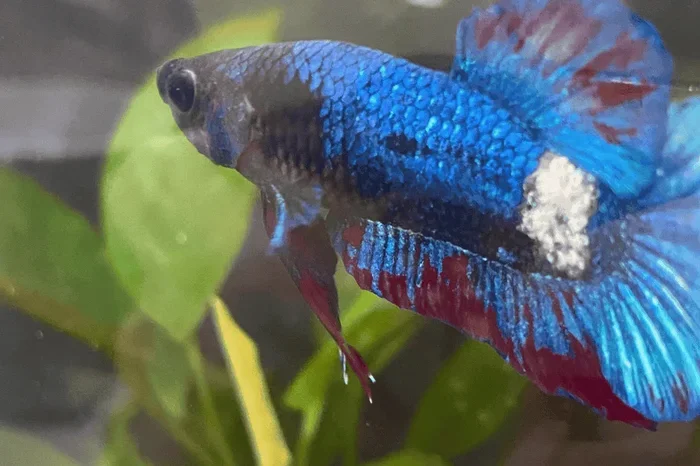
Fungal infections in bettas are caused by common waterborne spores. These spores float around in every aquarium but only attack weak fish. A healthy betta with clean water and a warm tank rarely gets fungus. When the immune system drops, the spores land on damaged tissue and grow.
The Cotton Wool Look
The most common type of betta fungus looks like cotton wool or fluffy white patches. It can appear on the fins, body, or even the mouth. This is often called cotton wool disease. You might also see gray or greenish tufts. The fungus feeds on dead tissue and can spread quickly if you ignore it. Betta fish fungus of this type is usually not fatal if you treat it early.
Other Fungal Signs
Not all fungus looks the same. Some bettas develop red, inflamed areas around the infection. You may notice your fish rubbing against decorations, a behavior called flashing. Loss of appetite and lethargy are also common. In severe cases, the fins may start to rot. Recognizing these signs early helps you act fast and start the right fungal infection betta treatment.
Why Betta Fish Develop Fungal Infections
Fungus is almost always a secondary problem. It strikes when the water is bad or the fish is stressed. Understanding the root causes is the first step toward a cure.
Poor Water Quality
Dirty water is the number one cause of fungal infections. Ammonia and nitrite spikes weaken the fish’s immune system. When the water is cloudy or smells bad, fungus finds a perfect breeding ground. Regular water changes keep these toxins low. A well-cycled tank with beneficial bacteria protects your betta.
Low Temperatures and Stress
Betta fish are tropical and need warm water. Cold water slows their metabolism and makes them vulnerable. Stress from overcrowding or aggressive tankmates also plays a role. For a deeper look at fungal infection betta causes and cures, see our guide on how to cure fungal infection in betta fish. Understanding the root cause helps you prevent future outbreaks.
Common Triggers
- Overfeeding, which fouls the water quickly.
- Using untreated tap water with chlorine.
- Keeping the tank in a drafty or cold room.
- Adding new fish without quarantining them first.
- Handling the betta roughly during tank cleaning.
Quick Tips for a Healthy Tank
- Test water parameters weekly with a liquid test kit.
- Change 25% of the water every week.
- Use a water conditioner to remove chlorine and chloramine.
- Avoid sudden temperature drops near windows or doors.
How to Remove Fungus in Betta Fish: A Step-by-Step Treatment Plan
Treating how to remove fungus in betta fish requires a calm and systematic approach. Follow these steps in order for the best results.
Step 1: Quarantine the Infected Fish
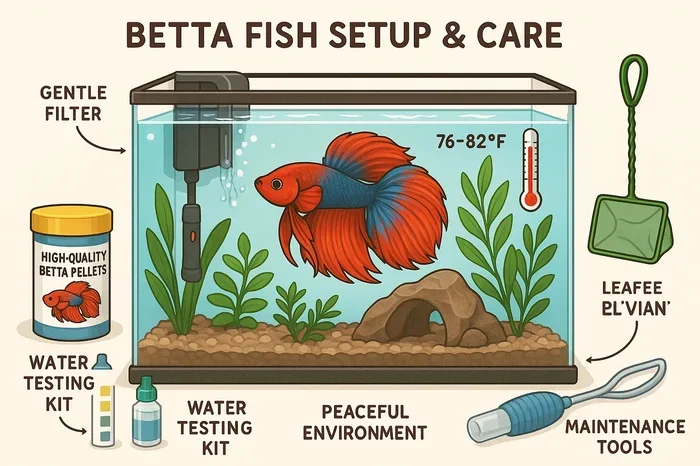
Move the sick betta to a separate hospital tank. This prevents the fungus from spreading to other fish. Use a small tank with a gentle filter and heater. Keep the water clean and stable. Quarantine is the first and most important step. A bare-bottom tank makes cleaning easier.
Step 2: Clean the Tank Thoroughly
In the main tank, remove any uneaten food and debris. Vacuum the gravel gently. Check the filter and rinse it in old tank water. Dirty filters can reintroduce fungus. A clean environment speeds up healing and stops the spores from multiplying.
Step 3: Apply Antifungal Medication
For moderate to severe infections, use a dedicated antifungal treatment. Methylene blue is a popular choice. You can also use commercial antifungal drops designed for bettas. Follow the dosage instructions carefully. Overdosing can harm your fish. If the infection is stubborn, you might want to check how to cure fungus on betta fish for more targeted advice.
Step 4: Use Salt Baths for Mild Cases
A mild aquarium salt bath can help with early-stage fungus. Mix one teaspoon of non-iodized salt per gallon of water. Let the betta soak for 10-15 minutes. Do this once a day for three days. Salt creates a hostile environment for the fungus. It also helps the fish’s slime coat recover.
Step 5: Monitor Progress Daily
Watch the white patches closely. They should shrink after two to three days of treatment. If the fungus spreads or the betta stops eating, move to a stronger medication. Keep a log of water parameters and behavior changes.
Daily Care Routine During Treatment
- Check the temperature in both tanks every morning.
- Remove any uneaten food after five minutes.
- Perform a 10% water change in the hospital tank daily.
- Observe the betta for signs of improvement or worsening.
- Wash your hands before and after handling the fish.
Expert Insight: Why Fungus Spreads So Fast
Fungal spores are always present in the water. They only attack when the fish is weak. A small cut or injury gives them an entry point. That’s why maintaining clean water and low stress is so important. A healthy betta can fight off fungus naturally. Keeping the environment stable is the best defense.
Natural and Medication-Based Treatments
You have several options to fight betta fish fungus. Some keepers prefer natural remedies, while others rely on commercial medications. Both approaches can work when used correctly.
Over-the-Counter Antifungals
Commercial treatments like Pimafix and Melafix are widely available. They contain natural ingredients that combat fungus. These are easy to dose and work well for mild cases. Always read the label for betta safety. Methylene blue is another powerful option that many aquarists trust.
Natural Remedies
Some keepers use tea tree oil or garlic supplements. Tea tree oil has antifungal properties but must be used in tiny amounts. A single drop per 10 gallons is enough. Garlic boosts the immune system but does not directly kill fungus. Salt baths are the safest natural option and can be used alongside medication.
How to Choose the Right Treatment
For mild white patches, start with a salt bath and improved water quality. For moderate infections, use a commercial antifungal like Melafix. For severe cases with open sores, methylene blue is the strongest choice. Always treat the whole hospital tank, not just the fish.
| Treatment | Best For | How to Use | Pros | Cons |
|---|---|---|---|---|
| Methylene Blue | Moderate to severe fungus | Add 1 drop per gallon | Fast-acting, widely available | Can stain decorations |
| Melafix | Mild infections | 5 ml per 10 gallons | Natural ingredients, safe | Slow results |
| Aquarium Salt | Early-stage or prevention | 1 tsp per gallon bath | Gentle, inexpensive | Not for severe cases |
| Tea Tree Oil | Very mild cases | 1 drop per 10 gallons | Natural antifungal | Risk of overdose |
Preventing Fungus from Returning
Once you clear the infection, your next goal is to stop it from coming back. Prevention is much easier than treatment.
Maintain Clean Water
Regular water changes are your best defense. Aim for a 25% change every week. Use a gravel vacuum to remove waste. Clean the filter monthly. Fresh, clean water keeps fungus at bay. Good betta fish care includes a consistent maintenance schedule.
Keep the Right Temperature
Betta fish need warm water between 78°F and 80°F. Cold water weakens their immune system. If you live in a cold climate, use a reliable heater. Keeping the water warm is essential for prevention. Learn more about maintaining warmth in how to keep betta fish warm in winter. A stable temperature reduces stress and helps your betta stay healthy.
Reduce Stress and Improve Diet
A stressed fish gets sick easily. Provide hiding spots and avoid aggressive tankmates. Feed a varied diet of high-quality pellets and frozen bloodworms. A strong immune system fights off fungus before it takes hold. Variety in food also keeps your betta active and colorful.
Common Mistakes to Avoid
- Skipping water changes because the water looks clear.
- Using too much medication, which can harm the fish.
- Keeping the tank in a drafty or cold spot.
- Overcrowding the tank with too many fish.
- Ignoring early signs like white patches.
When to Consult a Veterinarian
If the fungus covers a large area or the fish stops eating, see a vet. Professional diagnosis can rule out bacterial infections that look similar. A vet can prescribe stronger antifungals if needed. Early intervention always leads to better outcomes. Do not wait until the betta is completely lethargic.
Final Thoughts on Removing Fungus
Learning how to remove fungus in betta fish gives you the power to protect your pet. The key is to act quickly, keep the water clean, and use the right treatment. Most bettas recover fully within one to two weeks. By following the steps above, you create a safe and healthy home for your fish. Stay patient, stay consistent, and your betta will thank you with vibrant colors and active swimming.
Frequently Asked Questions
Can fungus in betta fish spread to other fish?
Yes, fungal spores can spread to other fish, especially those that are stressed or injured. This is why quarantining the infected betta immediately is so important. A separate hospital tank stops the fungus from reaching tankmates.
How long does it take to remove fungus from a betta fish?
Mild cases often improve within three to five days of treatment. Severe infections may take one to two weeks. Consistent water changes and proper medication speed up the healing process significantly.
Is aquarium salt safe for all betta fish?
Yes, aquarium salt is generally safe for bettas when used in the correct dosage. Use one teaspoon per gallon for a short bath. Avoid using salt in a main tank with live plants or sensitive invertebrates.
Can I use human antifungal cream on my betta fish?
No, human antifungal creams contain chemicals that can harm fish. Always use medications specifically designed for aquarium use. Products like methylene blue or Pimafix are safe and effective for bettas.
What causes white fuzzy patches on betta fish?
White fuzzy patches are usually a sign of cotton wool fungus. This happens when the water is dirty or the temperature is too low. Stress and injuries also make bettas vulnerable to these fungal growths.
Do betta fish get fungus more often in winter?
Yes, cold water weakens a betta’s immune system and promotes fungal growth. Keeping the tank warm with a reliable heater is one of the best ways to prevent fungus year-round. Check out tips on how to keep betta fish warm in winter for more guidance.