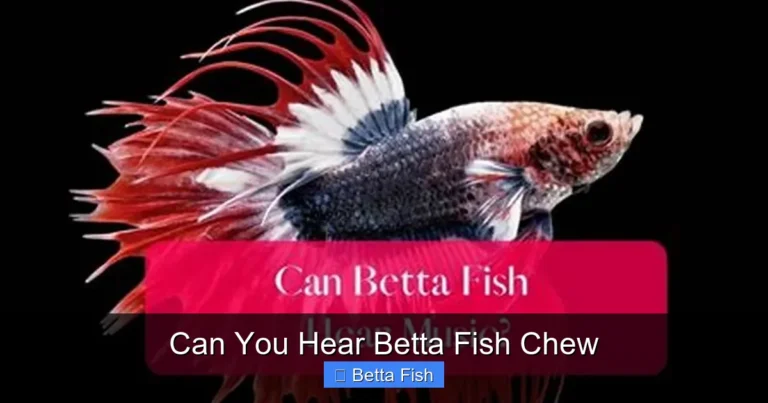
How to Treat Ich on a Betta Fish
Ich is a common, highly contagious parasite that can quickly threaten a betta’s health. By spotting the tell‑tale white spots early and following a clear treatment plan, you can save your fish and prevent future outbreaks. Simple water changes, proper medication, and attentive care are all you need to restore a thriving betta.
Key Takeaways
- Identify early: Tiny white dots and frantic swimming are the first signs of ich.
- Quarantine promptly: Move the sick betta to a separate tank to stop the spread.
- Raise temperature safely: Increasing water to 82‑84°F speeds up the parasite’s life cycle.
- Choose the right medication: Copper‑based or herbal treatments work well when dosed correctly.
- Maintain water quality: Daily partial water changes keep ammonia low and boost recovery.
- Prevent future outbreaks: Proper tank cycling, regular cleaning, and stress reduction are key.
- Know when to seek help: If symptoms persist after 7‑10 days, consult a vet or experienced hobbyist.
📑 Table of Contents
- Introduction: Why Ich Is a Betta’s Worst Nightmare
- 1. Spotting Ich: The Early Warning Signs
- 2. Immediate Action: Quarantine and Temperature Boost
- 3. Choosing the Right Treatment
- 4. Supporting Your Betta’s Recovery
- 5. Preventing Future Outbreaks
- 6. When to Seek Professional Help
- Conclusion: A Healthy Betta Is a Happy Betta
Introduction: Why Ich Is a Betta’s Worst Nightmare
If you’ve ever watched a betta dart around the surface of his tank, you know how lively and curious these fish can be. But when those quick movements turn into frantic splashing and you start to see tiny white specks on the body, your heart drops. That’s ich, short for Ichthyophthirius multifiliis, a single‑cell parasite that loves warm, fresh water.
Ich spreads fast, especially in the cramped, heated environments many bettas call home. The good news? With the right knowledge, you can treat ich on a betta fish quickly and prevent it from returning. This guide walks you through everything from spotting the first signs to choosing medication, cleaning the tank, and keeping your betta happy for the long haul.
1. Spotting Ich: The Early Warning Signs
What Does Ich Look Like?
Ich appears as small, raised white spots that look like salt crystals on the fish’s flanks, fins, and sometimes the head. The spots are usually 1‑2 mm in diameter and may be more visible on lighter‑colored bettas.

Visual guide about How to Treat Ich on a Betta Fish
Image source: matsukiyococokara.com
Behavior Changes to Watch For
- Rapid, erratic swimming near the surface.
- Rubbing against decorations or the tank glass (a behavior called “flashing”).
- Loss of appetite or reduced interest in food.
- Gasping at the water surface, especially if oxygen levels are low.
When to Confirm It’s Ich
If you see at least three spots on each side of the body and the fish is acting stressed, it’s very likely ich. However, other diseases like fin rot or dropsy can look similar, so a quick check against how to cure fin rot on a betta fish and how to treat dropsy in betta fish can help rule out those issues.
2. Immediate Action: Quarantine and Temperature Boost
Set Up a Quarantine Tank
Time is critical. Move the infected betta to a separate, disease‑only tank. The tank should be at least 5‑10 gallons, filtered, and heated. This stops the parasite from jumping to healthy tank mates.
Visual guide about How to Treat Ich on a Betta Fish
Image source: pixnio.com
Raise the Water Temperature
Ich has a life cycle that speeds up in warmer water. Increase the temperature to 82‑84°F (28‑29°C). Use a reliable aquarium heater and monitor with a thermometer. Do not exceed 86°F, as bettas can become stressed.
Maintain Water Quality
Perform a 25‑30% water change daily for the first 3‑4 days. Use a water conditioner to remove chlorine and chloramine. Clean the substrate lightly—avoid stirring up cysts that may be settled at the bottom.
3. Choosing the Right Treatment
Medication Options
There are two main categories of ich medication for bettas:
Visual guide about How to Treat Ich on a Betta Fish
Image source: i0.wp.com
- Copper‑based treatments: Effective and fast‑acting. Follow the label dosage carefully; bettas are sensitive to copper.
- Herbal remedies: Garlic, tea tree oil, and Indian almond extract are gentler but may require longer treatment periods.
How to Dose Properly
Read the product’s instructions. A typical copper sulfate dose is 0.1 mg/L for bettas, while herbal powders are often added at 1 gram per 10 gallons. Never combine two medications unless the label says it’s safe.
Duration of Treatment
Most treatments last 7‑10 days. Keep the temperature elevated for the full period, then slowly lower it back to your normal range over 24‑48 hours.
4. Supporting Your Betta’s Recovery
Feeding Strategies
Ill fish often lose their appetite. Offer high‑protein foods like bloodworms, brine shrimp, or a small amount of crushed daphnia. If your betta refuses, try how to feed a sick betta fish techniques such as using a syringe or feeding a peeled pea to stimulate digestion.
Stress Reduction Tips
- Dim the lights to reduce glare.
- Cover part of the tank with a piece of clean acrylic to give the fish a hiding spot.
- Avoid sudden temperature changes after the treatment period.
Monitoring Progress
Check the fish daily. The white spots should fade and disappear within a few days of effective treatment. If new spots keep appearing after 48 hours, repeat the medication or consult a specialist.
5. Preventing Future Outbreaks
Proper Tank Setup
A well‑cycled tank with stable parameters is the best defense. Follow a guide on how to set up a tank for a betta fish to ensure the nitrogen cycle is complete before adding any fish.
Regular Maintenance Routine
- Do a 20‑30% water change weekly.
- Test water for ammonia, nitrite, and nitrate at least twice a month.
- Clean the filter media monthly, but avoid over‑cleaning which can remove beneficial bacteria.
Quarantine New Arrivals
Any new fish, plants, or decorations should be quarantined for at least two weeks. This catches hidden parasites before they enter the main tank.
Temperature Management
Keep the tank temperature consistent. Sudden spikes or drops stress bettas and make them more vulnerable to disease.
6. When to Seek Professional Help
Signs That Treatment Isn’t Working
If after 10 days the spots are still visible, the fish is lethargic, or the gills appear inflamed, it may be a secondary infection. In such cases, a vet experienced with fish can prescribe stronger medication or antibiotics.
Cost‑Effective Alternatives
Sometimes a simple increase in water changes and a fresh dose of medication can turn things around. However, never ignore persistent symptoms—early intervention saves both fish and money.
Conclusion: A Healthy Betta Is a Happy Betta
Ich can feel terrifying, but it’s also one of the most treatable fish diseases when you act fast. By recognizing the signs, quarantining, raising temperature, using the right medication, and maintaining pristine water, you give your betta the best chance to bounce back.
Remember, prevention is easier than cure. Keep your tank cycled, perform regular water changes, and reduce stressors. With these habits, ich will be just another reminder of how attentive you are as a betta keeper.
Frequently Asked Questions
What does ich look like on a betta fish?
Ich appears as tiny, raised white spots that resemble salt crystals on the body, fins, and sometimes the head. The spots are usually 1‑2 mm in size.
Can I treat ich without medication?
Raising the water temperature and performing frequent water changes can help, but medication is usually needed to fully eradicate the parasite quickly.
How long does it take for ich to clear up?
With proper treatment, most bettas recover in 7‑10 days. The white spots will fade as the parasite’s life cycle is broken.
Is it safe to use copper medication on a betta?
Yes, if you follow the label dosage precisely. Betta fish are sensitive to copper, so never exceed the recommended concentration.
Should I quarantine my betta if I suspect ich?
Absolutely. Moving the sick fish to a separate tank prevents the parasite from spreading to any other fish you may have.
What can I do to prevent ich in the future?
Maintain a fully cycled tank, perform regular water changes, keep temperature stable, and quarantine new fish or plants before adding them to the main aquarium.