Why Is My Betta Fish Discolored
Seeing a dull or oddly colored betta can be stressful. This guide explains the top reasons why your betta fish is discolored, from water problems to health issues, and offers clear, friendly tips to bring back its brilliant hues.Quick fixes and preventive care are just a few steps away.
Key Takeaways
- Water quality matters: Poor parameters are the #1 cause of faded colors.
- Stress triggers loss of pigment: Overcrowding, temperature swings, and aggressive tank mates can dull your betta.
- Illness shows up as discoloration: Parasites, bacterial infections, and fungal growth often change scale color.
- Diet restores vibrancy: High‑quality protein and natural color enhancers help pigments rebound.
- Lighting and décor influence hue: Proper LED lighting and background colors can enhance or mask your fish’s natural shade.
- Regular monitoring prevents problems: Weekly water tests and observation catch issues early.
- Consult reputable sources: Use trusted articles like Why Did My Betta Fish Lose Its Color for deeper insight.
📑 Table of Contents
- Introduction: When Your Betta’s Colors Fade
- 1. Water Quality: The Silent Color Killer
- 2. Stress: The Hidden Color Drain
- 3. Nutrition: Feeding the Color Engine
- 4. Illness and Parasites: When Disease Shows Up as Color Change
- 5. Lighting and Tank Décor: Enhancing or Hiding Color
- 6. Genetic Factors and Natural Color Changes
- Conclusion: Restoring the Rainbow
Introduction: When Your Betta’s Colors Fade
Betta fish are famous for their brilliant fins and vivid body colors. As a hobbyist, you probably chose your betta because of those eye‑catching hues. So when you notice the fish looking pale, gray, or oddly tinted, it feels like a personal failure.
Don’t panic. Color change is often a symptom, not a death sentence. By understanding the many factors that affect pigment—water chemistry, stress, diet, disease—you can act quickly and often restore the sparkle. This article walks you through the most common reasons why your betta fish is discolored and gives step‑by‑step fixes you can try today.
1. Water Quality: The Silent Color Killer
Why clean water matters for pigment
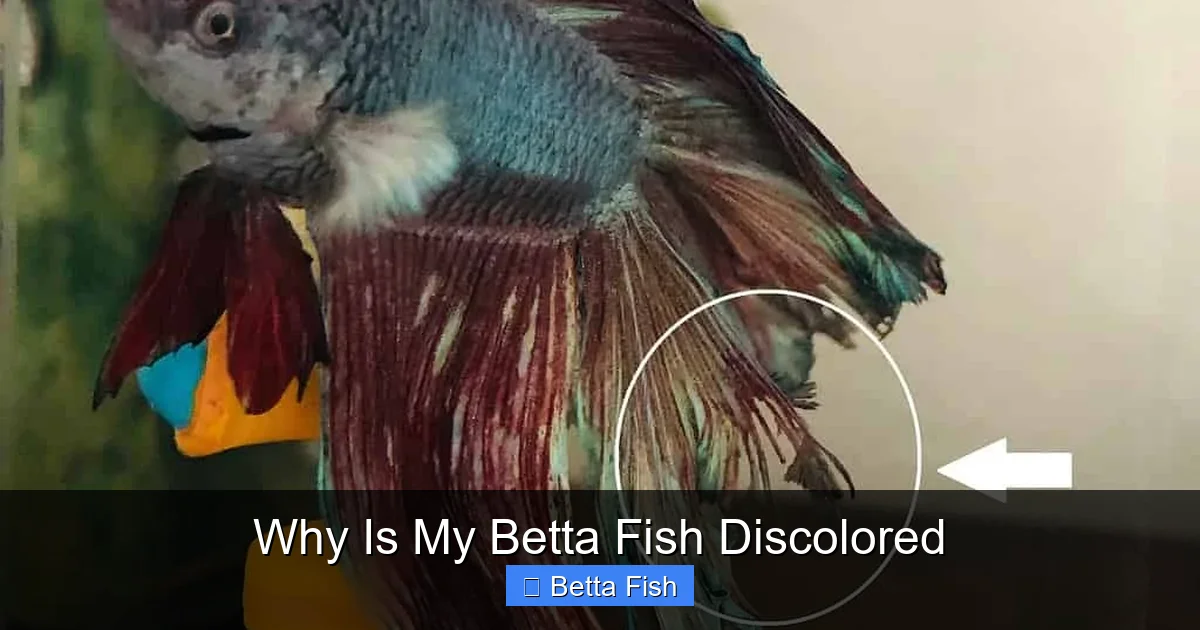
Betta fish breathe surface air, but they also absorb dissolved substances through their skin and gills. Poor water conditions can irritate these tissues, leading to stress and a loss of pigment. Even a slight rise in ammonia or a dip in pH can make a bright blue turn dull gray.

Visual guide about Why Is My Betta Fish Discolored
Image source: imgs.699pic.com
Key water parameters to check
- Ammonia (NH₃/NH₄⁺): Should be 0 ppm. Anything above 0.25 ppm can cause discoloration.
- Nitrite (NO₂⁻): Keep at 0 ppm. Even low levels stress bettas.
- Nitrate (NO₃⁻): Aim for under 20 ppm; higher values cause a faded look.
- pH: Ideal range 6.5‑7.5. Sudden swings bleach colors.
- Temperature: 76‑82 °F (24‑28 °C). Cold water slows metabolism, making colors appear dull.
Practical water‑care checklist
- Test the water weekly with a liquid test kit.
- Perform a 25‑30 % water change if any parameter is off.
- Use a gentle water conditioner that removes chlorine and chloramines.
- Consider a small internal filter designed for bettas; it keeps water moving without creating strong currents.
- Keep the tank covered to maintain temperature stability.
Real‑world example
Emma noticed her red betta turning pinkish. A quick test revealed nitrate at 45 ppm. After a 30 % water change and adding a live plant for natural filtration, the color deepened within three days.
2. Stress: The Hidden Color Drain
Common stressors in a betta’s life
Betas are territorial and sensitive. Stress can be caused by:
Visual guide about Why Is My Betta Fish Discolored
Image source: preview.qiantucdn.com
- Overcrowding or visible neighbors (even in separate tanks, reflections can be stressful).
- Frequent temperature fluctuations.
- Improper lighting schedules (too much or too little light).
- Loud vibrations, frequent tapping on the tank, or moving the tank.
- Incompatible tank mates, especially fin‑nippers.
How stress fades color
When stressed, bettas release cortisol, a hormone that reduces melanin production and can cause the bright iridescent layers to flatten. The result is a washed‑out appearance.
Tips to reduce stress
- Provide a solid background (dark or neutral) to eliminate reflections.
- Maintain a consistent 12‑hour light/12‑hour dark cycle with a timer.
- Use a heater with an alarm to avoid sudden temperature drops.
- Keep the tank in a quiet area away from doors and windows.
- Limit handling; only interact during feeding or health checks.
Link to related issue
If your betta is also hiding, read our guide on Why Is My Betta Fish Hiding for additional stress‑reduction ideas.
3. Nutrition: Feeding the Color Engine
What pigments need to shine
Betta coloration comes from two main types of pigment:
Visual guide about Why Is My Betta Fish Discolored
Image source: n.sinaimg.cn
- Melanophores: Black and brown tones, produced from amino acids.
- Carotenoids: Reds, oranges, and yellows, obtained from diet.
If the diet lacks these building blocks, the fish’s colors will fade.
Best foods for vibrant bettas
- High‑quality betta pellets: Look for brands with real fish protein and added carotenoids.
- Frozen or live foods: Daphnia, bloodworms, and brine shrimp are excellent natural color boosters.
- Supplemental color enhancers: Small amounts of spirulina or astaxanthin can intensify reds and oranges.
Feeding schedule that supports color
Feed 2‑3 times daily, offering only what the betta can eat in 2‑3 minutes. Overfeeding leads to water quality problems, which, as we saw, also cause discoloration.
Case study
Mike’s blue betta turned a dull teal after a month of cheap pellets. Switching to a premium pellet with natural shrimp and feeding a few frozen bloodworms twice a week restored the deep sapphire within a week.
4. Illness and Parasites: When Disease Shows Up as Color Change
Common health problems that affect color
- Ich (Ichthyophthirius multifiliis): White spots can make the fish look speckled and pale.
- Velvet disease (Oodinium): Gives a dusty gold or copper sheen, dulling original colors.
- Fin rot: Bacterial infection that causes frayed fins and a faded appearance.
- Fungal infections: White, cotton‑like growths that mask natural hue.
- Internal parasites: Can cause a general pallor and loss of vibrancy.
Spotting early signs
Look for:
- White or gray patches on scales.
- Faded fins or ragged edges.
- Lethargy combined with loss of color.
- Changes in swimming behavior (floating sideways, gasping).
Basic treatment steps
- Isolate the sick fish in a hospital tank.
- Raise temperature to 82‑84 °F (28‑29 °C) to speed parasite life cycles.
- Add a suitable medication (e.g., copper‑based for ich, malachite green for velvet). Follow dosage instructions carefully.
- Perform daily 50 % water changes during treatment.
- Resume high‑quality feeding once appetite returns.
Further reading
For a deeper dive into disease‑related color loss, see Why Did My Betta Fish Turn Black.
5. Lighting and Tank Décor: Enhancing or Hiding Color
Choosing the right light
Betta fish benefit from a gentle LED light that mimics natural daylight. Too strong a light can bleach colors, while too dim a light can make them appear muted.
Best practices
- Use a 10‑12 hour photoperiod with a timer.
- Select LEDs with a balanced spectrum (white or slightly blue). Avoid overly intense red lights.
- Place the light source above the tank, not directly on the side, to reduce glare.
Background and décor tricks
A dark, non‑reflective background (black, navy, or dark gray) makes bright colors pop. Light-colored backgrounds can make a healthy betta look washed out.
Example setup
Sarah installed a slim LED strip with a 12‑hour cycle and added a matte black poster board behind the tank. Her green betta’s scales now look emerald rather than muted olive.
6. Genetic Factors and Natural Color Changes
When the fish is simply changing
Some bettas naturally shift color as they mature or during breeding season. Males may develop brighter hues when they are ready to build a bubble nest.
Age‑related fading
Older bettas can lose intensity slowly, much like humans’ hair turning gray. This is normal and not usually a health issue.
When to be concerned
If the color loss is rapid, accompanied by other symptoms (loss of appetite, erratic swimming), it likely points to a problem discussed earlier.
Related reading
Explore Why Did My Betta Fish Change Colors for more on natural color shifts.
Conclusion: Restoring the Rainbow
Seeing your betta fish turn dull can be alarming, but most discoloration cases have a clear, manageable cause. By keeping water pristine, reducing stress, feeding a balanced diet, watching for illness, and providing proper lighting, you give your betta the best chance to display its natural brilliance.
Remember to test water weekly, observe behavior daily, and act quickly if anything seems off. With a little attention, your betta will bounce back to its vivid self, and you’ll enjoy the beautiful display that first drew you to these amazing fish.
Frequently Asked Questions
Why is my betta fish turning white?
White patches often signal ich or a fungal infection. Check water quality, isolate the fish, and treat with an appropriate medication.
Can water temperature affect my betta’s color?
Yes. Temperatures below 76 °F can cause colors to look muted, while a stable range of 76‑82 °F keeps pigments vibrant.
My betta isn’t eating and looks pale. What should I do?
First, test the water for ammonia or nitrite spikes. Offer high‑quality live or frozen foods. If appetite doesn’t improve, look for signs of disease.
Do I need special lighting for a colorful betta?
A gentle LED with a 10‑12 hour cycle is ideal. Too strong light can bleach colors; too dim light can make them appear dull.
How long does it take for color to return after fixing water issues?
Most bettas show improvement within 2‑5 days once water parameters are corrected and stress is reduced.
Can genetics cause my betta to lose color over time?
Yes, older bettas may naturally fade a bit, but sudden or severe loss usually points to water, stress, or health problems.