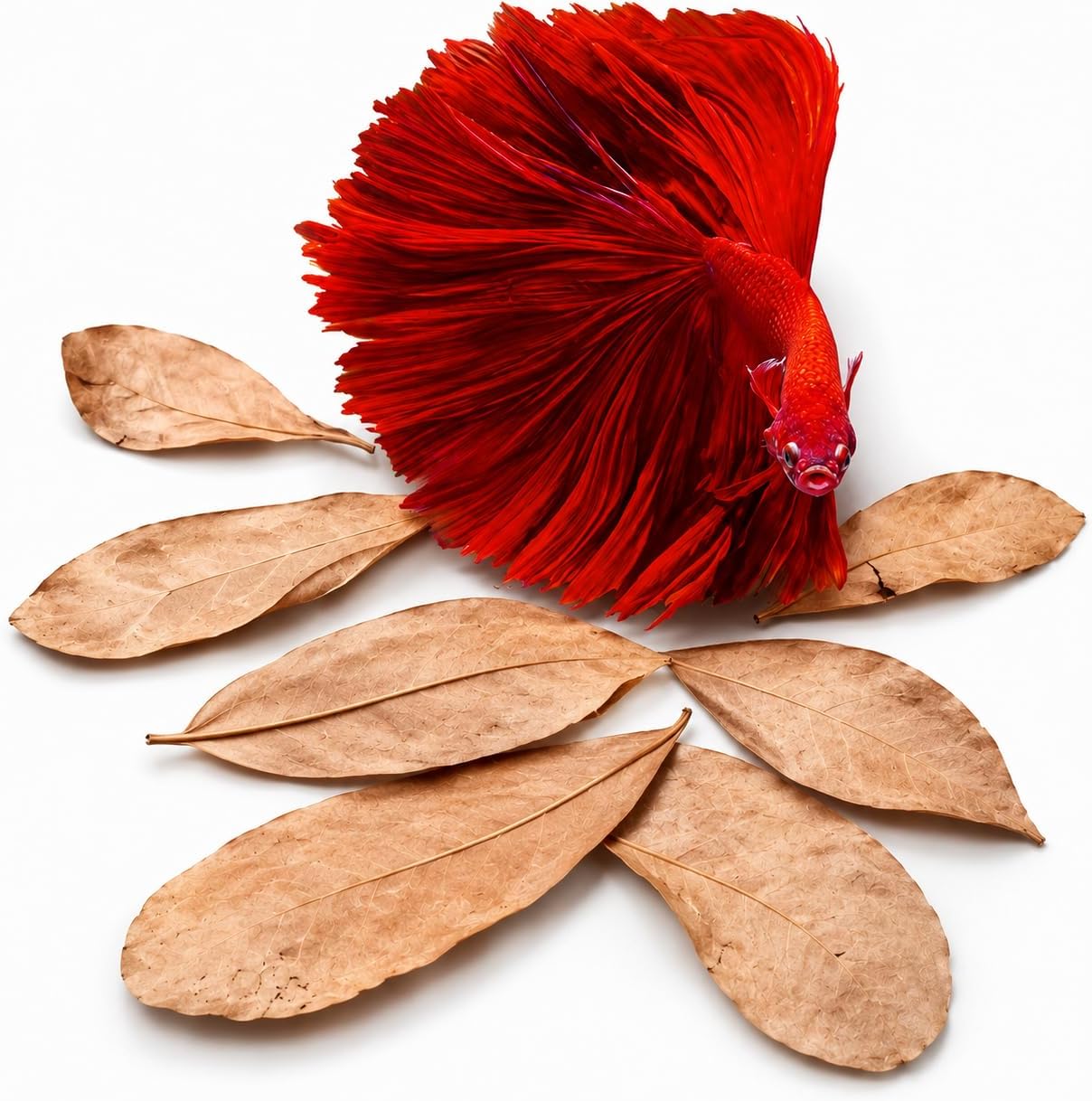
How to Give a Betta Fish a Salt Bath
Giving a betta fish a salt bath is a simple, low‑stress method to treat common ailments and improve overall health. Follow our easy guide to mix the right amount of aquarium salt, time the soak, and monitor your fish for the best results.
Key Takeaways
- Correct dosage matters: Use 1‑2 g of non‑iodized aquarium salt per gallon of water for a safe soak.
- Short baths work best: Limit the soak to 5‑10 minutes to avoid stress.
- Use clean, de‑chlorinated water: Prevent additional chemicals from harming your betta.
- Watch for signs of improvement: Faster recovery of fins, brighter colors, and normal swimming indicate success.
- Not a cure‑all: Salt baths help with parasites and minor skin issues but won’t fix serious diseases.
- Safety first: Never use table salt or add salt to a fully stocked tank without a plan.
- Combine with good husbandry: Regular water changes and proper tank setup enhance the benefits of a salt bath.
📑 Table of Contents
- Introduction: Why a Salt Bath Can Be a Betta’s Best Friend
- 1. Understanding When a Salt Bath Is Needed
- 2. Gathering the Right Supplies
- 3. Preparing the Salt Bath Solution
- 4. Performing the Salt Bath
- 5. After‑Bath Care: Returning to the Tank
- 6. Integrating Salt Baths into a Healthy Betta Routine
- Conclusion: A Simple, Effective Tool for a Happy Betta
Introduction: Why a Salt Bath Can Be a Betta’s Best Friend
Betta fish are beautiful, but they are also prone to a handful of tiny health hiccups—fin rot, parasites, and occasional fungal patches. One of the oldest, easiest remedies in the hobbyist toolbox is the salt bath. A short soak in a lightly‑salty solution can help draw out parasites, reduce swelling, and promote faster healing without the need for heavy medication.
In this guide we’ll walk you through everything you need to know about how to give a betta fish a salt bath—from preparing the water to post‑bath care. Think of it as a quick “spa day” for your finned friend, designed to keep him or her thriving in a home aquarium.
1. Understanding When a Salt Bath Is Needed
Common problems that respond to salt
- External parasites: Ich, velvet, and protozoan infections often loosen after a brief salt soak.
- Fin rot: Salt helps to dry out the infected tissue and creates a less hospitable environment for the bacteria.
- Fungal patches: A mild saline solution can inhibit fungal growth while the fish’s immune system recovers.
- Stress relief: Slightly salty water can calm a panicked betta, making it easier to observe and treat.
When NOT to use a salt bath
If your betta shows signs of severe illness—such as gill damage, advanced swim‑bladder disorder, or is already very weak—a salt bath may add stress. In those cases, consult a veterinarian or refer to how to fix a sick betta fish for more intensive care steps.

Visual guide about How to Give a Betta Fish a Salt Bath
Image source: islandbrain.co.jp
2. Gathering the Right Supplies
What you’ll need
- Non‑iodized aquarium salt (do not use table salt or sea salt).
- A clean container or small tub that can hold at least 1 gallon of water.
- A digital kitchen scale or a reliable measuring spoon (1 g = 1/4 teaspoon).
- De‑chlorinator or aged tap water (let water sit for 24 hours).
- A soft net or cup for gently moving the betta.
- Timer or watch to keep track of soak time.
Why aquarium salt?
Aquarium salt is pure sodium chloride without additives that could irritate a betta’s delicate skin. Iodine, anti‑caking agents, and other chemicals in table salt can actually worsen fin rot or cause additional stress.
3. Preparing the Salt Bath Solution
Step‑by‑step mixing
- Measure the water: Fill your container with de‑chlorinated water equal to the volume you plan to treat. One gallon (3.8 L) is a good standard size.
- Calculate the salt amount: For a mild therapeutic soak, dissolve 1‑2 g of aquarium salt per gallon. That’s roughly ¼ to ½ teaspoon.
- Mix thoroughly: Stir the water until the salt is completely dissolved. No granules should remain.
- Check temperature: The water should match the temperature of the betta’s main tank (usually 76‑80 °F or 24‑27 °C). Use a thermometer to avoid shocking the fish.
Testing the concentration
If you’re unsure, you can use a simple taste test—just a tiny lick of the water (make sure it’s clean water!). It should taste barely salty, similar to a light brine. Never rely on taste alone; always measure.

Visual guide about How to Give a Betta Fish a Salt Bath
Image source: gd-filems.dancf.com
4. Performing the Salt Bath
Gentle transfer
Using a soft net, carefully scoop the betta from its tank and place it into the prepared salt bath. Keep movements slow to minimize stress.
Timing is crucial
- 5‑minute soak: Ideal for mild parasites or fin rot.
- 10‑minute soak: Can be used for more stubborn external issues, but never exceed 15 minutes.
Set a timer as soon as the fish is in the water. Never leave the betta unattended.
Observing behavior
During the soak, watch for normal swimming, gentle fin movement, and no frantic darting. If the betta appears overly stressed—gasping, flashing, or staying at the bottom—remove it immediately and place it back in its regular tank.
5. After‑Bath Care: Returning to the Tank
Gradual re‑introduction
When the timer goes off, gently lift the betta out with the net and let excess water drip off. Place the fish back into its regular tank, ideally after a quick water change (20‑30 % of tank volume) to remove any residual salt.
Feeding and monitoring
Offer a small amount of high‑quality betta food after the bath. Watch for improvements over the next 24‑48 hours—brighter colors, reduced fin fraying, and normal appetite are good signs.
When to repeat
If symptoms persist, you can repeat the salt bath once daily for up to three days. However, if there is no improvement after the third soak, seek professional advice or consider medication.
6. Integrating Salt Baths into a Healthy Betta Routine
Regular maintenance tips
- Perform weekly partial water changes using a de‑chlorinator.
- Keep the tank temperature stable and avoid sudden fluctuations.
- Maintain proper filtration but avoid strong currents that stress bettas.
- Use a gentle substrate and provide hiding spots to reduce stress.
Link to broader care
For a complete picture of betta health, read our guide on how to keep a betta fish alive. Good overall husbandry makes salt baths more effective and less frequently needed.
Common FAQ quick check
If you’re unsure whether a salt bath is right for your situation, refer to the FAQ section below for concise answers to the most common concerns.
Conclusion: A Simple, Effective Tool for a Happy Betta
Knowing how to give a betta fish a salt bath empowers you to act quickly when minor health issues arise. The process is inexpensive, easy to master, and can make a noticeable difference in your fish’s recovery. Remember to keep the dosage low, limit soak time, and always observe your betta’s response. Pair the salt bath with solid tank maintenance and a balanced diet, and you’ll give your vibrant companion a fighting chance at a long, healthy life.
Frequently Asked Questions
Can I use regular table salt for a betta salt bath?
No. Table salt contains iodine and anti‑caking agents that can irritate a betta’s skin. Always use pure aquarium salt.
How often can I give my betta a salt bath?
Limit baths to once a day and no more than three consecutive days. Over‑salting can stress the fish and damage gill function.
What temperature should the salt bath be?
The water should match the temperature of your betta’s tank, usually between 76‑80 °F (24‑27 °C). A sudden temperature change can be harmful.
Will a salt bath cure internal diseases?
Salt baths only treat external issues like parasites, fin rot, and mild fungal infections. Internal conditions require medication or veterinary care.
Do I need to rinse my betta after the salt bath?
Just a gentle water change in the main tank is enough. The small amount of residual salt will quickly dilute and not harm the fish.
Is a salt bath safe for fry or juvenile bettas?
Young bettas are more sensitive. Use a lower concentration (½ g per gallon) and limit the soak to 3‑5 minutes, or avoid salt baths altogether unless advised by a professional.