How to Feed Betta Fish Frozen Bloodworms
Frozen bloodworms are a nutritious supplement for bettas, but they should never be a staple; always thaw them properly and feed tiny portions to avoid water quality issues and digestive problems. This protein-rich treat provides essential nutrients and mental stimulation when offered responsibly as part of a varied diet.
Key Takeaways
- Thaw Completely: Always thaw frozen bloodworms before feeding your betta.
- Feed Moderately: Offer small portions once or twice daily to prevent overfeeding.
- Minimize Waste: Use a feeding dish or target train to reduce mess in the tank.
- Remove Promptly: Clean up uneaten bloodworms within minutes to maintain water quality.
- Balance Diet: Supplement with high-quality betta pellets for complete nutrition.
- Source Quality: Purchase bloodworms from reputable suppliers to ensure safety.
- Monitor Health: Observe your betta’s response and adjust feeding as needed.
📑 Table of Contents
- How to Feed Betta Fish Frozen Bloodworms: A Complete Guide for Happy, Healthy Fish
- Why Frozen Bloodworms Are a Betta Superfood (With a Caveat)
- Step-by-Step: Preparing Frozen Bloodworms for Your Betta
- The Art of the Feed: Techniques for Offering Frozen Bloodworms
- How Much and How Often: The Golden Rules of Portion Control
- Common Mistakes and How to Avoid Them
- Beyond the Feed: Observing Your Betta and Maintaining Health
- A Sample Weekly Feeding Plan with Data
- Conclusion: The Joy of Responsible Feeding
How to Feed Betta Fish Frozen Bloodworms: A Complete Guide for Happy, Healthy Fish
Let’s be honest, we all want the best for our betta fish. Those flowing fins and vibrant colors deserve top-notch care. You’ve probably heard that frozen bloodworms are a fantastic treat, a bit like handing your betta a juicy steak after a week of salad. But then the questions start swirling. How do you actually go about how to feed betta fish frozen bloodworms safely? Is it really better than live ones? What’s the right amount? I remember when I first got my betta, Bubbles, I stood frozen (pun intended) over the freezer bag, worried I’d either starve him or give him a bellyache. This guide is exactly what I wish I had back then—a clear, friendly, step-by-step walkthrough to turn that anxiety into confidence.
Frozen bloodworms are a nutritional powerhouse for bettas, rich in protein and iron. But their potency is a double-edged sword; feed too much or the wrong way, and you can cause serious problems like constipation or swim bladder issues. The key is mastering the simple process of proper preparation and portion control. Think of it less as a complicated science experiment and more like preparing a gourmet meal for a tiny, fussy friend. By the end of this article, you’ll know exactly how to incorporate this premium treat into Bubbles’ weekly menu for maximum health and minimum mess.
Why Frozen Bloodworms Are a Betta Superfood (With a Caveat)
Before we dive into the “how,” let’s talk about the “why.” Understanding what makes frozen bloodworms special helps you appreciate the proper feeding technique. Bloodworms are the larval stage of the midge fly and are a natural part of a betta’s diet in the wild. They are an excellent source of high-quality animal protein, which is crucial for maintaining those gorgeous fins and vibrant coloration. They also provide essential amino acids and iron, supporting overall vitality and immune function.
Visual guide about How to Feed Betta Fish Frozen Bloodworms
Image source: modestfish.b-cdn.net
Now, the caveat. “Superfood” doesn’t mean “staple food.” In their natural habitat, bettas eat a variety of insects, larvae, and zooplankton. Relying solely on bloodworms—frozen or live—is like eating only steak for every meal. It lacks the balanced vitamins, minerals, and fiber found in a quality pellet or flake diet formulated for bettas. The golden rule is this: frozen bloodworms should be a treat, not a meal. They should make up no more than 10-20% of your betta’s weekly diet. This approach prevents nutritional imbalances and keeps your fish thriving.
The Frozen vs. Live Debate
You might wonder why choose frozen over live bloodworms. It’s a valid question! Live bloodworms are undeniably enticing and trigger a betta’s natural hunting instinct. However, they come with significant risks. Live bloodworms can carry parasites, bacteria, and viruses that may infect your aquarium. They can also escape into the substrate and die, fouling your water quality. Frozen bloodworms are typically blast-frozen immediately after harvesting, which kills most pathogens and preserves nutrients exceptionally well. They are cleaner, safer, and more convenient, with a longer shelf life. For the vast majority of hobbyists, high-quality frozen bloodworms are the superior, responsible choice.
Step-by-Step: Preparing Frozen Bloodworms for Your Betta
This is the most critical part of how to feed betta fish frozen bloodworms. Proper preparation is non-negotiable for your betta’s health. Skipping steps here can lead to digestive blockages or water quality crashes. Let’s break it down.
Visual guide about How to Feed Betta Fish Frozen Bloodworms
Image source: modestfish.b-cdn.net
Thawing: The Non-Negotiable First Step
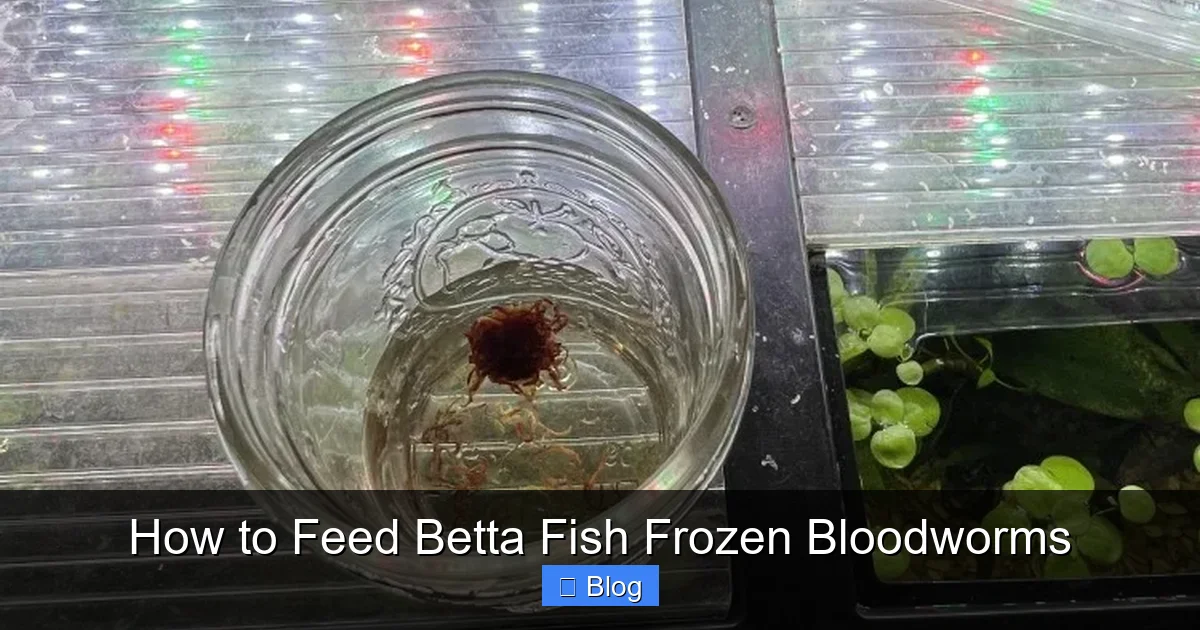
Never, ever drop a frozen cube directly into your betta’s tank. It’s a common rookie mistake with bad outcomes. The ice cube will chill the water, potentially shocking your tropical fish’s system. More importantly, your betta will likely nibble at the freezing mass, consuming ice along with the worm, which can cause severe digestive issues. The goal is to serve the worm at room temperature.
Here’s the simple, foolproof method:
- Cut a small chunk: Using a clean knife, cut off a piece about the size of your betta’s eye (we’ll talk portion size in detail later). A full cube is for a community tank, not a single betta.
- Place in a dish: Put the chunk in a small, clean dish or cup. A dedicated “feeding dish” that sits on your tank lid is perfect.
- Add tank water: Cover the chunk with a tablespoon or two of your aquarium’s water. This helps it thaw gently and acclimates the worms to your tank’s temperature and water chemistry.
- Wait 5-10 minutes: Let it sit until it’s fully thawed and soft. You’ll see it turn from a solid red block to a mushy, wriggly pile. If you’re in a hurry, you can gently run a tiny stream of lukewarm (not hot!) water over it in a strainer, but the room-temperature method is safest.
Rinsing: Keeping Your Water Crystal Clear
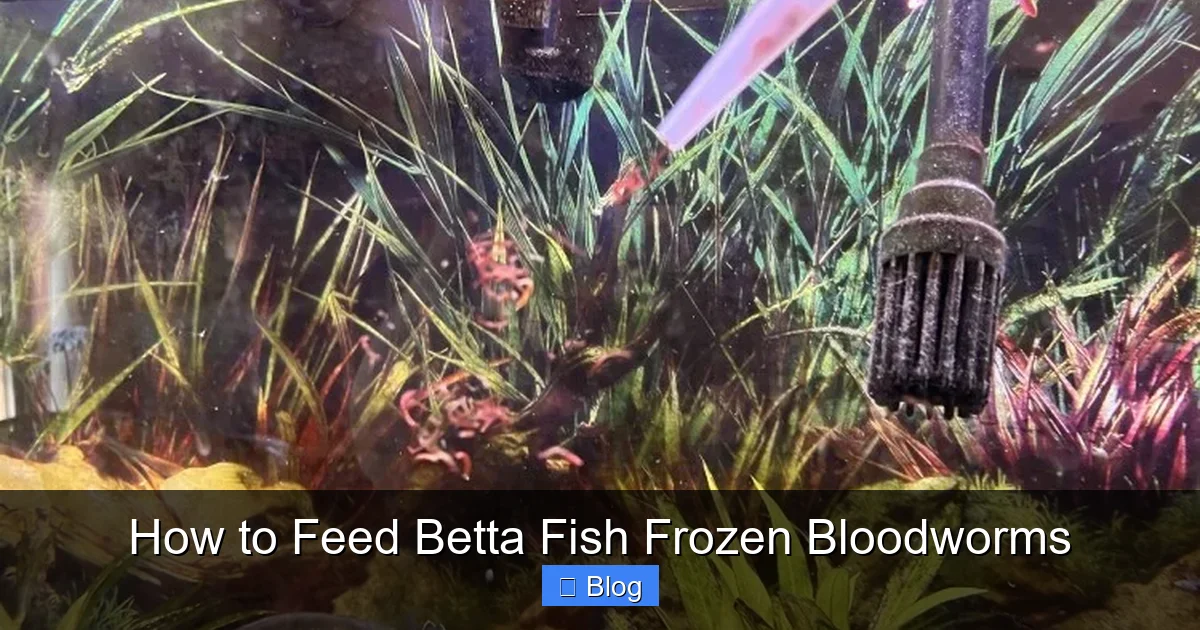
Once thawed, the bloodworms will be sitting in a defrosted liquid—essentially fish “juice.” This liquid is nutrient-rich but also a major pollutant if added to your tank. It will cloud your water and spike ammonia and nitrite levels as it decomposes. Therefore, you must rinse them.
Rinsing technique:
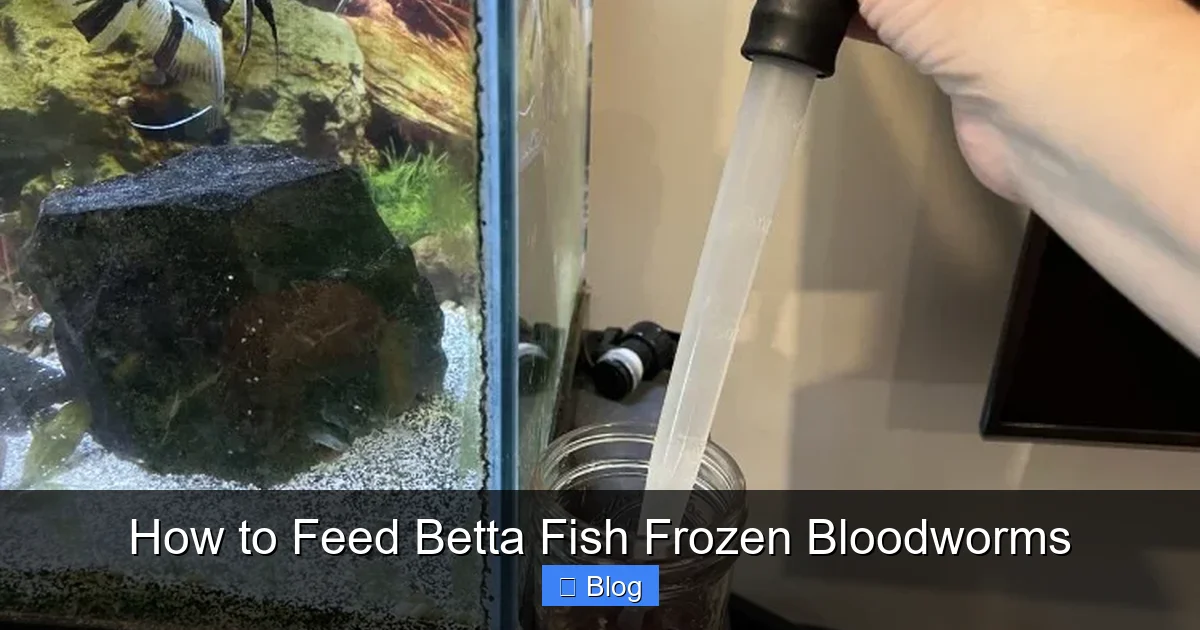
- Dump the thawed worms and liquid into a fine-mesh aquarium net or a tea strainer.
- Hold the net over a sink and gently rinse with a very slow stream of your aquarium’s water (or dechlorinated tap water at the same temperature). You’re just washing off the excess debris and liquid, not blasting the worms apart.
- Give it a gentle shake to remove excess water. The worms should be damp, not swimming in a pool.
Now they are ready to serve! This small extra step makes a monumental difference in maintaining a clean, healthy environment for your betta.
The Art of the Feed: Techniques for Offering Frozen Bloodworms
You have your perfectly prepared, rinsed, room-temperature bloodworms. Now, the delivery. How you get them to your betta matters for engagement and cleanliness.
Visual guide about How to Feed Betta Fish Frozen Bloodworms
Image source: modestfish.b-cdn.net
Direct Feeding vs. Using a Feeding Dish
There are two primary methods, each with pros and cons.
- Direct Feeding (Tweezers or Finger): Using a pair of long tweezers (aquarium or regular, non-slip tip), you can pick up a single worm and hover it in front of your betta. This mimics live prey and encourages natural hunting behavior. It’s great for interaction and ensures you see exactly what gets eaten. The con? It can take a few minutes, and if your betta is shy, it might stress him.
- Feeding Dish Method: Place the rinsed worms in a small, shallow dish (a spermaceti cup or a dedicated glass feeding dish works well) and lower it into the tank. This contains the food, making cleanup easy and preventing worms from burying in the substrate where they’ll rot. It’s faster and less intrusive. The con? It’s less of a “hunt,” so some bettas may be less stimulated.
My recommendation: Use the feeding dish for daily efficiency, but break out the tweezers occasionally for bonding and exercise. You can even place the dish near the front of the tank so your betta has to come out of his favorite hidey-hole to eat.
Target Feeding: Ensuring Your Betta Eats
Bettas can be picky or slow eaters. Bloodworms, being soft, can also sometimes sink before your betta notices. To ensure your betta gets his treat:
- Get his attention. Gently tap the glass near the food or move the dish slightly.
- If using tweezers, wiggle the worm enticingly.
- If he doesn’t eat within 2-3 minutes, use a net to remove the uneaten worms. Leaving them in will foul the water.
Remember, a healthy betta will usually be eager for this special treat. If he consistently ignores it, check your water parameters and consider if he might be ill or already full from his staple diet.
How Much and How Often: The Golden Rules of Portion Control
This is where most mistakes happen. Overfeeding bloodworms is the #1 cause of digestive problems and water quality issues in bettas. Their systems are designed for small, frequent meals of protein-rich insects, not huge banquets.
The “Eye-Size” Rule: Your Best Guide
Forget measuring spoons. The perfect portion for a single adult betta is roughly the size of his own eye. This applies to frozen bloodworms, brine shrimp, or even pellets. Why? A betta’s stomach is only about the size of its eye. Feeding more than that in one sitting overloads his digestive tract, leading to constipation, bloating, and potentially fatal swim bladder disorder. For a very small or young betta, use half of that amount.
Feeding Schedule: Treat, Not Staple
So, how often can you give this treat? A safe and effective schedule is 1-2 times per week. This provides the nutritional benefits without risking overfeeding. On other days, feed a high-quality betta pellet or flake as his primary meal. A sample weekly schedule could look like this:
- Monday: Premium Betta Pellets (1-2 pellets, 1-2x daily)
- Tuesday: Fast Day (no food, gives digestive system a break)
- Wednesday: Premium Betta Pellets
- Thursday: Frozen Bloodworms (treat, 1x)
- Friday: Premium Betta Pellets
- Saturday: Fast Day or Pellets
- Sunday: Frozen Bloodworms (treat, 1x) or Pellets
This schedule provides variety, prevents boredom, and ensures a balanced diet. Adjust based on your specific betta’s age, activity level, and health. A older, less active betta may only need the treat once a week.
Common Mistakes and How to Avoid Them
Even with the best intentions, it’s easy to slip up. Let’s troubleshoot the most frequent errors when you are learning how to feed betta fish frozen bloodworms.
Mistake 1: Overfeeding (The Silent Killer)
The Problem: Giving a whole cube or large portions because “he looks hungry.” Bettas are opportunistic feeders; in the wild, they never know when their next meal is. This instinct makes them beg constantly, but that doesn’t mean they need more food.
The Fix: Stick religiously to the eye-size rule. If you’re unsure, underfeed slightly. It’s better for your betta to be a little hungry than overfed. You can always offer a tiny bit more next time if he’s truly still hungry (rare). Watch his body shape. A healthy betta has a smooth, streamlined profile. A visibly bloated or “pineconed” (raised scales) betta is a red flag for overfeeding or infection.
Mistake 2: Not Thawing or Rinsing Properly
The Problem: As discussed, adding cold, unthawed food shocks the system. Adding the defrosted liquid pollutes the tank.
The Fix: Make thawing and rinsing a non-negotiable part of your routine. Have a dedicated dish and net on your aquarium stand. It takes 60 seconds and saves you from major headaches.
Mistake 3: Feeding as the Sole Diet
The Problem: Bloodworms are protein-packed but lack fiber, certain vitamins (like Vitamin C), and other nutrients found in formulated betta foods. A mono-diet of bloodworms can lead to nutritional deficiencies over time, weakening the immune system and dulling colors.
The Fix: Use bloodworms strictly as a supplement (10-20% of diet). Invest in a high-quality betta pellet as your base. Look for pellets where the first ingredient is whole fish or seafood, not fish meal or wheat. Occasional additions of other frozen foods like daphnia (great for fiber and digestion) or brine shrimp create excellent variety.
Beyond the Feed: Observing Your Betta and Maintaining Health
Feeding time is the best health check of the day. When you feed betta fish frozen bloodworms, you’re not just providing nutrition; you’re conducting a daily wellness exam.
What to Watch For During Feeding
- Appetite: Is he charging for the food immediately? A sudden loss of appetite is one of the first signs of illness or poor water quality.
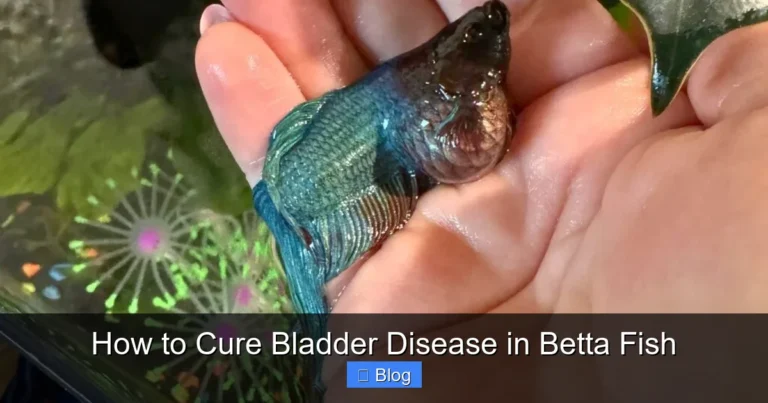
- Swimming: After eating, watch him swim. Is he balanced and graceful? Or is he listing to one side, floating upside down, or struggling to stay upright? This could indicate constipation (try a fast day and a tiny bit of cooked, peeled pea) or a serious swim bladder issue requiring veterinary attention.
- Digestion: A slight bulge in the belly right after eating is normal for a betta. It should disappear within a few hours as digestion begins. Persistent bloating is a concern.
- Waste: Check his poop. Healthy betta waste on a varied diet should be brown and stringy. Red or white stringy waste can indicate internal parasites or infection.
The Water Quality Connection
Remember, whatever goes in must come out (or decompose). Even with rinsing, a tiny amount of bloodworm matter will be consumed and expelled. Because bloodworms are so rich, they produce more waste than pellets. This is another reason to limit feedings. Always perform regular water tests (ammonia, nitrite, nitrate) and weekly partial water changes (25-30%) to keep parameters pristine, especially on days you feed treats. A clean tank is the foundation of good health, allowing your betta to fully benefit from his nutritious meals.
A Sample Weekly Feeding Plan with Data
To make it concrete, here’s a practical example of how to integrate frozen bloodworms into a balanced weekly routine for a healthy adult betta. This plan prioritizes a high-quality staple food and uses frozen treats for variety and enrichment.
| Day | Primary Meal (Staple) | Treat / Supplemental | Notes |
|---|---|---|---|
| Monday | 2-3 High-Quality Betta Pellets (morning & evening) | None | Staple diet foundation. |
| Tuesday | 2-3 High-Quality Betta Pellets (morning only) | Fast Day | No food after morning feeding. Promotes digestive rest. |
| Wednesday | 2-3 High-Quality Betta Pellets (morning & evening) | None | Staple diet foundation. |
| Thursday | 2-3 High-Quality Betta Pellets (morning only) | Frozen Bloodworms (1x, eye-sized portion) | Treat day. Feed in the evening after pellet meal. Observe digestion. |
| Friday | 2-3 High-Quality Betta Pellets (morning & evening) | None | Staple diet foundation. |
| Saturday | 2-3 High-Quality Betta Pellets (morning only) | Fast Day or Frozen Daphnia (optional) | Daphnia is excellent for fiber and digestion. Use instead of bloodworms this week. |
| Sunday | 2-3 High-Quality Betta Pellets (morning only) | Frozen Bloodworms (1x, eye-sized portion) | Second treat day of the week. Can alternate with daphnia weekly. |
Note: Adjust pellet amounts based on your betta’s size and appetite. Always remove uneaten food within 2-3 minutes.
Conclusion: The Joy of Responsible Feeding
Learning how to feed betta fish frozen bloodworms correctly is one of the simplest yet most impactful things you can do for your aquatic companion. It transforms a simple act into a cornerstone of responsible fishkeeping. You’re not just dropping food in a tank; you’re providing a sensory-rich, nutritionally beneficial experience that taps into your betta’s natural instincts while safeguarding his long-term health.
The core principles are beautifully simple: treat, not staple; thaw, don’t freeze; rinse, don’t pour; and portion, don’t pile. By following the steps outlined—from careful thawing in tank water to the disciplined eye-size portion—you minimize risks and maximize benefits. You’ll see it in his brighter colors, more active swimming, and enthusiastic mealtime dances. That little red chunk of frozen goodness, prepared with care, becomes more than food; it’s a daily affirmation of the bond you share with your betta. So go ahead, thaw that bloodworm, watch Bubbles (or whatever your finned friend is called) chase it with gusto, and take pride in knowing you’re doing it the right way. Your betta’s vibrant, healthy life is the ultimate reward.
Frequently Asked Questions
What is how to feed betta fish frozen bloodworms?
how to feed betta fish frozen bloodworms is an important topic with many practical applications and benefits.
How can how to feed betta fish frozen bloodworms help me?
Understanding how to feed betta fish frozen bloodworms can improve your knowledge and provide practical solutions.