How to Cure White Spots on Betta Fish
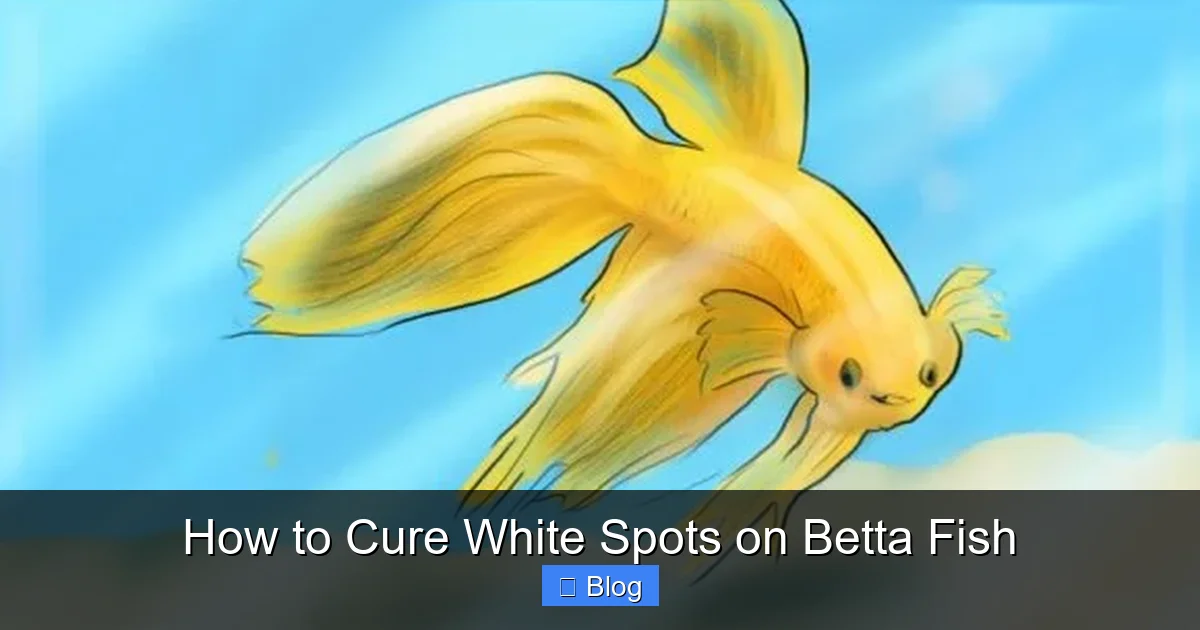
White spots on a betta fish are almost always a sign of Ich (Ichthyophthirius multifiliis), a common but deadly parasite. The only effective cure involves a multi-pronged approach: raising the tank temperature to speed up the parasite’s lifecycle, using a specific medication like malachite green or copper-based treatments, and maintaining pristine water quality through frequent changes. Prevention through strict quarantine of new fish and stable water conditions is always better than treatment, but with immediate, consistent action, you can save your betta.
Key Takeaways
- Identify Correctly: True “white spots” are almost always Ich, appearing as tiny salt-like grains. Other conditions like fungal infections or Columnaris look different and require different treatments.
- Heat is Crucial: Raising the water temperature to 82-86°F (28-30°C) is non-negotiable. It accelerates the parasite’s lifecycle, making it vulnerable to medication.
- Medication is Mandatory: There is no “natural” cure. You must use an Ich-specific medication containing malachite green, formalin, or copper sulfate, following dosage instructions precisely.
- Water Quality is Treatment: Perform 25-50% water changes daily during treatment to remove free-swimming parasites and ammonia from dying organisms.
- Cycle the Tank: Never add medication to an uncycled tank. A stable, cycled bio-filter is essential to handle the ammonia spike from dying parasites.
- Quarantine is Prevention: Always quarantine all new fish for at least 4 weeks in a separate tank to prevent introducing Ich or other diseases to your main display tank.
📑 Table of Contents
- The Heartbreaking Sight: Your Betta’s White Spots
- The Science of the Cure: Understanding the Ich Lifecycle
- The Treatment Protocol: Your Step-by-Step Action Plan
- Supportive Care: Helping Your Betta Fight
- Prevention: The Only Surefire “Cure”
- Common Mistakes and Pitfalls to Avoid
- Conclusion: Your Betta’s Second Chance
The Heartbreaking Sight: Your Betta’s White Spots
You lean in to say good morning to your beautiful betta, and your heart sinks. Instead of shimmering scales, you see a dusting of tiny, white spots. It feels like a punch to the gut. Your first instinct might be panic—is it fatal? What did you do wrong? Take a deep breath. While the sight is alarming, white spots on a betta fish are one of the most common and treatable ailments in the aquarium hobby. This comprehensive guide will walk you through every single step, from accurate identification to the final water change, to cure your betta and restore its vibrant health. We’re going to demystify the process so you can act with confidence, not fear.
First, Breathe and Confirm: It’s Very Likely Ich
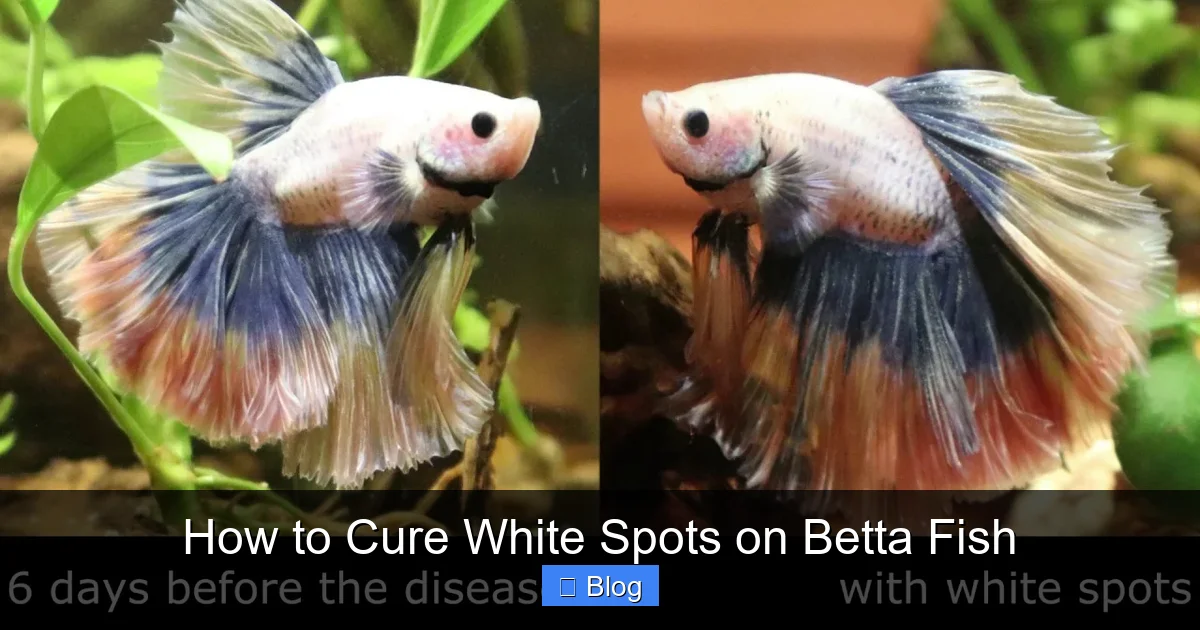
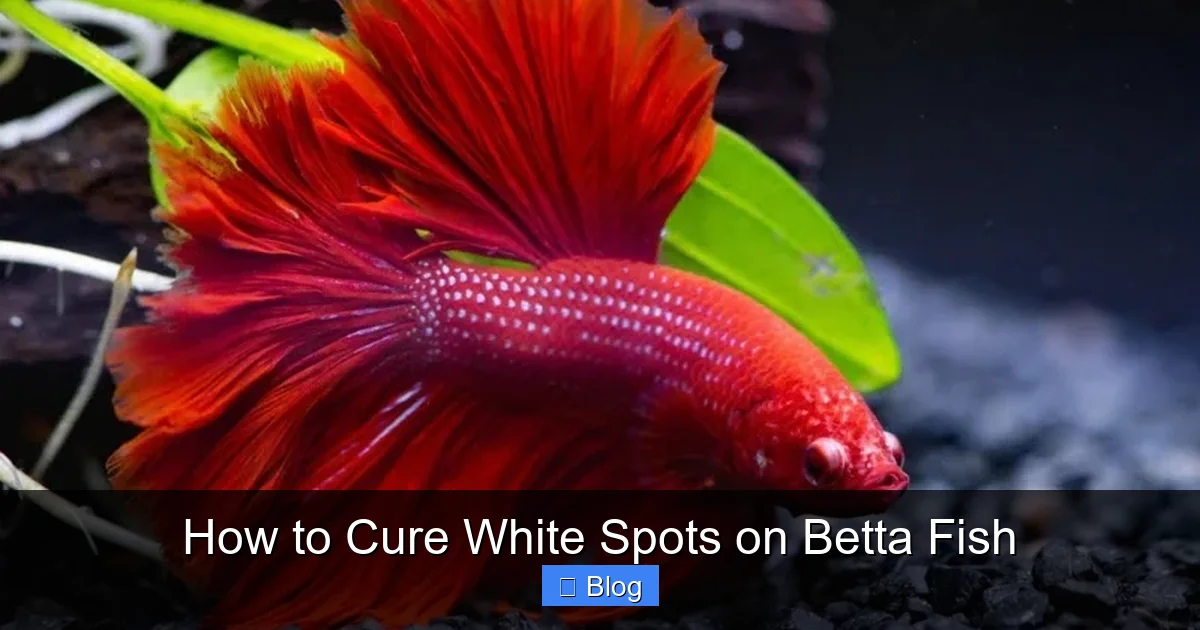
Before you grab any medication, you must be sure. The disease we’re talking about is Ichthyophthirius multifiliis, universally called “Ich” (pronounced “ick”). It’s a ciliate protozoan parasite. The classic sign is precisely this: tiny, discrete white cysts that look like grains of salt or sugar sprinkled on the fish’s body, fins, and sometimes gills. They are raised, you can often feel them if you gently run a finger over the fish (though handling is stressful and should be avoided). A key diagnostic tool is a behavioral change. An Ich-infected betta will often become lethargic, clamp its fins, lose its appetite, and rub or “flash” against tank decorations, rocks, or the substrate in a desperate attempt to dislodge the irritating parasites.
What It Is NOT: Common Misdiagnoses
Not every white spot is Ich. Jumping to the wrong treatment can harm or even kill your betta.
- Fungal Infections: These appear as fuzzy, cotton-like growths (white, grey, or greenish). They are secondary infections that attack damaged tissue and require antifungal medication like methylene blue or malachite green (which also treats Ich, complicating things).
- Columnaris (“Cotton Wool Disease”): This bacterial infection can cause white, ragged lesions on fins or mouth that look moldy. It’s treated with antibiotics like Kanamycin or Furan-2, not typical Ich meds.
- Lymphocystis (Tumor Virus): Causes small, white, cauliflower-like growths, usually on fins. It’s viral and often resolves on its own with improved water quality and nutrition, but is not treated with Ich medication.
- Injury or Scarring: A white spot from a torn fin or a bump will not multiply or spread and will heal on its own.
Rule of thumb: If the spots are uniform, discrete, salt-like grains and your betta is flashing, it is almost certainly Ich.
The Science of the Cure: Understanding the Ich Lifecycle
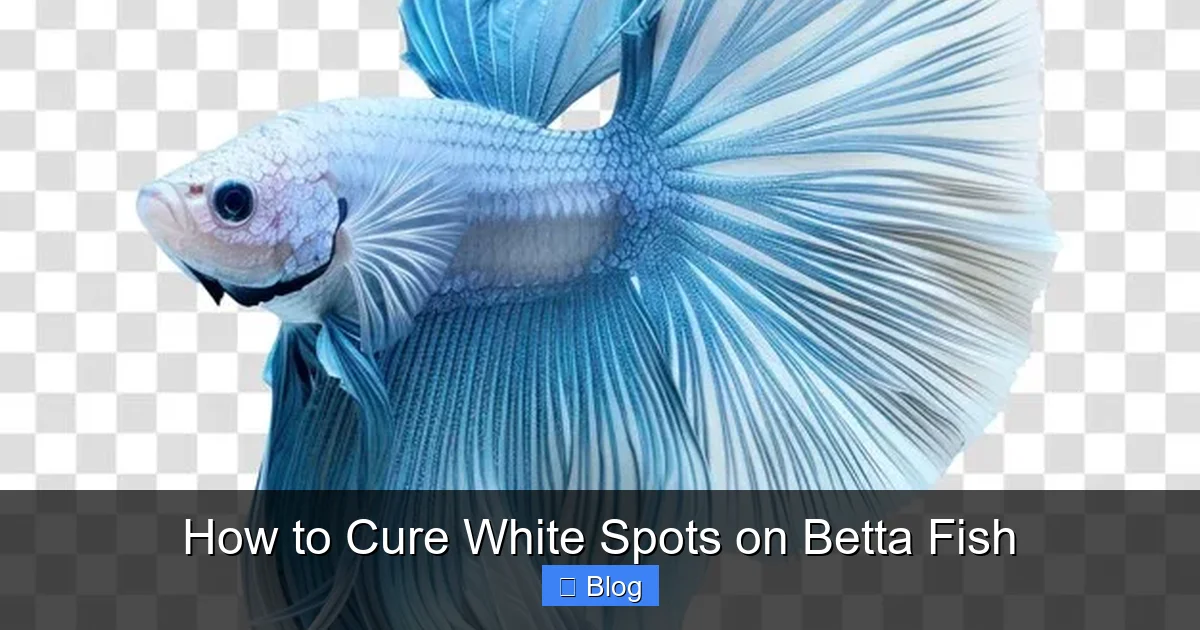
You cannot cure what you don’t understand. Ich has a three-stage lifecycle, and your treatment must attack it during the vulnerable, free-swimming stages. The white cyst you see on your betta is the trophont stage. The parasite is feeding and protected inside that cyst, completely impervious to medication. This is why you often see spots for days even after starting treatment—you’re not seeing new infections, you’re seeing the cysts already on the fish maturing and falling off.
Visual guide about How to Cure White Spots on Betta Fish
Image source: img.freepik.com
Stage 1: Trophont (On the Fish)
The parasite burrows into the skin or gills, forming the visible white cyst. It feeds on the fish’s bodily fluids for 3-7 days (at 70°F; faster in warmer water). This is the stage you see. It then drops off the fish.
Stage 2: Tomont (In the Water)
The cyst falls to the substrate and becomes a tomont. It encases itself and begins dividing, creating hundreds of new parasites called theronts. This stage lasts 6-18 hours at 70°F, but drastically shortens as temperature rises. At 86°F, it can be as short as 4 hours.
Stage 3: Theront (Free-Swimming)
The tomont ruptures, releasing hundreds of infectious theronts into the water. They must find a host within 24-48 hours (much shorter in warm water) or they die. This is the ONLY stage vulnerable to medication in the water column.
Why Temperature is Your Secret Weapon: By raising the temperature, you compress the entire lifecycle. The trophont matures faster, drops off sooner, and the tomont stage is shortened, meaning free-swimming theronts appear sooner and for a shorter window. This allows you to use medication more effectively over a shorter, more intense treatment period.
The Treatment Protocol: Your Step-by-Step Action Plan
Do not wait. Ich multiplies explosively. The moment you confirm it, start this protocol. Time is the most critical factor.
Visual guide about How to Cure White Spots on Betta Fish
Image source: i.ytimg.com
Step 1: Immediate Isolation (If Possible)
The ideal scenario is to move the sick betta to a bare, cycled hospital tank (5-10 gallons is perfect). This allows for:
- Precise medication dosing without harming beneficial bacteria in the main display filter (some medications are toxic to bio-filters).
- Easier and more frequent water changes.
- No stress from tank mates.
- Ability to heat the hospital tank without overheating other inhabitants.
If you cannot set up a hospital tank: You must treat the entire display tank. This means all fish (if present) are exposed to medication and the temperature rise. For a betta-only tank, this is straightforward.
Step 2: The Temperature Spike
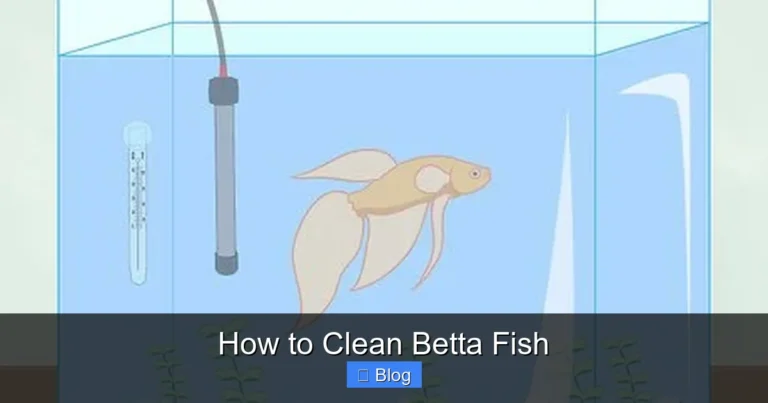
Using your aquarium heater, slowly raise the temperature in the treatment tank to 86°F (30°C). Do this over 2-3 hours to avoid shocking the fish. Monitor your betta closely. If it appears severely stressed (gasping violently, rolling), you may need to keep it at 84°F instead. Betta fish are tropical and can tolerate this heat, but a very weak fish can struggle. Once at target temp, maintain it consistently for the entire treatment duration (at least 7-10 days past the last visible spot).
Step 3: Medication Administration
You must use a medication specifically for Ich. Here are the top choices, in order of preference for a betta-only tank:
- Malachite Green + Formalin (e.g., “Ich Treatment” or “White Spot Remedy”): This is the gold standard combo. Malachite green kills the parasite; formalin helps it penetrate. CRITICAL: Use only in a hospital tank or a bare tank with no invertebrates (shrimp, snails) or live plants. It is extremely toxic to them. Follow package directions exactly. Typically, a full dose is added daily, with 25-50% water changes done 4-6 hours after medicating to remove dead parasites and excess chemicals.
- Copper-Based Medications (e.g., Cupramine, CopperSafe): Very effective, but dosing is tricky. Copper is toxic to fish at high levels and is also lethal to invertebrates and will decimate your bio-filter. Must use a copper test kit to maintain a safe therapeutic range (usually 0.15-0.20 ppm). Not recommended for beginners or in tanks with any sensitive life.
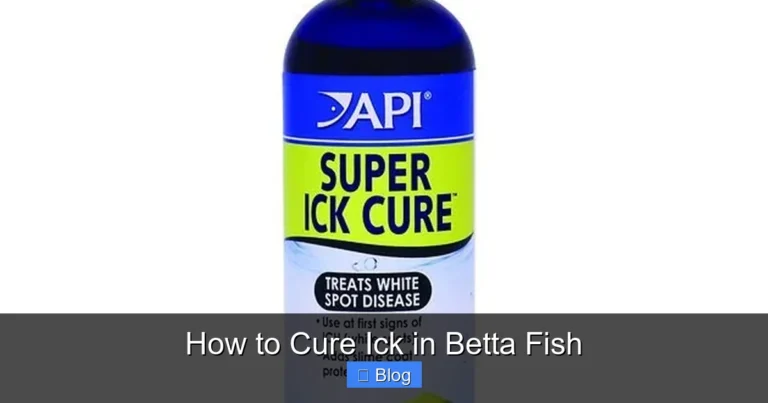
- Herbal Remedies (e.g., API Ich Cure, Stress Coat+ with Herbal Extracts): These contain ingredients like tea tree oil. They are less effective than chemical treatments and are best used in very early, mild cases or as a preventative. For a full-blown outbreak, you need the heavy hitters above.
Never mix medications unless the label explicitly states it’s safe. Stick to one product.
Step 4: The Daily Grind: Water Changes
This is the part many hobbyers skip, and it’s why treatments fail. You must remove the dead parasites (tomonts) and the ammonia they release as they decompose. Perform a 50% water change every single day. Use a gravel vacuum to suck debris from the bottom. Dechlorinate the new water thoroughly with a standard dechlorinator (like Seachem Prime). Wait 4-6 hours after your daily medication dose before doing the water change, then re-dose the full amount of medication after the change to replenish what was removed. This cycle continues for at least 5-7 days after the last spot disappears.
Step 5: Oxygen and Filtration
Medications and high temperatures reduce oxygen levels in the water. Add an air stone and air pump to massively increase oxygenation. Your betta’s gills are under attack from the parasites; it needs all the oxygen it can get. You can also run a sponge filter (which is great for hospital tanks) or increase the flow from your hang-on-back filter, but ensure the current isn’t too strong for your betta.
Supportive Care: Helping Your Betta Fight
Medication attacks the parasite. Your job is to support your betta’s immune system so it can heal.
Visual guide about How to Cure White Spots on Betta Fish
Image source: infishtank.com
Feeding for Immunity
During treatment, your betta may not want to eat. Don’t force it. Offer a tiny amount of high-quality, easily digestible food. Soak a pellet or a bit of frozen brine shrimp/daphnia in a vitamin supplement (like Seachem Focus or a liquid B vitamin complex) for a few minutes before offering. This provides crucial nutrients without taxing its system. If it doesn’t eat, don’t worry; a healthy betta can go a week without food.
Stress Reduction is Non-Negotiable
Stress suppresses the immune system. During treatment:
- Turn off tank lights for at least 8 hours a day. Light can stress fish and promote algae in a warm tank.
- Eliminate all decorations that can harbor parasites (in a hospital tank). Use a bare bottom for easy cleaning.
- Minimize noise and vibrations near the tank.
- Do not net or handle the fish unless absolutely necessary for transfer.
The Aftermath: The “Post-Ich” Tank
Once all spots are gone, you cannot stop treatment. You must continue the temperature and medication (with daily water changes) for a full 7 days after the last spot vanishes. This ensures you’ve killed all the parasites that hatched from the last tomonts. After this week, you can slowly lower the temperature by 1-2 degrees per day back to its normal range (78-80°F is ideal for a betta). Continue daily water changes for another 3-5 days to flush out any remaining medication residue.
Prevention: The Only Surefire “Cure”
Let’s be clear: once Ich is in your tank, it’s a battle. The goal is to never have that battle again. The parasite can lie dormant in a tank for months, waiting for a stressed fish to infect.
The Unbreakable Rule: Quarantine
Every single new fish, invertebrate, or plant (from a non-sterile source) must go into a separate, cycled quarantine tank for a minimum of 4 weeks. Observe it closely. Many hobbyers add a “safety” dose of Ich medication (like a half-dose of malachite green) to the quarantine tank during the second week as a prophylactic. This 4-week period covers the full Ich lifecycle and allows you to see if any disease manifests before the new animal enters your pristine main tank.
Water Quality is Your Foundation
Ich outbreaks are almost always preceded by poor water conditions. Test your water weekly with a liquid test kit (API Master Test Kit is the standard). Your parameters for a betta must be:
- Ammonia (NH3/NH4+): 0 ppm
- Nitrite (NO2-): 0 ppm
- Nitrate (NO3-): < 20 ppm (ideally under 10)
- pH: 6.5-7.5 (stable is more important than exact number)
Perform regular water changes (25-50% weekly) to keep nitrates low. A cycled tank with stable parameters is a resilient tank.
Minimize Stressors
A stressed betta is a susceptible betta.
- Tank Size: A single betta needs a minimum of 5 gallons. More space = more stable water.
- Temperature Consistency: Use a reliable heater and a thermometer to avoid drops.
- Tank Mates: Choose peaceful, non-nipping species. Aggression causes chronic stress.
- Proper Acclimation: Always drip-acclimate new fish to avoid shock.
Common Mistakes and Pitfalls to Avoid
Even with the best intentions, mistakes happen. Here’s what to watch out for.
Mistake 1: Using the Wrong Medication or Dosage
Using a fungal treatment for Ich is useless. Using too little medication is ineffective; too much can kill your betta. Always read the label, calculate your exact tank volume, and use a dosing syringe for accuracy. When in doubt, ask a reputable aquarium store or vet.
Mistake 2: Stopping Treatment Too Early
This is the #1 reason for recurrence. The parasite seems gone, you stop the meds, and two days later, spots are back. You must treat for a full week past the last visible sign. The parasites in the water have a lifecycle that extends beyond what you see on the fish.
Mistake 3: Treating an Uncycled Tank
If your tank is not fully cycled (no established nitrifying bacteria), the massive die-off of parasites during treatment will cause a deadly ammonia spike. The beneficial bacteria cannot handle the sudden bioload. You must have a cycled tank before you ever get a fish, and certainly before you treat disease. If you have an uncycled tank, focus 100% on fishless cycling first.
Mistake 4: Ignoring Water Changes
Skipping daily water changes during treatment is like mopping up only half the spilled milk. The toxins from dead Ich parasites will build up, poisoning your already weakened betta. Set a daily alarm. Make it non-negotiable.
Mistake 5: Adding “Immune Boosters” Instead of Meds
Garlic, vitamin C, and herbal additives are great for long-term health, but they do not kill Ich parasites. They are supportive care, not a cure. Relying on them during an active outbreak will likely result in a dead fish. Use them alongside proper medication, not instead of it.
Conclusion: Your Betta’s Second Chance
Seeing your betta covered in white spots is a terrifying moment, but it is not a death sentence. It is a call to action. By understanding that you are fighting a parasite with a specific lifecycle, you can wage a strategic war. Remember the three pillars: Heat to compress the lifecycle, Medication to kill the vulnerable stage, and Water Changes to remove the enemy and its toxins. Combine this with supportive care and stress reduction, and you give your betta the fighting chance it deserves.
This experience is a harsh lesson in the critical importance of prevention. A strict quarantine protocol for all new arrivals and unwavering commitment to water quality are the ultimate shields against Ich. Your betta depends on you for everything—clean water, stable temperature, and protection from disease. By following this guide meticulously, you can not only cure the current outbreak but also build the knowledge and habits to ensure your aquatic companion lives a long, healthy, and spot-free life. You’ve got this. Now, go check your thermometer and start that first water change.
Frequently Asked Questions
Can I use table salt or aquarium salt to cure Ich on my betta?
No. While mild salt baths (1-3 tablespoons per gallon) for 10-15 minutes can sometimes help with external parasites or mild fungal issues, they are ineffective against a full-blown Ich outbreak in the main tank. Ich requires specific chemical medication to kill the free-swimming stage. Relying on salt will allow the disease to progress unchecked.
How long does it take to cure white spots on a betta fish?
The full treatment protocol takes a minimum of 10-14 days. You must continue medication and daily water changes for at least 7 days after the last visible spot disappears to ensure all parasites in their hidden lifecycle stages are eradicated. Do not stop when the spots look gone.
Will my betta fish’s fins and scales grow back after Ich?
Yes, in most cases. Once the parasites are gone and water quality is pristine, your betta’s fins will slowly regenerate and its scales will fill in. This process can take several weeks to months. Provide a high-quality, protein-rich diet (like frozen brine shrimp or daphnia) to support healing and regrowth.
Can I use Ich medication if I have live plants or shrimp in the tank?
Extreme caution is required. Most effective Ich medications (malachite green, formalin, copper) are lethal to shrimp, snails, and sensitive live plants. If you have these in your tank, you must either:
1. Move them to a separate, heated hospital tank for the duration of the betta’s treatment (risky if they are carriers).
2. Use a less potent, plant-safe medication like API Ich Cure, understanding it may be less effective.
3. Remove all invertebrates and plants before treating the main tank. A hospital tank is always the safest option for mixed-species setups.
My betta’s spots are gone, but it’s still lethargic and not eating. Is it still sick?
Very likely, yes. The physical damage from the parasites, especially on the gills, takes time to heal. The stress of the disease and treatment also suppresses the immune system. Continue with the full treatment course (medication and water changes) even if behavior improves slightly. After treatment, focus on pristine water, high-quality foods, and a quiet, warm environment to aid full recovery. If lethargy and loss of appetite persist more than a week after treatment ends, a secondary bacterial infection may have taken hold, requiring an antibiotic.
Can I prevent Ich without using medication in the quarantine tank?
You can reduce the risk by keeping quarantine tanks at a high temperature (86°F) for the full 4-week period. The heat will stress any latent Ich parasites, causing them to attempt to infect the host fish and complete their lifecycle faster, potentially making them visible before the quarantine period ends. However, this is not a guarantee. The most reliable prevention is either:
1. Quarantine with observation only (risking a hidden carrier).
2. Quarantine with a prophylactic medication dose (e.g., a half-dose of a safe Ich treatment for the first 5 days of the second week). This is the safest practice for a dedicated betta keeper.