How to Fix Constipation in Betta Fish
Constipation is a common but easily treatable issue in betta fish. It’s typically caused by diet, overfeeding, or lack of exercise. The key signs include a swollen abdomen, difficulty swimming, and a lack of appetite. Treatment is simple: fast your fish for 24-48 hours, then offer a high-fiber diet like cooked peas. Prevention revolves around a balanced diet, proper portion control, and maintaining clean water.
Key Takeaways
- Constipation is primarily a dietary issue: Overfeeding, low-fiber diets, and dried foods that expand in the gut are the main culprits.
- Spot the signs early: Look for a swollen, “pineapple-like” belly, lethargy, clamped fins, and difficulty swimming upright.
- Treatment is a two-step process: First, fast the fish to clear the system. Second, introduce a gentle laxative like a cooked, skinned pea.
- Prevention is better than cure: Feed high-quality foods in tiny portions, soak dried foods, and always include fiber sources.
- Water quality is critical: Poor water conditions stress fish and slow digestion, making constipation more likely.
- Know when it’s not constipation: Similar symptoms can indicate dropsy, swim bladder disorder, or internal parasites, which require different treatments.
📑 Table of Contents
- Introduction: Your Betta’s Belly Troubles
- What is Constipation and Why Do Bettas Get It?
- How to Identify Constipation: Beyond a Big Belly
- Step-by-Step Treatment Plan: The Fast and the Pea
- Prevention is Key: A Long-Term Feeding & Care Strategy
- When Constipation Isn’t the Whole Story: Other Possible Causes
- Conclusion: A Simple Fix for a Healthy Future
Introduction: Your Betta’s Belly Troubles
There’s nothing quite as distressing as seeing your beautiful, vibrant betta fish looking bloated, lethargic, and struggling to swim. Your heart sinks as you watch your little aquatic friend, once full of personality, now just hovering listlessly at the bottom or bumping into the tank glass. Your first thought might be, “Is it dropsy? Is it swim bladder disease?” But often, the culprit is something much simpler and far more common: constipation.
Constipation in betta fish is incredibly frequent, especially for new owners. It’s not a death sentence—far from it. In fact, with a few simple, informed steps, you can usually fix constipation in betta fish quickly and effectively. This guide will walk you through everything you need to know, from understanding exactly what’s happening in your fish’s tiny body to recognizing the subtle signs, implementing the right treatment, and crafting a long-term prevention plan. Let’s get your betta feeling fabulous again.
What is Constipation and Why Do Bettas Get It?
At its core, constipation is a blockage in the digestive tract. Food moves too slowly through the intestines, becomes impacted, and causes discomfort and swelling. For a betta, whose digestive system is short and simple, this can happen alarmingly fast.
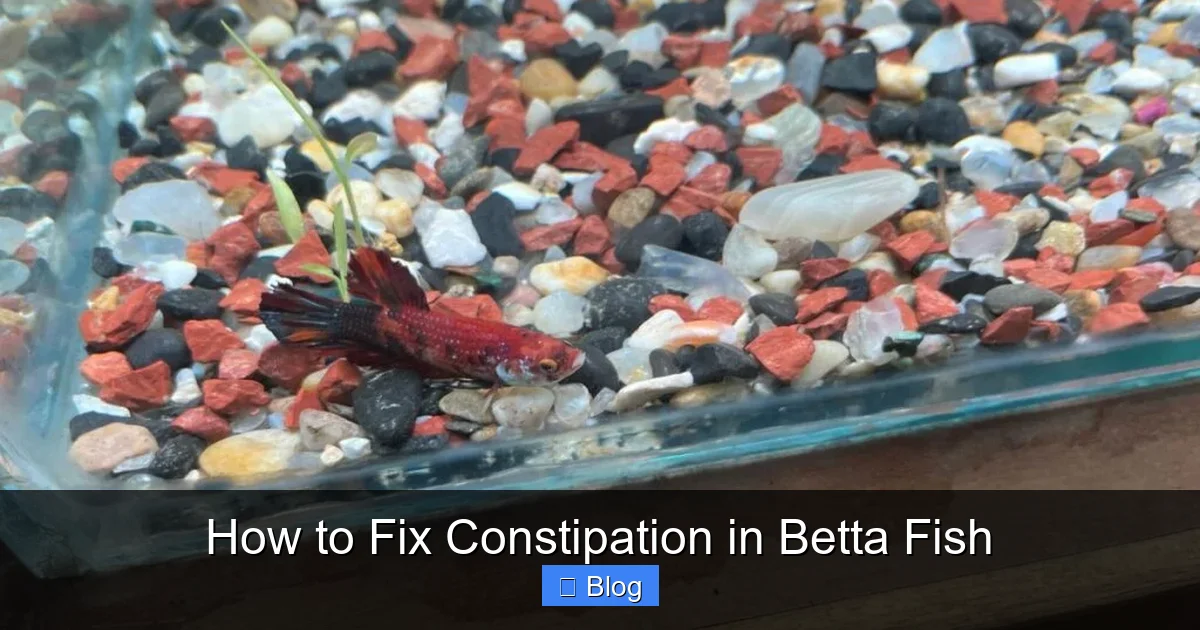
Visual guide about How to Fix Constipation in Betta Fish
Image source: housedpet.com
The Anatomy of a Betta’s Gut
Unlike mammals, fish don’t have a stomach in the traditional sense. Food passes from the esophagus directly into a long, winding intestine. This design means there’s no “holding area” for food to break down; digestion happens as the food travels. If the food is difficult to process or too much is given, the intestine can become clogged, leading to a swollen abdomen as waste builds up behind the blockage.
The Top Causes: It’s Almost Always the Diet
You can almost always trace constipation back to what and how you’re feeding your betta. Here are the primary offenders:
- Overfeeding: This is the #1 cause. A betta’s stomach is about the size of its eye. Feeding more than 2-3 tiny pellets (or the equivalent) once or twice a day overwhelms its system.
- Low-Fiber Diet: In the wild, bettas eat insects and larvae, which contain fiber from the insects’ plant-based diets. Many commercial betta pellets are mostly protein and fillers with little to no fiber, leading to sluggish digestion.
- Dried Foods That Expand: Pellets and flakes absorb water in the betta’s gut and expand, sometimes doubling or tripling in size. This can cause a physical blockage, especially if the fish isn’t drinking enough water to help move things along.
- Lack of Hydration: Bettas don’t drink water like we do; they get moisture from their food. A diet of only dry pellets doesn’t provide enough water content to keep things moving smoothly.
- Lack of Exercise: A betta in a small, barren tank with no stimulation is essentially sedentary. Physical activity helps stimulate gut motility (the movement of the digestive system).
How to Identify Constipation: Beyond a Big Belly
Not every swollen betta is constipated. It’s crucial to observe all symptoms to make an accurate diagnosis. Constipation often presents as a combination of these signs:
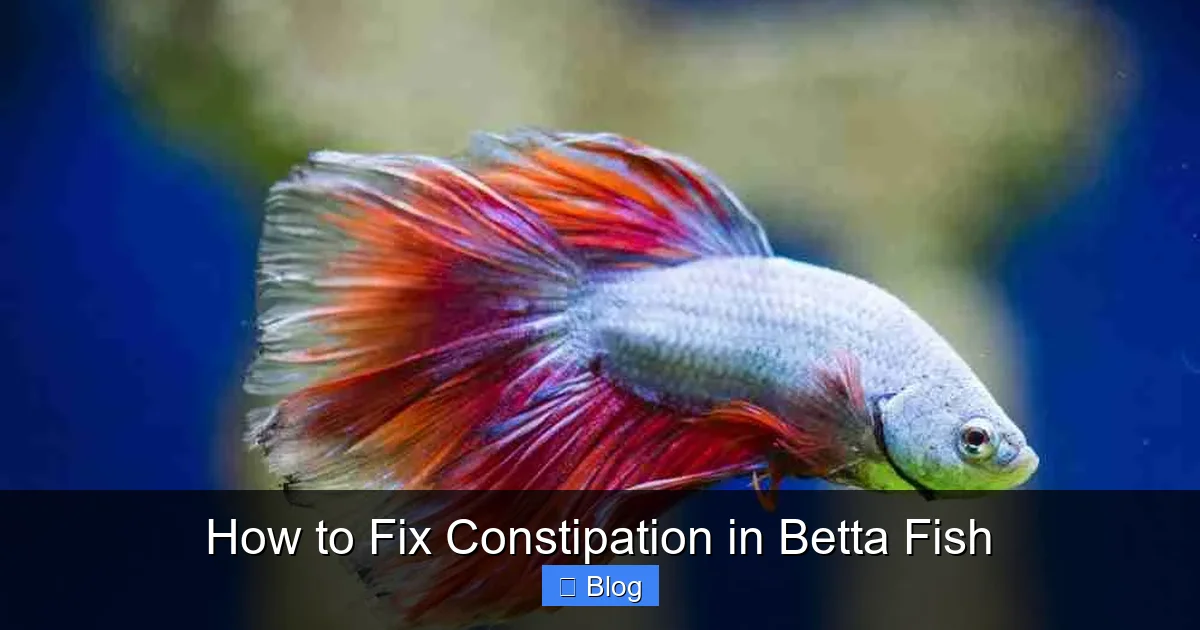
Visual guide about How to Fix Constipation in Betta Fish
Image source: fishkeepingwisdom.com
Visual Clues: The “Pineapple” Appearance
The most obvious sign is abdominal swelling. The belly will look puffy and rounded, often described as “pineapple-like” because the scales may slightly protrude. The swelling is usually localized to the belly area, not the entire body. Gently observe from above; a constipated betta’s belly will be visibly distended.
Behavioral Red Flags
- Lethargy and Resting at the Bottom: Your active swimmer is now just sitting on the substrate or a plant, often clamped (fins held tightly to the body).
- Difficulty Swimming: The fish may have trouble maintaining buoyancy, listing to one side, or sinking. This is because the swollen intestine presses against the swim bladder, a gas-filled organ that controls buoyancy.
- Loss of Appetite: A constipated fish feels full and uncomfortable and will refuse food, even its favorites.
- Straining: You might see the fish making “pooping” motions but producing no waste, or only a small, stringy white trace.
Important: What It Is NOT (Dropsy vs. Constipation)
This is the most critical distinction. Dropsy is a deadly bacterial infection causing fluid buildup throughout the body. Key differences:
- Swelling Pattern: Constipation = swollen belly. Dropsy = entire body becomes bloated and “pineconed” (scales stick out all over like a pinecone).
- Fins: Constipation = clamped fins. Dropsy = often clamped, but can also be ragged.
- Eyes: Constipation = normal. Dropsy = eyes often bulge (exophthalmia).
- Appetite: Constipation = loss of appetite early on. Dropsy = may still eat initially.
- Progression: Constipation improves with fasting/peas. Dropsy worsens rapidly and requires immediate, aggressive antibiotic treatment.
If you see pineconing scales, it’s an emergency. Treat for dropsy immediately and isolate the fish.
Step-by-Step Treatment Plan: The Fast and the Pea
If you’ve identified constipation (swollen belly, lethargy, no pineconing), here is your proven action plan. Act quickly, but calmly.
Visual guide about How to Fix Constipation in Betta Fish
Image source: fishkeepingwisdom.com
Step 1: The Fast (24-48 Hours)
This is non-negotiable and the most important step. Stop feeding your betta completely for 24 to 48 hours. Why? This gives the digestive system a complete rest. No new food is entering, so the gut can focus on moving the existing, impacted waste through. It’s like hitting the reset button. During this fast, ensure your filter is running well to maintain pristine water quality, as a stressed fish is more vulnerable.
Step 2: The Laxative – The Cooked Pea Method
After the fast, it’s time to introduce a gentle, high-fiber laxative. The champion of this method is the humble green pea.
- Prepare the Pea: Take one frozen or fresh green pea. Cook it in boiling water for 1-2 minutes until soft. Let it cool completely.
- Skin and Chop: Peel off the outer skin. This is crucial—the skin is tough and can cause further blockages! Chop the soft inner pea into a tiny, betta-sized piece (no bigger than a pencil tip).
- Offer the Meal: Using tweezers or a toothpick, hold the pea piece near your betta. If it’s hungry, it will eat it. If not, drop it in and remove any uneaten portion after 10-15 minutes to avoid fouling the water.
- Repeat: You can offer a small piece of pea once a day for 2-3 days. You should see a significant improvement within 24 hours of the first pea—the belly will deflate, and activity will return.
Alternative/Additional Treatments
- Daphnia: Live or frozen daphnia (water fleas) are nature’s betta laxative. They are full of fiber and move through the gut quickly. A few frozen daphnia after the fast can work wonders.
- Epsom Salt Bath (Magnesium Sulfate): For severe swelling, a 15-minute bath in a separate container with 1 teaspoon of Epsom salt per gallon of aquarium water can help reduce fluid retention and relax muscles. Do not add Epsom salt to the main tank.
What NOT to Do
- Do NOT feed more pellets or bloodworms. This will worsen the blockage.
- Do NOT use human laxatives. They are toxic to fish.
- Do NOT massage the belly. You can cause internal injury.
Prevention is Key: A Long-Term Feeding & Care Strategy
Once your betta is back to normal, your mission shifts to preventing a relapse. A healthy betta is a happy betta, and it starts with your routine.
Perfecting the Diet: Quality, Variety, and Fiber
Your betta is an obligate carnivore, but it still needs fiber. A balanced diet is 80-90% high-quality protein and 10-20% fiber/fat.
- Choose High-Quality Pellets: Buy the best betta pellets you can. Look for ones with whole ingredients (like whole fish, krill) and minimal fillers (wheat, soy). Soak pellets in tank water for 5-10 minutes before feeding. This pre-expands them, preventing them from swelling inside your fish.
- Incorporate Fiber-Rich Foods: Feed a high-quality, pre-soaked pellet as the staple. 2-3 times a week, replace a pellet meal with:
- A cooked, skinned pea (a few small pieces).
- A couple of daphnia (live is best, frozen is great).
- A tiny bit of blanched zucchini or cucumber (very small, peeled piece).
- Include Quality Proteins: Offer frozen or live foods like brine shrimp, daphnia, or microworms 1-2 times a week. These are easier to digest than hard pellets and provide enrichment.
- Avoid Problem Foods: Limit or avoid fatty foods like bloodworms (they are a treat, not a staple). They are hard to digest and a common cause of constipation.
Mastering Portion Control
Feed only what your betta can eat in 30-60 seconds, 1-2 times per day. A good rule: 2-3 small pellets per feeding. It’s better to underfeed slightly than overfeed. Bettas have a high metabolism and can be fed more frequently in smaller amounts if you prefer (e.g., 2 pellets in the morning, 2 in the evening).
Tank Setup for Digestive Health
- Tank Size: A 5-gallon tank is the absolute minimum. More space encourages natural swimming and activity, aiding digestion.
- Water Quality: Perform weekly water changes of 25-30% and use a water conditioner. Test water regularly (ammonia, nitrite, nitrate should be 0, 0, <20ppm). Stress from poor water shuts down the immune system and digestive function.
- Temperature: Keep your tank between 78-80°F (25.5-26.5°C). Warmer water (within this range) speeds up metabolism and digestion. Use a reliable heater and thermometer.
- Plants and Hiding Spots: Live or silk plants, caves, and floating logs encourage exploration and gentle exercise. A bored betta is a sedentary betta.
When Constipation Isn’t the Whole Story: Other Possible Causes
If your betta isn’t responding to the fasting and pea treatment after 3-4 days, or if other severe symptoms appear, the issue may be more complex.
Swim Bladder Disorder (SBD)
The swim bladder is a delicate organ. Constipation is a common cause of SBD (pressure on the bladder). However, SBD can also be caused by:
- Bacterial or parasitic infection attacking the bladder itself.
- Physical injury from bumping into hard decorations.
- Congenital defects.
- Other internal organ issues pressing on the bladder.
What to do: If constipation treatment fails, consider a course of antibiotics like Maracyn 2 (for gram-negative bacteria) in a hospital tank, after researching proper dosing. Parasites may require antiparasitic medication like Metroplex.
Internal Parasites
Parasites like Hexamita can cause severe digestive issues, bloating, and wasting. Symptoms can mimic constipation but often include stringy white feces and progressive weight loss despite eating.
What to do: This requires medication like Metronidazole or Metroplex, typically administered via medicated food or water. Consult a vet experienced with fish for a definitive diagnosis.
Internal Tumors or Cysts
Rare, but possible, especially in older bettas. A persistent, one-sided swelling that doesn’t respond to any treatment could indicate a growth.
What to do: Unfortunately, treatment options are very limited. Focus on palliative care—pristine water, easily digestible food, and a stress-free environment.
Conclusion: A Simple Fix for a Healthy Future
Seeing your betta fish constipated is worrying, but it’s one of the most straightforward health issues to address in the aquarium hobby. Remember the golden rule: when in doubt, fast it out. The combination of a brief fast followed by a fiber-rich treat like a skinned pea resolves the vast majority of cases. The real victory, however, lies in prevention. By committing to a high-quality, varied diet with proper portions, maintaining excellent water conditions, and providing a stimulating environment, you are building a fortress of health around your betta. You’ll not only prevent constipation but also fend off a host of other common ailments. Your betta’s long, vibrant, and active life is in your hands—and it starts with what’s on the menu.
Frequently Asked Questions
How long should I fast my constipated betta fish?
Fast your betta for 24 to 48 hours. This allows its digestive system to clear the blockage completely. Ensure the water is clean and warm during this period. Do not extend the fast beyond 48 hours without consulting a vet.
Can I use any pea for my betta?
Yes, use a standard green pea. It must be cooked (boiled or microwaved for 1-2 minutes), cooled, and most importantly, peeled. The skin is tough and fibrous and can cause another blockage. Chop the soft inner pea into a tiny piece for your betta.
My betta’s belly is huge and pineconed. Is it just constipation?
No. A “pineconed” appearance (scales sticking out all over) is the hallmark sign of dropsy, a severe and often fatal bacterial infection. This is a medical emergency. Isolate the fish immediately and begin treatment with a broad-spectrum antibiotic like Maracyn 2 in a separate hospital tank.
How can I prevent constipation from happening again?
Prevent constipation by: 1) Feeding high-quality pellets and soaking them in water for 5-10 minutes before feeding. 2) Offering fiber-rich foods like daphnia or a tiny piece of cooked pea 2-3 times a week. 3) Practicing strict portion control—only what it can eat in 30 seconds. 4) Keeping water clean and warm (78-80°F).
Can constipation kill my betta fish?
Not directly, but the complications can be fatal. Severe, prolonged constipation can lead to a ruptured intestine, which is deadly. More commonly, the stress and pressure on the swim bladder can cause the fish to be unable to eat or swim properly, leading to decline. Prompt treatment almost always results in a full recovery.
My betta isn’t eating the pea. What should I do?
If your betta refuses the pea after the fast, try offering frozen daphnia instead—many find it more enticing. You can also try gently touching the pea to its mouth. If it still refuses, you may need to consider other causes like a severe infection or parasite, and consulting an aquatic vet is advisable. Ensure you are removing any uneaten food promptly to keep the water clean.