How to Euthanize Betta Fish at Home Naturally
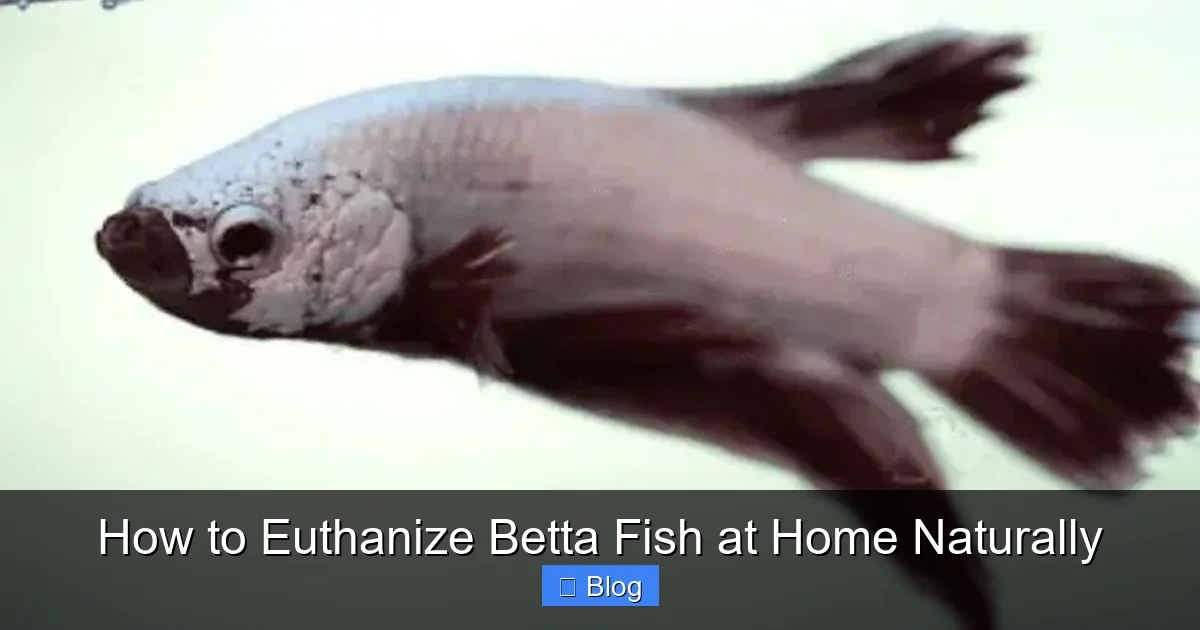
Euthanizing a beloved betta fish is one of the hardest decisions a pet owner faces. When illness or injury causes unmanageable suffering, a peaceful, natural at-home passing can be the kindest final act of love. This guide explores the two most accepted natural methods—clove oil emulsion and gradual cooling—with step-by-step instructions to ensure the process is as stress-free as possible for your fish. Always prioritize your betta’s comfort and consult an expert if you are unsure.
Key Takeaways
- Natural euthanasia is about minimizing stress and pain: The goal is a quick, peaceful transition using readily available, non-chemical methods that avoid distress.
- Clove oil is the gold-standard natural method: It works as an anesthetic, gently inducing unconsciousness before stopping the heart. Proper dilution and application are critical for effectiveness and humanity.
- Gradual cooling (chilling) is a secondary option: This method slows metabolism until life functions cease. It must be done extremely slowly over several hours to be considered humane and is less reliable than clove oil.
- Recognizing suffering is the first step: Key signs include constant gasping, inability to swim, unhealed severe wounds, or terminal diseases. The decision should be based on quality of life, not just longevity.
- Preparation and a calm environment are essential: Have all supplies ready and perform the procedure in a quiet, familiar space to reduce your betta’s anxiety.
- Aftercare is part of the process: Have a plan for your fish’s body, whether burial or cremation, to provide closure and respect for your pet.
📑 Table of Contents
- The Heartbreaking Decision: Knowing When It’s Time
- Understanding “Natural” Euthanasia: What It Means (and What It Doesn’t)
- Method 1: Clove Oil Emulsion (The Most Humane Natural Choice)
- Method 2: Gradual Cooling (Chilling) – A Slower, Alternative Approach
- Recognizing Suffering: The Prelude to the Decision
- Aftercare and Grieving: Honoring Your Bond
- Conclusion: The Final Act of Love
The Heartbreaking Decision: Knowing When It’s Time
As betta fish owners, we pour our hearts into caring for these vibrant, personality-filled creatures. We watch them flare at their reflections, build bubble nests, and greet us at the tank glass. But with their delicate fins and sensitive systems comes the profound responsibility of knowing when their quality of life has diminished. Making the choice to euthanize is not about giving up; it’s about the ultimate act of stewardship—preventing prolonged pain and distress when healing is no longer possible.
This guide is written with a heavy heart but a clear purpose: to provide a calm, factual, and compassionate resource for those facing this final, difficult decision. We will focus strictly on natural, at-home methods that prioritize your betta’s peace. This is not a decision to take lightly, and we encourage you to read through the entire article to understand the gravity and proper execution of these methods.
Understanding “Natural” Euthanasia: What It Means (and What It Doesn’t)
The term “natural” in this context refers to methods that avoid harsh chemicals like sedatives or overdose of common tank medications (e.g., MS-222, Finquel). Instead, it utilizes substances or processes that either anesthetize gently or slow bodily functions to a stop. The two primary methods discussed here are clove oil emulsion and gradual cooling (chilling).
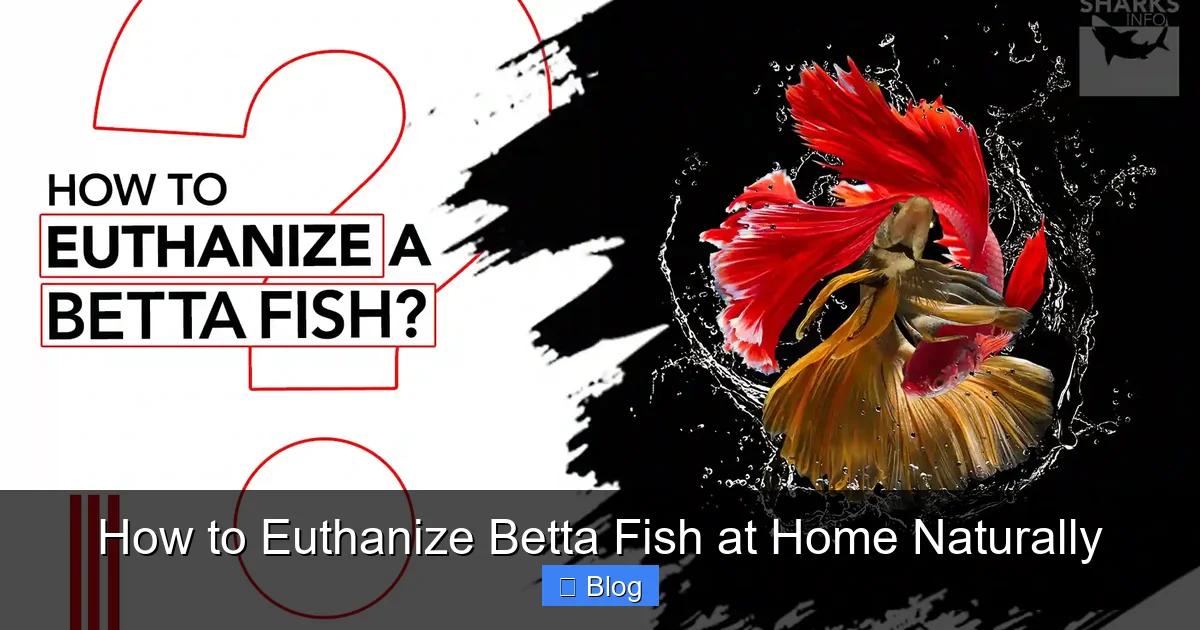
Visual guide about How to Euthanize Betta Fish at Home Naturally
Image source: sharksinfo.com
The Ethical Imperative: “Do No Harm”
Any euthanasia method must meet one core criterion: it must cause no pain, distress, or fear. An improper method—like flushing, physical trauma, or using alcohol—is not only cruel but also unethical. The methods outlined below are recommended by veterinarians and experienced aquarists for at-home use because they, when performed correctly, first render the fish unconscious before stopping the heart. The fish does not feel the process.
Why Not Other “Quick” Methods?
You may hear suggestions like decapitation, pithing, or overdose of human medications. These are not recommended for at-home use. They require precise anatomical knowledge, carry a high risk of causing terror or pain if done incorrectly, and can be traumatizing for the owner. Sticking to the proven, gentle natural methods is the only responsible path.
Method 1: Clove Oil Emulsion (The Most Humane Natural Choice)
Clove oil (eugenol) is a natural essential oil with potent analgesic and anesthetic properties. It is the most widely accepted method for humane at-home euthanasia of small fish and amphibians. When properly emulsified in water, it gently knocks a fish unconscious before depressing the central nervous system and heart function.
Visual guide about How to Euthanize Betta Fish at Home Naturally
Image source: sharksinfo.com
Why Clove Oil Works
Eugenol, the active compound, acts as a CNS depressant. In a properly prepared solution, it is absorbed through the gills. The fish first loses equilibrium, then consciousness, and finally, respiration and heart rate cease. A correctly executed clove oil euthanasia is peaceful and stress-free.
Supplies You Will Need
- Pure Clove Essential Oil: 100% pure, therapeutic-grade clove oil. Do not use clove bud tincture or diluted blends.
- A Small, Clear Container: A 1-cup glass measuring cup or small bowl is ideal. You need to see your fish clearly.
- A Separate “Holding” Container: A small cup or bowl with water from your betta’s tank to transport him.
- A Small Whisk or Fork: For vigorous emulsifying.
- Ethanol (Optional but Recommended): 95% or 100% ethanol (drinking alcohol like Everclear) helps emulsify the oil in water. Vodka (40% alcohol) can work but is less effective.
- Your Betta’s Tank Water: Use water from his tank to minimize stress. Have about 1.5 cups ready.
Step-by-Step: The Clove Oil Procedure
Step 1: Preparation is Peace. Set up your quiet workspace. Have all supplies within arm’s reach. Fill the small clear container with 1 cup of your betta’s tank water. In a separate tiny cup, mix 0.5 milliliters (approximately 10 drops) of clove oil with 0.5 mL of ethanol (if using). This pre-mix is crucial—it helps the oil disperse in water.
Step 2: Gently Capture Your Betta. Using a soft net or cup, carefully move your betta from his tank to the holding container with tank water. Keep him in a quiet, dim area. This short wait allows him to calm down.
Step 3: Create the Emulsion. Pour the clove oil/ethanol mixture into the cup with 1 cup of tank water. Whisk vigorously for 30-60 seconds until the liquid becomes milky and cloudy, with fine oil droplets suspended. You will see a white, frothy emulsion. This is the active solution.
Step 4: The Gentle Transition. Now, slowly and gently pour your betta and his water from the holding cup into the emulsion container. The total volume should still be manageable (about 1.5 cups). He may swim normally for 10-30 seconds. Do not panic. Watch closely. He will begin to lose balance, swim erratically, then turn on his side. His gill movement will slow dramatically. Within 1-3 minutes, he should become completely motionless and gill movements will stop. If he remains active after 5 minutes, you may need to add 2-3 more drops of the pre-mixed clove oil/ethanol solution and whisk again.
Step 5: Confirmation and Respect. Once motionless, wait an additional 5-10 minutes. Check for any gill movement or reflexes by gently touching a fin (use a soft tool like a q-tip). There should be no response. At this point, your betta has passed. Handle his body with care and respect. You can now proceed with aftercare.
Important Dosage Notes
The “0.5 mL clove oil + 0.5 mL ethanol” formula is a starting point for a small container. For a larger volume of water (e.g., if using a bigger container to reduce stress), you may need slightly more oil. The key is the emulsion’s concentration. If the fish is large or robust, you may need up to 1 mL total clove oil. Always start with less—you can add more solution if needed, but you can’t take it away.
Method 2: Gradual Cooling (Chilling) – A Slower, Alternative Approach
Gradual cooling, or chilling, works by slowly lowering the fish’s body temperature, which slows metabolism and vital functions until they stop. It is considered a secondary method because it is slower and, if done incorrectly (too quickly), can cause extreme stress and panic. It must be performed over a period of several hours.
Visual guide about How to Euthanize Betta Fish at Home Naturally
Image source: japanesefightingfish.org
When to Consider Chilling
Chilling may be chosen if you cannot obtain clove oil or if your betta is extremely stressed by handling (though clove oil, when done right, is less stressful). It is also sometimes used for very small or fragile fry. However, for a sick betta already in distress, the prolonged duration can be a drawback.
The Critical Rule: SLOW and STEADY
The cardinal sin of chilling is rapid temperature change. Dropping a fish into ice water is excruciatingly painful and causes cold shock. The entire process must take at least 2-4 hours for a small betta.
Step-by-Step: The Chilling Procedure
Step 1: Setup a Chilling Bath. Prepare a small container with enough tank water to comfortably cover your betta. Place this container in a larger bowl or sink. You will slowly add ice to the outer bath, never directly to your fish’s water.
Step 2: Baseline and Patience. Note the initial temperature of your betta’s water (likely around 78-80°F or 25-27°C). Begin adding one or two small ice cubes to the outer bath. Stir gently. The goal is to lower the temperature of your betta’s water by no more than 1-2°F (0.5-1°C) every 10-15 minutes.
Step 3: Monitor Closely. As the water cools, your betta will become increasingly lethargic. His swimming will slow, and he will eventually settle at the bottom. His gill movements will become very slow and shallow. This can take 1-3 hours. Do not rush it.
Step 4: The Final Point. Once the water temperature has dropped to near 60°F (15°C) or lower, and your betta shows no movement or gill movement for 10+ minutes, he has passed. You can confirm as with the clove oil method.
Drawbacks of Chilling
The main drawback is time and uncertainty. A weak fish may die from the stress of the long process before temperature stops his heart. There is also a small risk of him reviving if the water warms up slightly before death is confirmed. For these reasons, clove oil is strongly preferred for its speed and reliability.
Recognizing Suffering: The Prelude to the Decision
Euthanasia is a response to suffering. Knowing what constitutes unmanageable suffering in a betta is the most crucial part of this entire process. It is a judgment call, but here are clear, common indicators:
Physical Signs of Distress
- Chronic, severe inability to swim: Constant sinking, floating upside down, or being unable to reach the surface to breathe. Swim bladder disorders can be treated, but if there is no improvement after proper care, suffering may be present.
- Gasping for air constantly: At the surface, frantically, even with good water quality and temperature. This indicates severe respiratory distress.
- Large, unhealing wounds or tumors: Open, bleeding sores, large fungal infections, or fast-growing tumors that impair movement or breathing.
- Advanced, terminal disease: Such as severe dropsy (pineconing), internal parasites confirmed by a vet, or advanced organ failure (lethargy, loss of appetite for weeks, extreme emaciation).
Behavioral and Quality-of-Life Indicators
Beyond physical signs, consider your betta’s engagement with life. Does he still react to you? Does he eat with interest (even if slowly)? Can he rest comfortably? A betta who is listless, hides constantly, shows no interest in food or surroundings, and appears to be in pain (flinching when touched, rubbing against objects) is likely suffering. The question is not “Is he alive?” but “Is he living?” When the answer is no, it is time to consider a peaceful end.
Aftercare and Grieving: Honoring Your Bond
The act of euthanasia is the final care you give. What comes after is equally important for your own healing and to honor the life of your pet.
Immediate Aftercare: Handling the Body
Once you have confirmed passing, you can remove your betta from the solution using a soft net. Rinse him gently in a cup of clean, dechlorinated water. You have several respectful options:
- Home Burial: A small box or biodegradable urn. Bury him deep enough (at least 2-3 feet) to prevent scavengers. You can plant a flower or tree over the spot as a living memorial.
- Aquarium Gravel Burial: If you have a garden, you can wrap the body in a small piece of cloth and bury it in your yard.
- Cremation: Some local veterinary clinics or pet crematories offer services for fish, often at a low cost. This allows you to keep the ashes in an urn.
- Disposal: If other options aren’t feasible, wrapping the body in paper towel and placing it in the trash is a dignified final step. Do not flush.
Grieving Your Betta
Do not dismiss your grief. A betta is a companion who brings daily joy and routine. It is okay to be sad, to cry, and to feel loss. Create a small memorial—a photo, a note, a special stone. Talk about it with understanding friends or online betta communities. The pain is a testament to the love you shared.
Conclusion: The Final Act of Love
Choosing to euthanize your betta fish at home naturally is an act of profound love and responsibility. It is the final, difficult gift you give to a creature who trusted you with its life. By using the humane method of clove oil emulsion—performed calmly, correctly, and with a heavy heart—you ensure his last moments are free from fear and pain. The slower method of chilling is a viable alternative if done with extreme patience, but it lacks the same certainty and speed.
Remember, this guide is for situations where suffering is evident and inevitable. If you are ever uncertain about your betta’s condition, consulting a veterinarian (even an exotic one) is always the best first step. They can diagnose, offer treatment options, and if necessary, perform a professional, painless euthanasia. For those times when a vet isn’t an option, this knowledge empowers you to provide the most peaceful transition possible.
Hold your betta’s memory gently. You gave him a beautiful life, and in the end, you gave him a beautiful death. That is the mark of a truly caring owner.
Frequently Asked Questions
Can I use over-the-counter human sedatives or painkillers for my betta?
No. Human medications are dosed for much larger bodies and can cause burning, convulsions, or a prolonged, painful death. They are not a humane or safe option for fish.
Is putting my betta in the freezer a quick and humane method?
No. Freezing is extremely painful and causes ice crystals to form in tissues, a process known as cryoinjury. It is a slow, distressing way to die and is never recommended.
What if my betta fights the clove oil solution and seems stressed?
Some initial darting is normal as the oil takes effect. The key is ensuring the emulsion is properly mixed so the oil is suspended, not just floating on top. If he is actively avoiding it, gently guide him with a soft tool. Within 1-3 minutes, the anesthetic effect should override any stress.
My betta is very small (a fry). Can I still use clove oil?
Yes, but the dosage must be drastically reduced. Use a larger container with more water relative to the fish’s size to prevent overdose from concentrated spots. Start with just 1-2 drops of the clove oil/ethanol mix in 1 cup of water and observe closely.
Is it okay to use vodka instead of high-proof ethanol?
It can work in an emergency, but it is less effective at emulsifying the clove oil. You may need to use more vodka (e.g., 1 mL vodka with 0.5 mL clove oil) and whisk more vigorously. The goal is a milky emulsion, not separate oil slicks.
How will I know for sure my betta has passed and isn’t just asleep?
After he becomes motionless and gill movements stop, wait at least 5-10 minutes. Then, gently touch a fin or his body with a soft q-tip or the tip of a net. There should be absolutely no reaction—no flinch, no twitch. A truly deceased fish shows no reflexes whatsoever.