How to Euthanize Betta Fish with Clove Oil
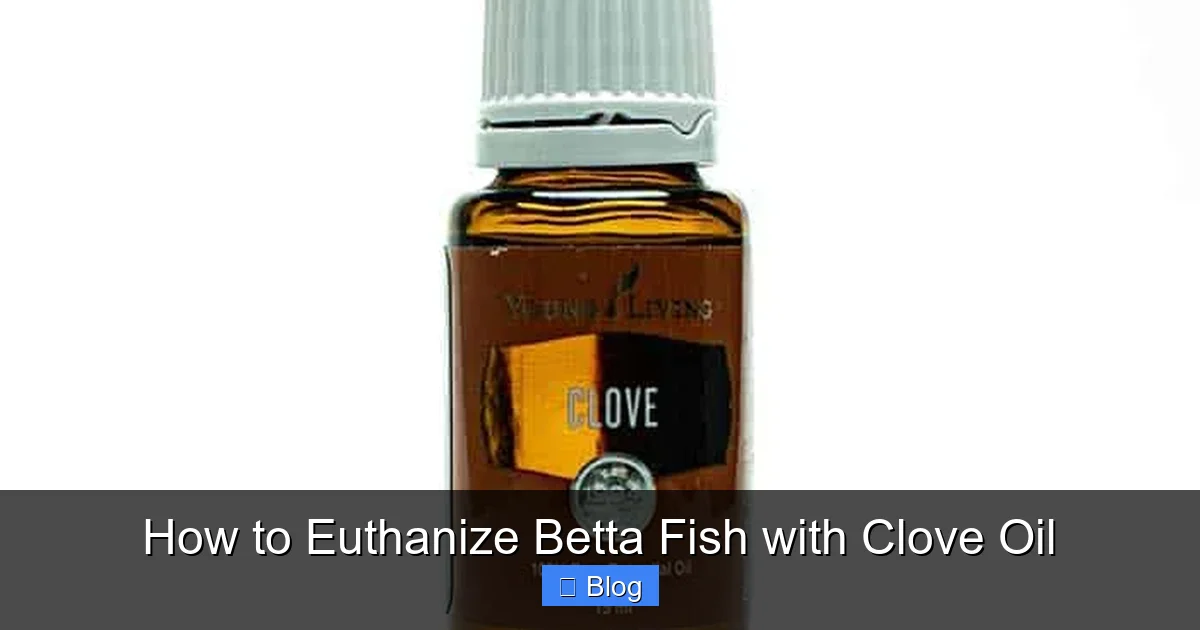
Euthanizing a beloved Betta fish is one of the most difficult responsibilities of pet ownership. When quality of life has irreversibly declined, a peaceful passing is the final act of kindness. Clove oil is a widely recommended, veterinary-approved method for at-home fish euthanasia due to its anesthetic properties. This guide provides a detailed, compassionate, and safe protocol to help you navigate this heartbreaking decision with confidence and care.
Key Takeaways
- Clove oil is a humane sedative: It works by depressing the central nervous system, inducing unconsciousness and eventually stopping the heart, minimizing stress and pain for the fish.
- Preparation is absolutely critical: Having all supplies ready, using the correct dosage, and using a separate container ensures the process is swift and effective.
- Dosage must be precise: Too little will not be effective; too much can cause distress. A standard emulsion of 0.2-0.4 ml of clove oil per liter of water is the starting point.
- Patience and observation are key: The process takes several minutes. You must wait for complete cessation of gill movement and opercular (gill cover) movement before disposal.
- This is a last-resort decision: Euthanasia should only be considered for terminal illness, untreatable severe injury, or profound, irreversible suffering after consultation with a veterinarian.
- Emotional support is part of the process: Acknowledge your grief. Saying goodbye, creating a memorial, and seeking support are important steps for the caregiver.
- Never use harmful methods: Avoid flushing, freezing without sedation, or physical trauma. These are inhumane and cause unnecessary suffering.
📑 Table of Contents
- The Heartbreaking, Necessary Choice: A Guide to Humane Betta Euthanasia
- Understanding the “Why”: The Imperative of a Humane Passing
- What is Clove Oil and Why Is It the Preferred Method?
- Step-by-Step: The Humane Clove Oil Euthanasia Protocol
- Common Mistakes and How to Avoid Them
- After the Final Goodbye: Respectful Disposal and Your Grief
- Alternatives and When to Call the Veterinarian
- A Final Reflection on Responsibility and Love
The Heartbreaking, Necessary Choice: A Guide to Humane Betta Euthanasia
There is no easy way to start a conversation about ending the life of a pet. If you are reading this, it’s likely because you are facing one of the most painful decisions a fish owner can make. Your Betta, with his flowing fins and vibrant personality, has been a source of joy and companionship. Watching him decline due to disease, injury, or old age is heartbreaking. When all avenues of treatment have been exhausted and his suffering is inevitable, a peaceful, dignified passing becomes the final, profound act of love you can offer.
This guide is written with the utmost respect for your bond with your fish and the gravity of this moment. It is not a decision to be made lightly or quickly. We will walk through the clove oil method in explicit, step-by-step detail because when the time comes, knowing *exactly* what to do is crucial to ensure it is humane and stress-free for your Betta. This method is supported by aquatic veterinarians and experienced hobbyists as one of the most peaceful at-home options. Our goal here is to replace fear of the unknown with clear, compassionate knowledge.
Understanding the “Why”: The Imperative of a Humane Passing
Before we discuss the “how,” we must firmly establish the “why.” The entire purpose of euthanasia is to prevent suffering. In the wild, a sick or weak fish becomes prey. In our care, we shield them from predators, but we cannot always shield them from pain or a failing body. The decision to euthanize is not about giving up; it is about taking control to prevent a prolonged, distressing end.
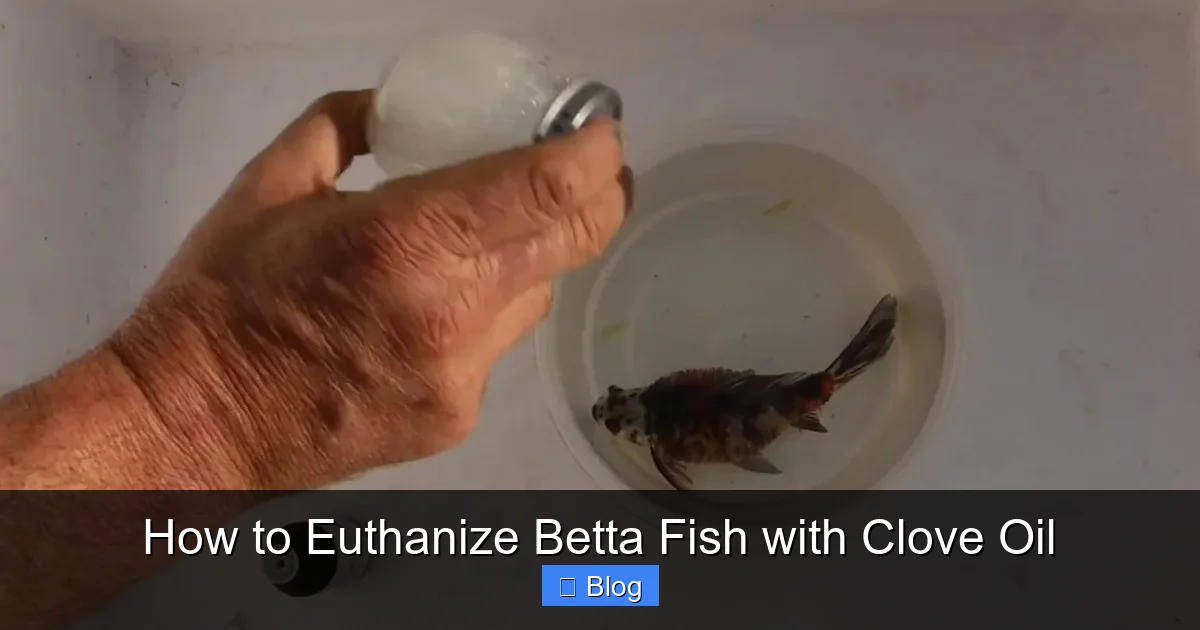
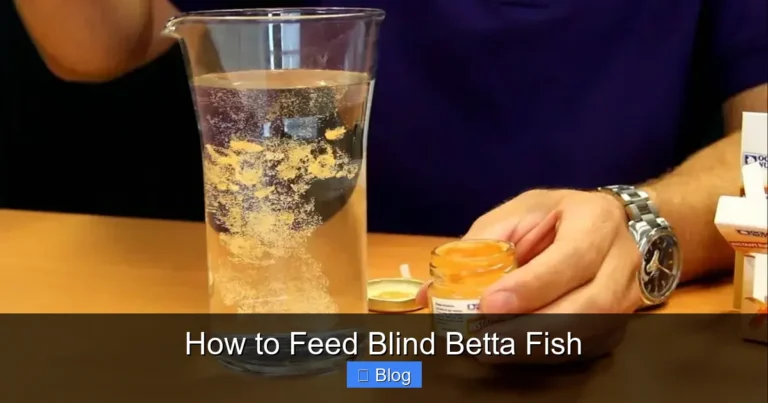
Visual guide about How to Euthanize Betta Fish with Clove Oil
Image source: i.ytimg.com
Recognizing When It’s Time: Signs of Suffering
This is the most challenging part. Consult with an aquatic veterinarian whenever possible. General signs that your Betta’s quality of life is severely compromised and may not be recoverable include:
- Inability to eat or swallow for several days, despite offering favorite foods.
- Chronic, labored breathing (gasping at the surface constantly, rapid gill movement).
- Complete loss of buoyancy control – floating upside down, sinking, and being unable to right himself.
- Progressive, untreatable disease like advanced dropsy (severe pineconing scales), internal tumors, or systemic fungal/bacterial infections unresponsive to multiple treatments.
- Severe physical trauma from tank mates or accidents where recovery is impossible.
- Extreme lethargy and unresponsiveness, spending all day motionless on the bottom, ignoring stimuli.
The key question is: Is there any reasonable hope for his pain or discomfort to be alleviated, allowing for a good quality of life? If the answer is no, it is time to consider euthanasia.
What is Clove Oil and Why Is It the Preferred Method?
Clove oil, derived from the clove tree (Syzygium aromaticum), contains eugenol as its primary active component. Eugenol is a potent local anesthetic and sedative. When introduced to water, it is absorbed through a fish’s gills and skin, quickly depressing its central nervous system.
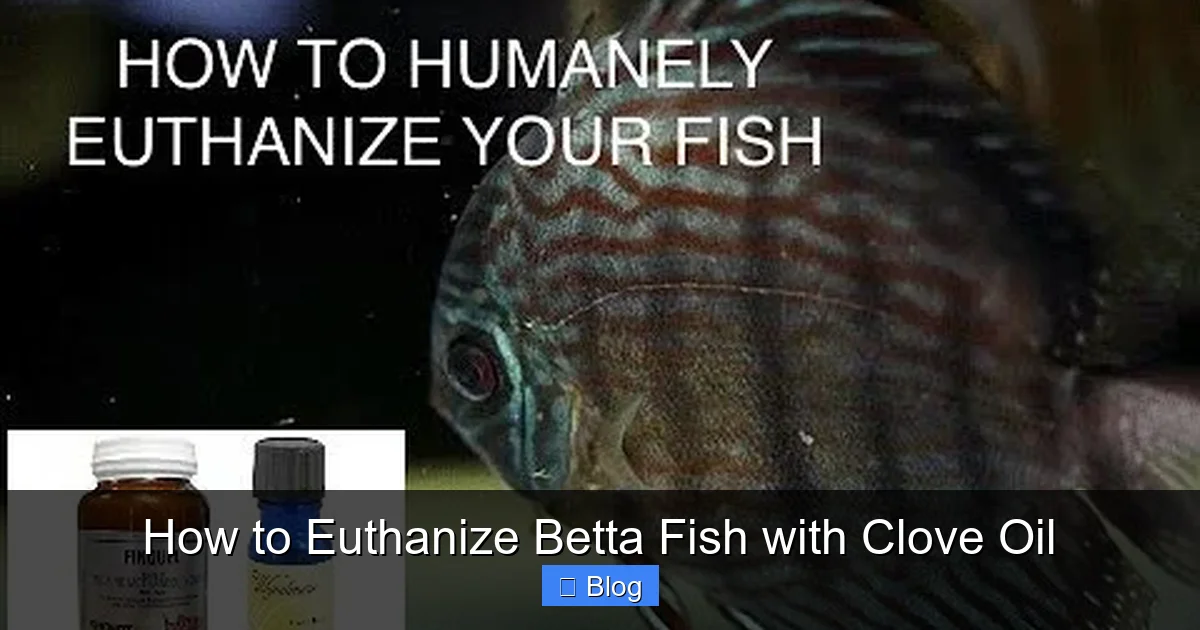
Visual guide about How to Euthanize Betta Fish with Clove Oil
Image source: i.ytimg.com
The Science of a Peaceful Goodbye
The process happens in stages, which is why proper technique is vital:
- Induction: The Betta becomes sedated, losing equilibrium and slowly sinking. Breathing slows but continues.
- Surgical Anesthesia: The fish loses all reflexes, including response to touch. Gill movement becomes very slow and shallow. This is the point of unconsciousness.
- Terminal Stage: With continued exposure, the eugenol depresses the respiratory center in the brain, leading to respiratory arrest and eventually cardiac arrest. Death follows peacefully.
Why it’s favored: It is relatively inexpensive, readily available (in the spice aisle or health stores), and, when used correctly, avoids the panic and distress associated with methods like netting and blunt trauma or the cruelty of flushing or freezing without prior sedation. It allows the fish to drift off in familiar, comfortable water.
Step-by-Step: The Humane Clove Oil Euthanasia Protocol
This procedure requires your calm, steady hands. Take a deep breath. You are providing a final mercy.
Visual guide about How to Euthanize Betta Fish with Clove Oil
Image source: expertaquarist.com
Gathering Your Supplies (Do This First!)
Having everything ready prevents fumbling and prolonging the process. You will need:
- 100% Pure Clove Oil (Eugenol): Check the label. It must be pure, not a blend with other oils. A small bottle (1 oz) is more than enough.
- A Small, Clean Container: A 1-2 cup glass or food-grade plastic container. A small fish tank or large bowl works. This will be the euthanasia chamber.
- A Small Cup or Beaker: For mixing the clove oil emulsion.
- Your Betta’s Tank Water: Use water from his main tank. Temperature matching is crucial to avoid thermal shock. Have at least 1 liter (about 4 cups) ready.
- A Small Net: For transferring your Betta.
- Optional but helpful: A dropper or pipette for precise oil measurement, a thermometer to confirm water temperature.
Creating the Emulsion: The Most Important Step
Clove oil is not water-soluble. You must create an emulsion (a temporary mixture) to disperse it effectively in the water. Skipping this or doing it incorrectly is the #1 reason for failed or stressful attempts.
- Measure the Water: Pour 1 liter of your Betta’s tank water into the euthanasia container. The volume is important for dosage accuracy.
- Measure the Clove Oil: The standard starting dosage is 0.2 ml to 0.4 ml of clove oil per liter of water. For a small Betta in 1 liter, start with 0.2 ml (about 4 drops). For a larger fish or if you are unsure, use 0.3 ml. Do not exceed 0.5 ml per liter initially. Having too much at once can cause violent thrashing as the oil hits the gills.
- Emulsify: In your small cup, combine the measured clove oil with about 1-2 tablespoons of tank water. Vigorously shake or whisk this tiny mixture for 30-60 seconds until it appears milky and cloudy. This breaks the oil into microscopic droplets.
- Introduce to the Main Container: Pour the emulsified mixture into the euthanasia container with the remaining liter of water. Gently stir the water in the container to help disperse the emulsion evenly.
- Acclimate the Fish: Gently net your Betta from his tank. Float the cup or container with the clove oil emulsion in his main tank for 5-10 minutes to equalize temperature. This step is non-negotiable to prevent shock.
- The Transfer: Slowly and gently pour your Betta from his acclimation cup into the euthanasia container. Do not net him again in the small space.
- Observe Closely: This is the hardest part to watch, but it is essential. You will see:
- First 1-2 minutes: The Betta may swim erratically or try to jump. This is a normal reaction to the initial sensation. Do not add more oil yet.
- Next 2-5 minutes: He will begin to lose balance, swimming unsteadily, then sinking to the bottom. Breathing (gill movement) will slow dramatically.
- Key Milestone: Look for the moment when he rolls onto his side or upside down and is no longer responsive to gentle prodding with a net or finger (no flinching). Gill covers (opercles) will open and close very slowly, maybe once every 3-5 seconds.
- The Final Confirmation: Once you see no gill movement for at least 5 minutes, you can be certain death has occurred. The body may go rigid ( rigor mortis) shortly after. This is your confirmation. Do not dispose of the fish prematurely.
- Prepare a second, identical emulsion: 0.2 ml clove oil + 1-2 tbsp water, shaken well.
- Slowly pour this emulsion into the euthanasia container.
- Observe again. The additional dose should complete the process within another 3-5 minutes.
- Burial: If you have yard space, a small, deep burial (at least 2-3 feet deep to prevent scavengers) is a traditional and peaceful option. You can place him in a small box or biodegradable bag.
- Wrap and Trash: If burial isn’t possible, gently wrap the body in a soft cloth or paper towel, place it in a small box or bag, and dispose of it with your household trash. This is an acceptable and dignified method.
- Cremation: Some veterinary clinics or pet crematoriums offer services for small animals and fish, allowing you to keep the ashes.
- Acknowledge it: Tell yourself, “I am sad because I loved him.”
- Create a small memorial: A photo, a note, a plant in his memory.
- Be kind to yourself: You made a decision rooted in compassion, not convenience. That was an act of love.
- Seek support: Talk to understanding friends, family, or online communities for fish keepers. You are not alone in this.
- Freezing: Causes severe ice crystal formation in tissues, a painful and slow process unless pre-sedated (which essentially brings you back to the clove oil method).
- Flushing: A traumatic, terrifying death from suction and pressure changes, often not immediately fatal.
- Decapitation or Pithing: Requires immense skill and cold precision to be instantaneous. For the vast majority of owners, this is not a safe or humane option due to high risk of error and extreme distress for the fish.
- Alka-Seltzer or Carbonated Water: Causes a violent, acidic reaction and suffocation. Extremely inhumane.
Performing the Euthanasia
What If It’s Not Working? The “Top-Up” Protocol
If after 5-7 minutes your Betta is still showing strong gill movement and attempting to swim, the initial dose was likely insufficient. Do not panic.
Never dump straight clove oil into the water. This will cause severe gill irritation and distress.
Common Mistakes and How to Avoid Them
Even with the best intentions, errors can happen. Knowing these pitfalls will help you avoid them.
Mistake 1: Using the Wrong Water Volume
The Problem: Guessing the water volume leads to incorrect dosing. Too much water dilutes the oil; too little concentrates it dangerously.
The Solution: Use a measuring cup. A standard 1-liter (34 oz) volume is ideal for most Betta containers. If your container is smaller, scale the dosage down proportionally (e.g., 0.5 liter water = 0.1 ml oil).
Mistake 2: Skipping the Emulsification Step
The Problem: Dumping straight oil creates a slick on the surface. The fish must swim through it, causing gill clogging, panic, and a painful, slow death from suffocation.
The Solution: Always, always emulsify with a small amount of water first. Shake it until it’s cloudy. This is the single most important technical step.
Mistake 3: Rushing the Confirmation
The Problem: Assuming death after the fish stops moving. Fish can enter a deep, reversible coma. Premature disposal is a horrific outcome.
The Solution: Wait for a minimum of 5 minutes of absolutely no opercular (gill cover) movement. Look closely. The body will be limp. When in doubt, wait another 5 minutes.
Mistake 4: Using Hot or Cold Water
The Problem: Temperature extremes cause physiological shock, which is painful and stressful, compounding the difficulty of the moment.
The Solution: Use water from the main tank at its normal temperature. Acclimate the fish as you would for any transport.
After the Final Goodbye: Respectful Disposal and Your Grief
The process doesn’t end when the gills stop moving. How you handle the aftermath is part of the compassionate care you’ve provided.
Disposal with Dignity
Do not flush the fish down the toilet. This is disrespectful and can introduce any potential pathogens into the water system. Here are appropriate options:
Take a moment. You can say a few words. Thank him for the companionship. This ritual matters.
Honoring Your Grief
Do not minimize your loss. A Betta is a sentient being that recognized you, responded to your care, and brought you daily beauty. Your grief is valid.
Alternatives and When to Call the Veterinarian
While clove oil is a valid at-home method, it is not the only option, and sometimes it is not the best option.
The Veterinary Option: The Gold Standard
If at all possible, taking your Betta to an aquatic or exotic veterinarian is the ideal course of action. They can administer a barbiturate overdose (e.g., pentobarbital), which is instantaneous, painless, and legally recognized as euthanasia. They also handle the aftercare. This removes the emotional burden of performing the procedure yourself and guarantees a professional outcome. The cost is usually modest for a fish. Call ahead to confirm they will see a fish for euthanasia.
Other At-Home Methods: A Warning
Many methods circulate online. Most are inhumane:
Stick to the clove oil protocol or veterinary care. There are no other reliable, humane at-home shortcuts.
A Final Reflection on Responsibility and Love
To stand at this crossroads is to understand the full weight of pet ownership. It is a covenant of care that lasts from the first joyful day in your home to the last, quiet moment of release. Using clove oil correctly is a skill born of that love—a final, practical application of your desire to keep your Betta safe from harm.
As you prepare, focus on the peace you are providing. You are ending a chapter of suffering. You are not causing death; you are preventing a worse, natural death that would come with pain and fear. In your hands, you hold not an instrument of ending, but a tool of mercy. Handle it with the same gentle care you used to feed him, to clean his home, to marvel at his colors. That care does not vanish with his last breath; it transforms into a memorial and a lesson in the profound depth of responsibility we undertake when we bring a life into our care.
Frequently Asked Questions
Is clove oil euthanasia painful for my Betta fish?
When performed correctly using the emulsification and proper dosage protocol, clove oil induces rapid unconsciousness before affecting the respiratory system, making it a humane and painless method. The initial brief reaction to water contact is not considered pain but a sensory response.
Can I use any clove oil from the grocery store?
Yes, but you must ensure it is 100% pure clove oil with no added carrier oils or fragrances. Check the ingredients list. “Clove bud oil” or “eugenol” are acceptable terms. Avoid “clove leaf oil” or blends.
What if I only have a tiny Betta in a large tank? Can I do this in his home tank?
No. Euthanasia should never be performed in the main display tank. The oil residue can harm any remaining biological filter bacteria. It is also impossible to accurately dose a large volume of water. Always use a small, separate, clean container with a measured volume of tank water.
How do I know the exact moment of death?
Death is confirmed only when you observe no movement of the gill covers (opercles) for a full 5 minutes. The body will be limp, and there will be no response to a very gentle touch with a net or finger. Do not rely on the fish being still or upside down alone, as this is the anesthetic stage, not necessarily death.
Should I try to treat my Betta one more time before euthanizing?
This is a personal decision, but it should be based on a realistic assessment from an aquatic veterinarian. If a vet has diagnosed a terminal, untreatable condition, further treatment may only prolong suffering. Palliative care (like pain management) is different from futile curative attempts. The kindest choice is often to prevent the final stages of agony.
My Betta is very old and just seems tired. Is that reason enough?
Old age itself is not a reason for euthanasia. Many Bettas live 3-5 years with good care. Euthanasia is indicated when age-related decline leads to chronic, unmanageable suffering—inability to eat, constant distress, or complete loss of function. A tired but still eating and responsive old fish can still have good quality of life.