How to Feed a Betta Fish Pellets
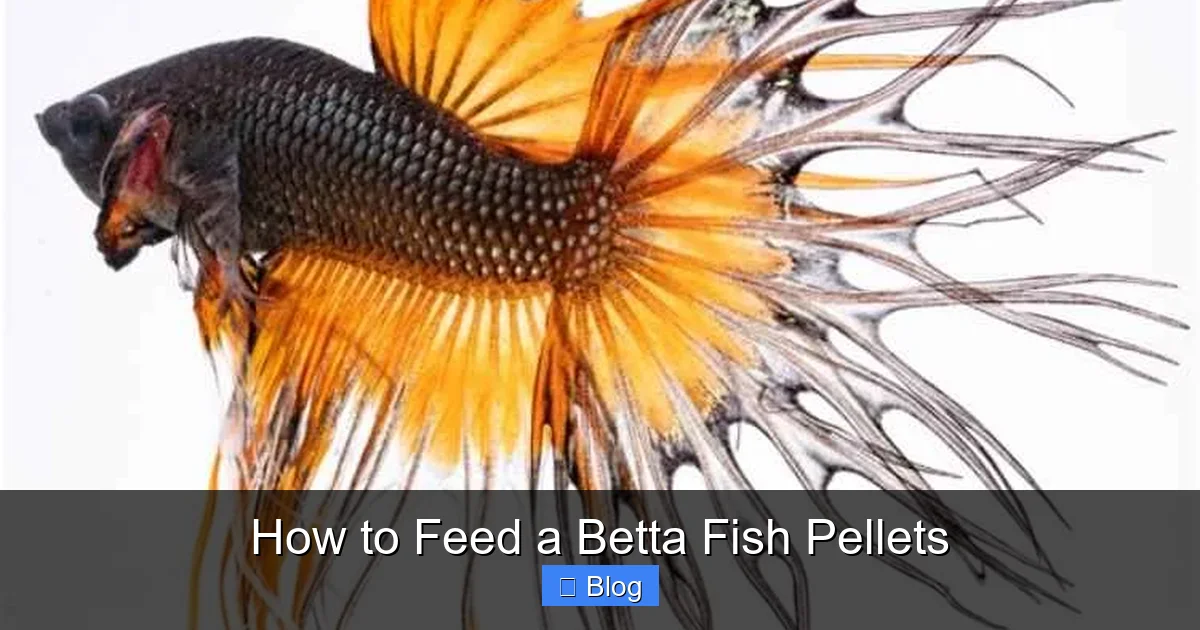
Feeding betta fish pellets is simple but crucial for their health. Choose high-quality, betta-specific pellets, feed tiny portions (2-3 pellets) once or twice daily, and remove uneaten food promptly. Avoid overfeeding, which is the most common cause of betta health issues like constipation and water pollution.
Key Takeaways
- Choose the Right Pellets: Always select high-quality pellets formulated specifically for bettas, with meat as the first ingredient and no fillers like wheat or soy.
- Master Portion Control: A betta’s stomach is roughly the size of its eye. Feed only 2-3 high-quality pellets per meal, once or twice a day, to prevent fatal overfeeding.
- Prep Pellets Properly: Soak dry pellets in tank water for a few minutes before feeding to soften them, preventing digestive blockages and making them easier for your betta to consume.
- Observe and Adjust: Watch your betta eat. If pellets sink and remain uneaten after 2-3 minutes, you are likely overfeeding or the pellets may be too large for your fish.
- Maintain Impeccable Water Quality: Uneaten pellets rot quickly, fouling the water. Always siphon out any leftovers immediately after feeding to prevent toxic ammonia spikes.
- Vary the Diet Occasionally: While pellets should be the staple, supplement 1-2 times a week with frozen or live foods like brine shrimp or daphnia to provide essential nutrients and stimulate natural hunting behavior.
- Establish a Consistent Routine: Feed at the same times each day. Bettas thrive on predictability, and a routine helps you monitor their health and appetite effectively.
📑 Table of Contents
- The Ultimate Guide to Feeding Your Betta Fish Pellets
- Why High-Quality Pellets Are the Best Choice for Your Betta
- Step 1: Selecting the Perfect Pellet for Your Betta
- Step 2: Mastering the Art of Portion Control
- Step 3: The Pre-Feeding Prep & The Actual Feeding Process
- Common Feeding Mistakes (And How to Avoid Them)
- Beyond the Basics: Enhancing Your Betta’s Diet
- Recognizing Problems: When Feeding Goes Wrong
- Conclusion: The Simple Path to a Happy, Healthy Betta
The Ultimate Guide to Feeding Your Betta Fish Pellets
Welcome, fellow betta enthusiast! If you’re reading this, you’ve likely got a stunning Siamese fighting fish gracing your home, and you want to get one of the most fundamental aspects of its care just right: how to feed a betta fish pellets. You’ve seen the beautiful, flowing fins and the vibrant colors, and you want to keep it that way. Proper nutrition is the absolute foundation of that goal. Pellets are the most common, convenient, and often the best staple food for bettas, but there’s a right way and a wrong way to use them. Getting it wrong can lead to a host of problems, from a bloated, constipated fish to a toxic aquarium environment. This guide will walk you through every single step, from choosing the perfect pellet to establishing a flawless feeding routine, ensuring your aquatic jewel lives a long, healthy, and vibrant life.
Think of this as your friendly, no-nonsense cheat sheet. We’ll cut through the confusing pet store marketing and break down exactly what your betta needs. By the end, you’ll feel confident that you’re not just feeding your betta, but nourishing it correctly. Let’s dive in.
Why High-Quality Pellets Are the Best Choice for Your Betta
Before we get to the “how,” let’s quickly cover the “why.” Why are pellets considered the gold standard staple for bettas over flakes or other options?
Visual guide about How to Feed a Betta Fish Pellets
Image source: petfood.guide
The Perfect Balance in a Tiny Bite
Premium betta pellets are scientifically formulated to meet the specific carnivorous dietary needs of Betta splendens. In the wild, bettas are insectivores and surface feeders, consuming mosquito larvae, small crustaceans, and insects that fall into the water. Quality pellets mimic this diet, being packed with high animal-protein content (ideally 40% or more) and essential fats, vitamins, and minerals. They provide a complete nutritional profile in every single bite, something you can’t always guarantee with generic fish flakes or human food.
Minimizing Waste and Maximizing Health
Good pellets are designed to sink slowly or remain suspended in the water column, catering to your betta’s natural surface-feeding instinct while minimizing mess. They are also less likely to disintegrate and cloud your water the moment they hit it, compared to many flake foods. This helps maintain stable water parameters, which is arguably the most critical factor in betta health. Clean water plus proper nutrition equals a thriving fish.
Convenience and Consistency
Let’s be real: pellets are easy. They store well, are simple to portion, and allow for a consistent feeding schedule. This consistency helps you monitor your betta’s appetite—a key indicator of health. If your usually ravenous betta turns up its nose at its regular pellets, it’s an early warning sign that something might be amiss.
Step 1: Selecting the Perfect Pellet for Your Betta
Not all pellets are created equal. Walking down the pet store aisle can be overwhelming, but your choice here sets the stage for everything that follows. Here’s your non-negotiable checklist.
Visual guide about How to Feed a Betta Fish Pellets
Image source: koibettafish.com
Decode the Ingredient List: Meat First, Fillers Last
Pick up the bag and turn it over. The first three ingredients should be recognizable, high-quality animal proteins. Look for:
- Whole Fish or Fish Meal: (e.g., Whole Salmon, Herring Meal)
- Krill Meal or Shrimp Meal: Excellent sources of protein and carotenoids for vibrant color.
- Insect-Based Meals: (e.g., Black Soldier Fly Larva Meal) – a fantastic, sustainable protein source.
Red Flags: If the first ingredient is “wheat flour,” “soybean meal,” “corn gluten meal,” or “brewers yeast,” put the bag down. These are cheap fillers used to bulk up the food and offer little nutritional value for a carnivore. They can also cause digestive issues.
Size Matters: Micro-Pellets Are Your Best Bet
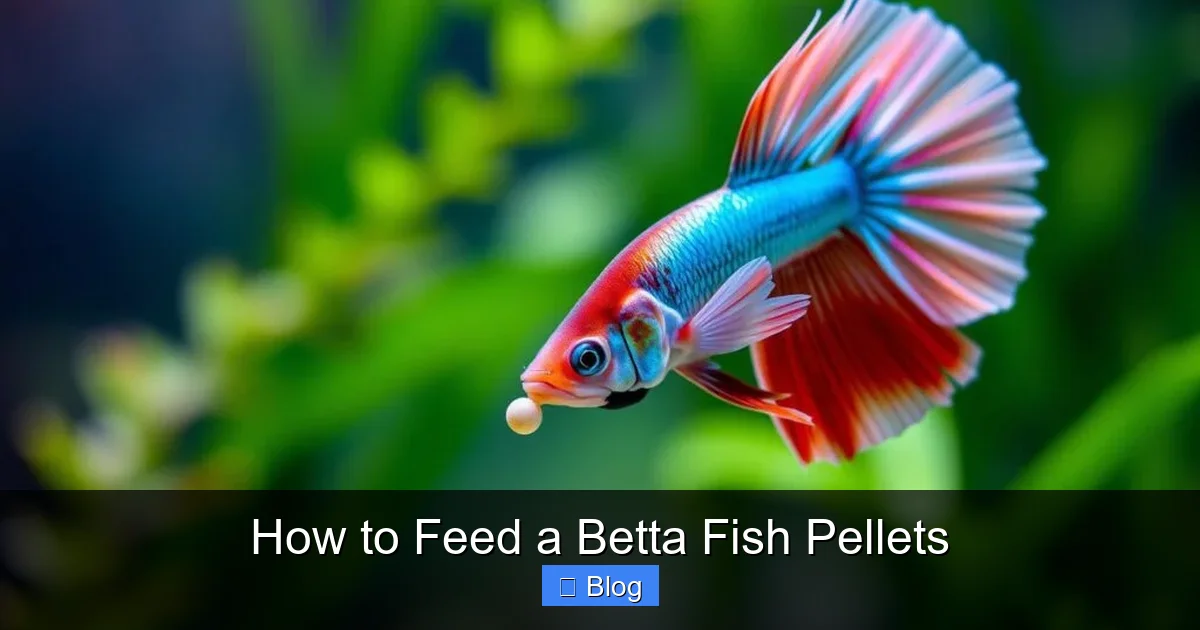
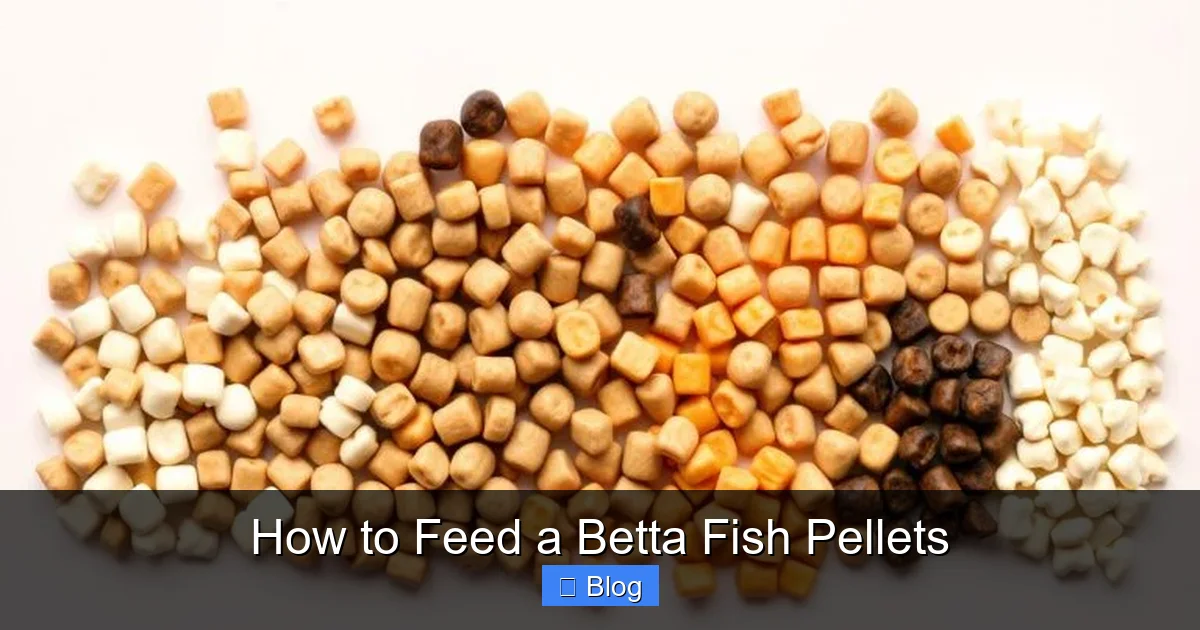
Betta have small, upturned mouths. Standard “medium” fish pellets are often far too large, leading to choking, refusal to eat, or the fish having to spit them out and break them apart, creating a mess. Always opt for pellets labeled as “micro,” “nano,” or “betta-specific” size. A good rule of thumb: the pellet should be no larger than the size of your betta’s eye. For a large, adult male, this might still be quite small.
Our Top Recommended Brands (The Short List)
While many brands exist, a few consistently rise to the top for their quality and betta-specific formulations:
- New Life Spectrum Betta Formula: A fantastic, trusted option with high-quality ingredients and no fillers.
- Hikari Betta Bio-Gold: A long-standing favorite, known for enhancing color and being highly digestible.
- Fluval Bug Bites Betta Formula: Unique for being insect-protein-based, which is incredibly close to a betta’s natural diet.
- Omega One Betta Pellets: Another premium brand with real seafood as the primary ingredient.
Stick to these or similar high-quality, specialized brands. Your betta’s digestive system will thank you.
Step 2: Mastering the Art of Portion Control
This is the single most important skill in how to feed a betta fish pellets. Overfeeding is the #1 cause of betta health problems in captivity. It leads to constipation, swim bladder disorder, obesity, and rapidly degrades water quality. Underfeeding is less common but can lead to malnutrition. So, what’s the magic number?
Visual guide about How to Feed a Betta Fish Pellets
Image source: koibettafish.com
The “Eye-Size” Rule: Your Golden Guideline
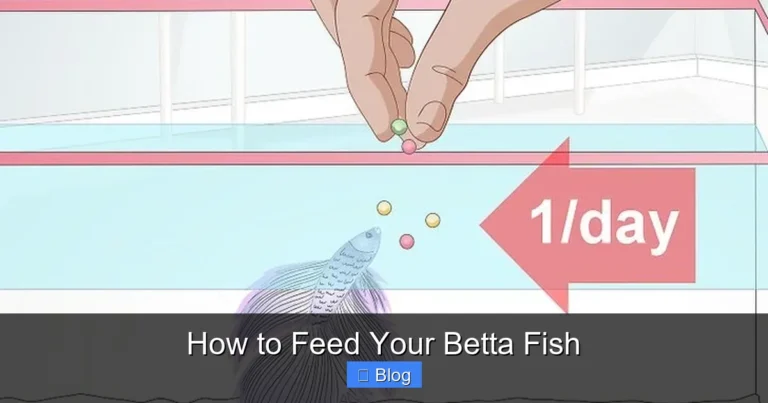
A betta’s stomach is approximately the size of its eye. That’s not much! Therefore, the general rule is: 2-3 high-quality micro-pellets per meal, once or twice a day. For a younger or smaller betta, start with 2. For a large, active adult, 3 might be appropriate. This is a starting point, not a law. You must observe your fish.
Twice Daily vs. Once Daily: The Great Debate
Both schedules can work perfectly if portions are controlled.
- Twice Daily (Recommended for most): Feed a small portion (2 pellets) in the morning and another (2 pellets) in the evening, 8-12 hours apart. This mimics natural grazing patterns and keeps metabolism active.
- Once Daily: Feed a slightly larger portion (3-4 pellets) at the same time each day. This can be simpler and is perfectly fine for adult bettas, especially if you have a busy schedule.
Never feed more than twice a day. Their digestive systems need a rest period.
How to Tell If You’re Feeding Enough (or Too Much)
Observation is your best tool.
- Signs of Underfeeding: A pinched or thin body, lethargy, sunken eyes, faded colors. If you see this, very slightly increase the portion (add one more pellet per meal) and monitor.
- Signs of Overfeeding: A noticeably rounded, pot-bellied appearance, constipation (stringy feces), lethargy, clamped fins, and most critically—lots of uneaten pellets sinking to the bottom.
Step 3: The Pre-Feeding Prep & The Actual Feeding Process
You’ve got the right pellets and the right portion in mind. Now, let’s execute the feeding perfectly.
Why You Should Soak Your Pellets (The Pro-Tip)
Dry pellets expand in water. If your betta eats them dry, they can absorb water and expand inside its digestive tract, causing potentially fatal blockages and constipation. The simple fix? Soak the pellets.
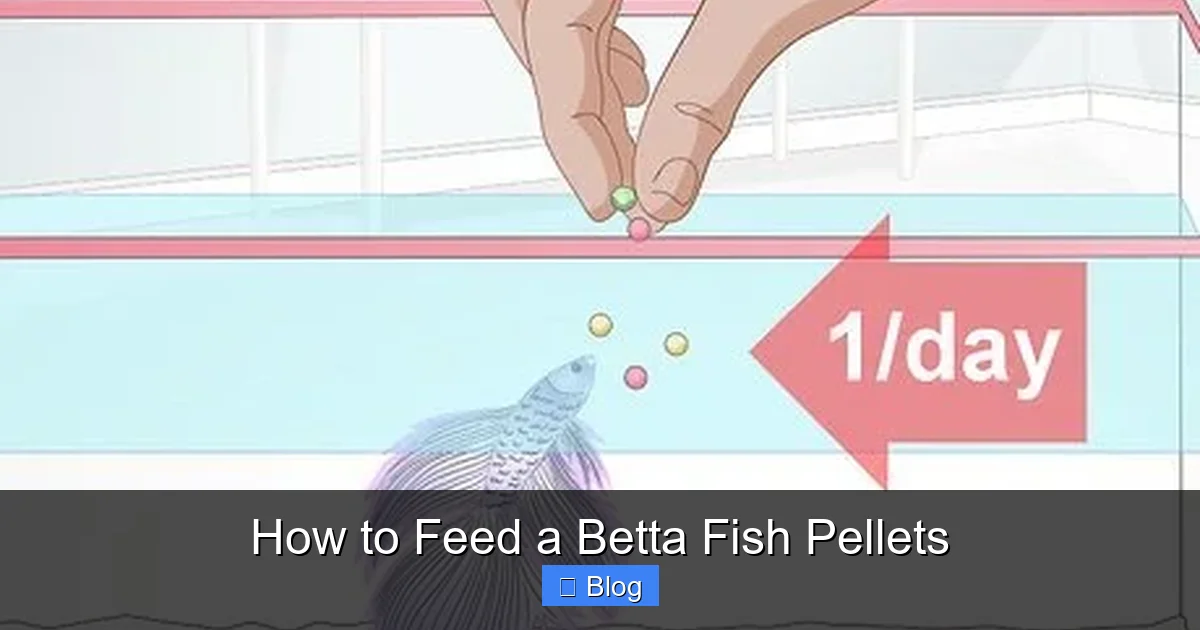
Take your measured 2-3 pellets and place them in a small cup with a tablespoon or two of tank water (use water from the aquarium, not tap). Let them soak for 3-5 minutes until they are soft and saturated. You’ll see them darken in color and become less rigid. This pre-soaking makes them easier to digest and eliminates the expansion risk. It’s a tiny step that makes a massive difference in long-term gut health.
The Feeding Ritual: A Step-by-Step Guide
- Timing: Feed at the same times each day. Morning (when you get up) and evening (before dinner) are ideal.
- Location: Drop the pre-soaked pellets directly in front of your betta’s face, ideally at the water’s surface where it can easily see them. Some bettas are shy; you can try dropping them near a plant or decor where they feel safe.
- Observe the Feast: Watch your betta eat. It should consume the pellets within 30-60 seconds. A healthy betta will be eager and active.
- The 2-3 Minute Rule: If after 2-3 minutes, there are any pellets left floating or sinking, you have overfed. Carefully use a net or turkey baster to remove every single uneaten pellet immediately. Do not leave them to dissolve and pollute the water.
What If My Betta Spits Out the Pellets?
This is common with new fish or if the pellet is too large. Soak the pellets even longer (5-10 minutes) until they are very soft. You can also try gently crushing a single pellet between your fingers into tiny, almost powdery bits and sprinkling it on the surface. This can encourage a hesitant betta to try. If the behavior persists, consider if the pellet brand or size is the issue.
Common Feeding Mistakes (And How to Avoid Them)
Even experienced keepers can fall into these traps. Let’s troubleshoot.
Mistake #1: The “Just One More Pellet” Syndrome
Your betta looks at you with those big, pleading eyes. It’s tempting to throw in an extra pellet “just this once.” Resist! This quickly becomes a habit and leads directly to overfeeding. Stick to your measured portion. If you’re concerned your betta is still hungry, consider if the pellet’s nutritional density is high enough or if a slight increase in portion (by half a pellet) is warranted after careful observation.
Mistake #2: Ignoring Leftovers
“It’ll eat it later.” No, it won’t. Uneaten pellets are a ticking time bomb for your water quality. They decompose within hours, releasing ammonia and other toxins. Always, always remove all uneaten food. Make it a non-negotiable part of your feeding routine.
Mistake #3: Using Low-Quality or Inappropriate Food
Feeding generic tropical fish flakes or large cichlid pellets is a recipe for disaster. Bettas require a high-protein, low-fiber diet. Flakes are often plant-based and will not sustain them. Pellets for other fish are usually the wrong size and nutritional profile. Invest in proper food; it’s cheaper than vet bills for a constipated or sick fish.
Mistake #4: Inconsistent Feeding Schedule
Feeding at random times can stress your betta and make it harder to monitor its health. A predictable routine helps your betta feel secure and allows you to quickly notice if its appetite changes—a major red flag.
Beyond the Basics: Enhancing Your Betta’s Diet
While a high-quality pellet should be 90% of your betta’s diet, variety is the spice of life—and health.
The Importance of Dietary Variety
In the wild, bettas eat a variety of prey. Replicating this with occasional treats provides different nutrients, stimulates natural hunting instincts, and prevents dietary boredom. It also helps ensure they get a broader range of vitamins and minerals.
Top-Notch Supplement Options
Offer one of these treats 1-2 times per week, replacing a pellet meal. Always thaw frozen foods first.
- Frozen Bloodworms or Brine Shrimp: The classic betta treats. Rich in protein and iron. Use in moderation, as they can be constipating.
- Daphnia: Often called “water fleas.” This is arguably the best supplement for bettas. It is high in protein and, crucially, acts as a natural laxative due to its high fiber content, helping to prevent constipation.
- Live Foods: If you can culture them, live microworms or baby brine shrimp are phenomenal for encouraging natural behavior. Only source from a trusted, clean culture to avoid introducing diseases.
Never feed your betta: Peas (unless for a specific, advised constipation treatment), bread, human food, or fish flakes not designed for bettas.
Recognizing Problems: When Feeding Goes Wrong
Even with perfect care, issues can arise. Here’s what to watch for.
Constipation: The Classic Overfeeding Symptom
Symptoms: A bloated, pinecone-like appearance (scales standing out), stringy feces (often white or clear), lethargy, loss of appetite.
Treatment: Stop feeding for 24-48 hours. Then, offer a small, peeled, blanched pea (a common home remedy) or, even better, a small piece of daphnia. The fiber will help clear the blockage. In severe cases, an Epsom salt bath (1 tsp per gallon, for 10-15 minutes) may be needed. Prevention through correct portioning is always the best cure.
Swim Bladder Disorder (SBD)
This isn’t a disease itself but a symptom of a problem, often caused by constipation from overfeeding or a poor diet. Your betta may struggle to swim upright, float upside down, or sink to the bottom.
Treatment: Follow the constipation protocol above: fast, then offer a high-fiber remedy like daphnia. Ensure water temperature is optimal (78-80°F) to aid digestion.
Conclusion: The Simple Path to a Happy, Healthy Betta
Feeding your betta doesn’t have to be complicated. At its heart, how to feed a betta fish pellets boils down to three core principles: Quality, Quantity, and Cleanliness. Choose a high-quality, appropriately-sized pellet. Feed a tiny, measured portion (2-3 pellets) once or twice daily. And always, always clean up every last crumb of uneaten food.
By following this guide, you are doing more than just putting food in a tank. You are actively safeguarding your betta’s digestive health, preventing life-threatening water quality issues, and providing the foundation for brilliant colors, flowing fins, and a curious, active personality. You are being the best betta parent you can be. Now, go enjoy the beautiful spectacle of your healthy, well-fed friend gliding gracefully through its home. You’ve earned it.
Frequently Asked Questions
How often should I feed my betta fish pellets?
Feed your betta once or twice a day, spacing meals 8-12 hours apart. Consistency is key. Stick to the same times daily and never exceed two feedings to allow proper digestion.
What size pellets are best for a betta fish?
Always choose micro or nano-sized pellets specifically marketed for bettas. The pellet should be no larger than the size of your betta’s eye to prevent choking and ensure easy consumption.
Is it okay if my betta doesn’t eat all its pellets?
No. If your betta leaves pellets after 2-3 minutes, you are overfeeding. Carefully remove all uneaten food immediately with a net or siphon to prevent water pollution and digestive issues.
Should I soak betta pellets before feeding?
Yes, it’s highly recommended. Soak dry pellets in a small cup of tank water for 3-5 minutes before feeding. This softens them, prevents expansion inside your betta’s digestive tract, and reduces the risk of constipation.
Can I feed my betta pellets only?
High-quality pellets can be a complete staple diet. However, for optimal health, supplement 1-2 times a week with varied foods like frozen daphnia or brine shrimp to provide additional nutrients and mimic a natural diet.
Why is my betta spitting out its pellets?
This usually means the pellet is too large or too hard. Try soaking the pellets longer (5-10 minutes) until very soft, or gently crush a single pellet into tiny bits. If the problem persists, consider switching to a softer, higher-quality pellet brand.