How to Entertain My Betta Fish
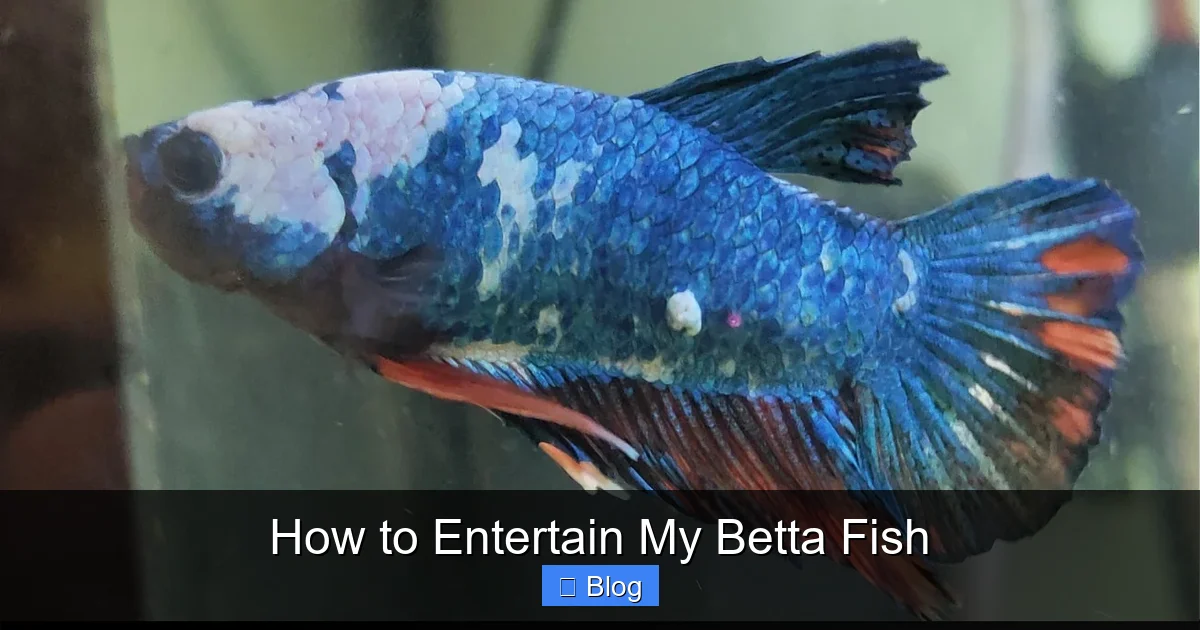
Betta fish are intelligent, curious creatures that thrive on mental and physical stimulation. Simply keeping them alive isn’t enough; proper enrichment is key to preventing boredom, stress, and illness. By thoughtfully designing their environment, introducing safe toys, and engaging in gentle interactive play, you can unlock your betta’s vibrant personality and ensure a long, happy life.
Key Takeaways
- Bettas Need Enrichment: These intelligent fish suffer from boredom without stimulation, leading to lethargy, loss of color, and increased susceptibility to disease.
- Tank Setup is Foundational: A properly sized, heated, filtered tank with plants, hiding spots, and open swimming space is the first and most crucial form of entertainment.
- Safe Toys are Essential: Floating mirrors, ping pong balls, and silk plants provide safe outlets for natural behaviors like flaring and exploring.
- Interaction Builds Bond: Gentle target training and hand-feeding create mental challenges and strengthen the connection between you and your betta.
- Avoid Overstimulation: Entertainment should be balanced with quiet rest periods; too much activity or reflection can cause chronic stress.
- Watch for Engagement Signs: A entertained betta will be active, curious, display vibrant colors, and build bubble nests—key indicators of wellbeing.
📑 Table of Contents
- Understanding Your Betta’s Natural Behaviors
- Designing an Enriching Tank Environment: The Foundation of Fun
- DIY and Store-Bought Toys for Betta Stimulation
- Interactive Activities: Building a Bond Through Play
- Common Mistakes to Avoid When Entertaining Your Betta
- The Happy, Engaged Betta: Signs You’re Succeeding
Understanding Your Betta’s Natural Behaviors
Before we dive into the “how,” we need to understand the “why.” The domestic betta fish (Betta splendens) hails from the shallow, slow-moving waters of Thailand’s rice paddies and floodplains. In this environment, they are natural explorers and opportunistic hunters. Their days are spent investigating dense vegetation, chasing tiny insects, and, for males, guarding a small territory or a bubble nest. This innate curiosity and intelligence means a barren, tiny bowl is not just aesthetically unpleasing—it’s psychologically damaging. A betta with nothing to do becomes a betta that is bored, stressed, and sickly. Learning how to entertain my betta fish starts with respecting these wild instincts and providing outlets for them in captivity.
The Intelligent, Solitary Hunter
Contrary to the old myth of the “fighting fish” kept in isolation solely for aggression, wild bettas are actually quite shy and use their vibrant colors and fin displays primarily for courtship and territorial defense against rivals. They are curious, problem-solving animals that spend hours each day investigating their surroundings. In the wild, this foraging behavior is mentally stimulating. In a tank, if there’s nothing to investigate, that mental energy has no outlet. This can manifest as glass surfing (pacing along the tank walls), lethargy, or even self-harm by nipping at their own fins. Entertainment, therefore, is not a luxury—it is a critical component of ethical betta husbandry.
Signs Your Betta Might Be Bored or Stressed
How can you tell if your fish needs more stimulation? Look for these key behavioral cues:
- Lethargy & Hiding: While some rest is normal, constant hiding at the bottom or behind decorations, with no active exploring, is a red flag.
- Glass Surfing: Repetitively swimming up and down the tank glass is a classic sign of stress and boredom, often called “tank syndrome.”
- Loss of Color: A happy, stimulated betta will be vibrant. Faded or dull colors often indicate stress or poor health.
- Fin Clamping: Holding fins tightly against the body is a sign of discomfort.
- Lack of Bubble Nesting: While not all males build nests regularly, a complete absence of this instinctual behavior in a healthy male can signal an unsuitable environment.
If you see these signs, it’s a clear indicator that your approach to how to entertain my betta fish needs an urgent upgrade.
Designing an Enriching Tank Environment: The Foundation of Fun
You cannot entertain a betta in a 1-gallon vase. The absolute bedrock of betta enrichment is a properly set-up aquarium. Think of it as building a playground before buying toys. A suitable tank isn’t just a container of water; it’s a complex ecosystem designed to engage your fish’s senses.
Visual guide about How to Entertain My Betta Fish
Image source: modestfish.com
Tank Size and Water Quality: Non-Negotiables
The minimum recommended tank size for a betta is 5 gallons, but larger is always better (10+ gallons is ideal). Why? More space means more to explore, more stable water parameters, and a healthier environment. A small, dirty bowl causes chronic stress, making any “entertainment” futile. Equally important is a heater (bettas are tropical fish requiring 78-80°F/25.5-26.5°C) and a gentle filter. Clean, warm, stable water is the canvas upon which all enrichment is painted. Without this, you are setting your betta up for failure.
Aquascaping for Exploration: Plants, Hiding Spots, and Levels
This is where the magic happens. A bare tank is a prison. A planted tank is a jungle gym. Aim for a variety of textures and heights.
- Live or Silk Plants: These are essential. Bettas love to rest on broad leaves (like Anubias or Java Fern tied to driftwood) and dart through frilly foliage. Avoid plastic plants with sharp edges that can tear delicate fins. Live plants also improve water quality.
- Hiding Spots: Provide caves, hollow logs, or dense clusters of plants. Betta fish feel safer knowing they have a retreat, which actually encourages them to be more bold and explore elsewhere.
- Vertical Dimension: Use tall plants, driftwood that reaches the surface, and floating leaves (like Duckweed or Water Sprite) to create different levels. Bettas are labyrinth fish and enjoy swimming at all depths, especially near the surface where they breathe air.
- Smooth Substrate: Sand or smooth gravel is best. Avoid sharp gravel that can injure them as they forage along the bottom.
A well-aquascaped tank provides endless “entertainment” through simple exploration. You are essentially answering the question “how to entertain my betta fish” by making its home inherently interesting.
DIY and Store-Bought Toys for Betta Stimulation
Once the environment is set, you can introduce specific objects for targeted interaction and play. The key principle is safety first. All toys must be aquarium-safe, have no small parts that can be swallowed, and no sharp edges.
Visual guide about How to Entertain My Betta Fish
Image source: i.pinimg.com
The Classic Mirror: A Temporary Tool for Flaring
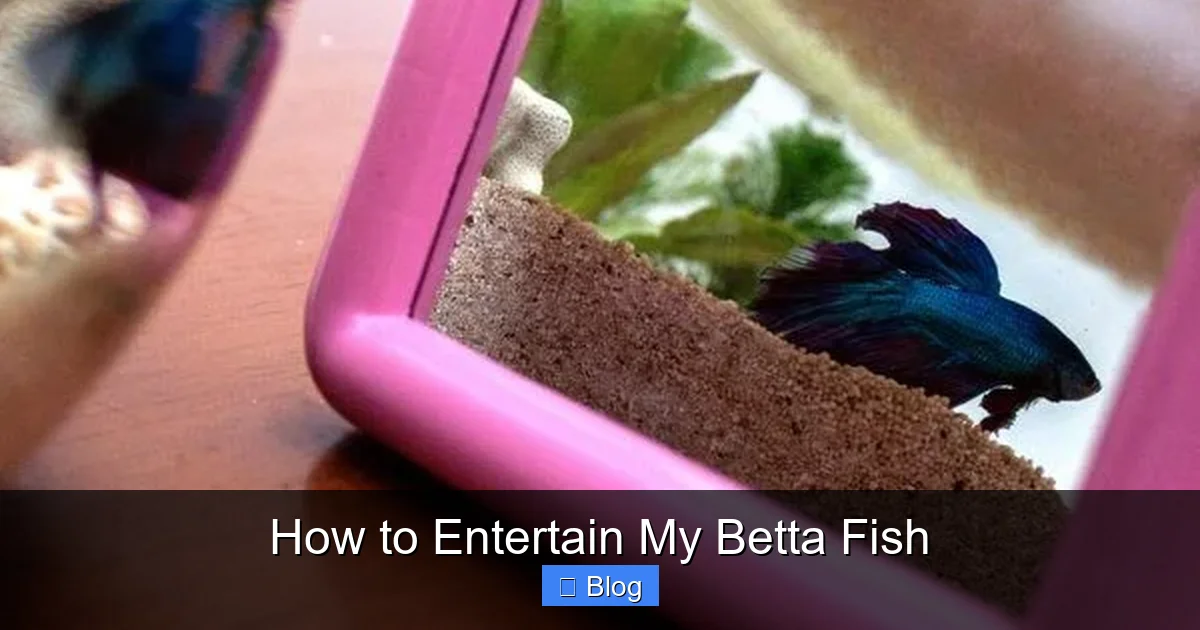
A small, handheld mirror is a fantastic, controversial tool when used correctly. Showing your betta its reflection triggers its natural territorial flare response—a great brief workout for its muscles and a chance to display its beautiful fins. However, this is a short-term activity only (1-2 minutes, max once a day). Prolonged exposure causes extreme stress as the betta cannot “defeat” the intruder, leading to exhaustion and a weakened immune system. Use it as a quick “pep-up” session, not a constant fixture.
Floating Toys: Ping Pong Balls, Marbles, and Hoops
Lightweight, floating objects are perfect for bettas to push around, investigate, and even “fight.” A clean ping pong ball is a classic. You can even gently teach your betta to push it through a floating hoop (more on training later). Ensure any toy is clean and has no paint or coatings that could leach toxins. Smooth glass marbles or ceramic balls that are too large to swallow are also good options for bottom-dwelling exploration.
Live and Frozen Foods: The Ultimate Puzzle
Feeding time is prime entertainment. Instead of just dropping pellets in the same spot, make your betta work for it.
- Target Feeding: Use a plastic pipette or your finger (after washing hands thoroughly) to guide a bloodworm or brine shrimp around the tank. Your betta will chase it, providing exercise and mental engagement.
- Food on a Clip: Attach a piece of algae wafer or a frozen food cube to a suction cup clip on the tank glass. Your betta will pick at it, foraging like in the wild.
- Scatter Feeding: Gently sprinkle a few daphnia or microworms over plants and hiding spots, encouraging natural hunting behavior.
This method answers “how to entertain my betta fish” by turning a mundane meal into a stimulating hunt.
Interactive Activities: Building a Bond Through Play
This is the most rewarding part of betta ownership. Bettas are smart enough to learn simple associations and even basic tricks. This isn’t just fun; it’s vital cognitive enrichment.
Visual guide about How to Entertain My Betta Fish
Image source: aquariadise.com
Target Training: The First Step
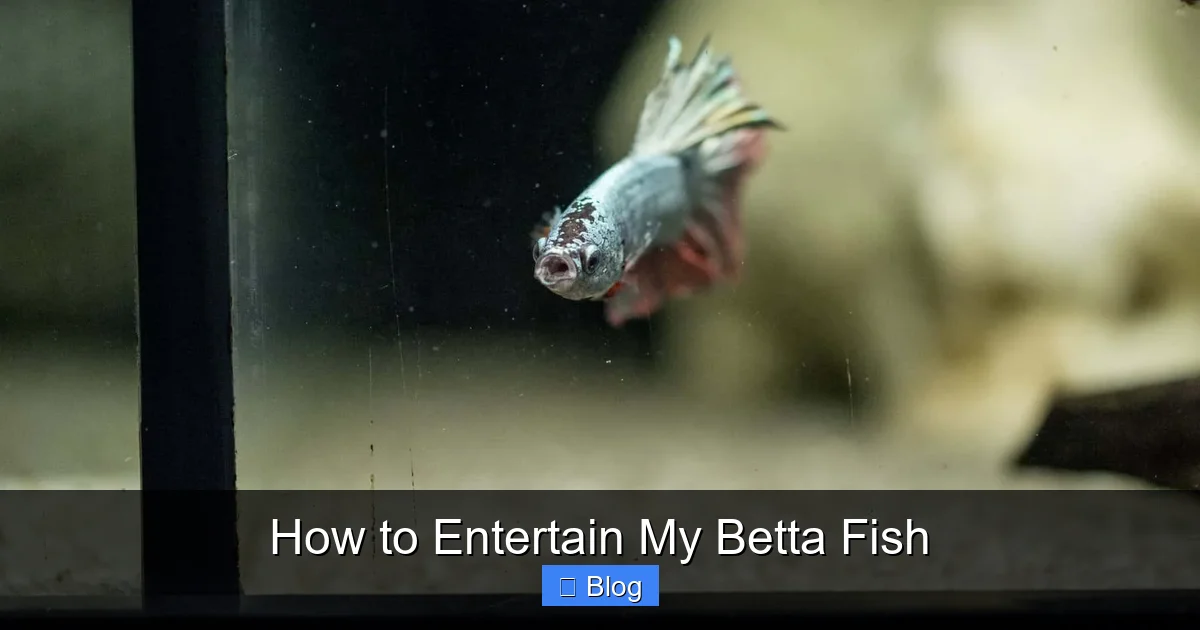
You can train your betta to follow a target (like a chopstick with a colored tip or a suction cup target). Start by placing a tiny piece of food on the target near the betta. When it approaches and touches the target with its nose or mouth, reward it immediately with a bit of food from your fingers or a pipette. Over time, you can move the target around the tank, and your betta will follow it for a reward. This provides excellent mental exercise and is the foundation for more complex tricks.
Hand-Feeding and Trust Building
Once your betta associates you with food and positive experiences, you can try hand-feeding. Wash your hands extremely well to remove all soaps, lotions, and perfumes. Place a single, tasty food item (like a bloodworm) on your fingertip and hold it just above the water surface. Be patient. It may take days or weeks for your betta to feel safe enough to take it. This profound level of trust is the ultimate sign of a happy, enriched betta.
Simple Tricks: Jumping for Food
With consistency and caution, you can teach a betta to jump for food. Place a small, wet food pellet on your fingertip and hold it just above the water’s surface. Encourage the jump by gently moving your finger closer. Never force this, and never hold your hand over the betta in a way that creates a shadow or threat. The goal is a voluntary, fun action, not a stressed leap. Always end sessions on a positive note.
Common Mistakes to Avoid When Entertaining Your Betta
Even with the best intentions, it’s easy to make errors that do more harm than good. Here’s what to watch out for.
Over-Stimulation and Constant Reflection
Bettas need downtime. A tank with constant movement (from a strong filter or too many active fish), too many toys, or a permanent mirror reflection is a recipe for chronic stress. Ensure half the tank has calm areas with plants to hide behind. Remove mirrors after brief use. Balance active play periods with quiet observation.
Incompatible Tank Mates
The question “how to entertain my betta fish with friends?” is common but risky. While some bettas can live with specific, peaceful, fast-moving species like certain tetras or corydoras in a large, heavily planted tank, many cannot. Fin-nipping fish like tiger barbs or gouramis are absolute enemies. Even “peaceful” fish can harass a betta. Never assume compatibility. If introducing a tank mate, have a backup plan and a quarantine tank ready. Often, the safest and most enriching “tank mate” for a betta is a well-decorated, stimulating environment of its own.
Using Unsafe Materials
Never use painted toys, metal objects that can rust, or anything with sharp edges. Only use items specifically sold for aquariums or thoroughly researched, natural materials like certain types of driftwood (pre-soaked to remove tannins) and stone. When in doubt, leave it out.
Neglecting the Basics for Flashy Toys
A $10 floating toy is useless in a cold, dirty, 1-gallon bowl. Always prioritize the fundamentals: correct tank size, heater, filter, and regular water changes (25% weekly). Enrichment builds upon a healthy foundation, it doesn’t replace it.
The Happy, Engaged Betta: Signs You’re Succeeding
When you get it right, the transformation is magical. Your efforts in learning how to entertain my betta fish will be rewarded with a pet that is truly alive.
Active, Curious Behavior
Your betta will actively patrol its territory, investigate new plants or decorations, and watch your movements outside the glass. It will come to the front of the tank when it sees you, expecting interaction or food. This active curiosity is the hallmark of a stimulated mind.
Vibrant Colors and Flaring Displays
Healthy, happy bettas exhibit their full, stunning color palette. You’ll see them gently flare their gills and fins at their reflection in the glass (a natural territorial check) or at a new object, not in constant, stressed aggression. Their colors will be bright and iridescent.
Bubble Nest Building (For Males)
A male betta that feels secure and content in his territory will often build a bubble nest at the water’s surface. This is one of the highest compliments he can pay his environment. While not all males do this regularly, seeing a cluster of bubbles is a fantastic sign of wellbeing.
A Strong Appetite and Lively Response to You
An engaged betta is a hungry betta. It will greet you at feeding time with enthusiasm and may even recognize you as the food provider. This association is built through consistent, positive interaction—the core of entertainment and bonding.
Frequently Asked Questions
Can I put other fish with my betta to keep it company?
It’s possible but risky and requires extensive research. A single, peaceful tank mate in a large, heavily planted aquarium (20+ gallons) with ample hiding spots is the only scenario that has a chance of success. Most common “community” fish are unsuitable. For 99% of keepers, a betta is best kept as a sole species, with its enrichment coming from its environment and you.
How much time each day should I spend “playing” with my betta?
Quality over quantity. Short, 5-10 minute interactive sessions once or twice a day (like target training or mirror use) are perfect. The rest of the time, your betta should be in a stimulating tank environment that allows for independent exploration. Avoid constant disturbance; fish need rest periods too.
My betta isn’t interested in any toys. What should I do?
First, ensure the tank basics are perfect (size, heat, filter, water quality). A stressed or unhealthy fish won’t play. Second, try different toys—some bettas love mirrors, others ignore them. Some chase balls, others prefer floating plants. Third, associate toys with food. Use target training to show the toy is a source of reward. Patience is key.
Is a mirror bad for my betta?
Used incorrectly, yes. A permanent mirror causes chronic stress as the betta cannot win its territorial battle. Used correctly—as a handheld tool for 1-2 minutes a day—it’s an excellent outlet for natural flaring behavior. Always supervise and remove the mirror immediately after the brief session.
What are the best live foods for enrichment?
Daphnia (water fleas) and microworms are excellent. They are small, nutritious, and float or move slowly, encouraging natural hunting. Bloodworms and brine shrimp are great high-protein treats. Always source live foods from reputable suppliers to avoid introducing parasites, or culture your own.
How do I know if I’m over-stimulating my betta?
Watch for constant stress signs: frantic swimming, persistent hiding, clamped fins, loss of color, and loss of appetite. If these occur, reduce interactive sessions, remove any permanent mirrors, and ensure the tank has plenty of quiet, plant-covered areas for refuge. Enrichment should reduce stress, not cause it.