How to Enrich Betta Fish
Enriching your betta fish is crucial for its health and happiness, going far beyond just feeding and clean water. This guide provides practical, safe methods to stimulate your betta’s natural instincts through environmental, social, and dietary enrichment, preventing boredom and stress.
Key Takeaways
- Enrichment is essential: It prevents stress, boosts immune function, and allows bettas to express natural behaviors, directly impacting their lifespan and vibrancy.
- Environmental enrichment is foundational: A spacious, planted tank with hiding spots, varied textures, and safe exploration zones is the first step to a stimulated betta.
- Dietary variety is mental exercise: Using training, puzzle feeders, and varied live/frozen foods turns mealtime into a challenging and rewarding hunting simulation.
- Social interaction must be managed: While bettas are solitary, careful supervised interaction and viewing compatible tankmates (in a separate setup) can provide visual stimulation.
- DIY and safe materials are key: Many household items can be safely modified into toys, but always prioritize smooth edges, non-toxic materials, and constant supervision.
- Observe and adapt: The best enrichment is tailored to your individual fish. Watch for signs of interest, stress, or boredom to adjust your approach.
📑 Table of Contents
- Understanding Your Betta’s Needs: More Than Just a Pretty Fish
- Environmental Enrichment: Building a Stimulating Home
- Interactive Enrichment: Toys and Activities for a Curious Mind
- Social Enrichment: Decoding Betta Social Needs
- Dietary Enrichment: Turning Mealtime into a Hunt
- Common Mistakes to Avoid in Betta Enrichment
Understanding Your Betta’s Needs: More Than Just a Pretty Fish
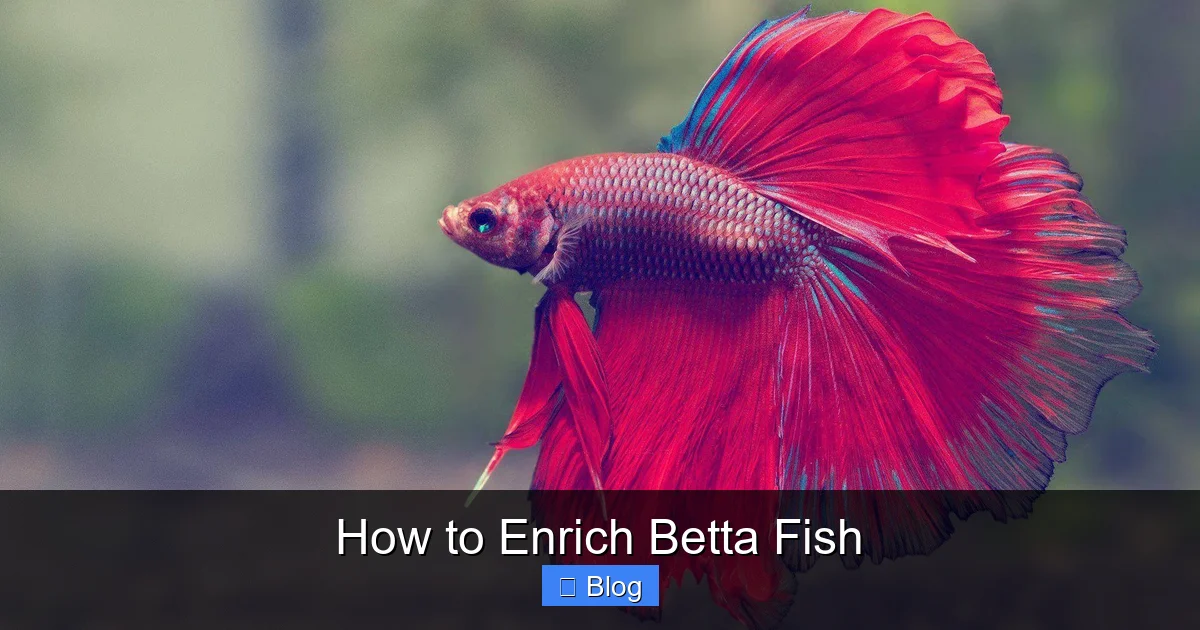
When you bring a betta fish home, you’re often captivated by their flowing fins and vibrant colors. But beneath that beautiful exterior lies a curious, intelligent, and active predator. In the wild, bettas (or Siamese fighting fish) navigate complex waterways, hunt for insects, and defend territories. Confining them to a small, bare bowl is like putting a highly energetic dog in a studio apartment with nothing to do—it leads to stress, lethargy, and a weakened immune system. This is where how to enrich betta fish becomes the most important aspect of their care.
Enrichment is the process of enhancing a captive animal’s environment to improve its quality of life. For bettas, this means providing opportunities to engage in natural behaviors: exploring, hunting, hiding, and even problem-solving. A enriched betta is a visible betta—they’ll be more active, display richer colors, build bubble nests with gusto, and live a longer, healthier life. Think of it not as extra work, but as the core of responsible betta ownership. It transforms your role from a mere feeder and cleaner to an engaging companion and habitat designer.
Environmental Enrichment: Building a Stimulating Home
The foundation of all enrichment is the tank itself. A proper environment is non-negotiable. Forget the myth of the “betta in a vase.” Your betta needs space to swim horizontally, clean water to breathe, and structures to interact with. This section is about turning a simple aquarium into a dynamic landscape.
Visual guide about How to Enrich Betta Fish
Image source: infoanimales.net
Tank Size and Water Quality: The Non-Negotiables
Before adding any toys, you must meet the basic physical needs. A minimum of 5 gallons is widely recommended by aquatic veterinarians and experienced keepers. This provides enough room for genuine exploration and helps maintain stable water parameters. Bettas are labyrinth fish; they need access to the water’s surface to breathe atmospheric air. Ensure the water is warm (78-80°F or 25-27°C), filtered (a gentle sponge filter is ideal), and regularly tested for ammonia, nitrite, and nitrate. A stressed fish from poor water quality will have no interest in enrichment. You cannot enrich a fish that is struggling to survive.
Aquascaping: Creating a Jungle Gym
This is where the fun begins. The goal is to break up open space, provide hiding places, and create visual interest.
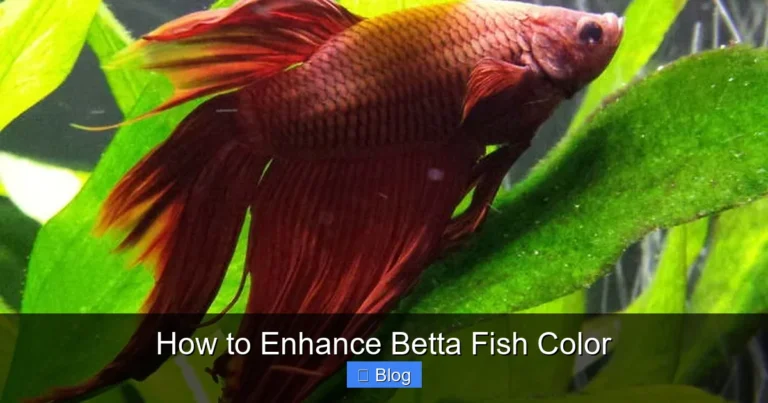
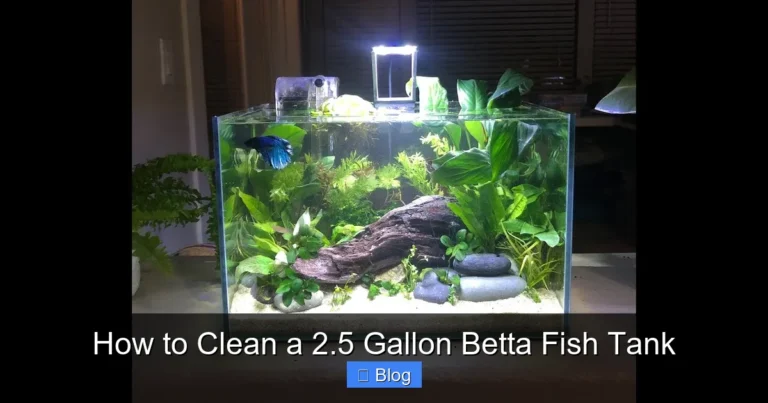
- Live Plants: These are the ultimate enrichment. Plants like Anubias, Java Fern, Cryptocoryne, and floating plants (like Duckweed or Salvinia) offer gentle resting sites near the surface, shaded areas, and complex textures to swim through. Betta fish love to rest on broad leaves and weave through stems. They also improve water quality.
- Soft Silk or Live Plants: Avoid plastic plants with stiff, sharp edges that can tear delicate fins. Opt for silk plants with soft, flowing foliage or, even better, live plants.
- Driftwood and Rocks: Smooth, aquarium-safe driftwood (like Mopani or Malaysian) creates natural arches, caves, and overhangs. Smooth river rocks can be stacked to form caves. Always secure decorations properly to prevent collapses.
- Substrate: A dark, fine-grained substrate (like sand or smooth gravel) mimics a natural riverbed and can encourage foraging behavior if you hide small, safe foods in it.
Pro Tip: Create a variety of open swimming areas, mid-level “forests” of plants, and shaded hiding spots. Your betta will patrol its territory, investigate new corners, and choose its favorite resting perch.
Interactive Enrichment: Toys and Activities for a Curious Mind
Once the habitat is set, you can introduce objects that encourage interaction. Bettas are surprisingly smart and can recognize their owners and learn simple tasks.
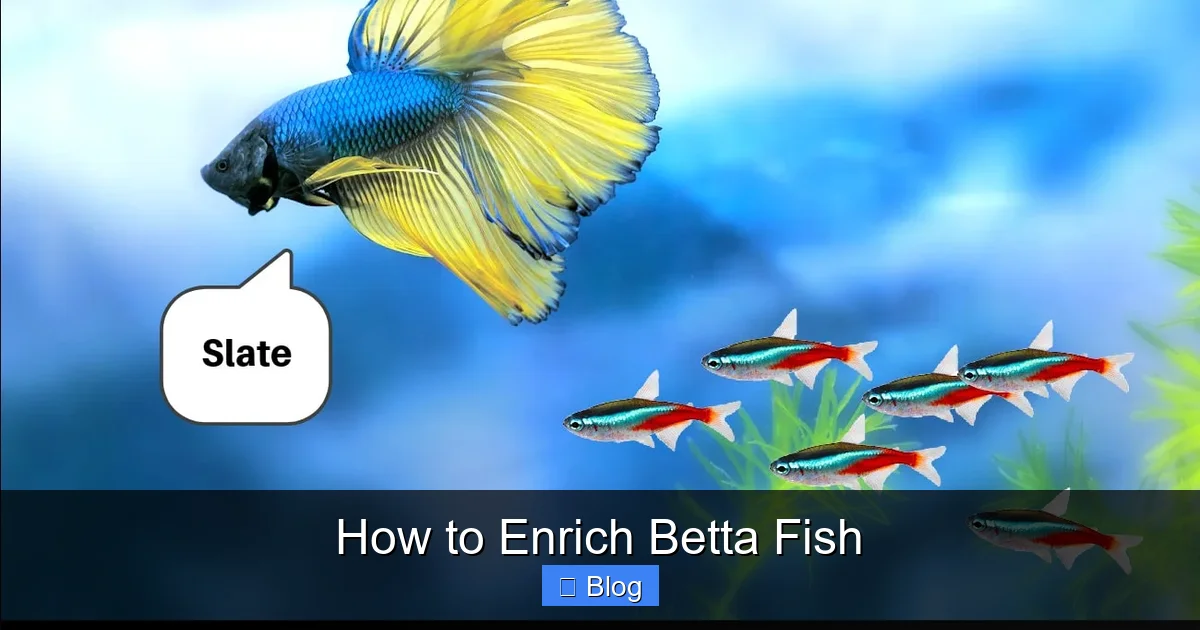
Visual guide about How to Enrich Betta Fish
Image source: buildyouraquarium.com
Mirrors: A Controversial Tool
The classic “betta mirror” is a double-edged sword. Seeing their reflection triggers their natural flaring behavior, which is excellent exercise and mental stimulation for a short period (1-2 minutes). However, prolonged exposure causes chronic stress, as the betta cannot “defeat” the rival. Use a mirror sparingly and intentionally. Hold it for a minute to encourage flaring and exercise, then remove it. Never leave a mirror in the tank permanently.
DIY and Store-Bought Toys
Bettas love to investigate, push, and hide around objects.
- Ping Pong Balls: A clean, floating ping pong ball is a perfect lightweight toy. Betta will bump it, chase it, and rest on it. You can even put a small pebble inside to give it weight.
- Caves and Tubes: Ceramic or PVC pipes (with smooth, sanded edges), small terra cotta pots (on their side, with a hole drilled for entrance/exit), or commercial betta caves provide secure hiding spots. Ensure they are stable and have no sharp edges.
- Floating Logs and Leaves: Specialized floating betta logs or broad, smooth leaves (real or artificial) give them a place to build bubble nests and rest at the surface, a behavior deeply tied to their sense of security.
- Leaf Litter: A few dried, pesticide-free Indian Almond leaves (also called Catappa leaves) not only release beneficial tannins but also create a natural, textured floor that mimics a forest floor, encouraging natural foraging.
Safety First: Always test new decorations in a separate container first. Ensure nothing is too small to be swallowed and that all adhesives or paints are aquarium-safe and fully cured.
Social Enrichment: Decoding Betta Social Needs
Bettas are famously solitary and aggressive towards other bettas, especially males. This doesn’t mean they are anti-social. It means their social enrichment looks different.
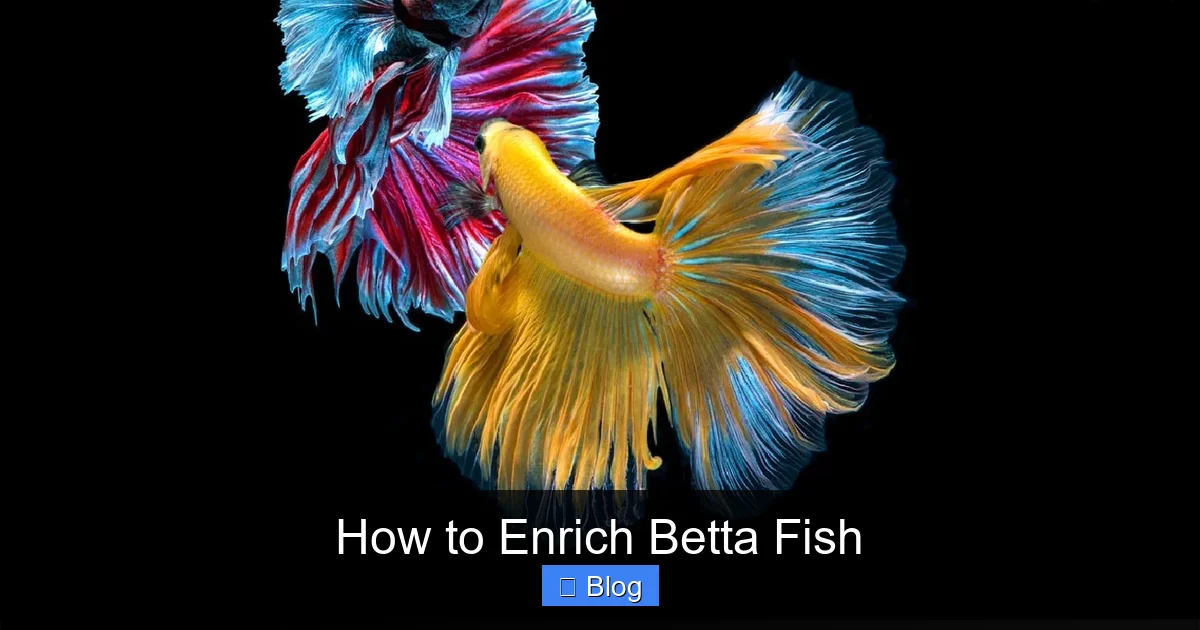
Visual guide about How to Enrich Betta Fish
Image source: buildyouraquarium.com
The Importance of “Bubble Nesting”
A male betta building a bubble nest is one of the most rewarding sights for an owner. This instinctual behavior is a sign of health, happiness, and territorial security. To encourage this, provide a gentle water flow (no strong currents), floating plants or a smooth surface at the waterline, and pristine water conditions. A betta actively building a nest is a mentally engaged and content betta.
Safe Social Viewing: Tankmates and Beyond
While you should never house a male betta with other male bettas, carefully selected tankmates in a properly sized, heavily planted community tank (20+ gallons) can sometimes work. This is advanced and not for beginners. Suitable candidates are peaceful, fast-moving fish that won’t nip fins, like certain rasboras or corydoras catfish. The key is providing so many hiding spots that the betta can establish its own territory without constant confrontation.
For most betta owners, social enrichment is about controlled, positive interaction with you. Spend time near the tank. Talk softly. Gently trace a clean finger on the glass (some bettas will follow). Use a target stick (a chopstick with a colored tip) to train them to touch it for food. This builds trust and provides mental stimulation. Remember, a betta that flares at your finger is not necessarily angry; it’s often a sign of engagement and curiosity in a safe context.
Dietary Enrichment: Turning Mealtime into a Hunt
Feeding a betta is not just about dumping pellets into the tank. In the wild, they are insectivores and ambush predators. Replicating this hunting experience is one of the most powerful forms of enrichment.
Diversify the Diet
High-quality betta pellets should be the staple, but they should not be the only food. Rotate in:
- Live or Frozen Foods: Daphnia, brine shrimp, bloodworms, and microworms are fantastic. They move, requiring the betta to chase and capture them, providing immense mental and physical exercise. Rinse frozen foods before feeding.
- High-Quality Pellets: Choose pellets with whole fish or shrimp as the first ingredient, not fillers like wheat or soy.
Important: Only feed protein-rich foods 2-3 times a week as treats to prevent constipation. Always fast one day a week.
Puzzle Feeders and Training
Make them work for their food!
- Hunting Simulation: Use tweezers to dangle a frozen bloodworm just above the water. Your betta will leap for it. You can also drop a single daphnia and watch the chase.
- DIY Puzzle Feeder: Place a small piece of raw shrimp or a bloodworm inside a clean, open-ended ceramic pot or a silicone ice cube mold with holes. The betta must investigate and figure out how to get the food out.
- Target Training: Use a colored target (a piece of a plastic coffee stirrer or a specific ping pong ball). When the betta touches it with its nose, immediately reward with a tiny piece of food. This builds a clear association and is fantastic cognitive enrichment.
This kind of enrichment mimics the challenge of hunting, reducing boredom and preventing the mindless gulping of floating pellets.
Common Mistakes to Avoid in Betta Enrichment
Even with the best intentions, it’s easy to make errors that can stress your fish instead of stimulating them.
Overcrowding and Incompatible Tankmates
The #1 mistake is trying to house a male betta with other fish in a small tank. In a 5-gallon tank, your betta should be the sole inhabitant. In a larger, well-planted community, research is paramount. Avoid fish with long, flowing fins (they trigger aggression) or fast, nippy fish (like tiger barbs). Fin-nipping is a severe welfare issue.
Using Unsafe Materials
Never use decorations with sharp edges, small openings a betta could get stuck in, or painted/glued items that leach toxins. Avoid metal ornaments (they can corrode). When in doubt, use natural materials (plants, wood, stone) or products specifically labeled for aquarium use.
Neglecting the Basics for “Fun” Additions
A colorful castle is meaningless if the water is toxic. A mirror is useless if the fish is sick. Always prioritize: 1. Water Quality, 2. Proper Heat, 3. Adequate Space, 4. Nutrition. Enrichment is the layer you add on top of this solid foundation.
Forgetting to Observe
Enrichment is not a one-size-fits-all checklist. Does your betta hide constantly from a new decoration? Remove it. Does it seem fascinated by a floating leaf? Add more. Your fish’s behavior is your best guide. The goal is to see curious exploration, not fearful hiding or constant frantic flaring.
Frequently Asked Questions
Can I put a female betta with a male betta for enrichment?
No. Male and female bettas should only be kept together temporarily for breeding under strict, controlled conditions. In a community tank, they will become aggressive and injure each other. For social enrichment, focus on safe community tankmates for females or supervised interaction with you.
How often should I change or rotate my betta’s toys?
Every 2-4 weeks is a good rule of thumb. This prevents habituation, where the fish gets bored with the same objects. When you rotate, clean the items thoroughly with hot water (no soap!) before reintroducing them. Always introduce one new item at a time to monitor your betta’s reaction.
What are signs my betta is bored or stressed?
Signs of boredom include lethargy, hanging listlessly at the top or bottom, glass surfing (repeatedly swimming up and down the glass), and fading colors. Signs of stress from poor enrichment include constant hiding, loss of appetite, clamped fins, and aggressive flaring at everything. A healthy, enriched betta is curious, active, flares selectively, and has vibrant, extended fins.
Is a mirror good for betta fish?
Used correctly, a mirror can be a brief form of exercise. Use it for 1-2 minutes a day to encourage natural flaring and stretching. However, leaving a mirror in the tank 24/7 causes chronic stress because the betta cannot win the “fight.” Never use a mirror with a betta that is already showing signs of stress or lethargy.
Can I use household items as betta toys?
Yes, with extreme caution. A clean, smooth ping pong ball or a thoroughly rinsed, unscented tea bag (for tannins) can be used. Always avoid anything with paint, glue, metal parts, small pieces that can be swallowed, or sharp edges. When in doubt, purchase items designed for aquariums. Safety is the absolute priority.
How do I know if my betta is actually enriched and happy?
A happy, enriched betta will display a range of natural behaviors. Look for: active swimming throughout the tank, curious investigation of new objects, regular bubble nest building (males), vibrant and flared fins when alert, eager eating, and relaxed resting on plants or decorations. They will also recognize you and may swim to the front of the tank when you approach.