How to Clean My Betta Fish Bowl
Cleaning your betta’s bowl correctly is crucial for its health and longevity. It’s not just about changing the water; it’s about maintaining a stable, toxin-free environment. This guide provides a simple, weekly routine using the right supplies and techniques to keep your betta thriving without causing stress. Proper water preparation and gentle handling are the most important steps.
Key Takeaways
- Frequency is Key: A partial water change (25-50%) once or twice a week is ideal; a full clean is only needed 1-2 times a month to preserve beneficial bacteria.
- Never Use Soap: Household cleaners are toxic to fish. Use only dedicated aquarium-safe products or hot water and a designated scrubber for the bowl.
- Water Preparation is Non-Negotiable: Tap water must be treated with a reliable water conditioner to neutralize chlorine and chloramines before it touches your betta.
- Match Temperature & pH: New water must be within 1-2°F (0.5-1°C) of the old water and have a similar pH to prevent thermal shock and pH swing stress.
- Preserve the Good Bacteria: Do not scrub all decorations or the gravel clean. Beneficial bacteria live on surfaces and are essential for a healthy nitrogen cycle.
- Gentle Handling: Use a soft net or cup to transfer your betta. Never pour water directly on them. Acclimate them slowly to the new water in the clean bowl.
- Test Your Water: Use an affordable liquid test kit to monitor ammonia, nitrite, and nitrate levels. This is the only way to truly know if your cleaning routine is working.
📑 Table of Contents
- Why a Clean Bowl Isn’t Just About Appearances
- Gathering Your Arsenal: The Essential Cleaning Supplies
- The Step-by-Step Guide to a Safe, Partial Water Change (Weekly Routine)
- The Occasional Deep Clean: How to Do a Full Bowl Reset (Monthly/Bi-Monthly)
- The Silent Killers: Common Cleaning Mistakes That Stress or Harm Your Betta
- Beyond the Chore: Water Parameters and Testing
- Establishing a Winning Maintenance Schedule
- Conclusion: A Clean Bowl is a Happy, Healthy Home
Why a Clean Bowl Isn’t Just About Appearances
You look at your betta, that magnificent, flowing creature, and think, “My bowl looks a bit cloudy. Time to give it a good scrub.” But wait. The way you clean my betta fish bowl is arguably the single most important factor in your betta’s health, second only to proper feeding. A dirty bowl isn’t just ugly; it’s a toxic soup of fish waste, uneaten food, and decaying plant matter that breaks down into ammonia—a poison that burns your betta’s gills and can kill it quickly.
Conversely, over-cleaning or using the wrong methods can be just as dangerous. You might think you’re being a good owner by sterilizing everything, but you risk destroying the colony of “good bacteria” that naturally processes toxins. These bacteria are your silent partners in fishkeeping. The goal isn’t a sterile laboratory; it’s a balanced, stable ecosystem. This guide will walk you through creating that balance, ensuring your betta lives its full, vibrant life of 3-5 years (or more!) in a clean, safe home.
Gathering Your Arsenal: The Essential Cleaning Supplies
Before you even think about touching the bowl, gather everything you need. Having tools at the ready makes the process quick and minimizes the time your betta is out of its home. Using the wrong tools—like a soapy sponge from your kitchen sink—is a fast track to disaster.
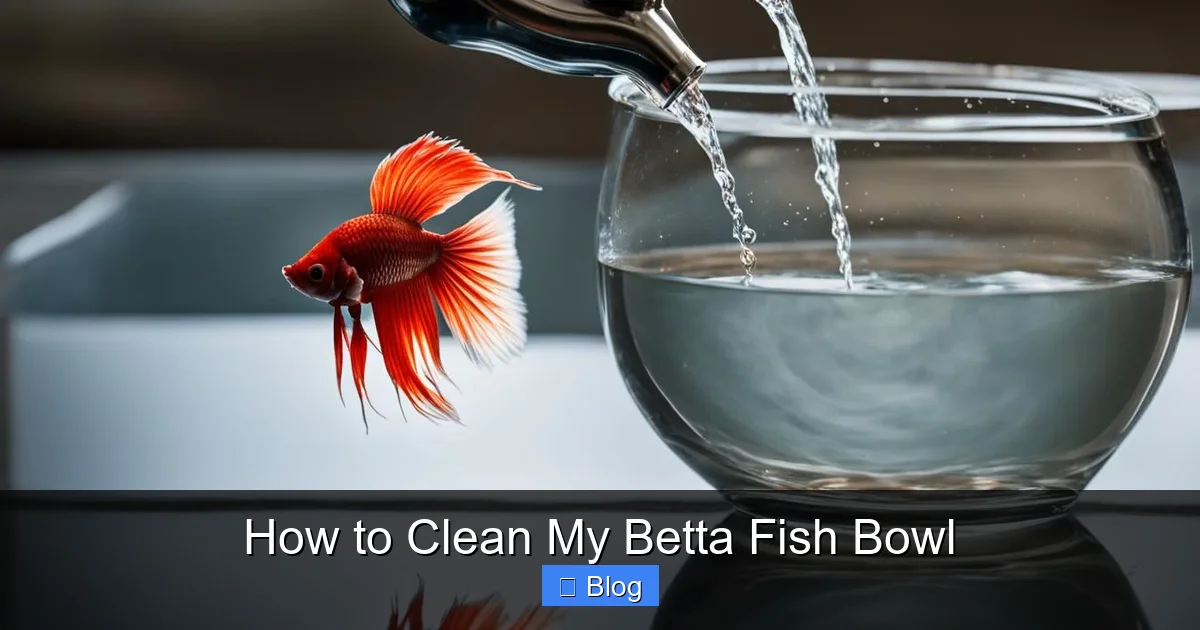
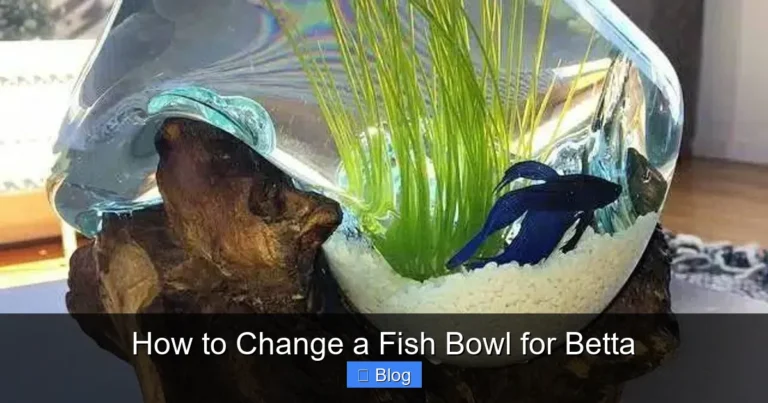
Visual guide about How to Clean My Betta Fish Bowl
Image source: bettafishworld.com
The Must-Have Toolkit
- Two Clean Buckets or Containers (Dedicated): One is for holding your betta during the clean. The other is for the old, dirty water you remove and for rinsing decorations. Never use containers that have held soap or chemicals. Label them “Fish Only.”
- Aquarium-Safe Water Conditioner: This is your #1 most important chemical. It instantly detoxifies chlorine, chloramines, and heavy metals found in tap water. Seachem Prime is a top-tier, highly concentrated option.
- A Gravel Vacuum/Siphon: This tool is a game-changer. It sucks debris from the gravel without removing all the water. You can find simple, inexpensive hand-pump siphons at any pet store.
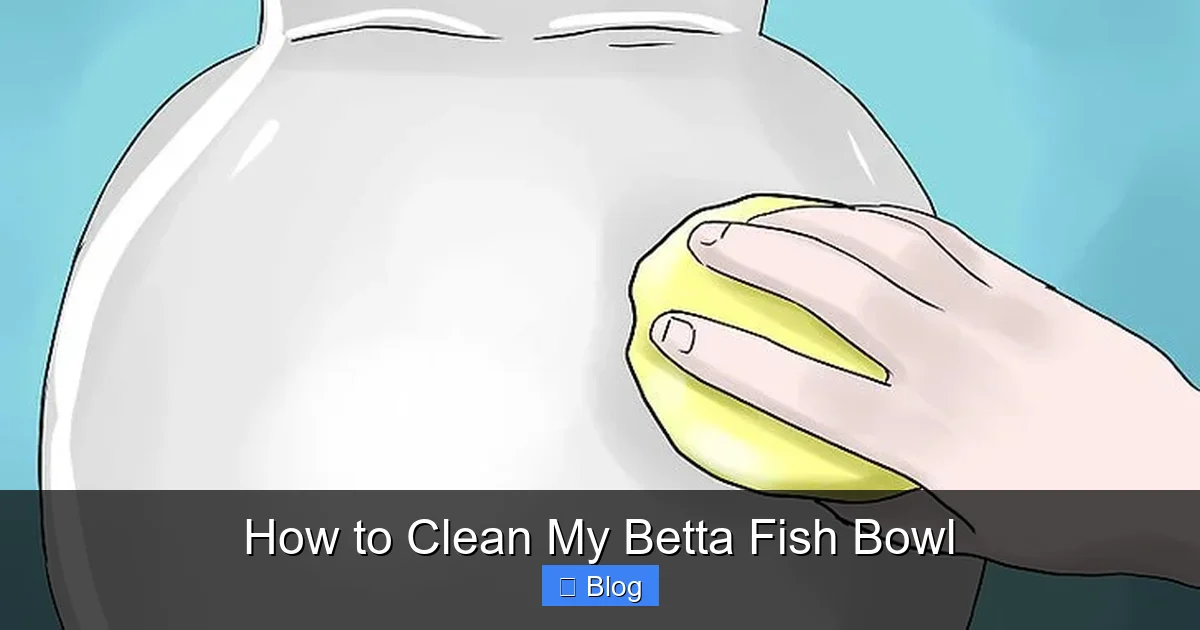
- A Dedicated, Rough-Sided Sponge or Algae Scraper: Get a new, inexpensive kitchen sponge (the yellow and green kind) and mark it clearly. Use it only for the fish tank. The rough side is perfect for scrubbing algae from the glass. For acrylic bowls, use a plastic scraper to avoid scratches.
- A Soft Net or Small, Smooth Cup: For transferring your betta. A small, clean plastic cup can be less stressful than a net if done carefully.
- Paper Towels or a Lint-Free Cloth: For wiping the outside of the bowl and any spills.
- Optional but Helpful: A small, soft toothbrush for cleaning decorations, a bucket with a pour spout for easier water changes, and a liquid water test kit (API Freshwater Master Test Kit is the industry standard).
The Step-by-Step Guide to a Safe, Partial Water Change (Weekly Routine)
This is your bread and butter. A 25-50% partial water change, done weekly, removes waste products before they reach dangerous levels and dilutes any toxins. It’s far better for your betta than a full, monthly clean because it maintains stable water parameters. Here’s exactly how to do it.
Visual guide about How to Clean My Betta Fish Bowl
Image source: bettafishworld.com
Step 1: Prepare Your New Water
This is the most critical step and where most beginners fail. Do not put untreated tap water in the bowl. Fill your clean bucket with the amount of new water you plan to replace (e.g., 2 gallons for a 5-gallon tank, 1 quart for a 1-gallon bowl). Add the water conditioner according to the dosage on the bottle. Stir gently. Now, let this water sit for at least 15-30 minutes. Why? To allow it to come to room temperature, matching your tank’s temperature as closely as possible. A drastic temperature change causes thermal shock, which can be fatal. If your tap is very cold, you may need to let it sit longer or use a small aquarium heater in the bucket (never leave it unattended).
Step 2: Acclimate Your Betta to the Idea (Not the Water)
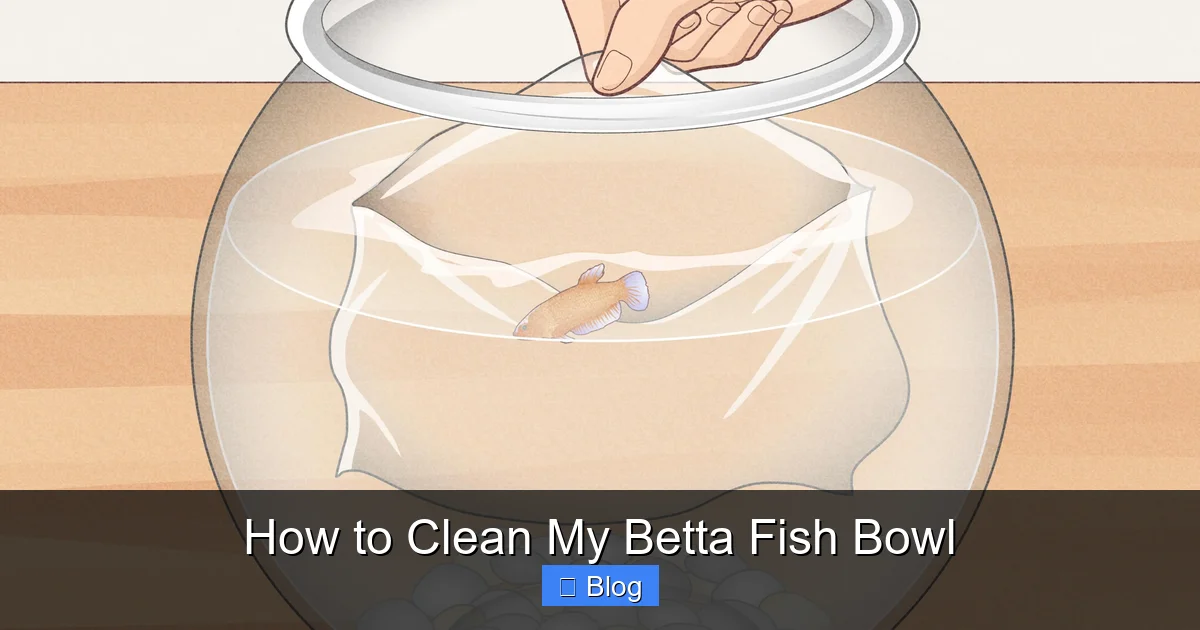
You do not need to float the bag or cup for temperature acclimation during a partial change because the new water is the same temperature. However, you must make the transfer as calm as possible. Turn off any lights or filters that create current. Using your soft net or cup, gently herd your betta into it. Move slowly. Once netted, transfer it immediately to the clean, prepared bucket with the treated water. Cover the bucket with a lid or plate—bettas are notorious jumpers. This bucket is now your betta’s temporary safe room.
Step 3: Clean the Bowl Without Disturbing the Cycle
Now the bowl is empty of your fish (but still full of water and gravel). This is your chance to clean. Do not remove all the water at once. Take your gravel vacuum, submerge it, and squeeze the bulb to start the siphon. Gently move the vacuum through the gravel in a slow, systematic pattern (like mowing a lawn). The debris and waste will be sucked up into the vacuum tube and out into your sink or a separate dirty bucket. Stop when you’ve removed 25-50% of the total water volume. This process cleans the substrate where most waste settles.
While the water is lowering, use your dedicated algae sponge to gently wipe down the inside glass. Start from the top and work down, letting the debris fall to the bottom where the siphon will catch it. If you have decorations (like silk plants or smooth ornaments), swish them around in the old water you just removed to dislodge algae and gunk. Do not use soap. Do not scrub them with a brush unless absolutely necessary. A little biofilm is good.
Step 4: The Grand Reunion
With the bowl clean and the new, conditioned water now at the correct temperature, it’s time for your betta to come home. Slowly pour the new water from your bucket into the clean bowl, trying not to create a torrent. You can pour it over a clean plate or your hand to diffuse the flow. Once the bowl is full to the desired level, gently use your net or cup to transfer your betta back. Do not pour the water from its temporary bucket into the bowl, as it may contain waste. Let your betta settle for a few minutes before turning the filter (if you have one) back on.
The Occasional Deep Clean: How to Do a Full Bowl Reset (Monthly/Bi-Monthly)
A full clean is disruptive and stressful, so it should be rare. You only need this if the gravel is incredibly soiled, algae is out of control, or you’re doing a major aquascape change. The process is similar to the partial change, but with more thorough cleaning.
Visual guide about How to Clean My Betta Fish Bowl
Image source: wikihow.com
What to Do Differently (And What NOT to Do)
First, follow Steps 1 and 2 above to prepare new water and acclimate your betta to a clean bucket. Then, you will completely empty the bowl. Here is the crucial part: you must preserve your filter media and some of the old water. If you have a sponge filter or any media inside a filter, squeeze it out in a bucket of the old tank water (not tap water!) to clean out the solid waste. Do not let it dry out and do not use tap water to rinse it, as this kills the beneficial bacteria. Place it immediately into the new, conditioned water in the clean bowl.
Now, with the bowl empty, you can give the glass a thorough scrub with your algae pad. Rinse all decorations in the old tank water. For stubborn algae on decorations, you can use a soft toothbrush. If you have live plants, you can rinse their roots gently in the old water. Never, under any circumstances, use soap, vinegar, bleach, or any household cleaner. A 10% bleach solution is sometimes used for disinfecting between fish, but it must be rinsed obsessively and aired out for 24 hours. For a single betta bowl, it’s overkill and risky. Hot water and elbow grease are safest.
Finally, refill the bowl with your prepared new water. If you saved a cup or two of the old tank water (which you should), you can pour it in to help seed the new environment with bacteria. Re-acclimate your betta as you would after a partial change, but perhaps a little more slowly if the water parameters are slightly different. Monitor it closely for the next 24 hours.
The Silent Killers: Common Cleaning Mistakes That Stress or Harm Your Betta
Even with the best intentions, it’s easy to make errors that compromise your betta’s health. Understanding these pitfalls is as important as knowing the correct steps.
Overcleaning and Sterilizing
This is the #1 mistake. Scrubbing every surface until it’s sparkling white and using soap removes the biofilm where beneficial bacteria live. Without these bacteria, ammonia from your betta’s waste has nothing to break it down. It builds up rapidly, leading to “New Tank Syndrome” even in an old tank. Your goal is to remove *excess* waste, not all biological material.
Ignoring Water Temperature & pH Shock
Pouring cold tap water into a warm bowl is a form of torture for a tropical fish. The shock can suppress its immune system, making it susceptible to disease like Ich or Fin Rot. Always pre-mix and temperature-match your new water. Similarly, if your tap water has a very different pH than your tank water (a difference of more than 0.5), a large change can be a severe shock. Use a pH test kit to know your baseline. If your tap pH is very high or low, you may need to use a pH adjuster, but stability is more important than a perfect number. A stable pH of 7.8 is better than a fluctuating pH trying to hit 7.0.
Using the Wrong Tools (Soap, Dirty Buckets)
A single drop of dish soap in a gallon of water can be lethal. It destroys fish gills. Designate specific buckets and scrubbers for fish use only. Keep them separate from your household cleaning supplies. If you’re ever in doubt, rinse everything with a strong stream of hot water and let it air dry completely before the next use.
Forgetting the Filter
If you have a filter (highly recommended even for bowls), it needs maintenance too. Once a month, unplug it and rinse the media (sponge, cartridge) in the old tank water you just removed. Never under any circumstances run filter media under the tap. You’ll kill the bacteria colony and crash your cycle. Only replace filter media when it’s literally falling apart, and do it in stages (e.g., replace half at a time, a month apart).
Beyond the Chore: Water Parameters and Testing
Cleaning is a reactive process. Testing is proactive. You are guessing if you don’t test. An affordable liquid test kit is the best investment you can make for your betta after the tank itself. It tells you what you *can’t* see.
Understanding the Nitrogen Cycle in a Bowl
Your betta’s waste produces ammonia (NH3/NH4+). Beneficial bacteria (Nitrosomonas) convert ammonia to nitrite (NO2-), which is also toxic. A second type of bacteria (Nitrospira) then converts nitrite to nitrate (NO3-), which is much less toxic but still needs to be removed via water changes. This is the cycle. In a small bowl, this cycle is fragile and can collapse easily. Testing for Ammonia, Nitrite, and Nitrate is essential.
When to Test and What Levels Are Safe
Test your water:
- Before starting a water change, to see how high toxins are.
- 24 hours after a water change, to ensure the cycle is processing waste.
- Any time your betta acts lethargic, gasps at the surface, has clamped fins, or shows signs of illness.
Ideal Target Levels (for a cycled tank):
- Ammonia: 0 ppm
- Nitrite: 0 ppm
- Nitrate: < 20 ppm (ideally < 10 ppm).
If you see any ammonia or nitrite, your cycle is broken or overwhelmed. Do a 25% water change immediately and test daily until they read 0. You may need to change more frequently until the bacterial colony catches up. High nitrate (>40 ppm) means you need to increase the frequency or volume of your water changes.
Establishing a Winning Maintenance Schedule
Consistency is the hallmark of a successful betta keeper. A predictable routine keeps water quality stable and your fish stress-free. Here’s a sample schedule for a 2.5-5 gallon bowl/tank with a filter. Adjust percentages down for a 1-gallon unfiltered bowl, but clean it more frequently (e.g., 30% every other day).
Weekly Tasks (The Non-Negotiables)
- Test Water: Test for ammonia, nitrite, and nitrate.
- Partial Water Change: Change 25-50% of the water using the siphon/vacuum method on the gravel.
- Clean Glass: Wipe the inside glass with the algae sponge during the water change.
- Check Filter: Ensure it’s flowing properly. If it’s a sponge filter, gently squeeze it in old tank water if it looks clogged.
- Inspect Your Betta: Look for any changes in color, fin condition, behavior, or appetite. This is your earliest illness warning system.
Bi-Weekly to Monthly Tasks
- Deep Clean Decorations: Remove silk plants/ornaments and rinse/scrub them in old tank water if they look slimy.
- Prune Live Plants: Trim any dead or decaying leaves from live plants.
- Full Gravel Vacuum: During one of your weekly changes, really take your time and vacuum the entire gravel bed thoroughly.
- Filter Media Rinse: As mentioned, rinse filter media in old tank water once a month.
Remember: Your betta’s waste load depends on its size and how much you feed. A good rule: if you can see waste or uneaten food on the bottom after 15 minutes, you are overfeeding. Feed only what your betta can consume in 2-3 minutes, once or twice a day.
Conclusion: A Clean Bowl is a Happy, Healthy Home
Learning how to clean my betta fish bowl properly transforms it from a simple chore into a ritual of care. It’s about understanding the delicate balance of the underwater world you’ve created. By using the right supplies—a reliable conditioner, a gravel vacuum, and dedicated tools—you remove the physical toxins. By matching water temperature and preserving beneficial bacteria, you protect the biological balance. By testing your water regularly, you gain the knowledge to prevent problems before they start.
Your betta relies entirely on you. There’s no “natural” cycle in a glass bowl to save it. That shimmering, curious fish is looking at you, its guardian. With this structured, gentle approach to cleaning, you’re not just maintaining a glass container; you’re sustaining a life. You’re ensuring that the brilliant reds and flowing fins you admire today will be there, vibrant and healthy, for many years to come. Now, go gather your buckets and conditioner—your betta is counting on you.
Frequently Asked Questions
Can I use bottled spring water instead of tap water for my betta?
You can, but it’s not ideal. Spring water lacks essential minerals and has an unpredictable pH. It’s also expensive and inconsistent. Tap water treated with a quality conditioner is more reliable and cost-effective. If you use spring water, you must still use a conditioner and test its parameters against your tank water.
My betta is stressed after a water change. What did I do wrong?
>The most common causes are temperature shock (new water too cold/hot), pH shock (new water too different), or rapid water movement during the change. Always pre-mix conditioner, let new water sit to temperature-match, and pour new water slowly over a plate or your hand to diffuse the flow.
Do betta fish need a filter? Can I have a clean bowl without one?
While bettas can survive in unfiltered bowls, a small, gentle filter (like a sponge filter) is highly recommended. It provides crucial biological filtration (housing good bacteria) and water movement, which improves oxygen levels and mimics a natural environment. A filtered tank is much more stable and requires less frequent, drastic water changes.
How often should I completely empty and scrub the entire bowl?
Only 1-2 times per year, at most. A full clean destroys the beneficial bacteria colony and causes massive stress. Rely on weekly 25-50% partial water changes with gravel vacuuming to keep the bowl clean. Only do a full reset if there is a major algae outbreak, illness outbreak (requiring medication), or you are rehoming the fish.
Why is my water still cloudy after cleaning?
Cloudiness after a clean is usually a “bacterial bloom.” It’s caused by a sudden surge in the population of free-floating bacteria as they try to colonize the new surfaces. It’s harmless and will clear on its own within 24-72 hours as the system stabilizes. Do not add more chemicals or do another water change; just wait and ensure you have a filter running.
Is it okay to use vinegar to clean the algae in my betta bowl?
No. Vinegar is acidic and can leave a residue that is toxic to fish. Even after rinsing, traces can remain. It is not safe for an environment your fish lives in. Stick to hot water and a dedicated algae pad. For stubborn mineral deposits (not algae), you can use a 1:1 vinegar solution on the outside of the glass only, rinsed extremely thoroughly, but never inside the tank.