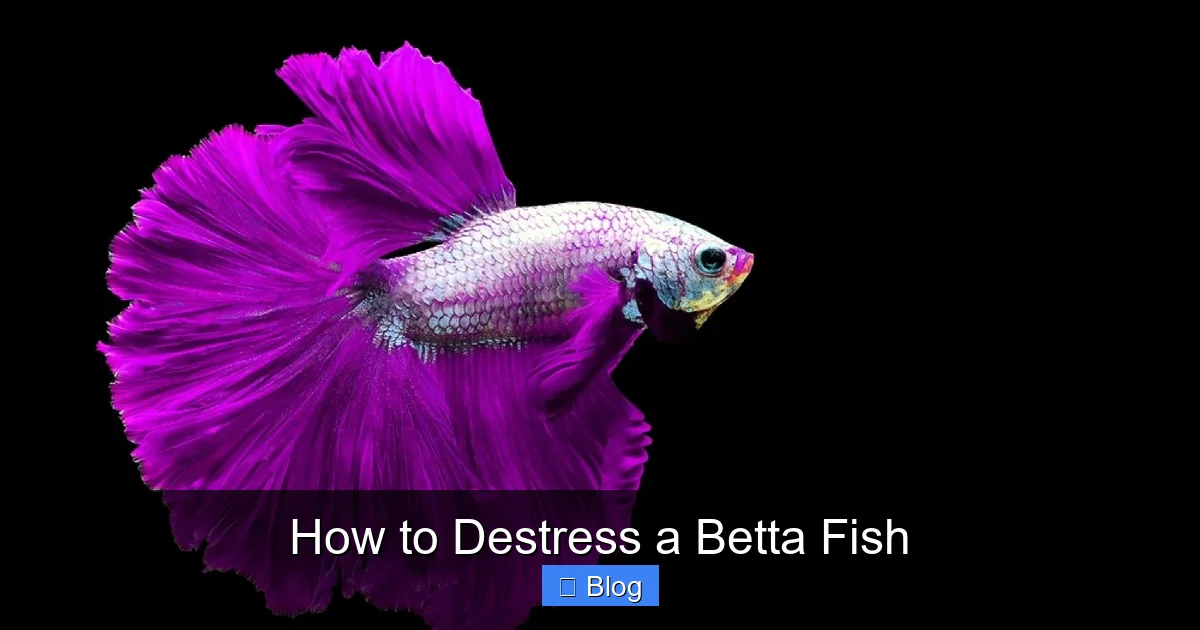
How to Destress a Betta Fish
Destressing a betta fish starts with understanding its sensitive nature and providing a stable, enriching environment. Key actions include maintaining pristine water quality with a proper filter, providing a suitably sized heated tank (minimum 5 gallons), and adding secure hiding spots like plants and caves. Minimize sudden changes, loud noises, and aggressive tank mates, while feeding a high-quality varied diet. By observing your betta’s behavior closely and making consistent, gentle adjustments, you can significantly reduce its stress and promote a long, vibrant life.
You brought home a betta fish, that stunning, flowing jewel with a personality all its own. Maybe it’s flaring beautifully at you one moment, then suddenly hiding, its colors dull, fins clamped tight. Your heart sinks. What changed? The truth is, betta fish, despite their hardy reputation, are incredibly sensitive creatures. Their well-being hinges on an environment that speaks to their wild instincts. Learning how to destress a betta fish isn’t about one magic trick; it’s about becoming a mindful architect of calm. This guide will walk you through every step, from decoding your fish’s whispers of anxiety to building a serene underwater sanctuary where your betta can truly thrive.
Key Takeaways
- Water Quality is Non-Negotiable: Stable, clean water with proper parameters (temperature, pH, ammonia/nitrite at 0) is the single most critical factor in preventing betta stress.
- Tank Size & Setup Matter: A 5+ gallon filtered and heated tank is essential. Provide visual barriers, soft plants, and caves to create a secure, territory-rich environment.
- Gentle Handling is Key: Avoid tapping the glass, sudden movements, and using mirrors as “entertainment.” Move slowly and speak softly near the tank.
- Diet Influences Mood: Feed high-quality pellets/frozen foods in small portions (2-3x daily) to prevent constipation and bloating, which cause physical stress.
- Recognize the Signs: Learn to identify stress signals like faded colors, clamped fins, lethargy, glass surfing, and loss of appetite early to intervene.
- Consistency Creates Calm: Maintain a predictable routine for lighting, feeding, and tank maintenance to avoid startling your sensitive betta.
- Health & Stress are Linked: Chronic stress weakens the immune system, making your betta susceptible to diseases like fin rot and ich; destressing is preventative healthcare.
📑 Table of Contents
- Understanding Betta Fish Stress: Decoding the Signals
- The Foundation: Water Quality & The Nitrogen Cycle
- Crafting the Perfect Betta Habitat: More Than Just a Bowl
- The Social Betta: Tank Mates, Reflections, and Human Interaction
- Nutrition as a Destressing Tool: The Right Food, The Right Way
- Health Check: When Stress is a Symptom of Illness
- Conclusion: Your Betta’s Path to Peace
Understanding Betta Fish Stress: Decoding the Signals
Before you can fix a problem, you must see it. Betta fish are expressive, but their language is subtle. Stress in bettas manifests physically and behaviorally, and catching it early is crucial. Chronic stress suppresses their immune system, opening the door to a host of illnesses. Think of stress as a slow leak in your fish’s health bucket; the goal is to plug that leak before the bucket empties.
The Visible Signs: What a Stressed Betta Looks Like
Your betta’s appearance is its first line of communication. A healthy betta is a vibrant, confident creature. When stressed, its beauty fades. Look for:
- Color Fading or Darkening: Bright reds, blues, and greens may become muted or, in some cases, the fish might darken significantly, almost appearing black. This is often the first red flag.
- Clamped Fins: Instead of flowing gracefully, the fins are held tightly against the body, like a torn sail. This is a classic sign of discomfort or illness.
- Lethargy and Hiding: While bettas rest on plants, prolonged periods of motionlessness at the bottom, especially in a corner or behind a filter, indicates something is wrong.
- Loss of Appetite: A betta that ignores its favorite food or spits it out is likely feeling unwell or stressed.
- Rapid or Labored Breathing: Gills moving very quickly, or the fish darting to the surface frequently to gulp air (beyond normal labyrinth organ use), can signal poor water quality or oxygen stress.
The Behavioral Signs: Actions That Speak Louder
Behavior is a huge tell. Is your normally curious betta suddenly frantic or, conversely, completely catatonic?
- Glass Surfing/Repetitive Swimming: Pacing relentlessly along the same glass panel is a classic sign of boredom, a too-small tank, or poor water parameters. It’s a stereotypic behavior born of frustration.
- Excessive Flaring: While flaring is natural, constant flaring at its own reflection, decorations, or you indicates high anxiety and territorial threat perception.
- Hiding 24/7: Occasional shyness is normal, but if your betta never comes out, even for food, the environment is failing to make it feel secure.
- Frantically Darting: Sudden, panicked swimming and crashing into decorations suggests a startle response or an acute stressor like a loud noise or sudden light change.
Understanding these signals is your first and most important tool. Your job is to become a betta stress detective, observing quietly and noting changes.
The Foundation: Water Quality & The Nitrogen Cycle
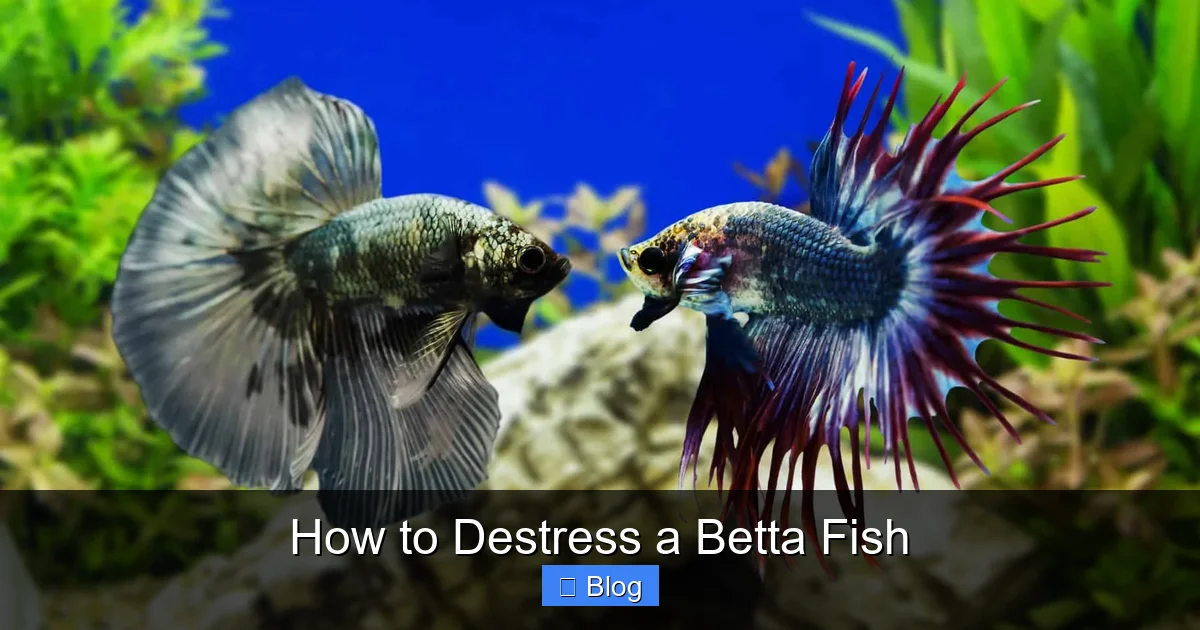
If you want to know how to destress a betta fish, start here. In the wild, bettas live in slow-moving, warm, plant-choked waters. Their system is adapted to stable conditions. In your tank, the invisible enemy is toxic waste. Fish excrete ammonia directly from their gills. Uneaten food and decaying plant matter decompose into more ammonia. This ammonia is lethally toxic. The solution is the nitrogen cycle—a biological process where beneficial bacteria convert ammonia to nitrite (also toxic) and then to nitrate (less toxic, but still needs management). A cycled tank with a proper filter is not optional; it’s the bedrock of your betta’s mental and physical health.
Visual guide about How to Destress a Betta Fish
Image source: bettasource.com
Essential Water Parameters for a Calm Betta
Your betta isn’t just tolerating water; it’s living in it. Its entire physiology is dictated by these numbers. Invest in a liquid-based water test kit (like the API Freshwater Master Test Kit); strips are notoriously inaccurate.
- Temperature: 78-80°F (25.5-26.5°C). This is critical. Bettas are tropical fish. Cold water slows their metabolism, leading to lethargy and a weakened immune system. Use a reliable, fully-submersible aquarium heater and a separate thermometer to verify. Avoid heaters in very small bowls—they create dangerous hot spots.
- pH: 7.0-7.5 is ideal. While bettas can tolerate slightly higher, stability is more important than a perfect number. Drastic pH swings are profoundly stressful.
- Ammonia (NH3/NH4+): 0 ppm. Any detectable ammonia is a crisis. It burns gills and skin.
- Nitrite (NO2-): 0 ppm. Also highly toxic, it prevents blood from carrying oxygen.
- Nitrate (NO3-): <20 ppm is the goal. Keep it as low as possible through regular water changes. Levels above 40-50 ppm cause chronic stress.
Performing Stress-Free Water Changes
The process of changing water can itself be a major stressor if done incorrectly. Your goal is to mimic a gentle rain, not a flash flood.
- Frequency & Volume: For a properly cycled 5+ gallon tank, change 25-30% of the water weekly. Never change 100%. This preserves the beneficial bacteria.
- Dechlorinator is Mandatory: Tap water contains chlorine and chloramines, which are deadly. Always treat new water with a quality dechlorinator (like Seachem Prime) that also detoxifies ammonia and nitrite for 24 hours.
- Match Temperature & pH: The new water should be within 1-2 degrees of the tank temperature. A drastic temperature drop is a huge shock. If your tap pH is very different, you may need to treat the water in a separate container to stabilize it before adding.
- Gently, Gently: Use a siphon or a cup to remove old water. Do not pour new water directly onto your betta. Instead, pour it slowly against the glass or into a decoration to diffuse the flow. A pre-dripping method (using airline tubing) is even better for the most sensitive fish.
Crafting the Perfect Betta Habitat: More Than Just a Bowl
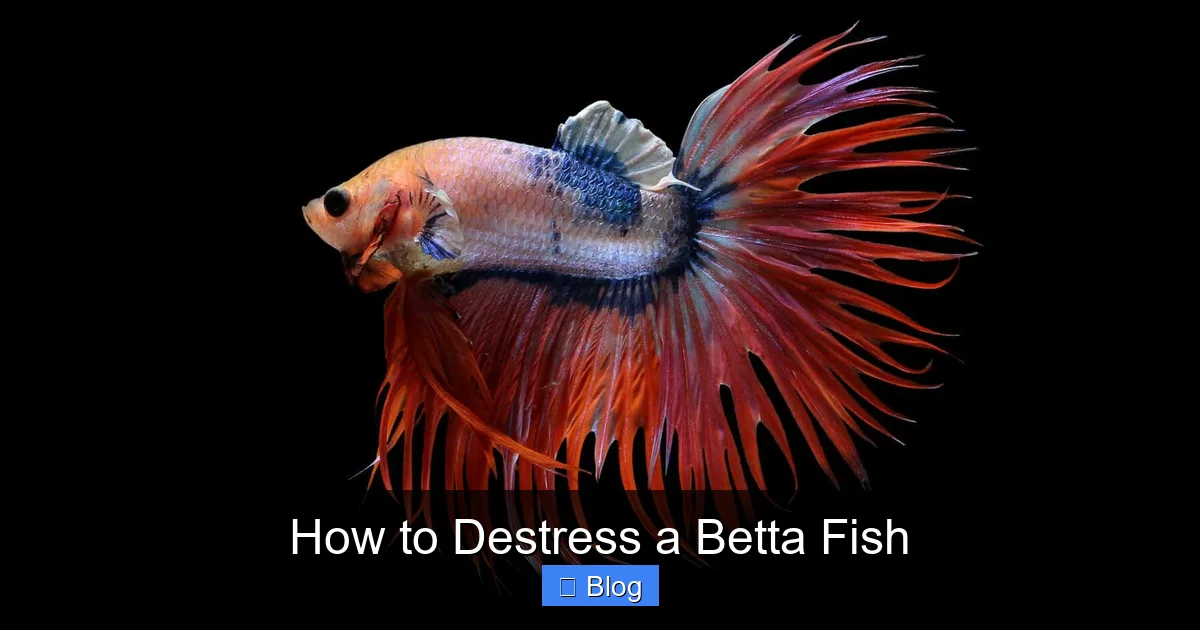
The iconic betta in a tiny vase on a desk is a myth that causes immense suffering. Bettas are intelligent, curious fish that need space to explore and claim territory. A cramped, bare environment is a direct path to stress and boredom. Creating a habitat that caters to their natural instincts is a powerful destressing tool.
Visual guide about How to Destress a Betta Fish
Image source: bettasource.com
Tank Size: The 5-Gallon Rule (And Why It’s the Absolute Minimum)
Let’s be clear: a 1-gallon bowl is not a suitable home. It’s a prison. Water quality in such a small volume fluctuates wildly with every feeding. There is no room for error. A 5-gallon (19-liter) tank is the widely accepted, humane minimum. This volume provides:
- Stable Water Conditions: Parameters change slowly, giving your filter and bacteria time to cope.
- Swimming Space: Bettas are active swimmers when healthy. They need horizontal space to patrol and explore.
- Room for Enrichment: You can create a complex landscape with plants, caves, and varied heights.
- Better Heat Distribution: Heaters work more efficiently and evenly in a larger water volume.
If you have the space and means, a 10-gallon is even better and allows for compatible tank mates (like certain snails or shrimp), which can provide gentle environmental enrichment.
Aquascaping for Security: Plants, Caves, and Visual Barriers
In the wild, bettas hide under lily pads and among dense reeds. They are prey animals as much as they are predators. A tank with no cover is an open field where they feel exposed and vulnerable 24/7. Your decor must provide security.
- Live Plants are Gold Standard: Plants like Anubias, Java Fern, Amazon Swords, and Cryptocorynes are excellent. Their leaves are broad for resting (bettas are labrynth fish and often sleep at the surface or on leaves). They also help absorb nitrates and improve water quality. Floating plants (like Frogbit or Salvinia) are fantastic for creating a dappled light canopy that mimics their natural habitat and reduces stress from overhead activity.
- Soft, Silk Plants are a Good Substitute: If you’re not ready for live plants, choose high-quality silk plants with soft leaves. Avoid plastic plants with sharp edges—they can tear delicate betta fins, causing physical injury and stress.
- Provide Caves and Hiding Spots: Use ceramic or plastic caves (ensure no sharp edges), coconut shells, or PVC pipe segments. Place them in different areas of the tank. A betta should always have a retreat it can dash to when startled.
- Use Backgrounds and Side Panels: A plain black or nature background on the back and sides of the tank blocks confusing reflections and movement from outside, making the betta feel more secure in its domain.
Lighting: Soothing, Not Spotlighting
Bettas don’t like being on a stage. Bright, constant overhead lighting is stressful. It eliminates all sense of cover and can make them feel exposed.
- Use a Day/Night Cycle: Provide 8-10 hours of light per day using a timer. Consistency is key. Never leave the light on 24/7.
- Dim the Lights: If your tank light is very bright, consider using a dimmer, a mesh cover to diffuse it, or relying more on ambient room light. The goal is to see your betta and the tank clearly, not to illuminate it like an operating room.
- Leverage Floating Plants: As mentioned, they naturally create shade and shadow, which bettas find calming.
- Provide a Dark Period: Ensure there is a period of complete darkness at night. Fish need this rest period just as we do.
The Social Betta: Tank Mates, Reflections, and Human Interaction
Bettas have a reputation for aggression, but their social needs are complex. Mismanaging interactions—with their own reflection, other fish, or you—is a primary source of stress.
Visual guide about How to Destress a Betta Fish
Image source: infoanimales.net
The Mirror Trap: Why Your Betta’s Reflection is a Nightmare
That gorgeous flare display you see? It’s your betta attacking an intruder it sees in the glass: itself. This is not play. It’s a constant, frustrating territorial battle that the betta can never win. This induces extreme, chronic stress and can lead to exhaustion and injury.
- Eliminate Reflections: Use an aquarium background on the outside back and sides. For the front glass, you can use a temporary static-cling film or carefully tape paper to the outside during the day. Ensure the room lighting is such that the inside of the tank is brighter than the room, which reduces reflection.
- Never Use Mirrors as “Entertainment”: Some outdated advice suggests using a mirror for a few minutes a day to “exercise” the betta. This is harmful. It triggers a full-blown stress response with elevated heart rate and aggression hormones.
Can Bettas Have Friends? The Risky Business of Tank Mates
The short answer: it’s possible, but with extreme caution and only in a properly sized, heavily planted tank. A stressed betta in a community tank is a recipe for disaster—for the betta and its neighbors.
- Never House Two Male Bettas Together: They will fight to the death. This is non-negotiable.
- Female Sororities are Advanced: Even groups of females require a very large, heavily planted tank (20+ gallons) and expert monitoring. Not for beginners.
- Potential Tank Mate Criteria: If you attempt it in a 10+ gallon tank, look for species that are: 1) Not brightly colored (triggers aggression), 2) Not long-finned (triggers aggression), 3) Not fast, boisterous swimmers (stresses the betta), 4) Peaceful and occupy different tank levels. Examples: certain small, schooling rasboras (like harlequin rasboras), some types of Kuhli loaches, or nerite snails.
- Quarantine All New Arrivals: Any new fish must be quarantined in a separate tank for at least 4 weeks to prevent introducing disease that will devastate your stressed betta.
- Have an Emergency Plan: Be prepared to immediately remove the betta or the other fish if aggression or extreme stress is observed. A divider in the tank is a safe compromise.
Gentle Human Interaction: From Scary to Safe
You are a giant, noisy predator from your betta’s perspective. How you behave around its home dictates its stress level.
- Move Slowly and Predictably: Quick hand movements near the glass are terrifying. Move deliberately. If you need to do tank work, move slowly and give the betta time to adjust to your presence.
- Never Tap the Glass: This is like someone pounding on your house. It causes immediate panic and can shock the fish, damaging its internal organs.
- Use a Target for Feeding: Get a suction cup feeding ring or clip. This teaches your betta to associate a specific, calm spot with food, reducing the frantic “where’s the food?!” swimming when you approach.
- Target Training is Enrichment: You can teach your betta to follow a target (like a plastic straw or your finger) for food. This provides mental stimulation, builds a positive association with you, and is a low-stress form of interaction.
Nutrition as a Destressing Tool: The Right Food, The Right Way
You are what you eat, and that goes for fish too. A poor diet causes constipation, swim bladder issues, and nutritional deficiencies—all of which are physically stressful and can be mistaken for behavioral stress.
Choosing High-Quality Food
Ditch the generic flake food. Bettas are carnivores (insectivores in the wild). Their diet should be protein-rich.
- Pellets: Use a high-quality betta-specific pellet (like Hikari Betta Bio-Gold or New Life Spectrum Betta). They are formulated for proper nutrition.
- Frozen & Live Foods: These are excellent for variety and conditioning. Excellent options include daphnia (great for digestion), brine shrimp, and bloodworms. Always thaw frozen foods before feeding.
- Avoid Overfeeding: This is the #1 cause of digestive issues and water quality problems. A betta’s stomach is roughly the size of its eye. Feed 2-3 pellets, or a small pinch of frozen food, once or twice a day. Skip a day once a week to give its digestive system a rest.
- Soak Pellets: Dry pellets can expand in the betta’s stomach, causing constipation. Soak them in a bit of tank water for a minute before feeding to prevent this.
Feeding as a Calm Ritual
How you feed matters. Use a feeding ring or drop food directly in front of your betta. This focuses its energy and reduces frantic searching. If your betta is stressed and not eating, try:
- Dropping a single, soaked pellet right in front of its face.
- Using a turkey baster to gently place a thawed frozen food near it.
- Fasting for 24-48 hours (if water quality is good) to stimulate appetite, then offering a tempting treat like daphnia.
A well-fed, non-constipated betta is a more active, colorful, and less stressed betta.
Health Check: When Stress is a Symptom of Illness
Sometimes, what looks like stress is actually the early stage of disease. The behaviors are the same—lethargy, hiding, clamped fins. Your job is to rule out illness.
The Stress-Immune System Cycle
This is a vicious cycle: Stress weakens the immune system → Pathogens (bacteria, parasites) take hold → Fish becomes sicker and more stressed → Immune system weakens further. You must break the cycle.
- Observe for Physical Symptoms: Look for white spots (ich), cotton-like growths (fungus), red streaks or sores (fin rot), raised scales (dropsy), or abnormal swimming (swim bladder disorder).
- Check Water First: 90% of “sick” bettas are simply suffering from poor water. Test your water immediately. Perform a 25% water change with perfectly matched water. Often, this simple act resolves the issue.
- Quarantine Sick Fish: If you suspect a communicable disease, move the betta to a bare, heated hospital tank with pristine water for treatment. This prevents spreading and allows for easier medication.
- Common Stress-Induced Illnesses: Fin rot (often starts with torn, ragged fins from stress), ich (white spot disease), and velvet (golden dust-like parasite) all take hold more easily in stressed fish.
When to Use Medication (and When Not To)
Never medicate a fish based on guesswork. Stress and poor water can mimic every disease.
- Rule Out Water Issues First: Always test and perform a major water change before considering medication.
- Diagnose Accurately: Use online resources with clear photos to identify symptoms. When in doubt, seek help from a specialized aquarium forum or vet.
- Use a Hospital Tank: Medicate in a separate, bare tank. Some medications (like copper-based ones) are toxic to invertebrates and can harm biological filtration in your main tank.
- Follow Dosing Precisely: More is not better. Overmedicating is a severe stressor and can kill your fish.
Conclusion: Your Betta’s Path to Peace
Destressing a betta fish is not a one-time project; it’s a commitment to understanding and meeting the needs of a surprisingly complex and sensitive animal. It’s about shifting your perspective from seeing a “low-maintenance pet” to caring for a living being whose well-being is a direct reflection of its environment. The steps are interconnected: clean water in a spacious, planted tank with a stable temperature provides the physical foundation. Thoughtful aquascaping and the elimination of reflections provide the psychological security. A proper diet and gentle, predictable interaction build trust. Vigilant observation allows you to catch problems early.
Start with an audit. Look at your tank honestly through the lens of this guide. Is the water clean and warm? Is there enough space and hiding places? Is your betta’s reflection haunting it? Make one change at a time. Add a plant. Adjust the heater. Install a background. Observe the response. The reward is watching that once-clamped, faded fish unfurl its magnificent fins, swim with curiosity, and greet you with a vibrant, healthy presence. That transformation, from a stressed shadow to a confident jewel, is the ultimate goal of every dedicated betta keeper. You have the power to provide that peace. Begin today.
Frequently Asked Questions
How do I know if my betta fish is stressed?
Look for faded or darkened colors, clamped fins, lethargy (sitting at the bottom), loss of appetite, frantic pacing (glass surfing), excessive hiding, and rapid breathing. These are the primary behavioral and physical indicators of stress in betta fish.
How often should I do water changes to reduce stress?
For a properly cycled 5+ gallon tank with a filter, perform a 25-30% water change weekly. Use a dechlorinator and ensure the new water temperature matches the tank. This dilutes toxins like nitrate and maintains stable water parameters, which is the most important factor in preventing stress.
Can I put a betta fish with other fish to reduce its loneliness?
It’s risky and only possible in a large, heavily planted tank (10+ gallons). Never house two males together. Choose peaceful, non-colorful, non-long-finned tank mates that occupy different tank levels. Always have a backup plan and be prepared to separate them if aggression or stress occurs. Often, a well-enriched single-species tank is less stressful for a betta.
Is bright lighting bad for betta fish?
Yes, constant bright lighting is stressful. Bettas prefer subdued lighting that mimics the dappled shade of their natural habitat. Use a timer for 8-10 hours of light per day, consider using floating plants to create shade, and ensure there is a period of complete darkness at night for proper rest.
How should I interact with my betta without causing stress?
Move slowly and avoid tapping the glass. Use a feeding ring to create a calm, predictable feeding routine. You can engage in gentle target training (using a straw or your finger) for mental enrichment. Never use a mirror, as seeing its reflection causes intense, chronic territorial stress.
My betta is stressed and not eating. What should I do?
First, immediately test your water for ammonia, nitrite, and nitrate. Perform a 25% water change with properly treated, temperature-matched water. Ensure the tank is heated to 78-80°F. Try offering a tempting, high-quality frozen food like daphnia. If it continues not to eat for more than 3 days, or shows other signs of illness, consider a fast for 24-48 hours and then reassess, or consult an aquatic veterinarian.