How to Cycle Betta Fish Tank
Cycling your betta fish tank is the non-negotiable first step to ensure your fish lives a long, healthy life. It establishes a colony of beneficial bacteria that detoxify deadly fish waste. This process takes 4-6 weeks and cannot be rushed without risking your betta’s health. Proper cycling prevents “new tank syndrome,” which is a leading cause of death for bettas and other fish.
So you’ve picked out a beautiful betta fish, maybe even a gorgeous half-moon or a vibrant veil tail. You’ve got the perfect little tank, some decorations, and maybe a cool plant or two. You’re excited to bring your new friend home and watch him flare at his reflection. But before you even think about pouring that bag of water into the tank, there is one absolutely critical, non-negotiable step you must complete: cycling the betta fish tank.
I know, I know. It sounds like boring, scientific stuff. It’s tempting to just fill the tank, add water conditioner, and plop your betta in. But doing that is like moving a person into a brand new house with no plumbing or waste management system. Everything they produce—their waste, their uneaten food—will quickly turn the water into a toxic soup. This is called “new tank syndrome,” and it’s a silent, swift killer, especially for sensitive bettas. Cycling is the process of building that essential waste management system before your fish moves in. It’s the single most important thing you can do for your betta’s long-term health and happiness. Let’s break it down, step by step, in plain English.
Key Takeaways
- Cycling builds a biofilter: It grows beneficial bacteria that convert toxic ammonia and nitrite into safer nitrate.
- Bettas are extremely sensitive: Even tiny amounts of ammonia or nitrite can poison or kill them, making a fully cycled tank essential.
- The process takes 4-6 weeks: Rushing it by adding your betta early is the most common and fatal mistake new owners make.
- You must test the water: You cannot know the cycle is complete without an accurate liquid test kit, not test strips.
- There are two main methods: The “fishless cycle” (using pure ammonia) is faster and more humane; the “with fish” cycle (using a hardy fish) is slower and riskier for your betta.
- Stability is key: Once cycled, the tank’s ecosystem is fragile. Avoid overcleaning filters or using medications that harm bacteria.
- Plants help but don’t replace cycling: Live plants absorb some ammonia but cannot handle the full bioload of a fish alone.
📑 Table of Contents
- What is the Nitrogen Cycle? (The Science Made Simple)
- Why Cycling is NON-NEGOTIABLE for Betta Fish
- The Step-by-Step Guide to Cycling Your Betta Tank
- How to Test Your Water & Read the Results
- Adding Your Betta: The Final Steps Before Introduction
- Troubleshooting: Common Cycling Problems & Solutions
- Maintaining Your Cycled Tank for a Healthy Betta
What is the Nitrogen Cycle? (The Science Made Simple)
Cycling a tank is all about establishing the nitrogen cycle. Don’t let the name scare you. It’s just a natural, three-step process that turns fish poison into something much less harmful. Think of it as setting up a tiny, aquatic city’s sanitation department. Here’s who the workers are and what they do.
The Three Toxic Workers (and Their Superhero Bacteria)
Step 1: Ammonia (NH3/NH4+) – The First Toxin. As soon as your betta eats, poops, or even breathes, he releases ammonia into the water. Ammonia is incredibly toxic, burning gills and skin. In a new tank, it has nowhere to go and levels spike rapidly.
Enter the first set of beneficial bacteria (often called Nitrosomonas). These tiny microbes colonize your filter media, gravel, and decorations. Their entire job is to eat ammonia and, as a byproduct, convert it into…
Step 2: Nitrite (NO2-) – The Second Toxin. Nitrite is actually more toxic than ammonia to fish. It binds to their blood cells, preventing oxygen transport, essentially causing them to suffocate. This is the most dangerous phase of the cycle for any fish in the tank.
Enter the second set of beneficial bacteria (Nitrospira). These guys take the nitrite and convert it into…
Step 3: Nitrate (NO3-) – The (Relatively) Safe End Product. Nitrate is still a toxin, but it’s much, much less harmful. In a cycled tank, it accumulates slowly. You keep it at safe levels (below 20 ppm for bettas) by performing regular partial water changes. This is the final, stable product of the cycle.
So, to visualize: Fish Waste → Ammonia → (Bacteria 1) → Nitrite → (Bacteria 2) → Nitrate → Water Change. Your goal during cycling is to grow massive populations of Bacteria 1 and Bacteria 2 so they can do this job instantly and constantly.
Why Cycling is NON-NEGOTIABLE for Betta Fish
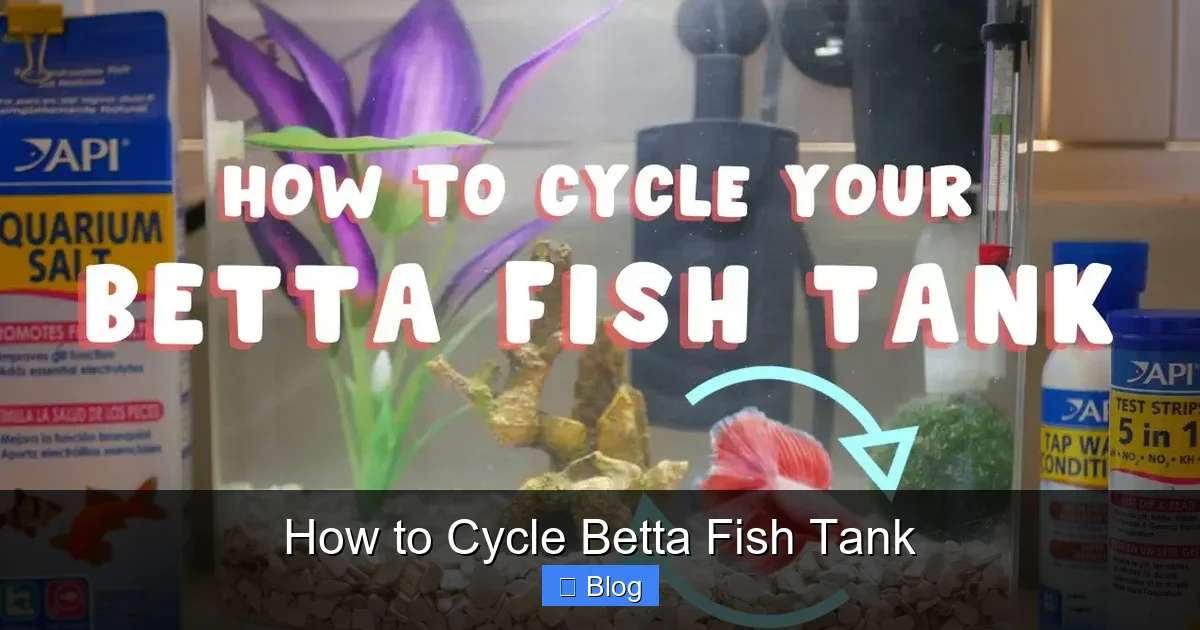
You might be thinking, “But I’ve seen Bettas in little cups at the store. They seem fine!” That’s the biggest tragedy of the betta trade. Those cups are a slow death sentence. Bettas are anabantoids, meaning they have a labyrinth organ to breathe air. This adaptation lets them survive in low-oxygen, stagnant water, but it does not make them immune to ammonia and nitrite poisoning. In fact, their often delicate, long-flowing fins make them more susceptible to poor water quality, leading to fin rot and fungal infections.
Visual guide about How to Cycle Betta Fish Tank
Image source: bettafishworld.com
A properly cycled tank provides a stable, clean environment. Your betta will have brighter colors, more energy, build bubble nests, and live potentially 3-5 years instead of a few miserable months. An uncycled tank leads to clamped fins, lethargy, loss of appetite, labored breathing (gasping at the surface), and sudden death. There is no medication for ammonia or nitrite poisoning; the only cure is immediate, massive water changes to dilute the toxins. Cycling prevents you from ever having to face that emergency.
The Step-by-Step Guide to Cycling Your Betta Tank
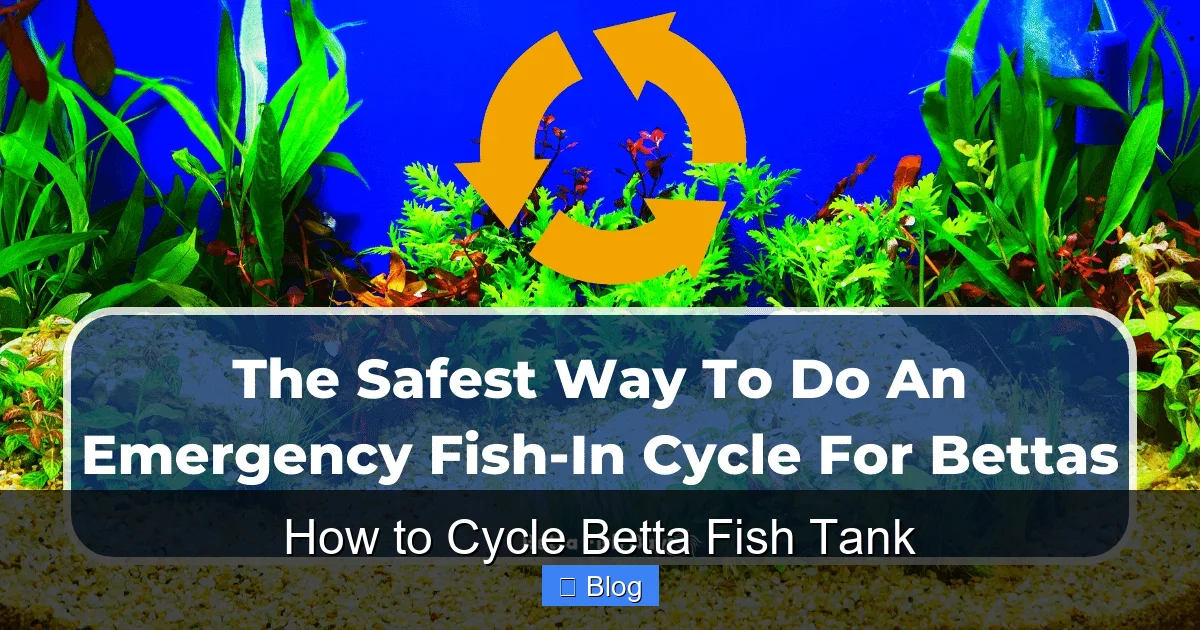
Now for the practical part. There are two primary methods. I strongly, unequivocally recommend the Fishless Cycle for a betta tank. It’s faster, more controlled, and most importantly, it’s 100% safe for your future fish. The “With Fish” cycle is an outdated, stressful, and dangerous method.
Visual guide about How to Cycle Betta Fish Tank
Image source: bettafishbay.com
Method 1: The Fishless Cycle (The Recommended & Humane Way)
This method introduces an ammonia source to grow bacteria without any fish in the tank. You become the sole source of waste.
What You’ll Need:
- A 5+ gallon tank (Bettas need at least 5 gallons; bigger is easier to cycle).
- A filter (a gentle sponge filter is ideal for bettas; hang-on-back filters work too). The filter media (sponges, ceramic rings, bio-balls) is where bacteria will live.
- A heater (set to 78-80°F / 25.5-26.5°C. Warmer water speeds up bacterial growth).
- A reliable liquid water test kit (API Freshwater Master Test Kit is the industry standard).
- A source of pure ammonia. Use unscented, plain ammonia from the hardware store (must be 100% ammonia, no surfactants or dyes). Alternatively, use a product like Dr. Tim’s Ammonium Chloride or Fritz Zyme 1.
- Water conditioner/dechlorinator (Seachem Prime is excellent).
The Process:
- Setup & Dechlorinate: Assemble your tank, add decor, fill with water. Add water conditioner to remove chlorine/chloramines, which kill bacteria.
- Add Ammonia: With filter and heater running, add ammonia to reach 2-4 ppm. Use the test kit to check. This is your “food” for the bacteria.
- Wait & Monitor (Days 1-14): For the first week or two, nothing will happen on your test kit. Ammonia will stay high. This is normal. Bacteria are colonizing. Be patient. Keep adding a tiny bit of ammonia every few days to maintain 2-4 ppm once the initial dose drops.
- The First Drop (Week 2-3): You will see ammonia start to fall. This means Bacteria 1 has arrived! At this point, nitrite will appear and start to rise. Your job is to keep ammonia from dropping to zero—maintain 1-2 ppm by adding a little more ammonia. If it hits zero, the first bacteria will starve and die off.
- The Nitrite Spike (Week 3-4): Nitrite will rise sharply, often to very high levels (5+ ppm). This is the bottleneck. Bacteria 2 is slower to develop. Continue to maintain a low level of ammonia (1 ppm) to feed Bacteria 1 so they can keep producing nitrite for Bacteria 2 to eat.
- The Nitrate Rise & Cycle Completion (Week 4-6): As Bacteria 2 catches up, nitrite will finally start to fall. You will see nitrate appear and rise. The cycle is complete when you can add 2-4 ppm of ammonia and, within 24 hours, test results show 0 ppm ammonia AND 0 ppm nitrite. Nitrate will likely be high (40-80 ppm). Do a 50% water change to bring it below 20 ppm before adding your betta.
Pro Tip: You can dramatically speed up the fishless cycle (to 7-10 days) by adding a commercial bacterial supplement like Fritz TurboStart or Seachem Stability on Day 1. These contain the actual bacteria cultures. Just follow the bottle instructions. It’s like seeding your new city with its sanitation workers on day one.
Method 2: The “With Fish” Cycle (Not Recommended)
This involves adding a very hardy fish (often a danio or a feeder goldfish—never a betta) to produce ammonia. The fish suffers through the toxic ammonia and nitrite spikes. You perform frequent, stressful water changes to keep levels low enough that the fish doesn’t die. This method is cruel, prolongs the cycle, and risks your eventual betta inheriting a weak, unstable biofilter. If a store or friend suggests this for your betta tank, they are giving dangerously outdated advice.
How to Test Your Water & Read the Results
You cannot cycle a tank by guessing. Your test kit is your most important tool. Here’s exactly what to look for.
Visual guide about How to Cycle Betta Fish Tank
Image source: nippyfish.net
The Three Critical Parameters
1. Ammonia (NH3/N4+): Target during cycling: 2-4 ppm (as food). Safe for fish: 0 ppm. Any detectable ammonia in a tank with a betta is an emergency.
2. Nitrite (NO2-): Target during cycling: Will spike high. Safe for fish: 0 ppm. Even 0.25 ppm is dangerous for bettas.
3. Nitrate (NO3-): Target during cycling: Will rise as the cycle finishes. Safe for fish: <20 ppm (ideally under 10). This is managed by water changes.
How Often to Test
During the active cycling phase, test every 24-48 hours. Once the cycle is established and your betta is home, test once a week and before/after any major water change. This routine will catch problems before they harm your fish.
Common Misreading: If your tap water has chloramines, your conditioner will convert them to ammonia, giving a false positive on your test. Always test your source water after conditioning. If it reads 0.25-0.5 ppm ammonia, that’s normal and not from your tank cycle. Your tank’s ammonia reading should be compared to this baseline.
Adding Your Betta: The Final Steps Before Introduction
Your test kit has shown 0 ppm ammonia and 0 ppm nitrite for 24-48 hours after a 2-4 ppm ammonia addition. Nitrate is present but you’ve done a water change to get it under 20 ppm. Congratulations! Your biofilter is established. Now, prepare for your betta’s arrival.
- The Final Water Change: Do a 25-50% water change to bring nitrate as low as possible and refresh the water.
- Temperature Match: Ensure the tank water is a steady 78-80°F. Float your betta’s bag in the tank for 15-20 minutes to equalize temperature.
- Acclimation: Slowly drip tank water into the bag (or a clean cup) over 30-60 minutes using airline tubing and a drip clip. This acclimates him to the tank’s pH and parameters.
- Gently Net & Release: Use a soft net to transfer your betta from the bag/cup to the tank. Discard the bag water—do not pour it in, as it may contain waste from the store.
- Do Not Feed for 24 Hours: His digestive system might be stressed, and he may not eat. This also prevents immediate waste load.
- Observe Closely: For the first few days, watch for signs of stress (gasping, clamped fins). But in a cycled tank, he should begin exploring and flaring within hours.
Important: After adding your betta, your cycle is now “loaded.” The bacteria will adjust to his bioload. For the first week, test the water daily. If you see any ammonia or nitrite, do a 25% water change immediately. This is normal as the bacteria population grows to match the new waste input.
Troubleshooting: Common Cycling Problems & Solutions
Cycling doesn’t always go perfectly. Here’s how to handle the most frequent hiccups.
Problem: My Ammonia Won’t Drop After 2 Weeks.
Solution: Your pH might be too low (<6.5). Beneficial bacteria struggle in acidic water. Test your pH. If it’s low, use a buffer like Seachem Alkaline Buffer to raise it to 7.0-7.5. Also, ensure your filter is running and providing good oxygen flow. Bacteria need oxygen. Adding a bacterial supplement like Fritz TurboStart can also jumpstart the process.
Problem: My Nitrite Spiked, But It’s Not Going Down (Stuck at High Nitrite).
Solution: This is the classic bottleneck. Bacteria 2 (Nitrospira) is slow to develop. The best thing you can do is be patient and maintain a low level of ammonia (1 ppm) to keep feeding Bacteria 1, which produces the nitrite for Bacteria 2 to consume. Do not do massive water changes to remove all nitrite; you’ll starve Bacteria 2. Just keep the ammonia trickle going. It can take several weeks for Nitrite to finally peak and drop.
Problem: My Tank is Cloudy/Milky After Starting the Cycle.
Solution: This is a “bacterial bloom.” It’s actually a good sign! It means the bacteria are reproducing rapidly. The cloudiness is harmless and will clear on its own as the bacteria populations stabilize and settle. Do not try to filter it out. Just wait.
Problem: I Accidentally Added My Betta Too Early! Help!
Solution: This is an emergency. You must perform immediate, large water changes (50% or more) to dilute ammonia and nitrite. Test the water. If ammonia or nitrite is above 0, change 50% of the water daily until both read 0. You are now doing an emergency “with fish” cycle. Be prepared for your betta to be stressed. Add Seachem Prime at each water change (it detoxifies ammonia/nitrite for 48 hours). Consider moving him to a hospital tank with cycled media from a friend’s established tank if possible. This is why we cycle first!
Maintaining Your Cycled Tank for a Healthy Betta
Cycling isn’t a one-and-done event. It’s the foundation of your tank’s ecosystem. You must protect it.
What Kills Beneficial Bacteria?
Your beneficial bacteria live primarily in your filter media and on surfaces. They are vulnerable to:
- Chlorine & Chloramines: Always use water conditioner. Never rinse filter media in tap water. Use old tank water.
- Over-Cleaning: Never replace all your filter media at once. Rinse it gently in a bucket of old tank water (from a water change) once a month if it’s getting clogged. Never use soap.
- Medications: Antibiotics and most fish medications (like methylene blue, copper-based ich remedies) will crash your cycle. Only medicate in a separate hospital tank if possible.
- Extreme pH Swings: Avoid using pH-altering chemicals unnecessarily.
The Weekly Maintenance Routine
Once your betta is home, a simple weekly routine keeps the cycle working for him:
- Test Water: Check ammonia, nitrite, nitrate. Ammonia & nitrite must be 0. Nitrate should be <20 ppm.
- Water Change: If nitrate is 20+ ppm, do a 25-50% water change with conditioned water at the same temperature.
- Gravel Vacuum: While doing the water change, gently vacuum the substrate to remove uneaten food and debris (this is the actual waste that decomposes into ammonia).
- Filter Check: Ensure water flow is good. Rinse media in old tank water if flow is restricted.
- Observe Your Betta: The best indicator of water quality is your fish. Is he active, colorful, and eating? That’s your cycle doing its job.
Frequently Asked Questions
How long does it take to cycle a betta tank?
A full cycle typically takes 4-6 weeks using the fishless method. Using a bacterial supplement like Fritz TurboStart can shorten this to 7-10 days. The “with fish” method can take 6-8 weeks and is highly stressful for the fish involved.
Can I use bottled bacteria to cycle my tank instantly?
No. Products like Seachem Stability or Fritz TurboStart contain live bacteria that can speed up the cycle significantly, but they cannot make it instantaneous. You still need an ammonia source and must wait for the bacteria to colonize and multiply. They reduce the time from weeks to days, not minutes.
What should I do if my ammonia is high after adding my betta?
>Perform an immediate 50% water change with conditioned water. Add Seachem Prime to detoxify the ammonia for 48 hours. Test daily and repeat 25-50% water changes until ammonia reads 0. This indicates your biofilter is overloaded and needs time to catch up.
Why is my tank water cloudy during the cycle?
A milky, cloudy appearance is a “bacterial bloom.” It’s a normal, harmless part of the cycling process where beneficial bacteria are rapidly multiplying. It will clear on its own within a few days as the ecosystem stabilizes. Do not attempt to filter it out aggressively.
Can I add live plants during the cycling process?
Yes, and it’s a great idea! Live plants (like java fern, anubias, marimo moss balls) will absorb some ammonia and nitrates, which can slightly help moderate the cycle. However, they cannot replace the nitrogen cycle or handle the full bioload of a fish. You still must complete the full cycling process before adding your betta.
How often should I test my water after the tank is cycled?
Once your tank is established and your betta is healthy, test your water parameters (ammonia, nitrite, nitrate) at least once a week. Always test after any major water change, after adding new decor, or if your betta shows any signs of illness. This regular monitoring ensures your cycle remains stable.