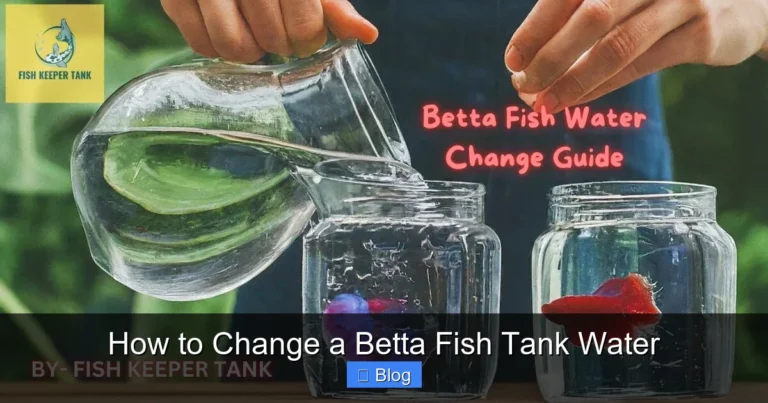
How to Cure Ick in Betta Fish
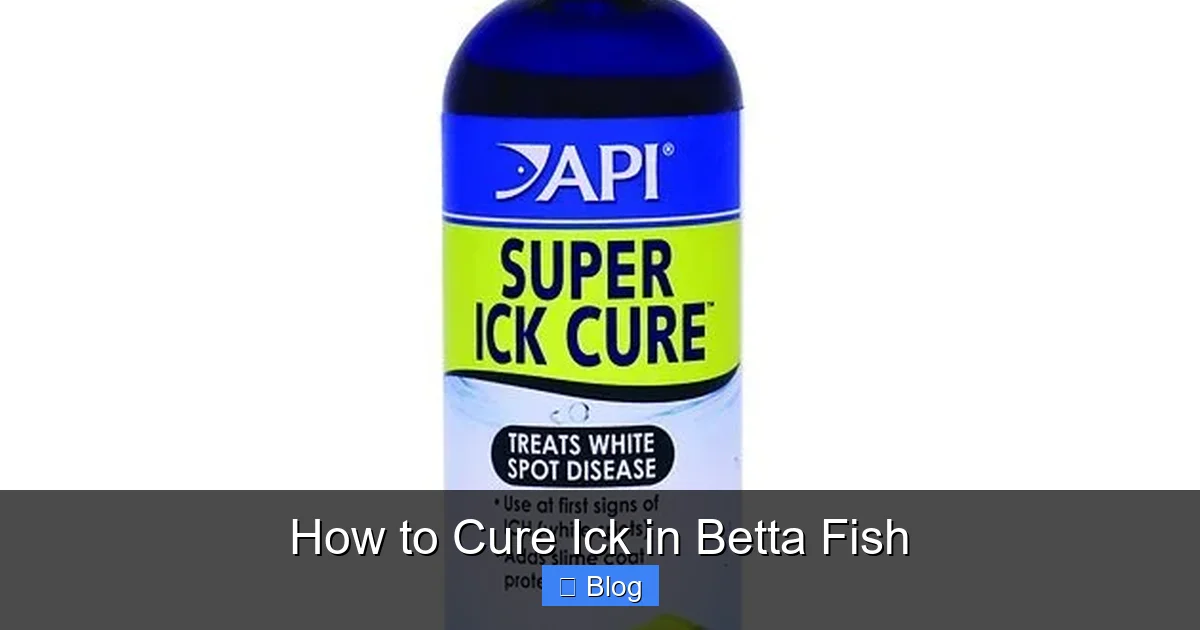
Ick (Ichthyophthirius multifiliis) is a deadly but treatable parasite for betta fish. Immediate action is critical: raise the water temperature slightly, perform daily 25-50% water changes, and use a dedicated ick medication like malachite green or copper-based formula. Never use salt with bettas, as they are highly sensitive. Complete the full treatment course even after spots disappear to prevent recurrence, and always quarantine new fish to protect your betta future.
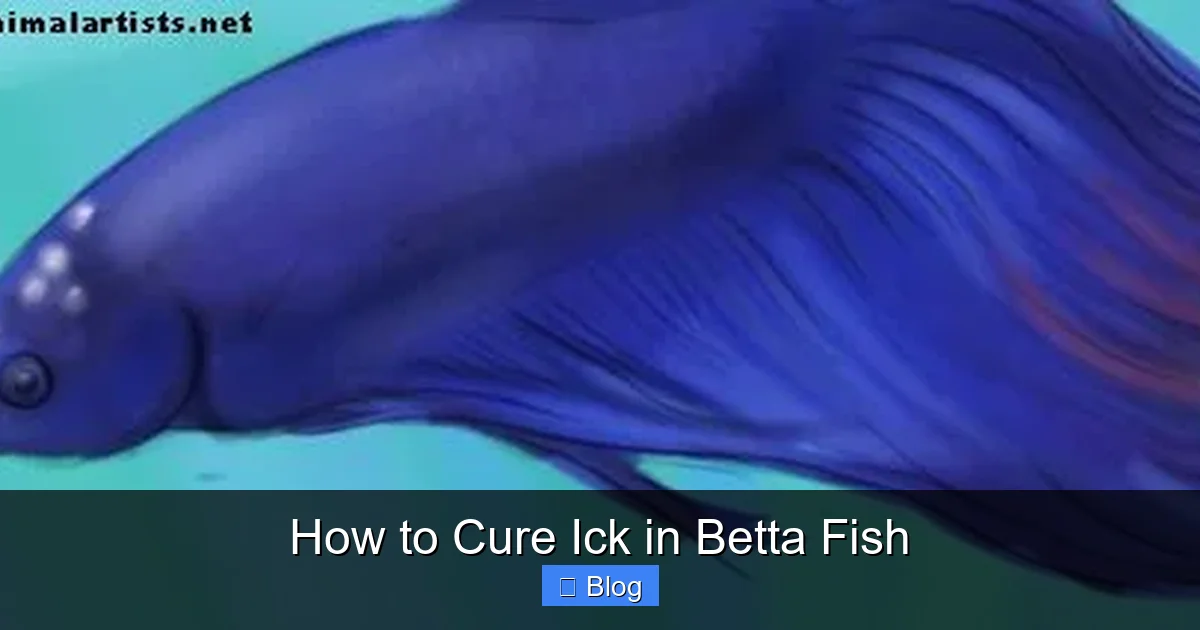
You lean in closer to your betta’s tank, your heart sinking. That beautiful, flowing fin is clamped tight against its body. Instead of the brilliant blue or fiery red you adore, you see tiny, glistening white dots, like grains of salt, scattered across its sides and head. Your stomach drops. You know that look. It’s ick. Also called white spot disease, this common parasite is a death sentence for betta fish if left untreated. But here’s the crucial thing you need to know right now: ick is curable. With swift, correct, and dedicated action, you can pull your betta back from the brink. This is your definitive, step-by-step guide on how to cure ick in betta fish, written with the urgency and care your special fish deserves.
Key Takeaways
- Ick is a parasite, not a fungus: It’s a protozoan that burrows into the fish’s skin and gills, causing white spots and lethargy. Treatment must target the parasite in its free-swimming stage.
- Speed is essential: Betta fish are fragile and can deteriorate quickly. Begin treatment at the first sign of a single white speck to maximize survival chances.
- Water quality is 50% of the cure: Daily large water changes remove free-swimming parasites and reduce stress. Always treat new water with a dechlorinator and match temperature.
- Use only betta-safe medication: Avoid “ick cures” containing salt. Stick to formalin, malachite green, or copper-based medications specifically dosed for bettas or small, fragile fish.
- Complete the entire treatment cycle: The parasite has a life cycle. Treatment must continue for at least 5-7 days after the last spot vanishes to kill newly hatched parasites.
- Prevention is the best strategy: Always quarantine new fish for 4-6 weeks. Maintain pristine, warm water (78-80°F), and avoid overstocking or overfeeding to keep your betta’s immune system strong.
- Never treat in a display tank with invertebrates: Most ick medications are lethal to snails, shrimp, and other invertebrates. A separate hospital tank is non-negotiable for safe treatment.
📑 Table of Contents
- Understanding the Enemy: What Exactly is Ick?
- Immediate First Response: The First 24 Hours
- Choosing and Administering Medication: The Core Treatment
- The Hospital Tank: Setting Up for Success
- Supportive Care: Beyond the Medication
- Recovery and Long-Term Prevention
- Conclusion: Your Betta’s Second Chance
Understanding the Enemy: What Exactly is Ick?
Before we talk cure, we must understand the threat. Ick is caused by the ciliate protozoan parasite Ichthyophthirius multifiliis. The name literally means “fish skin louse,” which paints a pretty accurate picture. The parasite has a complex life cycle that is key to successful treatment. It begins when a mature parasite, called a trophont, burrows into your betta’s skin and gill tissue, feeding on its cells and blood. This burrowing causes the characteristic white cysts—the “spots” you see. Your betta’s body reacts by producing extra slime coat, leading to the dusty or “salted” appearance.
The Life Cycle Determines the Treatment
After feeding for several days (this is the period you see the spots), the trophont drops off the fish, falls to the tank bottom, and encases itself in a protective membrane. Inside this cyst, it rapidly divides, creating hundreds of new parasites called tomites. Once mature, these tomites burst out of the cyst as free-swimming theronts. These theronts are the infectious stage. They must find a host fish within 24-48 hours or they die. This entire cycle is temperature-dependent, taking longer in cold water and speeding up in warm water. This is the golden rule of ick treatment: medications only kill the parasite in its free-swimming theront stage. They cannot penetrate the cyst on the tank bottom or the cyst within the fish’s skin. Therefore, treatment must be sustained over several days to catch successive waves of hatching parasites.
Immediate First Response: The First 24 Hours
Do not panic. Panic leads to mistakes. Your first 24 hours are about stabilization and preparation. Your primary goals are to reduce stress on your betta, begin lowering the parasite load, and set up for safe medication.
Visual guide about How to Cure Ick in Betta Fish
Image source: animalartists.net
Step 1: Isolate and Assess
If your betta is in a community tank, you must move it to a separate, bare hospital tank immediately. Ick is highly contagious to any other fish. A hospital tank can be as small as 2.5-5 gallons. It needs a gentle filter (a sponge filter is ideal), a heater, and nothing else—no gravel, no plants, no decorations that can harbor parasites. This simplifies water changes and ensures medication reaches everywhere. If your betta is already alone in its display tank, you can treat in place, but you must remove any invertebrates (snails, shrimp) as medications will kill them. Also, remove carbon from the filter, as it will absorb the medication.
Step 2: The Temperature Increase – A Double-Edged Sword
Gently raise the water temperature in the treatment tank to 82-84°F (28-29°C). Do not exceed 86°F (30°C), as bettas can overheat and suffer oxygen deprivation. Why raise the heat? It accelerates the ick life cycle, forcing all parasites to hatch faster so the medication can kill them. It also boosts your betta’s immune response. However, warmer water holds less dissolved oxygen, so you must increase surface agitation with the sponge filter or an air stone to keep oxygen levels high. Monitor your betta closely for signs of gasping. If you see this, lower the temperature slightly.
Step 3: The First Major Water Change
Perform a 50% water change on the treatment tank. Use a gravel vacuum to suck up any debris from the bottom where cysts may be settling. This physically removes a significant number of parasites. The new water must be treated with a standard dechlorinator (like Seachem Prime) and matched to the tank’s temperature to avoid thermal shock. This is not a one-time event. For the next 7-10 days, you will be performing 25-50% water changes daily.
Choosing and Administering Medication: The Core Treatment
Water changes and heat alone are rarely enough to cure a full-blown ick outbreak in a betta. You need medication. The market is full of “ick cures,” but many contain salt or other ingredients toxic to bettas. You must choose wisely.
Visual guide about How to Cure Ick in Betta Fish
Image source: iqss.eu
Safe Medication Options for Bettas
Your best and safest bets are:
- Malachite Green: A classic and effective ick treatment. It’s often sold as “Ick Guard” or similar. Crucially, use a formula that is salt-free and specifically labeled for sensitive fish or bettas. Follow dosage instructions meticulously. Malachite green can stain tank silicone blue-green.
- Formalin (Formaldehyde): Very effective against ick and often combined with malachite green. Again, use only products formulated for freshwater fish and follow the dose exactly. It is a potent chemical.
- Copper-Based Medications: Copper sulfate is a broad-spectrum parasite killer. Extreme caution is required. Copper is toxic to fish, invertebrates, and can damage biological filtration. You must use a product like Cupramine or CopperSafe, which are chelated and more stable. You must also use a copper test kit to maintain a therapeutic but safe level (typically 0.15-0.20 ppm). Never use copper with any invertebrates in the system, ever.
- Herbal/Plant-Based Treatments: Products like API’s “Ich Attack” or those containing tea tree oil are gentler. They are less likely to harm a stressed betta but may be less effective for severe infections. They can be a good first try for a mild case or as a follow-up.
The Medication Protocol: How to Do It Right
Once you have your chosen medication, you will follow this strict routine for a minimum of 7-10 days:
- Day 0: Perform the 50% water change. Add the full initial dose of medication to the treatment tank. Remove carbon from the filter.
- Days 1-6: Every 24 hours, perform a 25-50% water change. Do not remove the medication. After the water change, add a *maintenance dose* of medication (usually half the initial dose, check your product label) to replace what was removed with the old water. This keeps a consistent therapeutic level in the water to kill newly hatched theronts.
- Day 7+: Continue the daily water change and maintenance dose. You must continue treatment for at least 3-5 days after you no longer see any white spots. This is the most common mistake—stopping too early allows the last generation of parasites to hatch and re-infect your fish.
Pro Tip: Keep a dedicated log. Write down the date, time, water change percentage, and medication dose given. This prevents missed doses and ensures you complete the full course.
The Hospital Tank: Setting Up for Success
Your betta’s recovery environment is as important as the medicine itself. A stressed betta has a weak immune system and will struggle to fight the infection.
Visual guide about How to Cure Ick in Betta Fish
Image source: animalslog.com
Tank Size and Setup
A 2.5 to 5-gallon tank is sufficient for a single betta. It’s easier to heat and medicate a smaller volume of water accurately. The tank must be bare. No substrate, no live or plastic plants, no rocks or driftwood. This is temporary—think of it as an ICU ward. The only furniture should be a single, smooth, betta-safe resting spot like a live or silk plant leaf or a suction cup hammock placed near the water’s surface. Bettas are labyrinth fish and need easy access to atmospheric air.
Filtration and Aeration
Use a **sponge filter** powered by an air pump. It provides gentle mechanical and biological filtration without creating a current that will exhaust your sick betta. The bubbles also provide essential surface agitation for oxygen exchange. If your air pump is too strong, use a flow control valve or a longer air line to diffuse the bubbles. Avoid hang-on-back or canister filters with strong water flow.
Heating and Monitoring
A reliable, adjustable aquarium heater is mandatory. Use a separate, accurate digital thermometer to verify the temperature. Set it to 82-84°F as discussed. Do not rely on the heater’s built-in dial alone. Check the temperature twice daily. Stability is key.
Supportive Care: Beyond the Medication
Medication is the weapon, but supportive care is the armor. You are nursing a very sick animal.
Feeding a Sick Betta
A betta with ick will often stop eating. Do not force food. A fast for 2-3 days is not harmful and can reduce metabolic waste. When you do try to feed, offer high-quality, easily digestible foods. Soak a few premium betta pellets or frozen daphnia, bloodworms, or brine shrimp in a little tank water until soft. Offer a single piece with tweezers. If it doesn’t eat, remove the food after 15 minutes to prevent water quality issues. The goal is hydration and minimal energy expenditure.
Water Quality: The Non-Negotiable
We’ve stressed daily water changes, but let’s emphasize why. Each change removes: 1) Free-swimming theronts, 2) Parasite cysts from the substrate, 3) Medication byproducts that can become toxic, 4) Ammonia and nitrites produced by your stressed betta’s increased waste. Use a gravel vacuum every time. Match the temperature and pH of the new water precisely to the tank water. A temperature swing of more than 1-2 degrees can be fatal to a stressed fish.
Reducing All Other Stressors
The hospital tank should be in a quiet room, away from direct sunlight, loud noises, and foot traffic. Dim the lights. Ick spots are painful, and bright light can irritate the skin. Do not try to handle your betta. Do not tap on the glass. Your only interaction should be during necessary water changes and medication administration. Let it rest.
Recovery and Long-Term Prevention
Congratulations! The spots are gone, your betta is active again, and its fins are slowly unfurling. The acute crisis is over, but your job isn’t.
The Taper-Off Period
Continue the daily water changes and maintenance medication dose for the full prescribed period (minimum 5 days post-spot). Then, perform one final 50% water change without medication. After this, you can return your betta to its clean, fully cycled display tank (if you treated in a separate hospital). Or, if you treated in the display tank, you can now redecorate and carefully reintroduce any invertebrates only after confirming zero copper or medication residues (using test kits if applicable).
Rebuilding the Immune System
Your betta’s body has been through a war. Its slime coat and skin are damaged. For the next 2-4 weeks, provide optimal conditions. Feed a varied, high-protein diet (quality pellets supplemented with occasional frozen or live foods). Maintain impeccable water quality with weekly 25% changes. Consider adding a slime coat enhancer or vitamin supplement (like Seachem StressGuard or API Stress Coat) to the water during water changes to aid healing and reduce stress.
The #1 Rule to Prevent Future Ick: Quarantine
Ick is almost always introduced by a new fish. That new fish, even if it looks perfect, can be a carrier, with cysts hiding in its gills. You must quarantine all new fish for a minimum of 4 weeks, preferably 6, in a separate tank before introducing them to your main aquarium. During quarantine, observe them closely. Treat prophylactically for ick if you see any early signs. This single habit will save you from 90% of betta diseases. Also, never use store bags or nets from the pet store in your home aquariums without disinfecting them first.
Conclusion: Your Betta’s Second Chance
Curing ick in a betta fish is a marathon, not a sprint. It demands diligence, precision, and patience. You are fighting a parasite with a complex life cycle, using tools that can also harm your delicate fish if misused. The formula for success is simple but non-negotiable: Isolate in a bare hospital tank, raise the temperature to 82-84°F, perform daily large water changes, and administer a betta-safe medication consistently for 7-10 days, continuing for days after the spots vanish. Never use salt. Never stop treatment early. And above all, learn from this experience. A healthy, stable tank with quarantined new arrivals is the only true permanent cure. Your betta’s vibrant colors and graceful fins are worth the effort. You have the knowledge now. Take a deep breath, start the first water change, and give your finned friend the fighting chance it deserves.
Frequently Asked Questions
Can ick spread to humans?
No. Ick (Ichthyophthirius multifiliis) is a fish-specific parasite. It cannot infect humans or any other mammals. You can handle your infected betta safely, but always wash your hands thoroughly after touching tank water to prevent the spread of any bacteria or other pathogens between tanks.
How long does it take to cure ick in a betta fish?
The full treatment cycle takes a minimum of 7-10 days, but often 10-14 days to be safe. You must continue medication for at least 3-5 days after the last visible white spot disappears to catch parasites hatching from cysts. With immediate, correct treatment, you should see improvement (spots stopping, activity returning) within 48-72 hours.
Can I use aquarium salt to treat ick in my betta?
Absolutely not. Bettas are highly sensitive to salt due to their labyrinth organ and delicate fin structure. Salt will cause severe osmotic stress, damage their gills, and likely kill a weakened betta faster than the ick parasite will. Only use medications specifically formulated for freshwater fish and safe for bettas.
My betta’s ick is gone, but its fins are torn. Will they grow back?
Yes, often. Fin rot or physical damage from rubbing against objects due to ick irritation is common. Once the parasite is eradicated and water quality is pristine, your betta can begin to heal. Maintain excellent water quality and consider a slime coat supplement. Fin regrowth is slow, taking several weeks to months, and the new fin tissue may be slightly different in texture or color, but it will usually regrow fully.
Is it okay to treat my betta for ick in its regular display tank?
Only if the tank contains no invertebrates (snails, shrimp, crayfish) and you are willing to sacrifice your biological filter’s bacteria colony (most ick medications kill beneficial bacteria). A separate hospital tank is always the safest, most effective method. It allows for precise dosing, easier water changes, and protects your other fish and tank ecosystem.