How to Cure Lethargy in Betta Fish
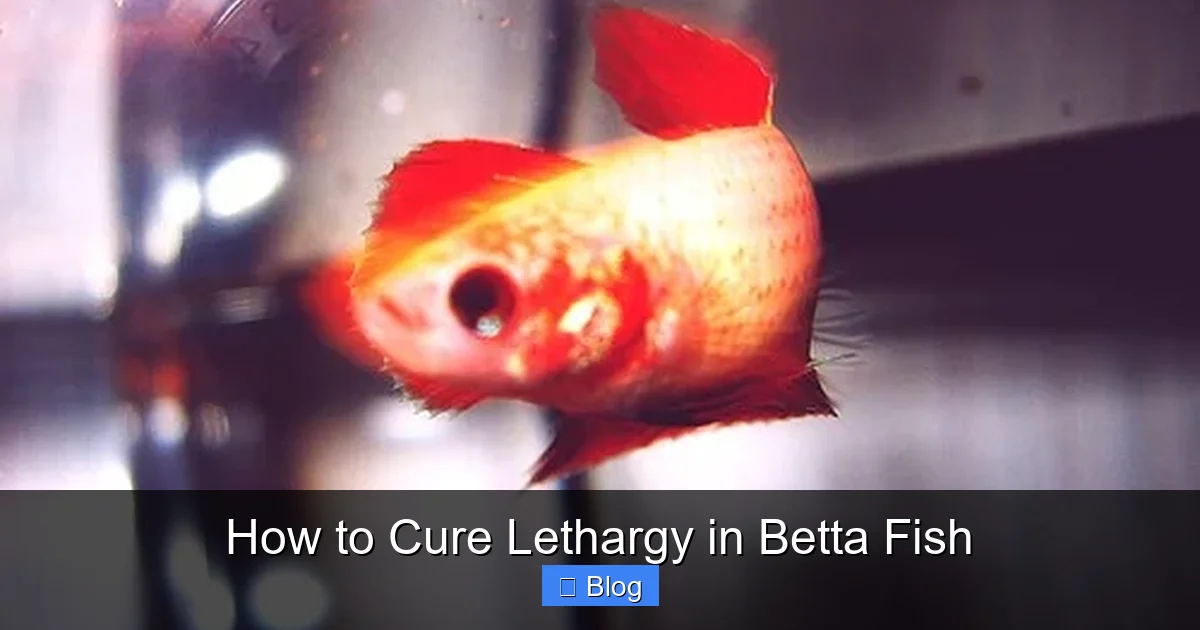
Lethargy in betta fish is a clear distress signal, not just a personality trait. It’s almost always caused by poor water quality, incorrect temperature, an improper diet, or an underlying illness. The primary cure is a systematic approach: first, test and perfect the water parameters, then ensure the tank is adequately warmed. From there, evaluate your feeding routine and carefully inspect your fish for signs of disease. By addressing these core environmental and health factors, you can successfully revive a lethargic betta and prevent future occurrences.
Key Takeaways
- Water Quality is Priority #1: Poor water (high ammonia/nitrite, unstable parameters) is the #1 cause of lethargy. Test weekly and perform regular water changes.
- Temperature is Critical: Bettas are tropical fish requiring a consistent 78-80°F (25.5-26.5°C). Cold water slows their metabolism, causing severe lethargy.
- Diet Must Be Appropriate: Overfeeding causes constipation and water pollution; underfeeding leads to weakness. Feed high-quality pellets/frozen foods sparingly.
- Tank Setup Matters: A small, barren tank causes stress. Provide a minimum 5-gallon tank with a gentle filter, heater, and hiding spots.
- Lethargy is a Symptom, Not a Disease: It indicates an underlying problem like infection (dropsy, velvet), parasites, or swim bladder disorder that must be diagnosed and treated.
- Observation is Your Best Tool: Daily checks for changes in activity, appetite, fin condition, and body appearance are essential for early intervention.
📑 Table of Contents
- Introduction: When Your Lazy Betta Is Sending an S.O.S.
- Section 1: The Foundation of Health – Water Quality & The Nitrogen Cycle
- Section 2: The Tropical Truth – Ensuring Perfect Temperature
- Section 3: Fuel for Vitality – Optimizing Your Betta’s Diet
- Section 4: Beyond the Basics – Tank Environment & Stress Reduction
- Section 5: Identifying and Treating Underlying Illness
- Conclusion: The Path to a Revived Betta
Introduction: When Your Lazy Betta Is Sending an S.O.S.
You got your betta fish because of their captivating personality, their glorious fins, and their warrior-like displays. But one day, you glance at the tank and your vibrant friend is just… floating. Not the active, curious exploration you’re used to, but a motionless, almost listless presence. That “lazy” betta isn’t just having a quiet day. Lethargy in betta fish is one of the most common and critical red flags a keeper can see. It’s your fish’s way of whispering—or sometimes shouting—that something in their world is very wrong.
The good news? Lethargy is often reversible. The path to curing it isn’t about a single magic pill, but about becoming a detective and methodically ruling out the common culprits. This guide will walk you through every step, from the absolute basics of water and heat to identifying subtle signs of illness. We’ll turn your sleepy betta back into the spirited companion you fell in love with.
Section 1: The Foundation of Health – Water Quality & The Nitrogen Cycle
If you want to learn how to cure lethargy in betta fish, you must start here. Fish live, eat, and breathe in their water. For a betta, that water is their entire universe. Poor water quality is the silent killer, and lethargy is its first herald. The core issue is usually the nitrogen cycle—a biological process that converts toxic fish waste into less harmful substances.

Visual guide about How to Cure Lethargy in Betta Fish
Image source: betta4u.com
Understanding Ammonia, Nitrite, and Nitrate
When your betta excretes waste or uneaten food decays, it produces ammonia (NH3/NH4+). This is extremely toxic, even at low levels (0.25 ppm can burn gills). Beneficial bacteria (your tank’s “biofilter”) convert ammonia into nitrite (NO2-), which is also highly toxic, as it prevents blood from carrying oxygen. Finally, another bacteria converts nitrite into nitrate (NO3-), which is far less toxic but still needs to be managed with water changes. Lethargy, clamped fins, and gasping at the surface are classic signs of ammonia or nitrite poisoning.
How to Test and What the Numbers Mean
You cannot guess water quality. You must test. Use a liquid test kit (like API Freshwater Master Test Kit) for accuracy; test strips are notoriously unreliable.
- Ammonia: Should be 0 ppm.
- Nitrite: Should be 0 ppm.
- Nitrate: Should be below 20 ppm, ideally under 10 ppm.
- pH: Stable is more important than a specific number. Aim for 7.0-7.5, but avoid rapid swings.
Practical Example: If your test shows 0.5 ppm ammonia, your betta is in immediate danger. A 50% water change with dechlorinated water is the first urgent step, followed by investigating why the cycle failed (overstocking, overfeeding, filter cleaning with chlorinated water, new fish added too quickly).
The Correct Water Change Protocol
Simply dumping water is not enough. A proper water change removes toxins and stabilizes parameters.
- Dechlorinate: Treat all new water with a water conditioner (like Seachem Prime) that neutralizes chlorine, chloramines, and heavy metals.
- Match Temperature & pH: The new water should be within 1-2°F of the tank water to avoid thermal shock. A slight pH match is helpful but not as critical as temperature.
- Vacuum the Gravel: Use a gravel vacuum to remove detritus (uneaten food, waste) from the substrate. This removes the source of ammonia before it breaks down.
- Slow and Steady: Replace 25-50% of the water weekly for a cycled, filtered tank. For an uncycled or small bowl, 50% daily may be necessary until the cycle establishes.
Section 2: The Tropical Truth – Ensuring Perfect Temperature
Bettas are from the warm, shallow waters of Southeast Asia. They are tropical fish. A common myth is that they can live in a small desk bowl at room temperature. This is false and a primary cause of chronic lethargy. Cold water (< 75°F / 24°C) drastically slows a betta’s metabolism. Their digestive system crawls, their immune system weakens, and they become sluggish, prone to constipation, and highly susceptible to diseases like dropsy.

Visual guide about How to Cure Lethargy in Betta Fish
Image source: japanesefightingfish.org
Why a Heater is Non-Negotiable
Even if your room feels warm to you, it’s not consistent or warm enough for a betta. Room temperatures can drop at night and fluctuate daily. A reliable aquarium heater maintains a stable, species-appropriate temperature 24/7. For a betta, the target is a steady 78-80°F (25.5-26.5°C).
Choosing and Using a Heater Correctly
For a 5-gallon betta tank, a 25-watt adjustable submersible heater is ideal. Always:
- Fully submerge the heater according to manufacturer instructions.
- Use a thermometer (a cheap digital stick-on or glass thermometer) to verify the actual water temperature. Do not trust the heater’s dial alone.
- Place it near a filter outlet (but not touching) or a powerhead to ensure even heat distribution and prevent “hot spots.”
- Never turn it on outside of water. This can cause it to shatter or malfunction.
Tip: In very warm climates, a heater may not be needed in summer, but it is essential year-round in most temperate homes. A small, reliable heater is one of the best investments you can make for your betta’s vitality.
Section 3: Fuel for Vitality – Optimizing Your Betta’s Diet
You are what you eat, and for a betta, diet directly impacts energy levels. Two major dietary mistakes cause lethargy: overfeeding and poor nutrition.

Visual guide about How to Cure Lethargy in Betta Fish
Image source: dsflyfishing.com
The Dangers of Overfeeding
Betta stomachs are roughly the size of their eye. Feeding more than 2-3 pellets (or a comparable amount of frozen food) once or twice a day is excessive. Overfeeding leads to:
- Constipation: A blocked digestive tract presses against the swim bladder, causing buoyancy issues and severe lethargy. The fish may float upside down or sink and struggle to rise.
- Water Pollution: Uneaten food immediately decays, spiking ammonia and creating a toxic environment.
Rule of Thumb: Feed an amount your betta can consume in under 2 minutes. If there’s leftover food after 3 minutes, you’ve fed too much. It’s better to slightly underfeed than overfeed.
Building a Nutritious, Varied Diet
High-quality betta pellets or granules should be the staple (70% of diet). Look for brands with whole fish or shrimp as the first ingredient. The remaining 30% should be variety and protein:
- Frozen Foods: Daphnia (great for digestion!), bloodworms, brine shrimp. Thaw in a container of tank water, not the microwave.
- Live Foods: Occasional treats of microworms or flightless fruit flies are excellent stimulants.
- Fasting: Once a week, skip a meal. This gives the digestive system a break and is a natural way to prevent constipation.
A well-fed betta is an active betta. You’ll see vibrant color, enthusiastic eating, and constant, curious exploration of their territory.
Section 4: Beyond the Basics – Tank Environment & Stress Reduction
Even with perfect water and heat, a betta can become lethargic in a stressful or barren environment. Bettas are intelligent, territorial fish that need mental and physical stimulation.
Tank Size and filtration
The myth of the betta in a vase is harmful. A minimum of 5 gallons is the widely accepted standard for a single betta. A larger volume of water is more stable against parameter swings and provides space to explore. A gentle filter is essential for biological filtration and water movement. Bettas have delicate fins and come from calm waters, so choose a filter with an adjustable flow or baffle it with a sponge to create a gentle current. A filter that churns the water like a river will stress your betta into hiding and lethargy.
Creating a Stimulating Habitat
An empty tank is a boring tank. Decorate to provide security and interest:
- Plants (Live or Silk): Floating plants (like frogbit or hornwort) are betta favorites, giving them a sense of canopy and security. Live plants also help absorb nitrates.
- Hiding Spots: Use caves, PVC pipes, or dense plant clusters. A betta that has a place to retreat feels safer and will be more likely to venture out.
- Gentle Lighting: Avoid harsh, bright lights. Use a day/night cycle. Dimmable or floating plant cover helps mimic their natural, shaded habitat.
Example Setup: A 5-gallon tank with a sponge filter, a cryptocoryne plant in the foreground, a cluster of anubias on a driftwood centerpiece, and a floating circle of hornwort. This provides levels, cover, and a gentle, filtered current.
Section 5: Identifying and Treating Underlying Illness
If you’ve meticulously addressed water quality, temperature, diet, and tank setup and your betta remains lethargic, the cause is almost certainly a medical issue. Lethargy is a symptom of many diseases. A close inspection is required.
Conducting a Health Inspection
In a separate container (like a clean gallon jar with some tank water), gently net your betta for a 30-second check-up. Look for:
- Body: Is it swollen, pineconed (raised scales = dropsy), or emaciated? Any sores, red patches, or white/gray fuzzy growth (fungus)?
- Fins: Are they clamped tightly to the body? Torn, shredded, or with white edges (fin rot)?
- Gills: Are they red and inflamed, or covered in white/gold dust (velvet)?
- Eyes: Are they cloudy or protruding (pop-eye, often from internal infection)?
- Behavior: Is it rubbing against objects (flashing, a sign of parasites)? Is it sinking and unable to maintain depth (swim bladder issue)?
Common Diseases That Cause Lethargy
- Fin Rot: Caused by bacteria, often from poor water. Fins appear shredded and melt away. Treat with a formalin or malachite green dip in a hospital tank, and improve water quality immediately.
- Velvet Disease: A parasitic infection. Look for a fine gold or rust dust on the body, especially under gill covers. The fish will scratch against objects. Treat with copper-based medication (like Cupramine) in a hospital tank, following dosage precisely.
- Swim Bladder Disorder (SBD): Not a disease itself, but a symptom. Causes floating upside down, sinking, or swimming erratically. Often from overfeeding/constipation. Fast for 3 days, then feed a cooked, skinned pea (blanched). If no improvement, it may be a bacterial infection or permanent damage.
- Dropsy: A symptom of severe internal infection (often bacterial). The body swells, scales stand up like a pinecone. Prognosis is poor, but early treatment in a salt bath (Epsom salt, 1 tsp per gallon) and broad-spectrum antibiotics (like Kanamycin) in a hospital tank is the only chance.
Critical: Always use a separate hospital tank for treatment. This allows for precise medication dosing, prevents harming beneficial bacteria in the main display tank, and allows you to monitor the sick fish closely.
Conclusion: The Path to a Revived Betta
Curing lethargy in your betta fish is a journey back to the fundamentals. It’s about commitment to the basics: pristine water, tropical warmth, a sensible diet, and an enriching home. Start with the water test. That simple act will solve most problems. From there, methodically check each box. Your betta’s lethargy is not a permanent sentence; it’s a plea for help. By responding with knowledge, patience, and consistent care, you have the power to restore their energy, their color, and their glorious, curious spirit. A thriving betta is a active, interactive masterpiece. The work to get there is entirely worth the reward of seeing your little friend flare at his reflection, weave through plants, and greet you with vibrant life every single day.
Frequently Asked Questions
How often should I do water changes to prevent lethargy?
For a properly cycled, filtered 5-gallon tank, a 25-50% water change once a week is standard. If you are diagnosing lethargy, start with a 50% change immediately and then resume weekly changes. Never change 100% of the water, as this wipes out beneficial bacteria and can cause dangerous parameter swings.
What is the ideal water temperature for an active betta?
The ideal, stable temperature for a betta fish is 78-80°F (25.5-26.5°C). Consistency is key. Use a reliable aquarium heater and an independent thermometer to verify the temperature, as heater dials are often inaccurate.
Can fasting help a lethargic betta with constipation?
Yes. If you suspect constipation (a bloated belly, difficulty swimming down), stop feeding for 3 full days. This clears the digestive system. On the fourth day, offer a small piece of a cooked, skinned green pea (blanched and mashed). This acts as a natural laxative. Resume a normal, measured diet once normal buoyancy returns.
My betta is lethargic but has no visible signs of disease. What now?
This strongly points to environmental causes. Immediately test your water for ammonia, nitrite, and nitrate. Check your heater’s accuracy with a thermometer. Evaluate your feeding amount (likely overfeeding). Ensure your filter isn’t creating too strong a current. Correcting these factors is the most common cure for “invisible” lethargy.
When should I be concerned about dropsy?
Dropsy is indicated by severe, generalized swelling of the body (especially the abdomen) and scales that stand up like a pinecone. It is a symptom of a critical internal infection, often bacterial. If you see these signs, start treatment immediately in a hospital tank with Epsom salt baths (1 tsp per gallon for 15 minutes daily) and a broad-spectrum antibiotic like Kanamycin. Prognosis is guarded, but early, aggressive treatment offers the only hope.
Is it okay to use medication “just in case” for a lethargic betta?
No. Medication should only be used after a diagnosis. Using antibiotics or antiparasitics unnecessarily can stress your fish, kill beneficial bacteria in your tank, and contribute to medication-resistant strains. First, rule out all water, temperature, and dietary issues. If illness is suspected, try to identify the specific disease before treating. When in doubt, consult a veterinarian or an experienced aquatic specialist.