How to Clean Betta Fish Poop
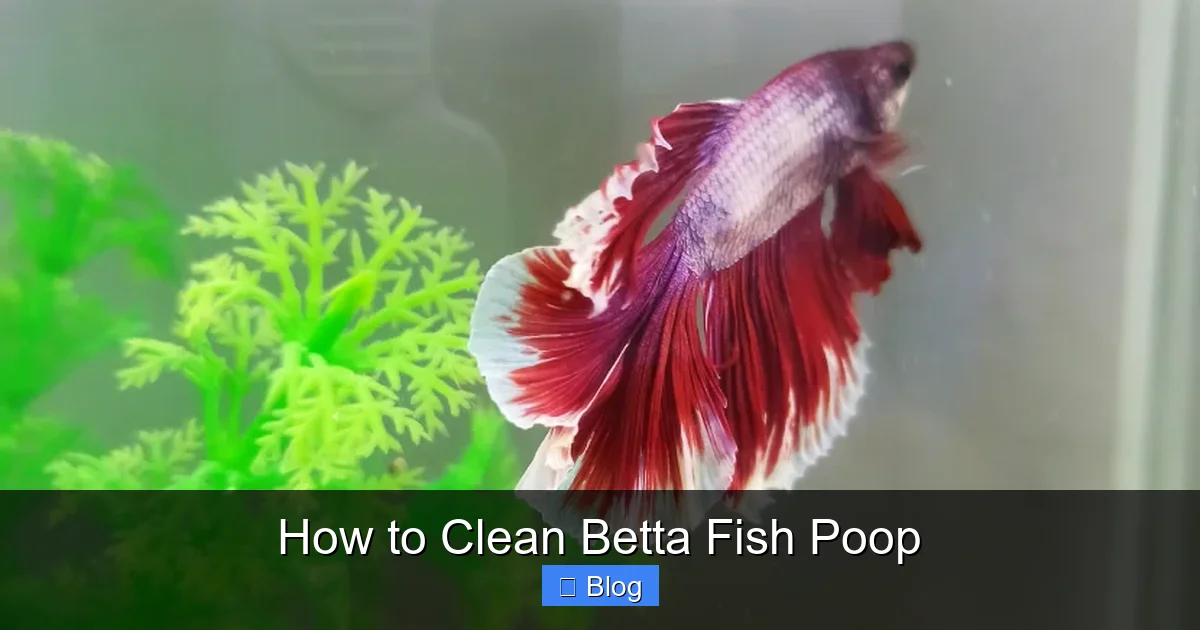
Cleaning betta fish poop is a non-negotiable part of responsible betta ownership. Neglecting waste leads to toxic ammonia spikes, harmful bacteria blooms, and stressed or sick fish. This guide provides simple, effective daily and weekly routines using the right tools to remove debris without disturbing your betta. A clean tank means a vibrant, healthy betta that will thrive for years.
You’ve set up the perfect betta tank. The heater is humming, the filter is bubbling gently, and your betta, with its flowing fins, glides gracefully through the water. It’s a peaceful scene. Then you see it: a small, dark, stringy trail of betta fish poop drifting behind your majestic pet. It’s an unwelcome sight, but it’s also one of the most critical signals in aquarium keeping. Cleaning betta fish poop isn’t just about aesthetics; it’s the frontline defense in keeping your betta alive and thriving. This comprehensive guide will walk you through everything you need to know, from the “why” to the exact “how,” transforming this chore into a simple, effective ritual.
Key Takeaways
- Daily Removal is Essential: Use a small gravel vacuum or turkey baster to siphon visible betta fish poop and uneaten food every single day to prevent ammonia buildup.
- Weekly Water Changes are Non-Negotiable: Replace 25-50% of the tank water weekly with dechlorinated water to dilute any dissolved toxins and maintain water quality.
- Test Your Water: A liquid water test kit is the only way to know if your cleaning routine is working; regularly check for ammonia, nitrite, and nitrate.
- Use the Right Tools: A flexible gravel vacuum, a dedicated bucket, and a water conditioner are your core cleaning supplies; avoid nets for poop removal as they just move it around.
- Never Overclean: Do not scrub all your filter media or replace 100% of the water at once, as this destroys the beneficial bacteria that process fish waste.
- Observe Your Betta: Your fish’s behavior (gasping, lethargy) and the tank’s clarity are immediate feedback on whether your cleaning schedule is adequate.
📑 Table of Contents
- Why Cleaning Betta Fish Poop is a Matter of Life and Death
- Essential Tools for the Job: Your Betta Cleaning Kit
- The Daily Routine: 5 Minutes for a Lifetime of Health
- The Weekly Deep Clean: The 25-50% Water Change
- What NOT To Do: Common Betta Cleaning Mistakes
- Connecting Cleanliness to Water Parameters: The Test Kit Truth
- Conclusion: Cleanliness is an Act of Love
Why Cleaning Betta Fish Poop is a Matter of Life and Death
Before we dive into tools and techniques, we must understand the profound importance of this task. Betta fish, despite their hardy reputation, are sensitive to poor water quality. Their waste is the primary source of toxic ammonia in a closed aquarium system. When betta fish poop decomposes, bacteria convert it first into nitrite and then into nitrate. While nitrate is less immediately toxic, high levels still cause stress and disease. Ammonia and nitrite, however, are lethal even in small concentrations.
Imagine your betta living in a small apartment with no toilet. Every bit of waste just sits there. That’s what happens if you don’t remove solid fish poop. It breaks down, clouding the water and loading it with poison. Furthermore, decaying organic matter fuels explosive growth of harmful bacteria and algae, leading to sickly water conditions that can cause fin rot, velvet, or dropsy. A clean tank is not a luxury; it’s the foundation of your betta’s immune system, gill health, and overall vitality. Your cleaning routine is directly responsible for your betta’s lifespan.
The Decomposition Timeline: Why Speed Matters
Betta fish poop doesn’t wait around. In a warm, filtered tank (78°F-80°F is ideal for bettas), that small pellet or string begins to break down within hours. The process accelerates if the poop lands on the substrate and gets buried. Here, it decomposes anaerobically (without oxygen), producing even more harmful gases and compounds. This is why daily removal of visible solids is so crucial. You are stopping the decomposition process at the source, before it can even begin to leach toxins into the water column. Waiting for a weekly water change means your betta has been swimming in increasingly toxic water for days.
Essential Tools for the Job: Your Betta Cleaning Kit
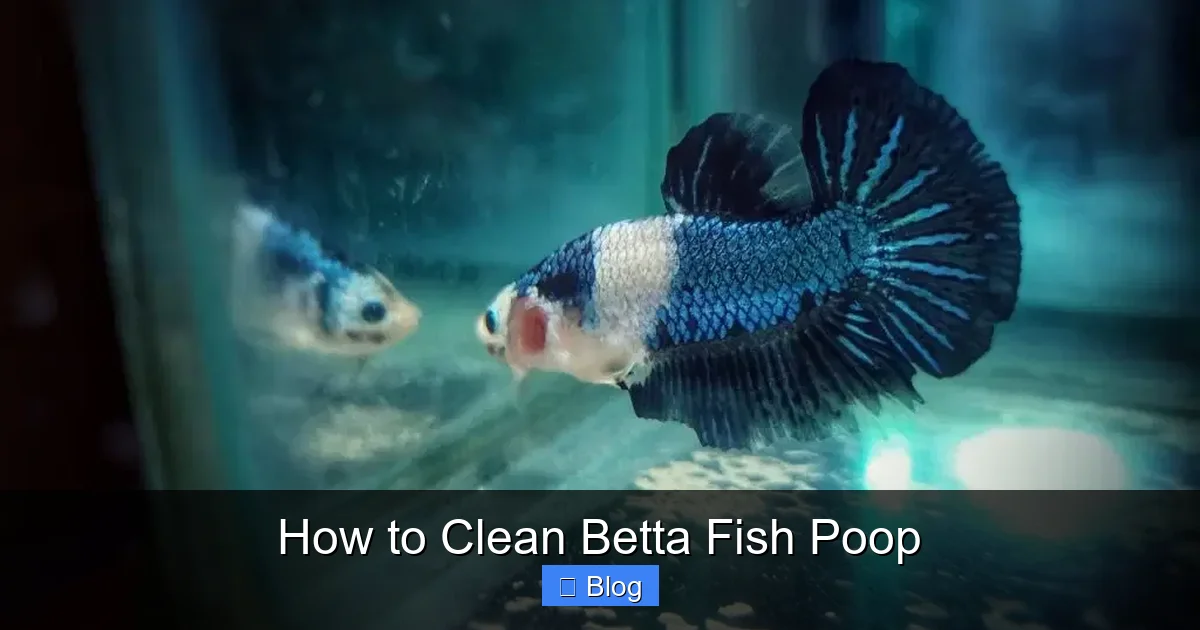
Trying to clean betta fish poop with the wrong tools is frustrating and often counterproductive. You might push it deeper into the gravel or stress your fish. Assemble your dedicated kit once, and the process becomes effortless. Here’s exactly what you need, and why.
Visual guide about How to Clean Betta Fish Poop
Image source: ekk4j69ebaa.exactdn.com
- Flexible Gravel Vacuum/Siphon: This is the #1 tool. It’s a tube with a wide mouth and a flexible, squeezable bulb. You squeeze the bulb, place the wide end in the water above the substrate, and release. The suction created pulls water and loose debris (including poop) up through the tube and out. Look for one with a narrower tip (about 1/2 inch diameter) to easily navigate small betta tanks (5 gallons is the minimum recommended).
- Dedicated Bucket: Have a clean bucket used ONLY for aquarium water changes. Never use a bucket that has had soap or chemicals in it. A 2-3 gallon bucket is perfect for a 5-gallon tank.
- Water Conditioner/Dechlorinator: Non-negotiable. Tap water contains chlorine and chloramines, which are deadly to fish and will kill your beneficial bacteria. You must treat all new water before it touches your tank. Seachem Prime is a popular, effective choice.
- Algae Scraper or Mag-Float: For cleaning the glass walls. A clean viewing pane is part of the overall cleanliness. Use a plastic scraper on acrylic tanks to avoid scratches.
- Turkey Baster or Pipette (Optional but Helpful): Excellent for precise suction of a single poop pellet from delicate plants or tight corners without disturbing the substrate too much.
- Microfiber Cloth: For wiping down the outside of the tank and the lid/light hood, which accumulates dust and water spots.
Store these items together near your tank. Having everything at hand removes excuses and makes the 5-minute daily maintenance a simple habit.
Tool Pro-Tip: The Gravel Vacuum Technique
Mastering the gravel vacuum is key. Don’t just jam it into the substrate. Instead, hold it just above the gravel surface. As you squeeze and release the bulb, the suction will pull up any loose debris sitting on top. To clean deeper, gently plunge the vacuum tip into the gravel by an inch or so, swirl it lightly in a small circle to dislodge trapped debris, then lift it back to the surface to let the suction pull the cloud of waste away. Move systematically around the tank, covering about 1/3 of the substrate per water change session. This method cleans without completely uprooting your decor or causing a massive silt storm.
The Daily Routine: 5 Minutes for a Lifetime of Health
This is the heart of betta care. A consistent, quick daily check prevents almost all major problems. Set a timer if you need to—it truly takes less time than making a cup of coffee. The goal is simple: remove all visible solid waste before it decomposes.
Visual guide about How to Clean Betta Fish Poop
Image source: buildyouraquarium.com
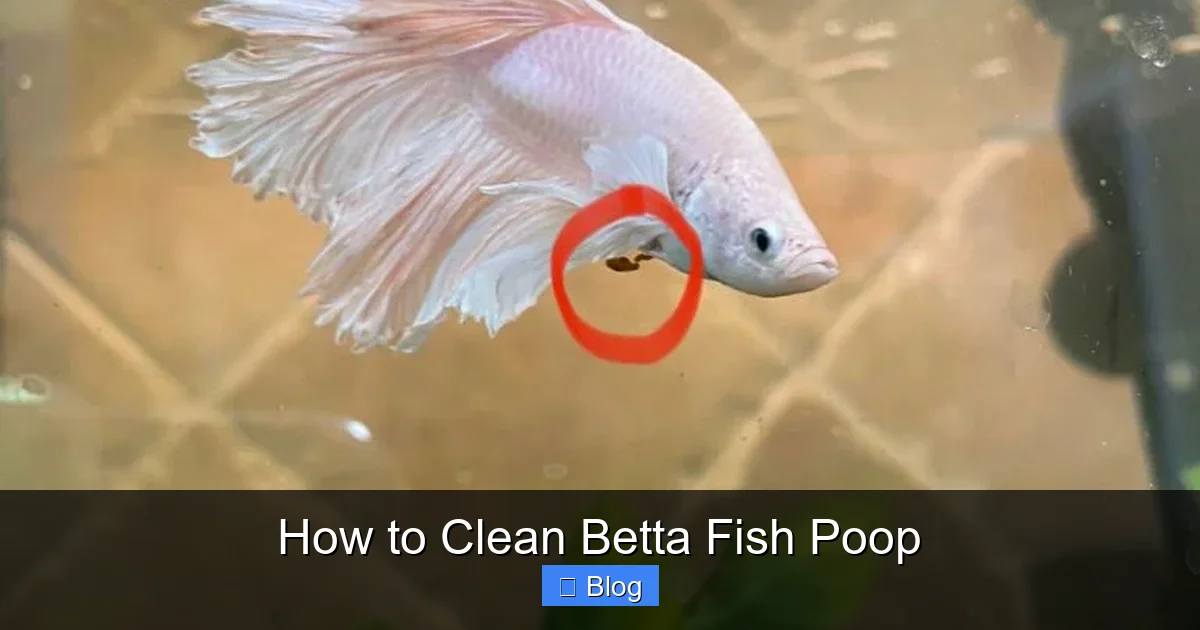
Step 1: The Visual Inspection. Stand in front of the tank. Look for any dark specks or strings on the substrate, on plant leaves, or stuck to the glass. Also, check for any uneaten food pellets from the last feeding. Betta fish are notorious for overestimating their appetite, and leftover food decays just as fast as poop.
Step 2: Targeted Removal. Using your gravel vacuum or turkey baster, carefully suck up each piece of visible betta fish poop and uneaten food. If you’re using a vacuum, you can do this while the siphon is primed and running into your bucket. If using a baster, you’ll need to dispose of the captured waste separately. Be gentle around your betta. If it’s curious, you can gently distract it with a clean finger on the outside of the tank or use a cup to briefly corral it to the other side.
Step 3: Quick Glass Wipe. Use your algae scraper or a clean part of your microfiber cloth to wipe any algae spots or fingerprints from the front glass. A clear view is motivating and helps you see the substrate better for the next day’s cleaning.
Step 4: Check Equipment. Ensure your filter is still flowing properly (not clogged) and your heater is on. Listen for any unusual noises that might indicate a problem.
That’s it. Five minutes. This simple act removes 90% of the solids that would otherwise create ammonia. Your weekly water change then handles the dissolved toxins that inevitably build up.
Feeding Practices That Reduce Waste
Prevention is better than cure. The easiest way to reduce the amount of betta fish poop you have to clean is to feed correctly. Overfeeding is the single most common mistake new betta owners make.
- Feed 2-3 pellets, once or twice a day. A betta’s stomach is roughly the size of its eye. That’s a tiny amount of food.
- Use high-quality, sinking or slow-sinking pellets. These are formulated for bettas and are more digestible, producing less waste. Soak dry pellets in a bit of tank water for a minute before feeding to prevent them from swelling in the betta’s gut and causing constipation (which also leads to stringy, messy poop).
- Remove all uneaten food after 3-5 minutes. Use your turkey baster or net to scoop out any pellets that weren’t eaten. This is a critical part of the daily routine.
By controlling the input (food), you directly control the output (poop), making your cleaning duties significantly lighter.
The Weekly Deep Clean: The 25-50% Water Change
Daily removal handles the solids, but dissolved toxins like nitrate still accumulate. This is where the weekly water change comes in. It dilutes these toxins, replenishes essential minerals, and keeps the water chemistry stable. A proper water change is not a full tank scrub; it’s a careful, partial refresh.
Visual guide about How to Clean Betta Fish Poop
Image source: aquifarm.com
Step 1: Preparation. Gather your bucket, gravel vacuum, water conditioner, and a towel. Turn off your filter and heater (for safety, though many heaters can stay on if fully submerged). Never remove fish from the tank for a standard water change; it’s stressful and unnecessary.
Step 2: Dechlorinate New Water. Fill your clean bucket with tap water at room temperature (or slightly warmer to match tank temp). Add the correct dose of water conditioner according to the product label. Let it sit while you work.
Step 3: The Vacuuming Siphon. Place the end of your gravel vacuum in the bucket. Prime the bulb and start the siphon. Now, thoroughly vacuum about 1/3 to 1/2 of your tank’s substrate. Focus on areas where waste naturally settles: corners, behind decor, and under the filter outflow. This is your chance to deeply clean where your daily routine might miss. As you vacuum, you’ll see the water in the tube get cloudy with dislodged debris—that’s the goal. Keep the vacuum tip moving to avoid sucking up too much gravel.
Step 4: Clean Decor & Glass (Optional). If algae has built up on decorations or the glass, now is the time to gently scrub it with your algae pad or a soft toothbrush (dedicated to the tank). Do not use soap. Rinse decor in the old tank water you just siphoned out, not in clean tap water, to preserve beneficial bacteria.
Step 5: The Refill. Slowly and gently pour the dechlorinated new water back into the tank. Aim for the glass wall or use a cup to create a gentle stream that won’t disturb the substrate too much. Your goal is to replace the volume you removed. Pouring slowly also helps maintain a stable temperature.
Step 6: Restart & Wait. Once filled, plug your filter and heater back in. Wipe up any spills. Do not immediately turn the light on if you stirred up silt—give it 15-30 minutes to settle. Your water may be a little cloudy; this is normal and will clear within a few hours as the filter catches the particles.
How Much Water to Change? The 25-50% Rule
For a single betta in a properly filtered 5+ gallon tank, changing 25-30% of the water weekly is sufficient and ideal. This is enough to dilute nitrates without causing significant stress from sudden parameter shifts. If your tank is smaller (e.g., a 2.5 gallon) or you have no filter, you may need to change 50% twice a week. Never perform a 100% water change unless in a dire emergency, as it completely resets the nitrogen cycle and removes all beneficial bacteria from your filter media and surfaces, causing a dangerous “new tank syndrome” crash.
What NOT To Do: Common Betta Cleaning Mistakes
Even with good intentions, it’s easy to make errors that harm your betta. Avoid these pitfalls at all costs.
- Using Soap or Chemicals: Even a tiny trace of dish soap, window cleaner, or hand sanitizer on your hands or tools is catastrophic for fish. Always rinse hands and tools thoroughly with dechlorinated water. Never clean decor or the tank with anything but water or designated aquarium-safe products.
-
Cleaning the Filter Media with Tap Water: Your filter sponge, ceramic rings, or bio-balls are home to the beneficial bacteria that process ammonia. Rinsing them under the tap kills this bacteria with chlorine. Instead, gently squeeze and rinse filter media in a bucket of the old tank water you just siphoned out during the water change. Only replace filter media when it’s literally disintegrating, and do so in stages (e.g., replace half the sponge one month, the other half the next).
-
Overfeeding and Not Removing Waste: As discussed, this is the root of most problems. If you see a lot of poop, you are feeding too much.
-
Using a Net to Scoop Poop: This is ineffective. A net will push poop around and often break it apart, spreading debris. It also stresses the fish as you chase it. A siphon or baster is precise and clean.
-
Changing Water That’s Too Hot or Too Cold: A sudden temperature shift of more than 1-2°F can shock your betta, suppressing its immune system. Always match the temperature of the new water to the old water as closely as possible. Use a thermometer.
-
Ignoring the Lid and Light: Dust and water spots on the lid reduce light penetration, which can affect plant growth (if you have live plants) and tank viewing. Wipe the outside of the lid weekly with your damp microfiber cloth.
The “Myth” of the Bottomless Betta
Some pet stores and outdated sources claim bettas can live in bowls or small, unfiltered containers because they are “labyrinth fish” that breathe air. This is a dangerous myth. While they *can* gulp air, they still produce waste that fouls their water. In a small, unfiltered vase, a single betta’s poop will create a toxic environment within days. The small volume means any ammonia spike is instantly lethal. A filtered, heated tank with regular water changes is the only acceptable environment for a betta to have a good quality of life.
Connecting Cleanliness to Water Parameters: The Test Kit Truth
How do you know your cleaning routine is actually working? You test the water. Guessing by looking is not enough. A clear tank can still have high nitrate. A cloudy tank is obviously bad, but a “clear” tank can be poisonous. Invest in a liquid water test kit (like the API Freshwater Master Test Kit). Dip tests are less accurate and should be avoided for serious monitoring.
Test your water weekly, before your water change. Here’s what you want to see for a cycled, healthy betta tank:
- Ammonia (NH3/NH4+): 0 ppm. This is the most critical. Any detectable ammonia means your tank is not cycled or your cleaning is failing.
- Nitrite (NO2-): 0 ppm. Also highly toxic. Should always be zero in a cycled tank.
- Nitrate (NO3-): < 20 ppm is ideal. Under 40 ppm is generally considered safe for bettas, but lower is always better, especially for long-term health.
If your nitrates are consistently high (e.g., 40-80 ppm), you need to either increase the frequency/volume of your water changes, reduce feeding, or check if your filter is adequate for your tank size. The test kit is your objective report card on the effectiveness of your poop-cleaning and water change regimen.
Understanding the Nitrogen Cycle in Your Betta Tank
This is the biological process that makes cleaning possible. Beneficial bacteria (called “nitrifiers”) colonize your filter media and substrate. One type of bacteria converts toxic ammonia (from fish poop and breath) into nitrite. A second type converts nitrite into less toxic nitrate. This is the “cycle.” Your cleaning routine supports this cycle by removing solid waste (which becomes ammonia) and diluting nitrate (via water changes). Never use “cycle starters” or “beneficial bacteria” supplements as a substitute for proper maintenance; they are at best a temporary boost. The cycle is established and maintained by the presence of a controlled amount of waste and stable conditions.
Conclusion: Cleanliness is an Act of Love
Cleaning betta fish poop may not be the glamorous part of fishkeeping, but it is the most fundamental. It is a direct, tangible way you care for a creature that depends on you for everything. By establishing a simple daily removal routine and a consistent weekly water change, you are not just maintaining a tank; you are safeguarding the health, color, and spirit of your betta. You are preventing the silent, invisible killers of ammonia and nitrite. You are giving your fish the clean, stable aquatic home it deserves. A pristine tank leads to a curious, active betta that flares at its reflection, builds bubble nests, and displays its magnificent fins with pride. Start your routine today. Your betta’s vibrant, healthy life is the ultimate reward.
Frequently Asked Questions
How often should I clean betta fish poop from the tank?
You should remove all visible betta fish poop and uneaten food every single day. This daily 5-minute routine is the most important step. Then, perform a 25-50% weekly water change with substrate vacuuming to remove dissolved toxins and any debris you missed.
Can I use a net to scoop out betta poop?
No, a net is not effective for cleaning solid waste. It tends to push poop around and break it apart, spreading debris. A small gravel vacuum or a turkey baster is the correct tool, as it precisely suctions waste out of the tank without unnecessarily disturbing the substrate or your fish.
Is betta fish poop harmful to my betta?
The poop itself isn’t directly harmful, but its rapid decomposition is. As betta fish poop breaks down, it produces toxic ammonia. In a closed tank, this ammonia quickly builds up, burns your betta’s gills, suppresses its immune system, and can lead to death. This is why prompt removal is critical.
My betta tank is cloudy after cleaning. Is that normal?
A temporary cloudiness after vacuuming the substrate is normal. You’ve stirred up fine particles that your filter will clear within a few hours. To minimize this, vacuum gently and avoid jamming the vacuum tip deep into the gravel. If the cloudiness persists for more than a day, check your filter’s flow rate and ensure it’s properly maintained.
Do I need to take my betta out of the tank to clean it?
No, you should never remove your betta for routine cleanings. The stress of netting and placing it in a separate container is harmful. All cleaning—siphoning, glass wiping, decor cleaning—can be done carefully with the betta in the tank. Use a cup to gently guide it away from your work area if necessary.
What’s the best way to dispose of the dirty tank water?
The water you siphon out during a water change contains fish waste and nitrates. The best disposal method is to use it to water your outdoor, non-edible plants (like shrubs, flowers, or lawns). The nitrogen in the waste acts as a fertilizer. Never dump it down a sink if you have a septic system, and never add it to a pond or natural waterway.