Why Does My Betta Fish Keep Missing His Food
Wondering why your betta fish keeps missing his food? This guide uncovers common reasons, from tank setup to feeding habits, and offers simple, actionable solutions so your Betta can eat happily again. Read on for easy fixes and preventative tips.
Key Takeaways
- Check water quality: Poor parameters can suppress appetite and cause missed feedings.
- Right food type and size: Betta’s mouth is small; oversized or hard pellets are often ignored.
- Feeding schedule matters: Inconsistent times confuse your fish and lead to missed meals.
- Tank environment influences behavior: Too much décor or aggressive tank mates can distract or stress your Betta.
- Health issues are a red flag: Illness, swim‑bladder problems, or parasites can make a fish avoid food.
- Observe and adjust: Small changes in feeding method often solve the problem fast.
- Use proper portion sizes: Over‑feeding can make a Betta lose interest; learn the ideal amount.
📑 Table of Contents
Introduction
Betta fish are known for their bright colors, flowing fins, and feisty personalities. As a proud Betta owner, you probably look forward to watching your little warrior dart around the tank, especially when it’s time to eat. But what happens when you notice your Betta consistently missing his food? It can be unsettling, and the question “why does my betta fish keep missing his food?” starts to echo in your mind.
Don’t panic. In most cases the issue isn’t a mystery—it’s a combination of environmental factors, feeding habits, and sometimes health concerns. This article walks you through every possible reason, offers practical fixes, and helps you create a feeding routine that keeps your Betta thriving.
1. Water Quality and Its Direct Impact on Appetite
Why clean water matters
Betta fish are sensitive to ammonia, nitrite, and nitrate spikes. Even a slight increase in these compounds can make your fish feel sluggish and uninterested in food. A cloudy tank or strong odor is a clear sign that something is off.
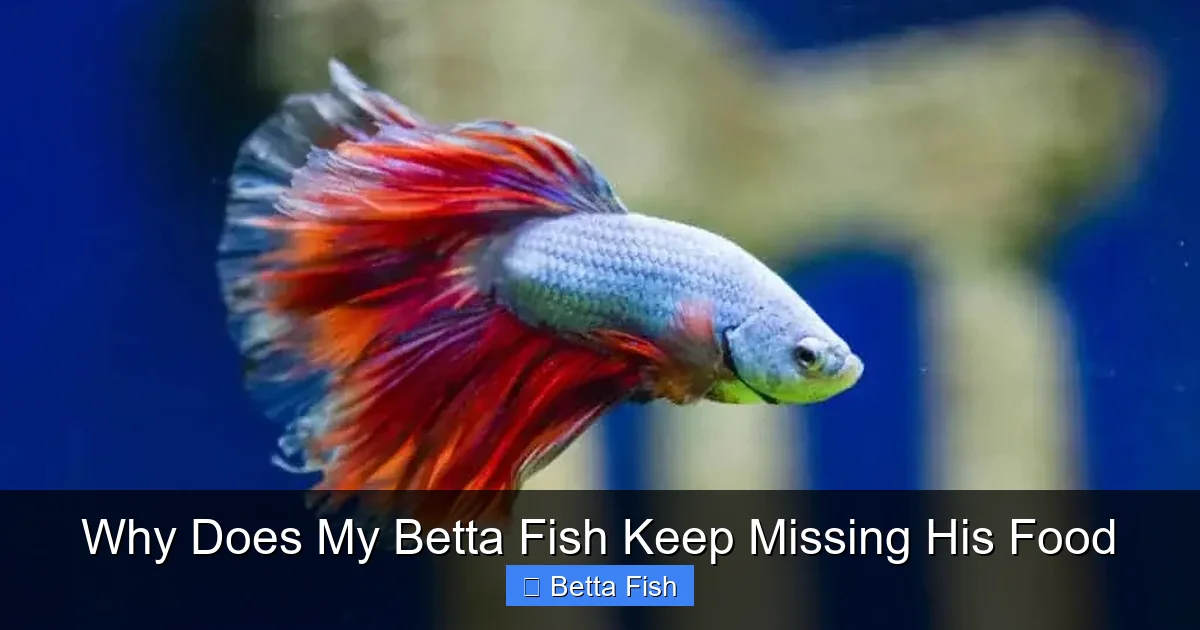
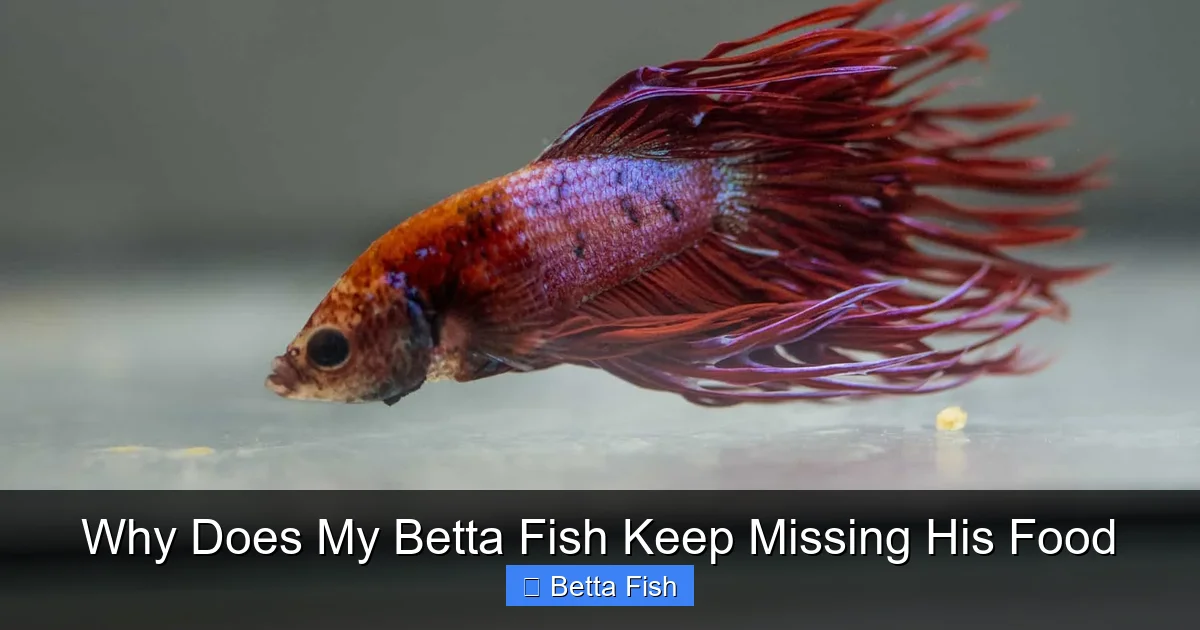
Visual guide about Why Does My Betta Fish Keep Missing His Food
Image source: bettasource.com
Testing and maintaining optimal parameters
Use a reliable test kit to check:
- Ammonia: 0 ppm
- Nitrite: 0 ppm
- Nitrate: < 20 ppm (ideally < 10 ppm)
- pH: 6.5‑7.5
- Temperature: 76‑82°F (24‑28°C)
Perform partial water changes (25‑30%) weekly to keep these numbers stable. Consistent water quality often restores a Betta’s appetite within a few days.
2. Food Type, Size, and Presentation
Choosing the right diet
Betta fish are carnivores. High‑protein pellets, frozen or live brine shrimp, and daphnia are ideal. Low‑quality flakes or oversized pellets can be difficult for a Betta to swallow, leading to missed meals.
Size matters
Pellets larger than 2 mm are often rejected. If you’re using bulk pellets, crush them slightly or opt for “betta‑specific” micro‑pellets. This simple tweak can turn a missed feeding into a full‑mouth feast.
Feeding method
Betta fish are surface feeders. If you drop food into the middle of the tank, it may sink before your Betta reaches it. Use a feeding dish or gently sprinkle food onto the water surface. Some owners find that a small pipette or turkey baster gives better control.
3. Feeding Schedule and Portion Control
Consistency is key
Betta fish thrive on routine. Feeding at the same times each day signals to their internal clock that food is coming. Random or infrequent feedings can cause confusion, making your Betta ignore food when it finally appears.
How much should you feed?
Over‑feeding is a common mistake. A healthy adult Betta needs roughly 2‑4 pellets per feeding, twice a day. For a deeper dive, check out our guide on how much food should I feed my Betta fish. Adjust portions based on activity level and water temperature.
Spotting over‑feeding signs
- Cloudy water from excess waste
- Undigested food floating after 5‑10 minutes
- Weight gain or bloating
4. Tank Environment and Stress Factors
Too many decorations?
While Betta fish love places to hide, an over‑crowded tank can make it hard for them to locate food. Ensure there’s a clear line of sight from the water surface to the feeding spot.
Tank mates and aggression
Betta fish are territorial. If you keep other fish, especially fast‑moving or aggressive species, your Betta may be too nervous to eat. Consider a solo tank or a peaceful community of snails and shrimp.
Lighting and noise
Bright lights or sudden noises can startle a Betta during feeding time. Dim the lights slightly and keep the room calm when you feed.
5. Health Issues That Cause Missed Feedings
Common illnesses
Fin rot, velvet disease, and internal parasites can all reduce appetite. Look for additional signs:
- Faded or white edges on fins (why does my betta fish fins look shredded)
- Bloated abdomen (why does my betta fish look bloated)
- Spitting out food (why did my betta fish spit out his food)
Swim‑bladder problems
If your Betta floats upside down or swims sideways, it may have a swim‑bladder issue that makes it hard to reach the surface. Treat the underlying cause (often constipation) by fasting for 24 hours and then offering a pea.
When to seek professional help
If missed feedings persist for more than a week despite adjustments, consult a vet or an experienced aquarist. Early intervention can prevent a minor issue from becoming fatal.
6. Practical Tips to Encourage Eating
Use live or frozen foods as a booster
Occasionally offering live brine shrimp or daphnia can re‑stimulate a picky Betta’s hunting instincts. Freeze‑thaw the food first to eliminate disease risk.
Try a feeding cup
A small, shallow cup placed at the water surface keeps food in one spot, making it easier for your Betta to see and eat.
Adjust water temperature
Betta metabolism speeds up in warmer water (within safe range). Raising the temperature by 1‑2 °F can increase appetite, but avoid exceeding 82°F.
Limit distractions
Turn off strong currents. Betta fish prefer calm water; a powerful filter can push food away before they can grab it.
Conclusion
Finding out “why does my betta fish keep missing his food?” is rarely a single‑cause mystery. By checking water quality, selecting the right food, establishing a consistent feeding schedule, creating a stress‑free environment, and monitoring health, you can quickly turn missed meals into enthusiastic feeding sessions. Remember, a happy Betta is a healthy Betta—so observe, adjust, and enjoy watching those vibrant fins flare as your fish gobbles down every bite.
Frequently Asked Questions
Why is my betta fish ignoring food?
Often the cause is poor water quality, inappropriate food size, or stress from tank mates. Fixing these factors usually restores appetite.
Can over‑feeding make a betta miss meals?
Yes. Over‑feeding leads to cloudy water and a full stomach, both of which can discourage a Betta from eating at the next feeding.
How often should I feed my betta?
Twice a day is ideal for most adult bettas, offering 2‑4 pellets each time. Adjust based on activity level and temperature.
What should I do if my betta is spitting out food?
Check the food size and type. Smaller pellets or live/frozen foods are easier to swallow. If the problem persists, look for signs of illness.
Is a pea remedy safe for bettas?
Yes. A peeled, cooked pea can help with mild constipation and swim‑bladder issues. Offer one small piece after a 24‑hour fast.
When should I consider a vet?
If missed feedings continue for more than a week, or if you notice other symptoms like white spots, bloated abdomen, or fin loss, seek professional advice promptly.