How to Breed Dragon Betta Fish
Breeding dragon betta fish requires the right tank setup, healthy male and female pair, and careful attention to water conditions. This guide walks you through every step from selecting your breeding pair to raising the fry. You will learn practical tips that make the process simpler and more successful.
Breeding dragon betta fish is one of the most rewarding experiences a fish keeper can have. These stunning fish with their metallic scales and flowing fins look absolutely incredible when they spawn. But getting them to breed successfully takes patience, the right setup, and a bit of know-how.
If you have ever wondered how to breed dragon betta fish in your own home, you are in the right place. This guide covers everything from picking the right pair to caring for the tiny fry. Whether you are a complete beginner or a hobbyist looking to refine your method, you will find practical steps that actually work.
Dragon bettas are a popular variety known for their thick, metallic coloration that looks almost like armor. Breeding them follows the same general process as breeding other betta types, but there are a few special considerations. We will walk you through each one so you feel confident and prepared.
Key Takeaways
- Choose healthy adults: A vibrant male and a mature female with visible egg spot are essential for successful breeding.
- Prepare a dedicated breeding tank: A small, warm tank with gentle filtration and a floating leaf helps your bettas feel safe.
- Watch for bubble nests: The male builds a bubble nest to signal readiness, and this is a key sign the breeding environment is right.
- Separate the pair after spawning: Removing the female and later the male protects the eggs and fry from aggression.
- Feed fry carefully: Infusoria and baby brine shrimp are the best first foods for tiny betta fry.
- Maintain clean water: Frequent small water changes keep the breeding and fry tanks healthy and disease-free.
📑 Table of Contents
Understanding Dragon Betta Fish
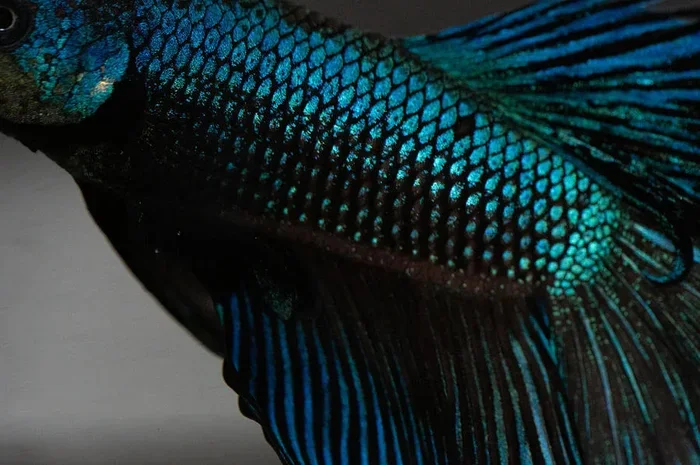
Before you start, it helps to understand what makes dragon bettas unique. Their scales have a heavy metallic finish that gives them a shiny, almost reflective look. This comes from a genetic trait that affects the iridescence of their scales.
Why Breed Dragon Bettas?
Many breeders are drawn to dragon bettas because of their eye-catching appearance. The metallic colors can range from bright red and blue to deep copper and white. When you breed two quality dragon specimens, the offspring can carry that stunning metallic finish into the next generation. It is a fun challenge that rewards careful selective breeding.
Breeding also helps you learn more about betta genetics and color inheritance. Over time, you may notice patterns in how colors and scale types pass from parents to fry. This knowledge makes you a better fish keeper overall.
Setting Up the Breeding Tank
A proper breeding tank is the foundation of success. You cannot simply drop a male and female into your main aquarium and expect good results. Dragon bettas need a calm, controlled space to spawn safely.
Tank Size and Equipment
A breeding tank of about 5 to 10 gallons works well. Keep it simple. You need a heater to maintain a steady temperature of 78 to 80 degrees Fahrenheit. A gentle sponge filter provides water movement without creating too much flow. Bettas prefer calm water, especially during breeding.
Add a floating plant or a breeding mop. The male will build a bubble nest underneath these structures. A floating leaf or piece of foam gives him a secure spot to anchor the nest. You can also use a small styrofoam cup floated on the surface.
Water Preparation
Clean water is critical. Before adding your fish, make sure the water is free of chlorine and chloramine. Using a tap water conditioner is the easiest way to achieve this. The pH should sit between 6.5 and 7.0, and the water hardness should be soft to moderate.
Many experienced keepers recommend using aged water that has been left standing for 24 to 48 hours. This allows harmful chemicals to dissipate naturally. If you want a more controlled approach, RO water remineralized to the right parameters works very well too.
Selecting the Right Pair
Picking a healthy male and female is the most important step in the entire process. A poor-quality pair will lead to weak fry or failed spawning. Take your time with this stage.
Choosing a Male Dragon Betta
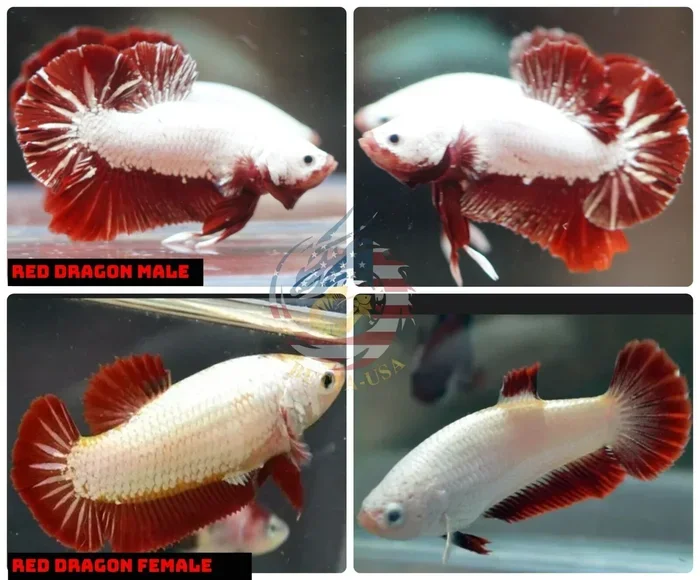
Look for a male with bright, intense colors and a full, flowing finnage. He should be active and responsive. The beard (the opercular membrane) should flare confidently when he is stimulated. A male who builds a strong bubble nest is a good sign of breeding readiness.
Avoid males that look pale, listless, or have torn fins. These are signs of stress or illness. A healthy male will show strong interest in the female and begin nest-building behavior quickly.
Choosing a Female Dragon Betta
The female should be plump and mature, ideally around 4 to 6 months old. Look for a visible white egg spot on her underside. This is called the ovipositor and it confirms she is ready to release eggs. Her colors should be vibrant, and she should move with energy.
A female that is too thin or too young may not produce healthy eggs. If you are unsure about her age, check our guide on how old betta fish to breed for more details on selecting the right age.
The Breeding Process Step by Step
Once your pair is ready and the tank is set up, you can begin the breeding process. Follow these steps carefully for the best outcome.
Step 1: Condition the Pair
Feed both the male and female high-quality live or frozen foods for 1 to 2 weeks before introducing them. Bloodworms, brine shrimp, and daphnia are excellent choices. This conditioning builds up their energy and encourages the female to produce eggs.
Keep them in separate containers during this phase. This ensures they are hungry and eager when you finally introduce them to the breeding tank.
Step 2: Introduce the Pair
Place the female in the breeding tank first. Let her acclimate for a few hours. Then release the male on the other side, separated by a clear divider or glass. This lets them see each other without physical contact.
After a few hours, remove the divider. Watch their behavior closely. The male will likely flare at the female and start building or reinforcing his bubble nest. Some chasing is normal, but if the female looks injured, remove her immediately.
Step 3: Wait for Spawning
When the pair is ready, the male will wrap his body around the female in a spawning embrace. The female will release eggs, and the male will fertilize them. He then collects the eggs in his mouth and places them gently into the bubble nest.
This process can repeat several times over a few hours. The female will become dull in color and may appear tired. Once she stops releasing eggs, remove her from the tank. The male will take over all parental duties.
For a more detailed walkthrough of the entire spawning process, check out our guide on how to breed betta fish.
Caring for Eggs and Fry
The male betta will guard the bubble nest and tend to the eggs carefully. He will pick up any eggs that fall and return them to the nest. Do not disturb him during this time. Keep the tank lights dim and the environment calm.
Hatching and First Days
Eggs typically hatch within 24 to 48 hours. The fry will absorb their yolk sacs for the first 2 to 3 days and will not need food yet. Once the yolk sac is fully absorbed, they are ready to eat.
Start with infusoria or commercially available fry food. As they grow, you can introduce baby brine shrimp, which are packed with nutrition. Feed small amounts several times a day, and remove any uneaten food promptly to keep the water clean.
Water Maintenance for Fry
Fry are very sensitive to water quality. Perform small water changes of about 10 to 20 percent every day. Use a turkey baster or pipette to siphon out debris without disturbing the tiny fish. Clean water is the single biggest factor in raising healthy fry.
If you want more tips on maintaining pristine water for your fish, read our article on how to take care of betta fish water.
Raising the Fry to Adulthood
As the fry grow, you can gradually increase the size of their food. By the time they are a month old, they can eat finely crushed flakes and micro worms. Watch for any signs of deformity or slow growth, and remove affected individuals to keep the healthy ones thriving.
Dragon bettas will start showing their metallic coloration at around 2 to 3 months old. At this point, you can begin to assess the quality of your breeding results and plan future pairings.
Common Mistakes to Avoid
Even experienced hobbyists make mistakes when breeding bettas. Here are the most common ones and how to avoid them.
- Skipping the conditioning phase: A well-fed pair produces more and healthier eggs. Do not rush this step.
- Using too large a tank: A huge tank makes it hard for the male to find and collect eggs. Keep the breeding tank small and simple.
- Leaving the female in too long: After spawning, the female can become a target for the male. Remove her promptly.
- Overfeeding the fry: Excess food fouls the water quickly. Feed tiny amounts and clean up leftovers.
- Neglecting water temperature: Temperature swings stress both adults and fry. Keep the heater steady and reliable.
Expert Tips for Better Results
Here are some insider tips that can take your dragon betta breeding to the next level.
First, keep a logbook. Record the pairings, water parameters, hatching dates, and fry development. Over time, this data becomes invaluable. You will start to see patterns that help you make better pairing decisions.
Second, do not breed too frequently. Give your fish a rest of at least 4 to 6 weeks between breeding cycles. This allows the female to recover and rebuild her egg supply. It also keeps the male strong and healthy.
Third, study the genetics of your lines. Dragon bettas carry a specific metallic gene. Understanding how this gene works helps you predict the colors and scale quality of future generations. If you want to explore more about color breeding, our article on how to breed betta fish colors offers great insights.
Finally, be patient. Not every breeding attempt will be perfect. Some batches may produce fewer fry, and some may have weaker individuals. That is normal. Each attempt teaches you something valuable.
Final Thoughts
Breeding dragon betta fish is a journey that combines science, art, and patience. From setting up the perfect breeding tank to watching tiny fry develop their first metallic shimmer, every stage is fascinating. The key is to take it step by step and never stop learning.
Start with healthy fish, maintain clean water, and give your pair the right conditions. You will be amazed at what you can achieve. Whether you breed for fun or to improve your lines, the satisfaction of raising dragon betta fry is hard to beat.
Now that you have all the knowledge you need, it is time to put it into action. Set up your tank, select your pair, and enjoy the incredible world of dragon betta breeding.
Frequently Asked Questions
How long does it take for dragon betta fish eggs to hatch?
Dragon betta fish eggs typically hatch within 24 to 48 hours after spawning. The male will carefully tend the bubble nest and collect any eggs that fall. Once hatched, the fry will absorb their yolk sacs for the first few days before needing external food.
Can I breed dragon betta fish in a bowl?
It is not recommended to breed bettas in a bowl. A dedicated breeding tank with a heater, gentle filter, and floating plants gives the pair and the fry a much better chance of survival. For more information on tank setup, check out our guide on breeding betta fish in an aquarium.
What should I feed betta fry?
Start by feeding infusoria or liquid fry food for the first week. After that, introduce baby brine shrimp and micro worms. Feed small amounts several times a day and remove any uneaten food to keep the water clean and healthy for the growing fry.
How do I know if my female betta is ready to breed?
A ready female will have a visible white egg spot on her underside called the ovipositor. She should also look plump and have vibrant colors. Her behavior may include vertical stripes, which signal her receptiveness to the male.
Why did my male betta eat his bubble nest?
Stress is the most common cause. This can happen if the tank is too noisy, the water parameters are unstable, or the male feels threatened. Keep the environment calm, dim the lights, and avoid tapping on the tank to help him rebuild.
How often can I breed my betta fish safely?
It is best to wait at least 4 to 6 weeks between breeding cycles. This gives both the male and female time to recover physically. Breeding too frequently weakens the fish and produces lower quality fry over time.